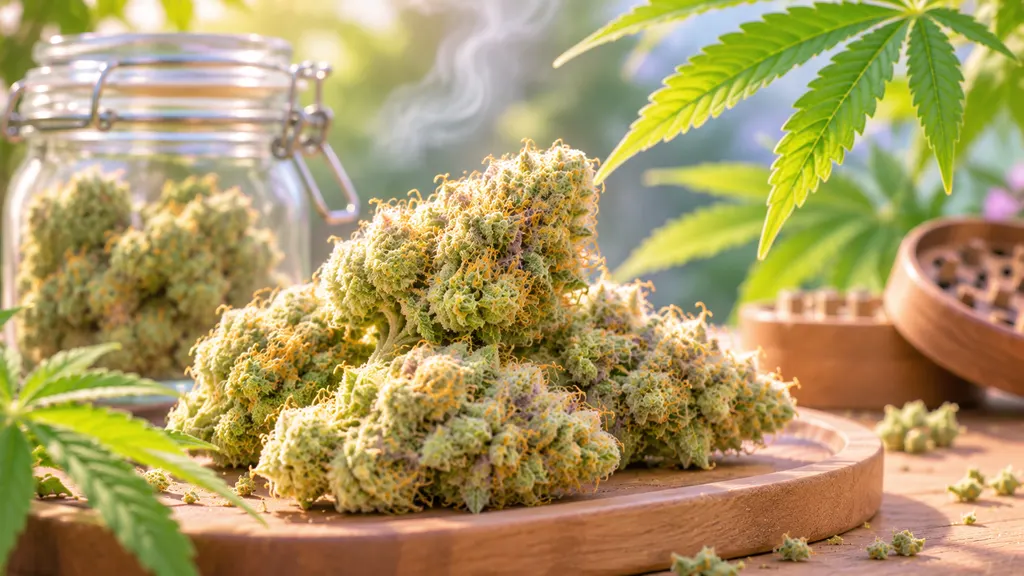
Haze strains are a family of cannabis varieties descended from the original Haze, a tall, long-flowering sativa-leaning plant reported to have come out of California in the 1960s and 70s. The word describes a lineage of the cannabis plant, not smoke or fog. Here's where Haze came from, which famous strains grew out of it, why the smell is so distinctive, and the family in our database.
What are Haze strains?
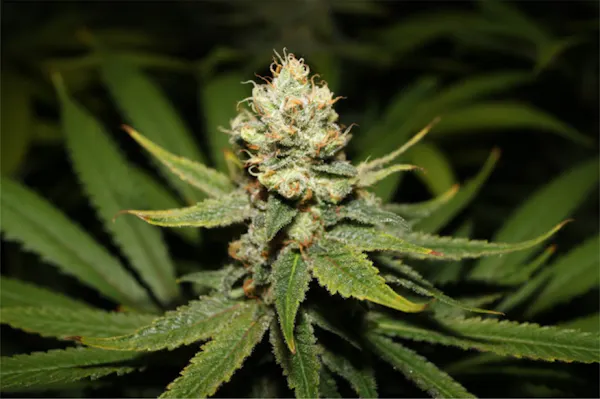
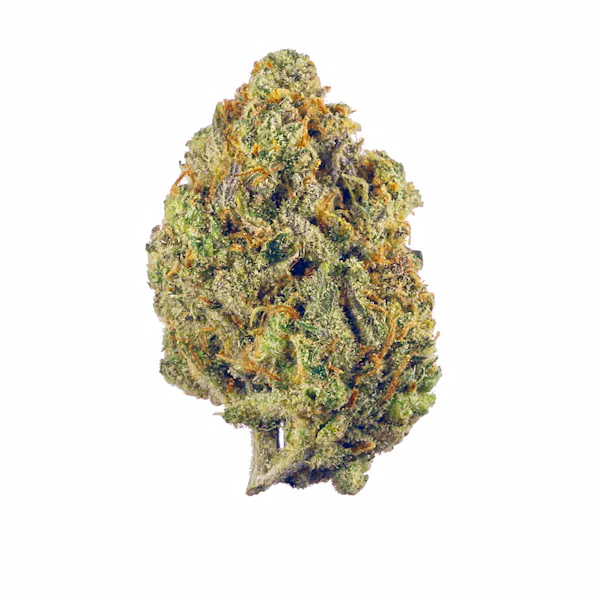
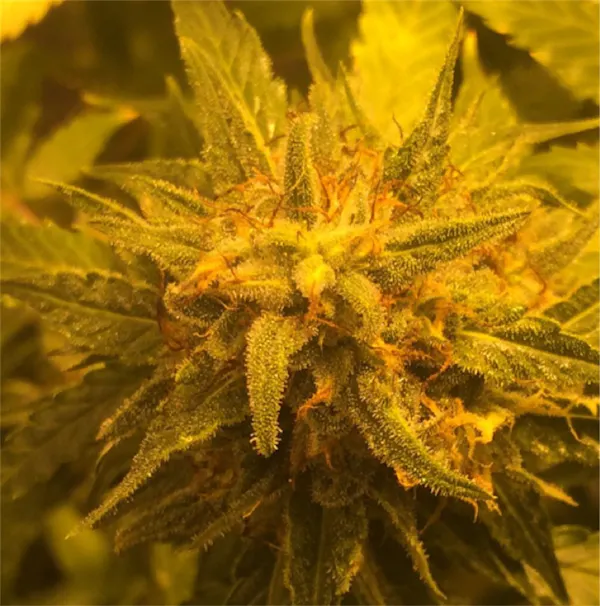
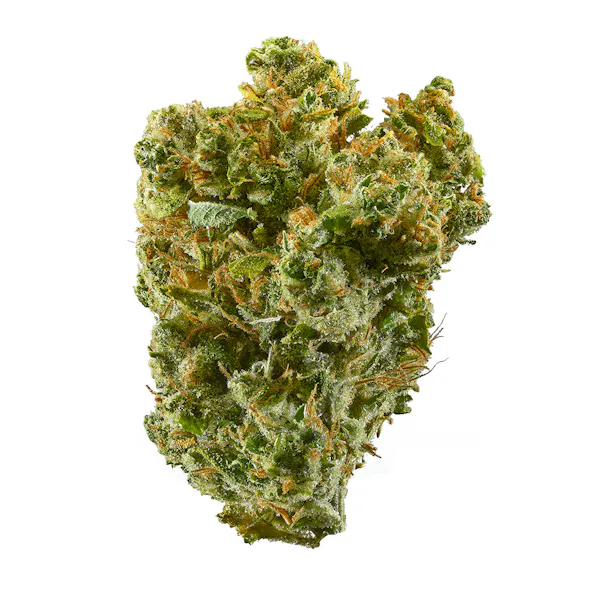
Haze strains are cannabis varieties that trace back to the original Haze. The name works as a family label: a strain is called a Haze when Haze sits in its reported parentage, or when the producer uses the name for a similar sativa-style plant.
Most of this lineage is reported by breeders and seed companies, not confirmed by independent genetic testing. Read it as reported. For how type labels like sativa are used on menus, see our indica vs sativa guide.
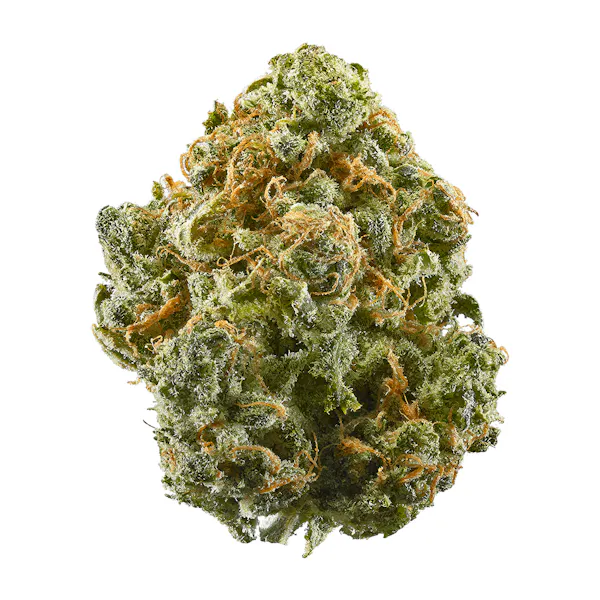
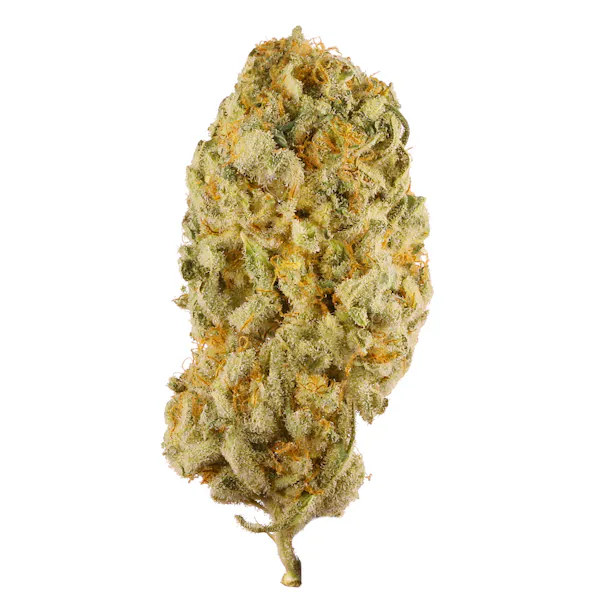
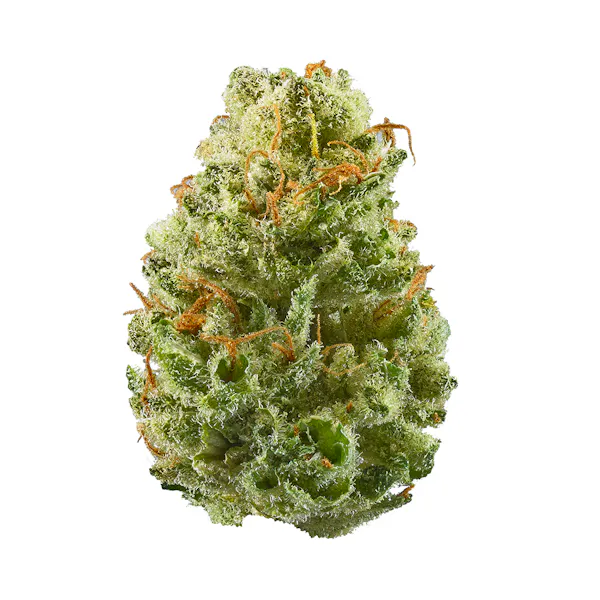
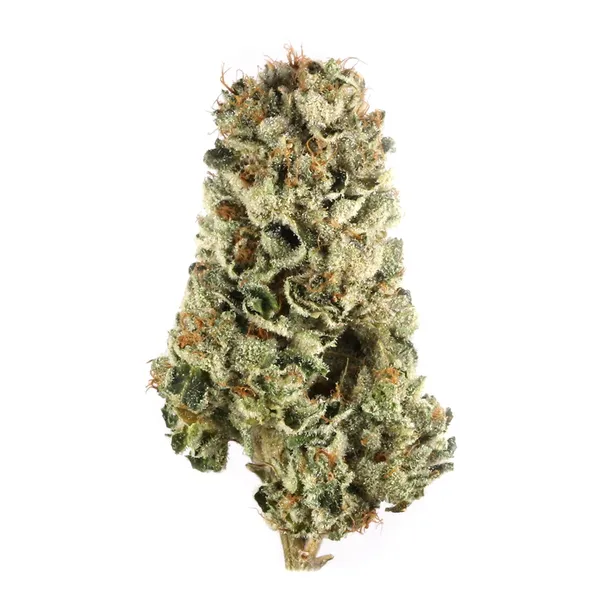
Where did the original Haze come from?
Haze is commonly credited to the Haze brothers, growers in Santa Cruz, California, in the late 1960s and 1970s. Accounts say they blended landrace sativas, usually listed as Colombian, Mexican, Thai and South Indian types, though the exact mix is told differently from source to source.
The plants were reported to be very tall and slow, taking much longer to finish than most modern varieties. That long flowering time is a big reason original Haze was hard to grow and rare. Breeders in the Netherlands later crossed Haze with other lines, and many of the best-known descendants came from that work. Treat these origin stories as reported history, not documented fact.
Why is Haze hard to grow?
Haze-type plants tend to stretch, grow tall and take a long time to flower. That is true of many sativa-leaning varieties and is why a pure Haze is less common than a Haze cross. Growers often prefer crosses that keep some Haze character but finish faster.
If you are curious about growing at home, our growing weed in Canada guide covers the legal limits, and our weed seeds guide covers buying genetics. Long flowering is also one reason Haze descendants are sold under many names: breeders kept the aroma and shortened the wait.
Which famous strains came from Haze?
Haze became a parent of many well-known strains. The table lists the main ones with their widely reported parentage. Where a strain has a page in our database, the name links to it.
Super Silver Haze is commonly reported as Skunk, Northern Lights and Haze, and it became a staple of Dutch coffeeshop menus. Amnesia is the name behind Amnesia Haze, a Dutch classic reported to blend Haze with other sativa lines. Lemon Haze is usually reported as Lemon Skunk with Silver Haze, and Purple Haze is generally reported as a Purple strain crossed with Haze.
Jack Herer, named after a cannabis activist, is also commonly reported to include Haze in its parentage, though accounts differ on the other parents. As with any popular name, the same label can be used for slightly different plants, so compare lab results rather than names.
| Strain | Reported parentage | Notes |
|---|---|---|
| Haze | Landrace sativa blend, reported Colombian, Mexican, Thai and South Indian | The family namesake |
| Silver Haze | Reported Haze with Skunk line | Parent of Super Silver Haze |
| Super Silver Haze | Reported Skunk, Northern Lights and Haze | Dutch classic |
| Amnesia | Reported Haze-based sativa blend | Sold as Amnesia Haze |
| Lemon Haze | Reported Lemon Skunk with Silver Haze | Citrus-forward Haze |
| Purple Haze | Reported Purple line with Haze | Name widely used |
Haze strains at a glance
The summary below is computed from our records, so it always matches the catalogue. It shows how many Haze-family strains we track, how they split by type, and their typical THC. Because the family label is broad, treat the chart as a guide to the family, not a ruling on any one jar.
- Haze strains
- 71
- Indica-leaning
- 7
- Hybrid
- 15
- Sativa-leaning
- 48
- Typical THC
- 21%
What does Haze smell like?
Haze is usually described as bright, spicy and citrusy, with incense, sweet herbal or pine-like notes. That profile is often tied to terpinolene, a terpene that is common in sativa-leaning varieties and gives a fresh, piney-floral scent. You may also see limonene and pinene on Haze labels. Batches vary, so the label is the only reliable guide.
Our guide to what weed smells like explains how terpenes shape aroma. The charts below come straight from our records. The first shows the spread of THC across Haze-family strains, and the second shows which terpene leads most often. They are averages of reported values, so any single batch can fall outside them. To read the numbers on a package, see reading cannabis labels.
THC ranges for the most searched Haze strains
- Blue Dream17–24%
- Jack Herer15–22%
- Strawberry Cough19–26%
- Purple Haze14–19%
- Super Lemon Haze19–25%
- Ghost Train Haze19–27%
- Super Silver Haze18–23%
- XJ 1320–22%
- Banana Kush18–25%
- Lemon Haze17–22%
- Lilac Diesel18–26%
- Fugestate20–22%
Which terpene leads in Haze strains
Is Haze always a sativa?
Haze is generally listed as a sativa or a sativa-dominant hybrid, because its reported roots are tropical landrace sativas. Many modern Haze crosses are hybrids, since breeders mixed in other lines to shorten the flowering time.
The sativa label is a rough shorthand. It describes the plant's reported ancestry and appearance, not a guaranteed experience. Our indica vs sativa guide explains why the terpene list and lab results tell you more.
How to choose between Haze strains
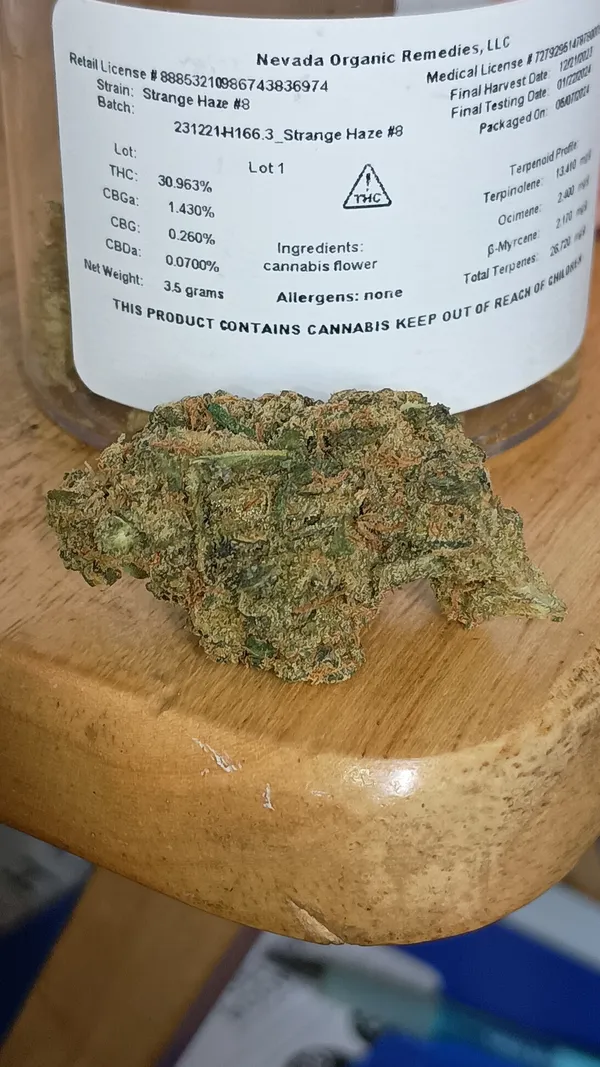
When several Haze-family jars sit side by side, skip the name and read the label. Compare Total THC first, then the terpene list, which is where Hazes tend to differ most. Two jars sold under the same name from different producers can still smell different, because growing conditions, drying and curing matter as much as the genetics.
Freshness matters, since bright citrus and floral aromas fade with age. Check the packaged date. Our guides on whether weed expires and how long a high lasts cover storage and timing. If a strain is new to you, start with a small amount, particularly with high-THC flower.
Names like Blue Haze, Mango Haze or Pineapple Haze may point to a true cross, a flavour theme or a marketing choice. Ask the retailer what the producer reports, and compare the lab results.
Haze strains in Canada
In Canada, every strain, Haze-family names included, must be sold through a provincially authorized retailer from a federally licensed producer under the Cannabis Act. Packages carry the same labelling and THC reporting as any other product, and adults can carry up to 30 g of dried cannabis in public.
For what that amount looks like, see our weed measurements guide.
Haze strains in our database
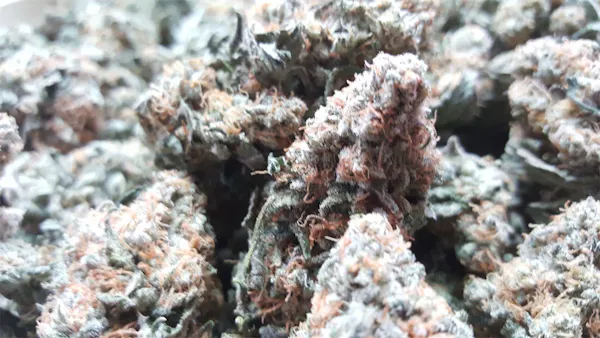
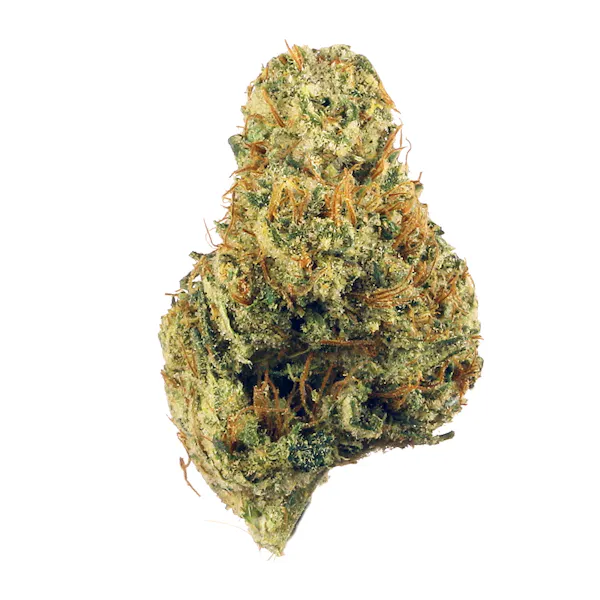
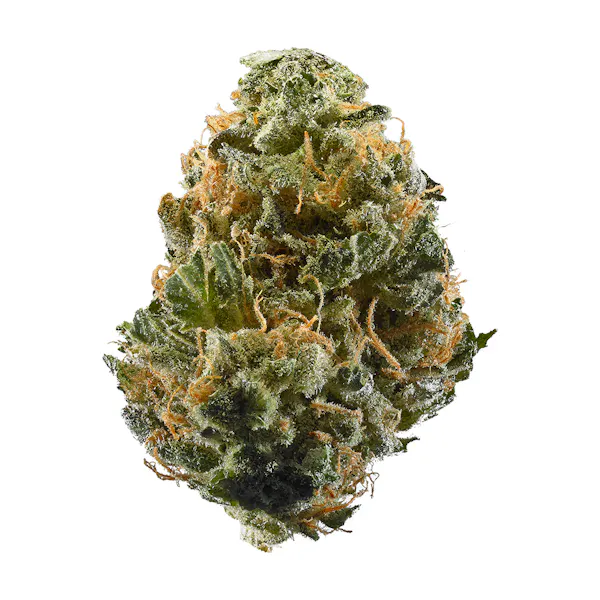
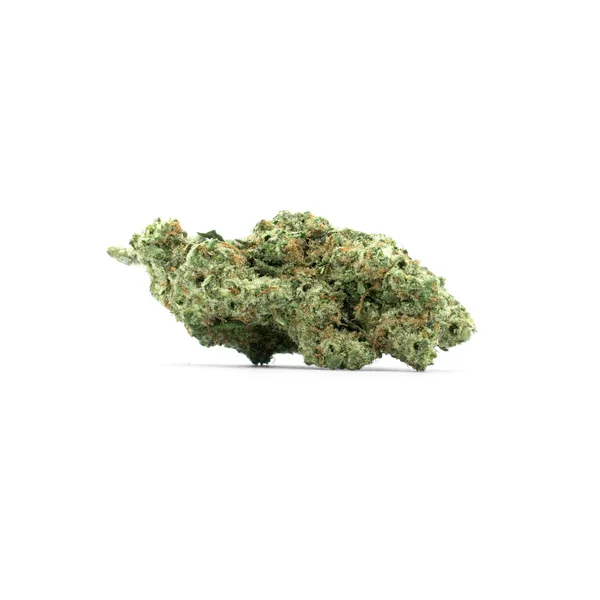
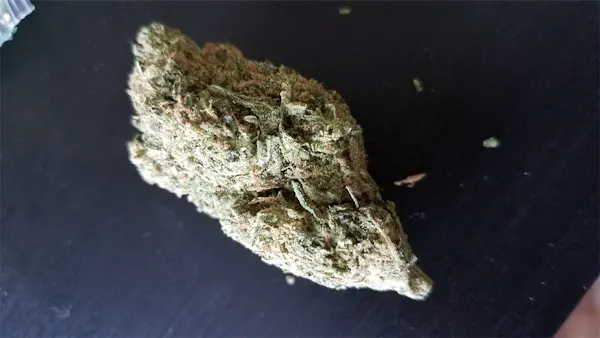
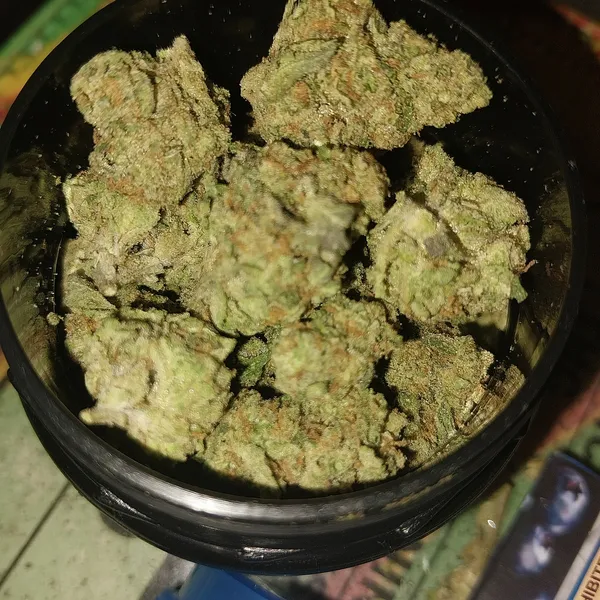
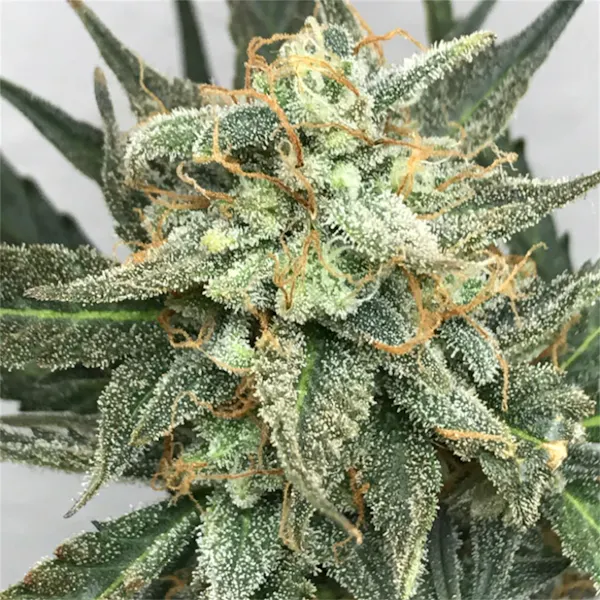
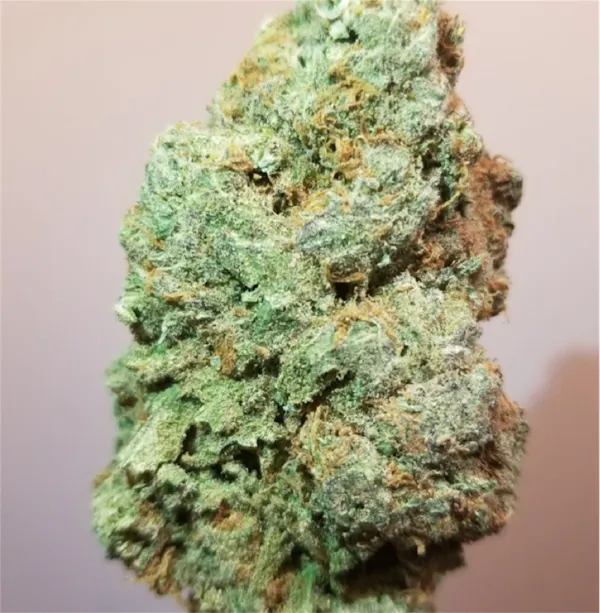
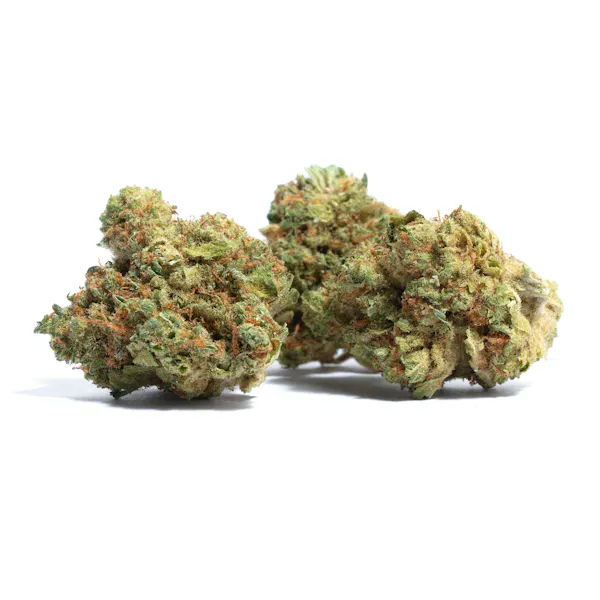
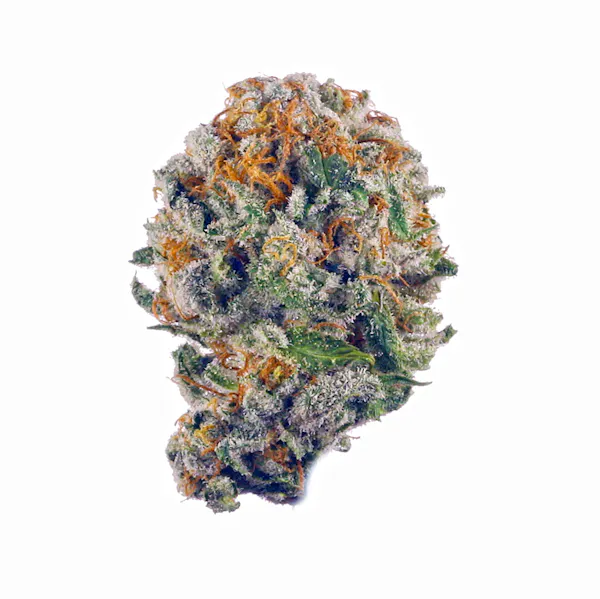
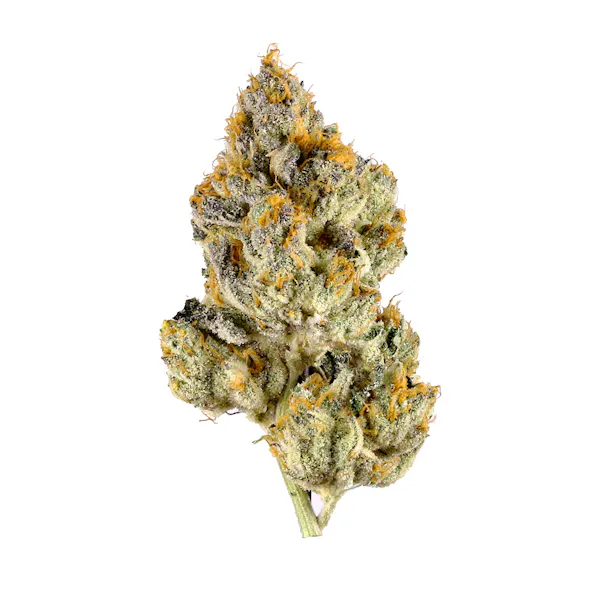
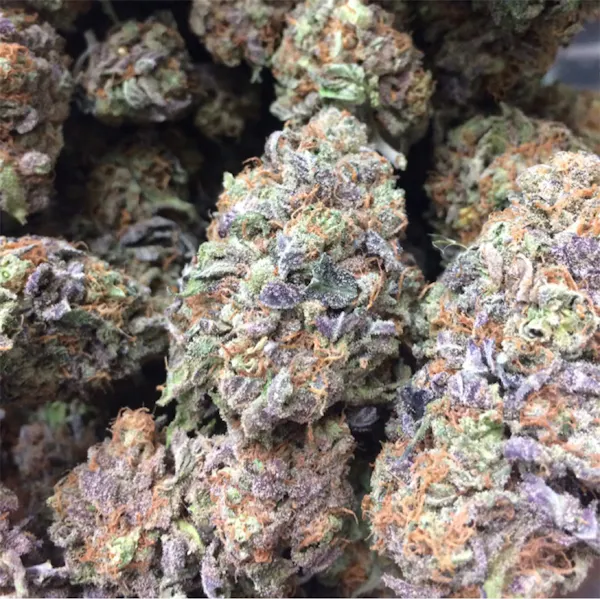
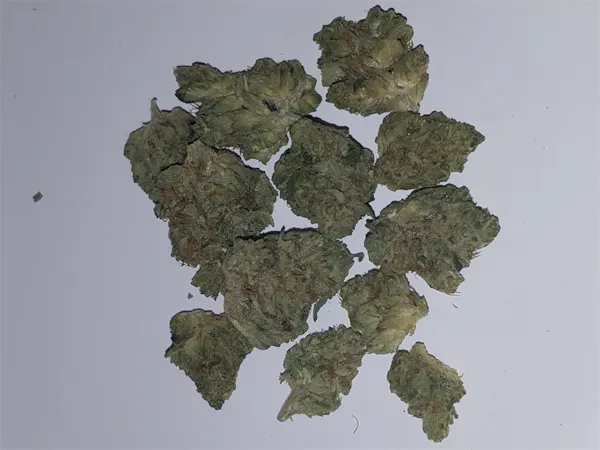
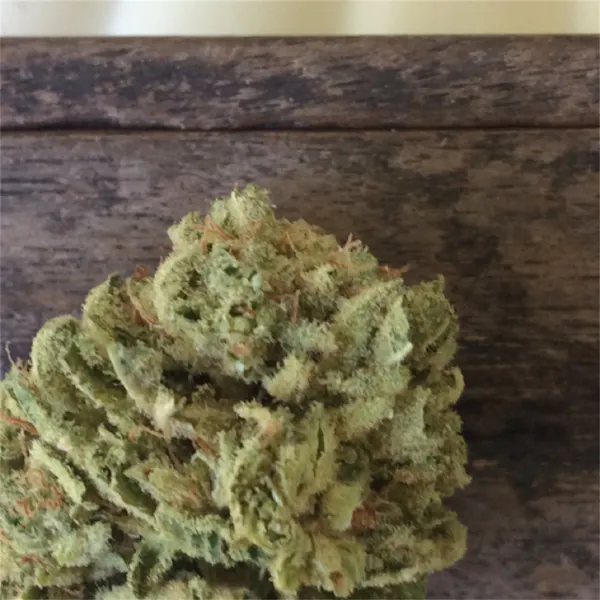
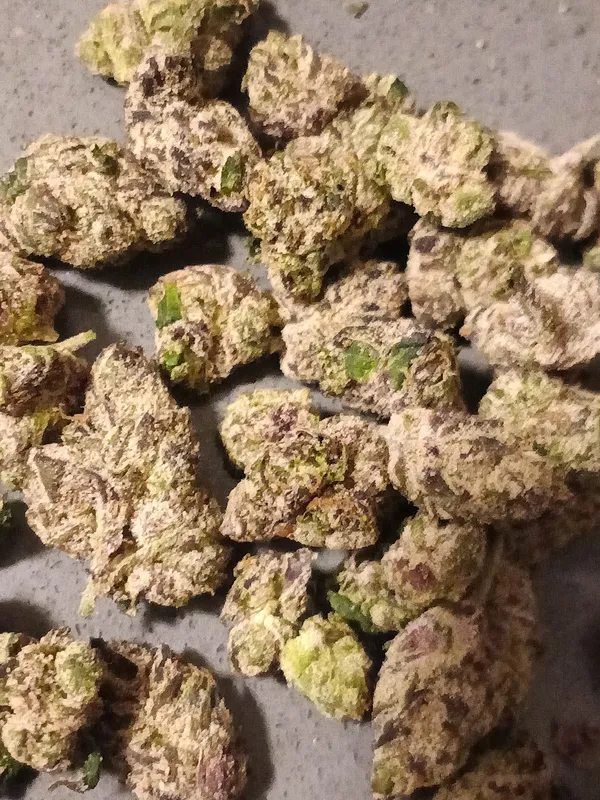
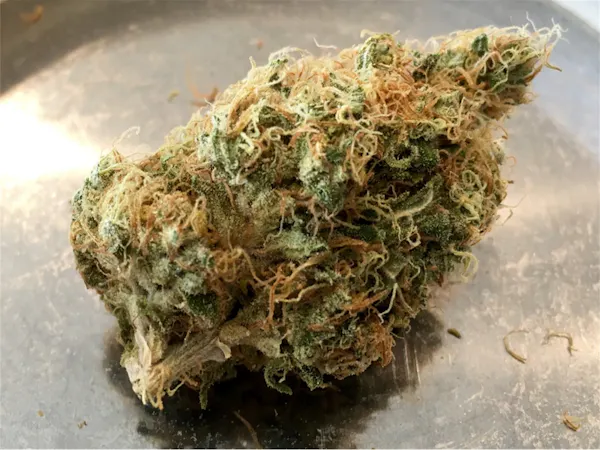
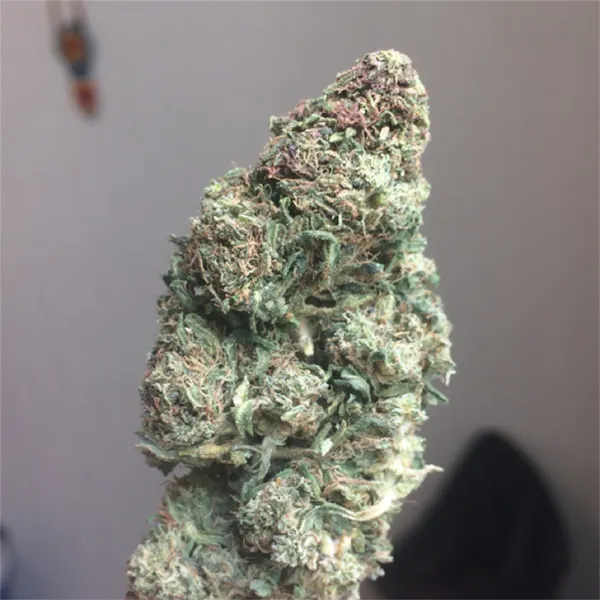
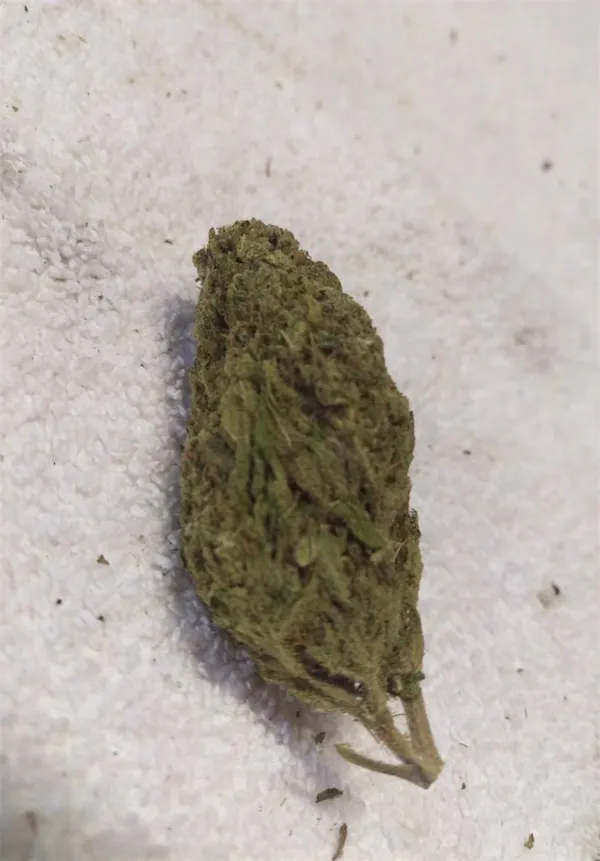
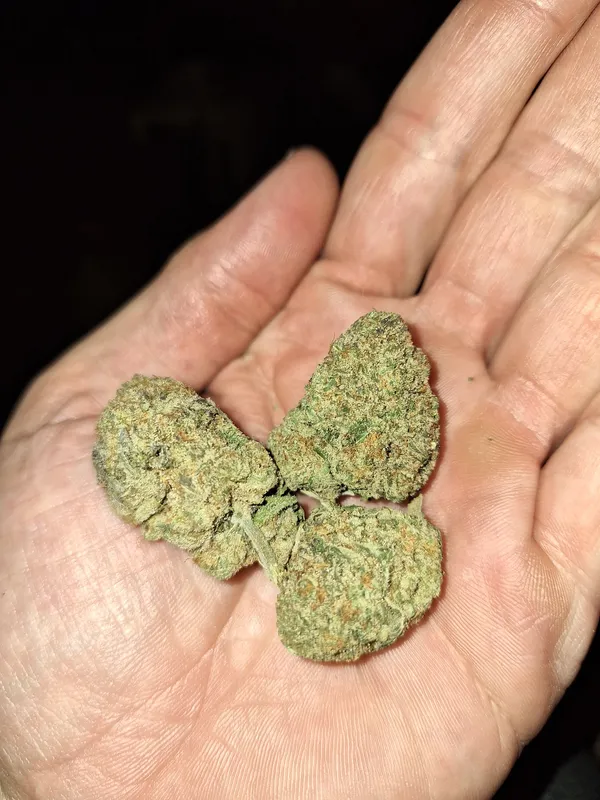
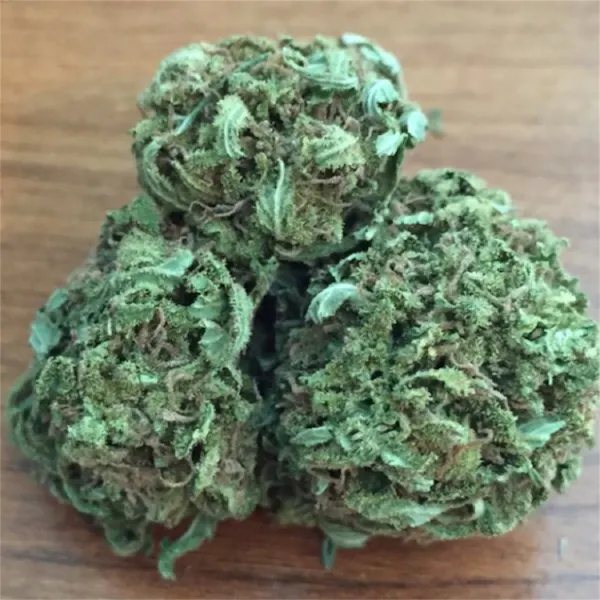
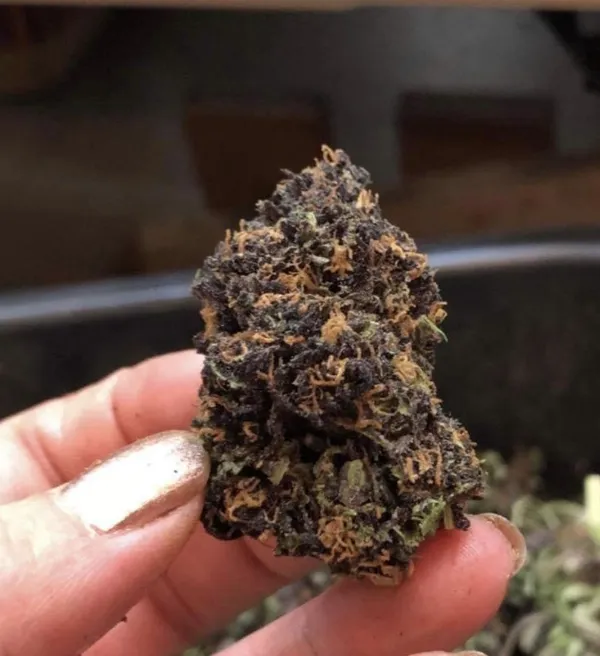
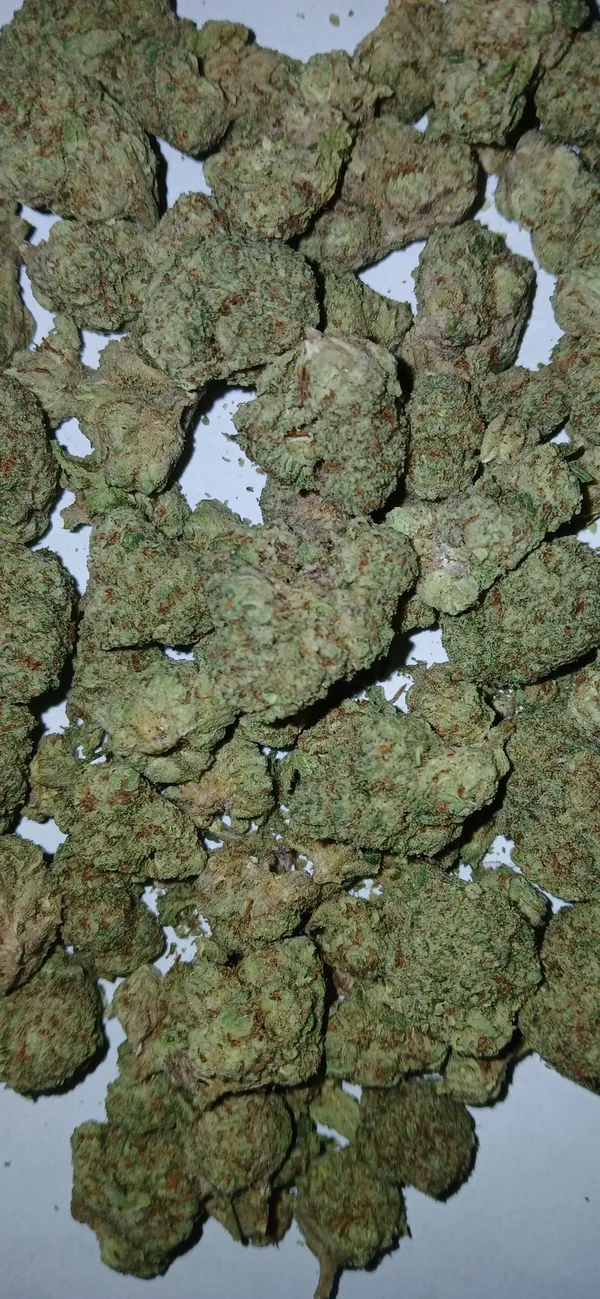
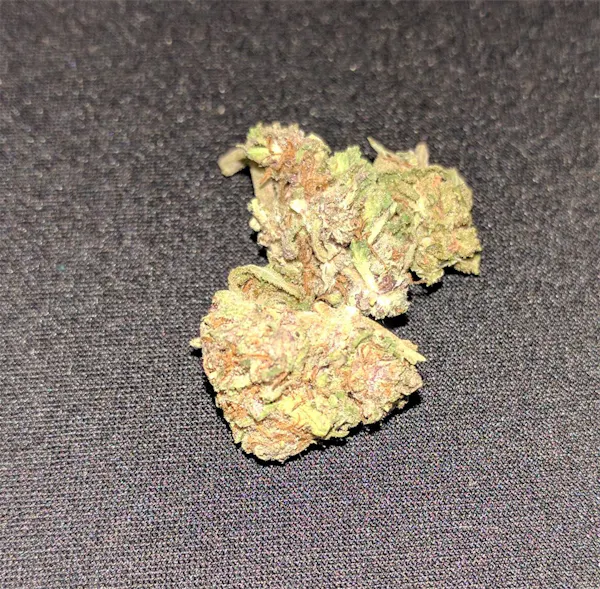
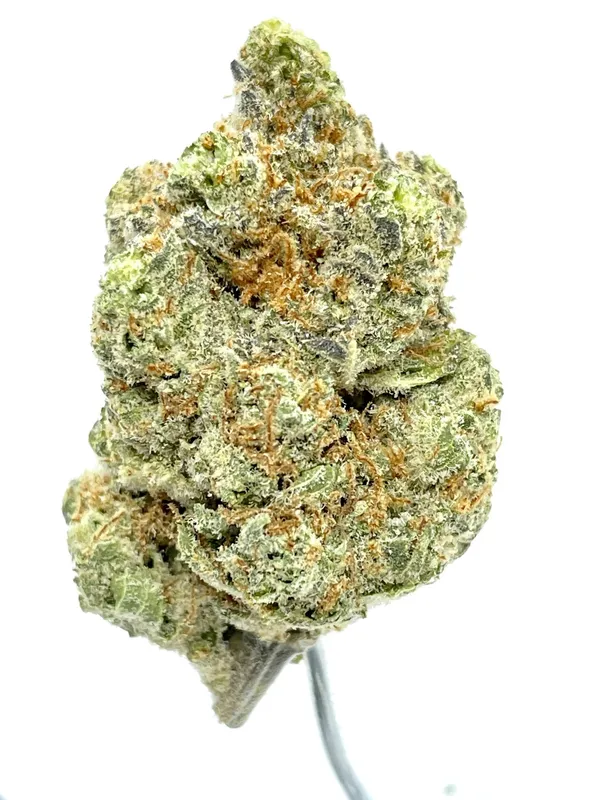
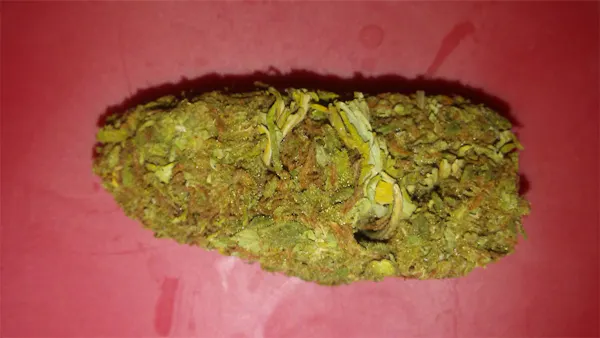
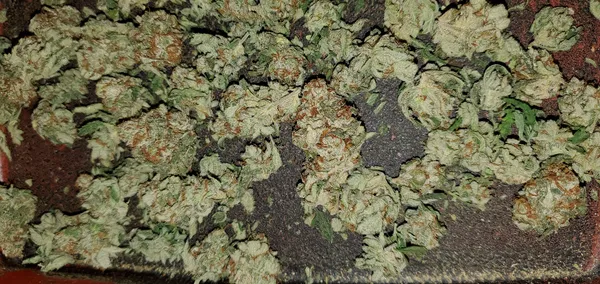
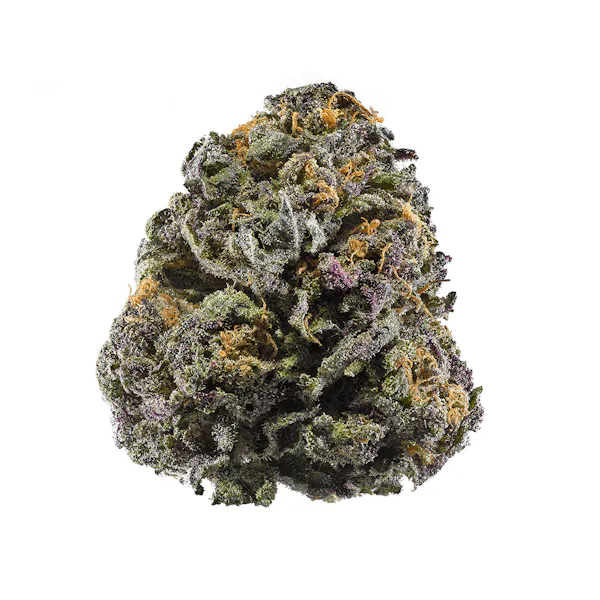
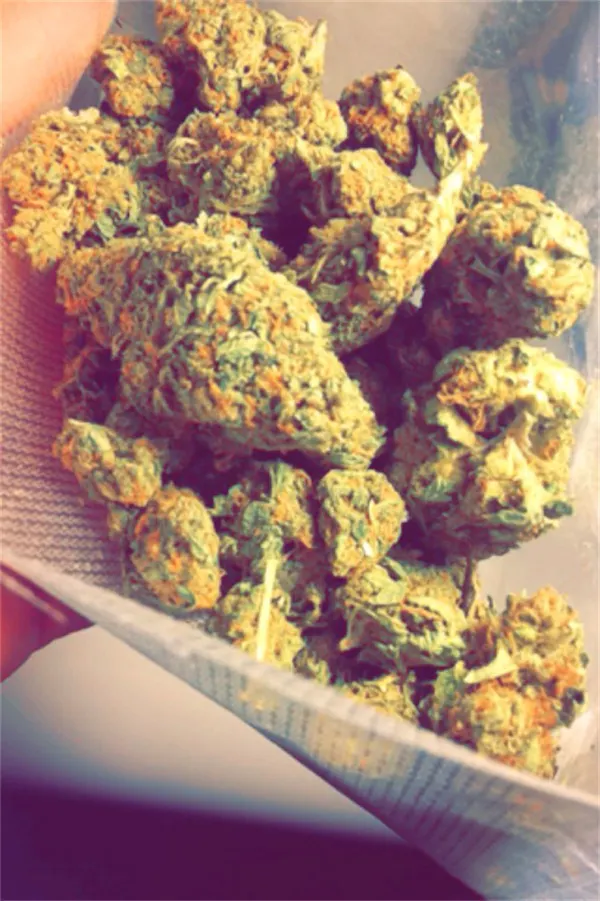
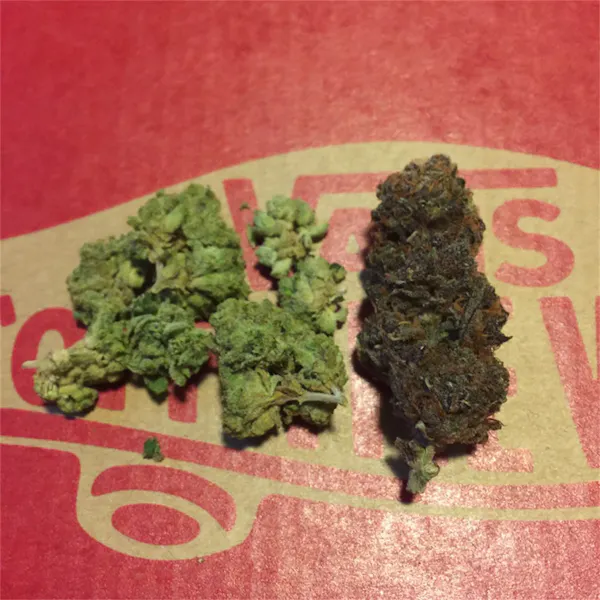
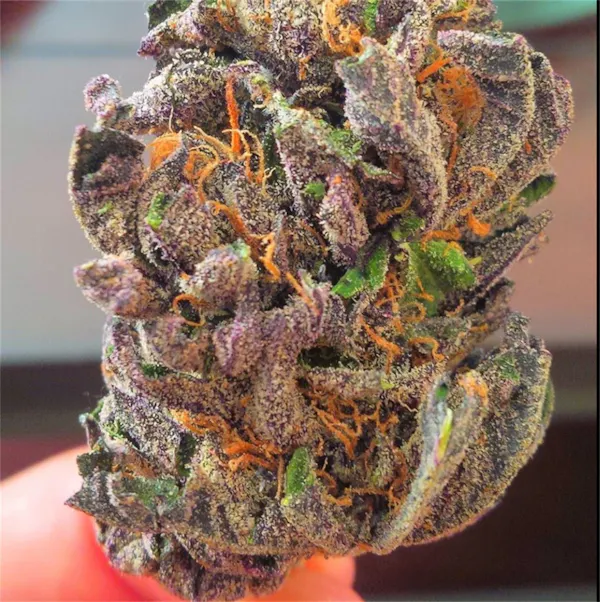
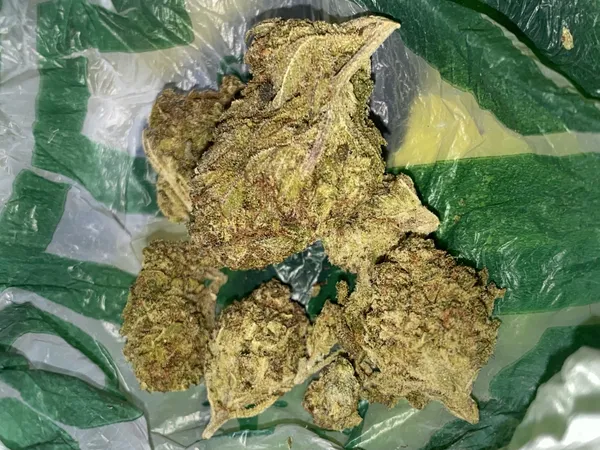
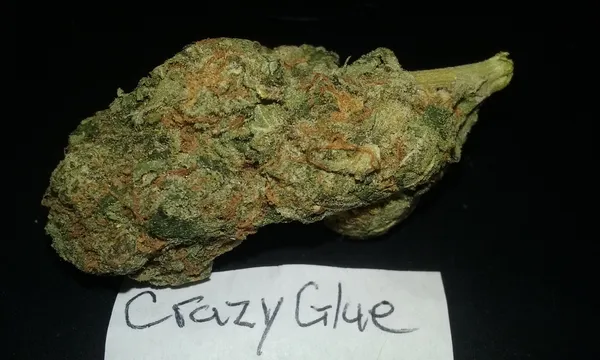
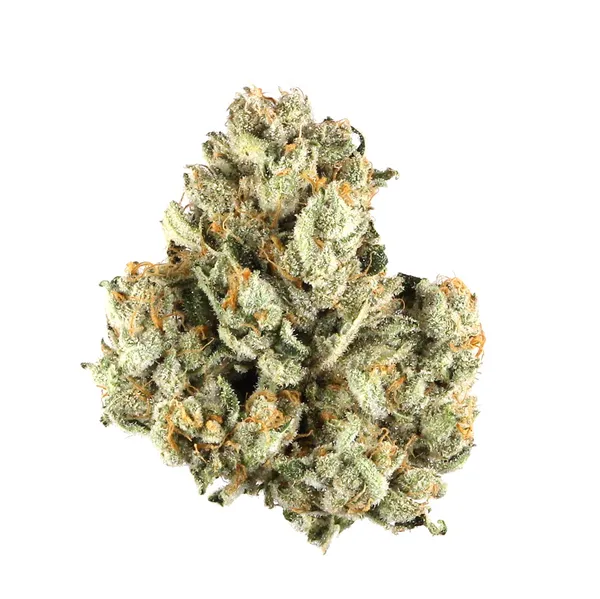
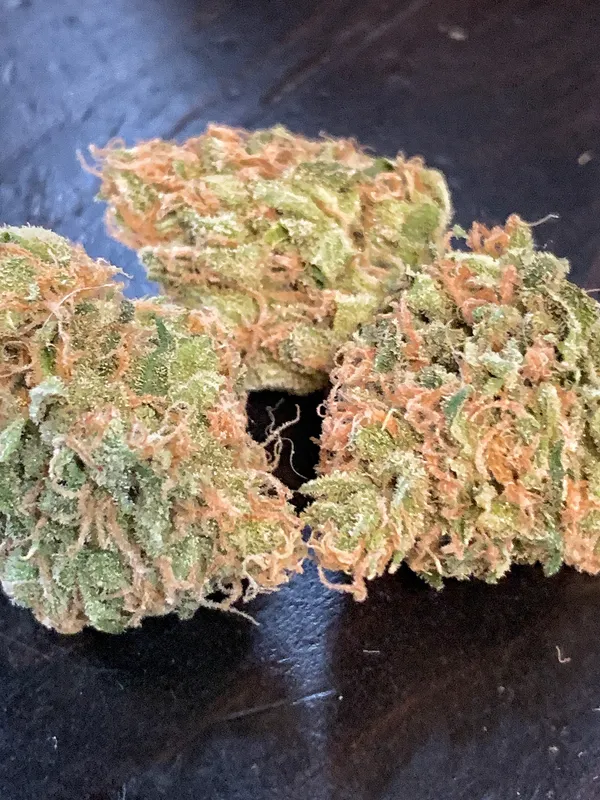
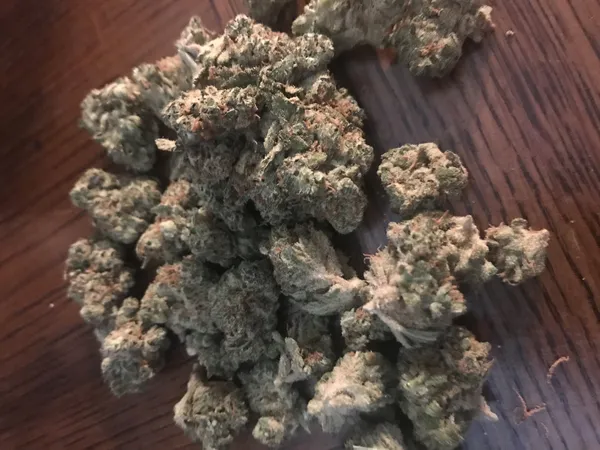
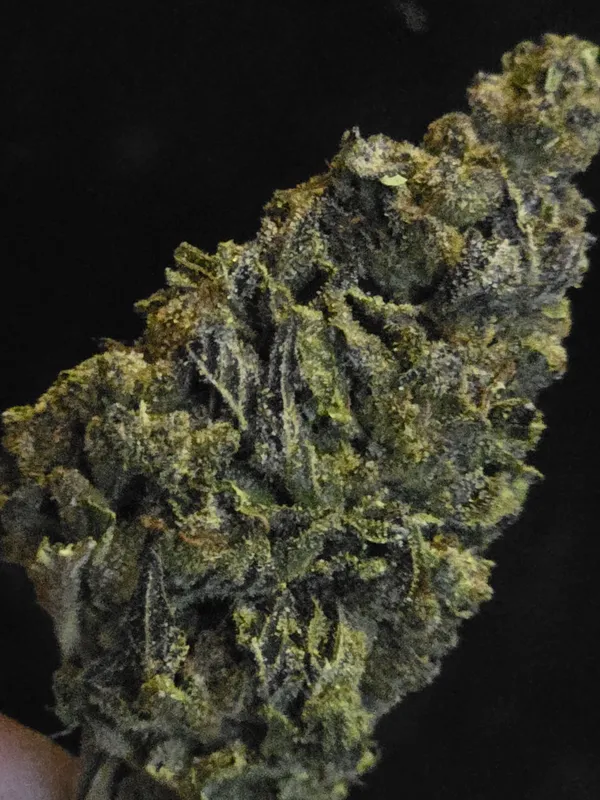
Browse the most searched strains in the Haze family below, with a search link for the rest. The list is generated from our records, so it updates on its own.
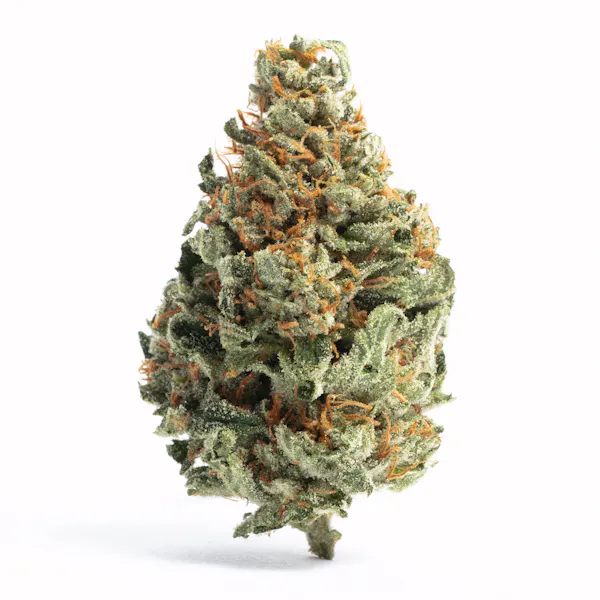
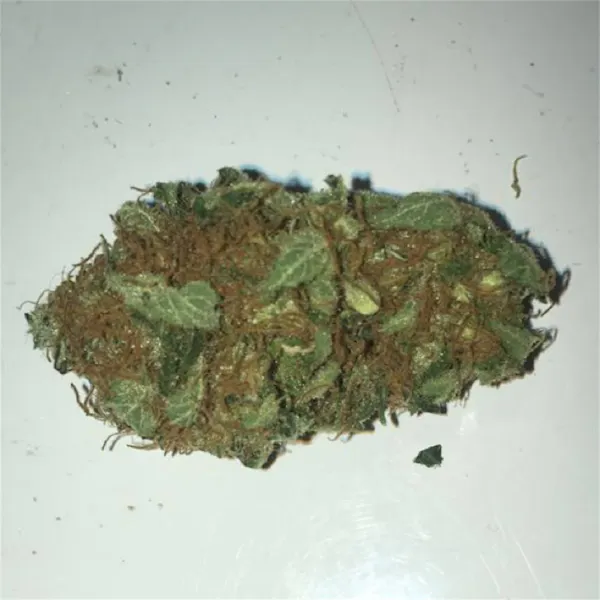
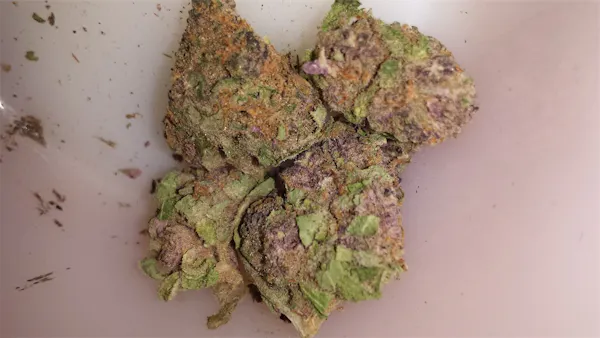
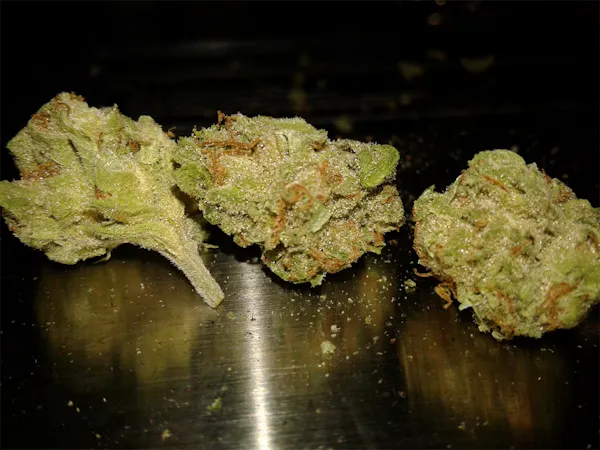
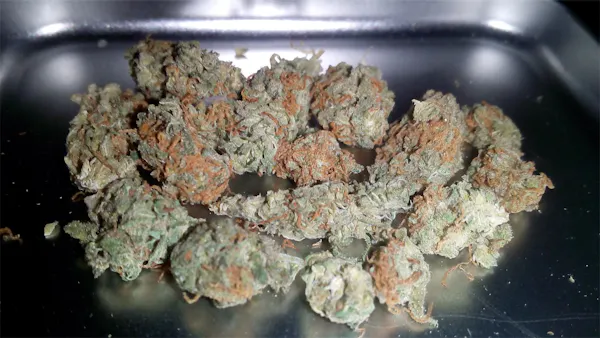
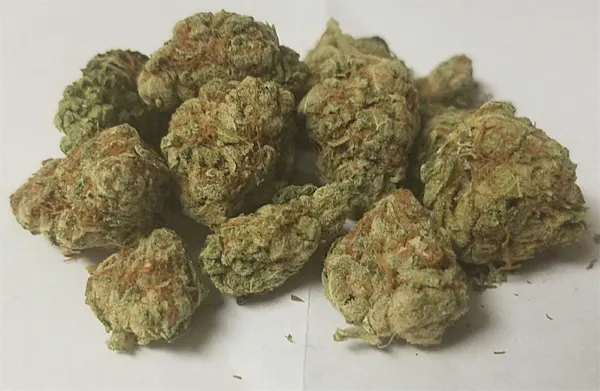
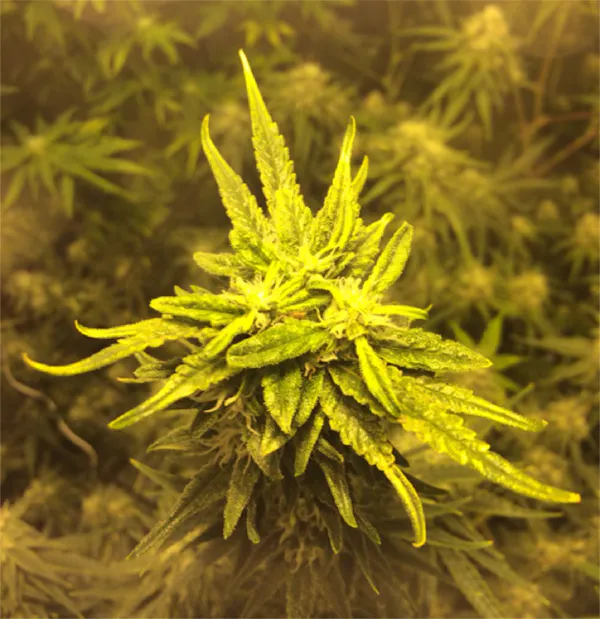

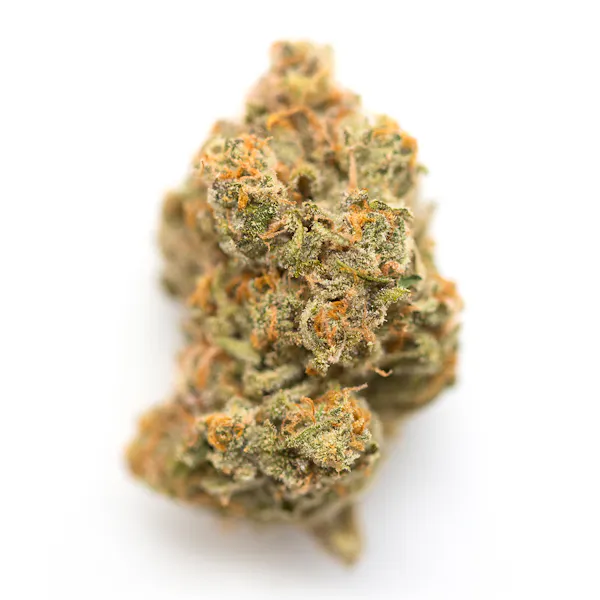
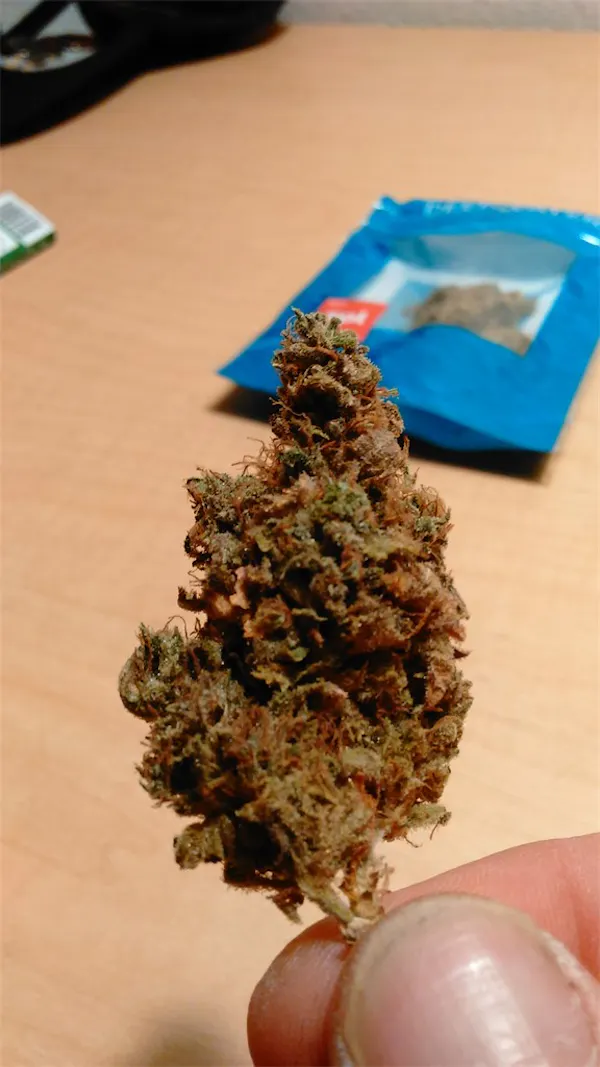
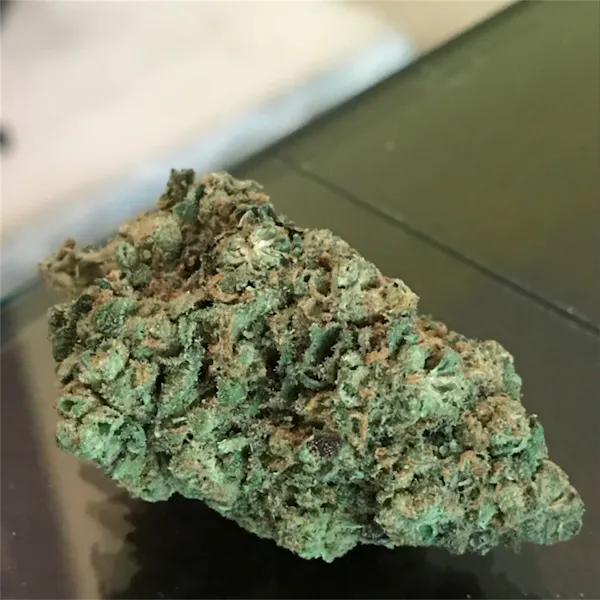
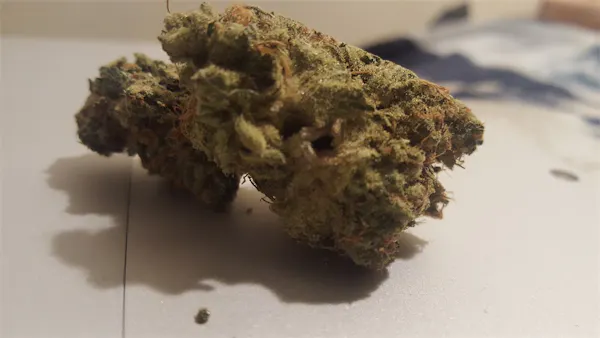
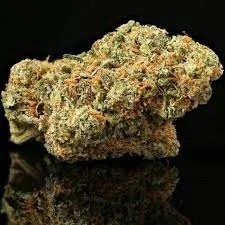
A name tells you about reported lineage. The lab results on the package tell you what is in the jar.
Sources: leafly.com, leafly.com, leafly.com, canada.ca, laws-lois.justice.gc.ca