Purple Haze strain guide
Purple Haze is a sativa-leaning strain usually described as a cross of Purple Thai and Haze. It's one of the oldest names you'll still see around, partly thanks to the famous 1967 song that shares its name. People know it for a sweet berry and earthy smell and a creative, upbeat feel.
Where does Purple Haze come from?
The cross most often given for Purple Haze is Purple Thai and Haze. Haze is a classic sativa line known for long, energetic highs, and Purple Thai brings the purple colour some buds show.
Who first bred it is not well documented. The name is tied to the Jimi Hendrix song from 1967, which made the phrase famous long before strain names were tracked. Because it has been around so long, different growers may be working with different plants under the same name.
What does Purple Haze smell and taste like?
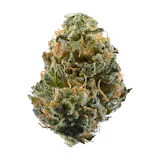
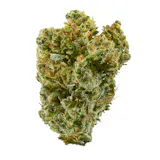
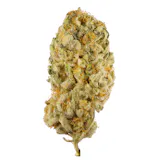
Purple Haze usually smells sweet and fruity, with berry and grape notes over an earthy, slightly spicy base. Some people also pick up floral hints, closer to lavender or violet.
Myrcene often leads its reported terpenes, followed by caryophyllene and limonene. Myrcene brings the earthy side, caryophyllene a peppery bite and limonene a touch of brightness. The taste tends to follow the smell: sweet berry up front with a spicy, herbal finish.
Purple Haze effects: what people report
People most often describe Purple Haze as creative, euphoric and upbeat, with a quick lift in the head and a light, warm feeling in the body. Many say it feels energizing and social rather than heavy, which is why it gets talked about as a daytime strain.
These are experiences people report, not promises. How it feels depends on the product, how much you have and your own tolerance. Dry mouth and dry eyes are the most common complaints, and some people mention dizziness or feeling paranoid at higher amounts.
How strong is Purple Haze?
Purple Haze sits in the middle for THC by today's standards. Listings usually put it around 14% to 19% THC with very little CBD, though some batches are listed higher.
If you're new to it, start with a small amount and give it time before having more. The THC and CBD numbers for your batch are printed on the label, and they matter more than the strain name.
Buying Purple Haze in Canada
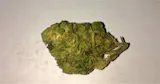
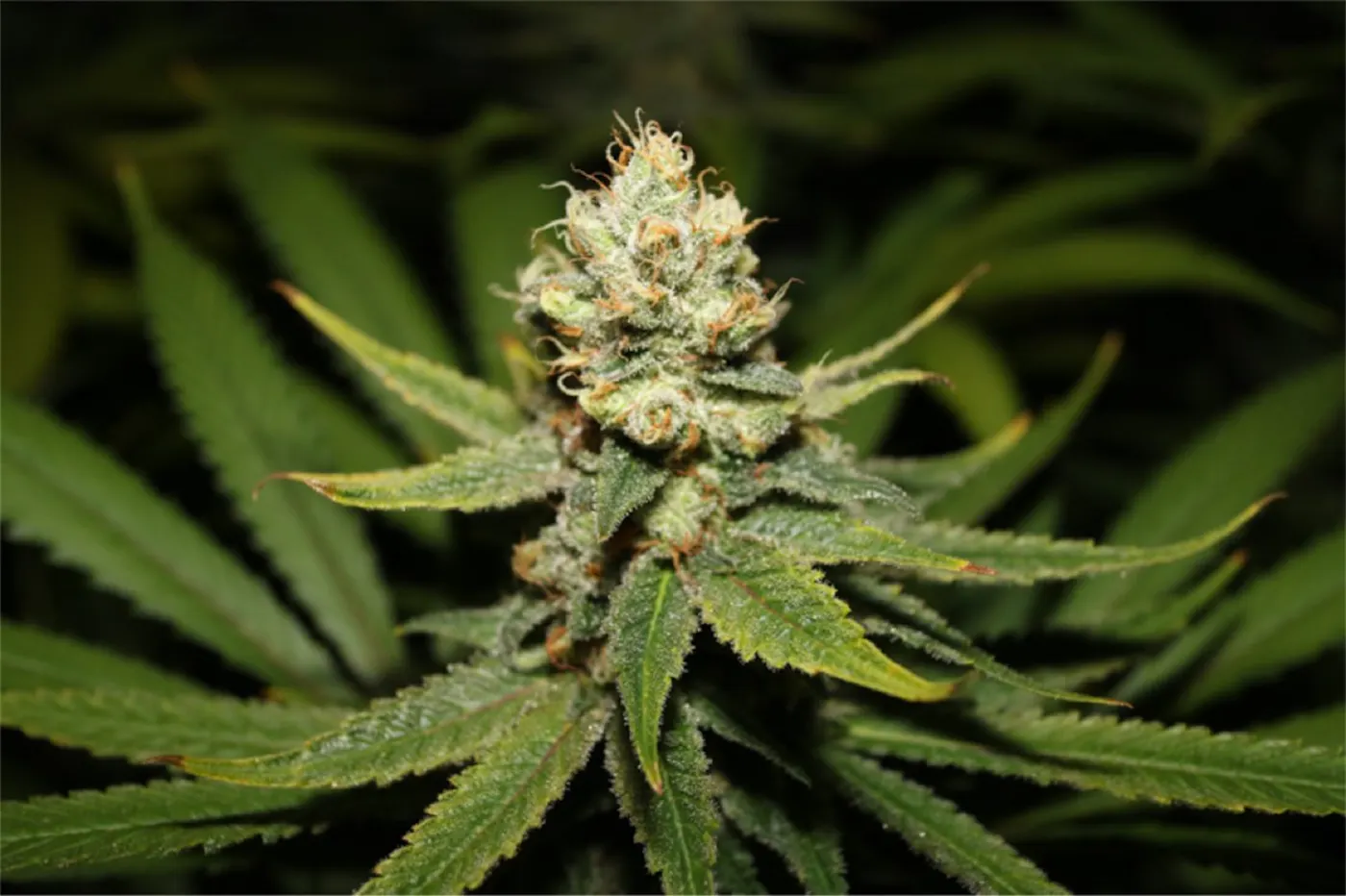
Because Purple Haze is such an old and famous name, the plant behind the label can vary a lot between producers. Don't count on purple buds either, since colour depends on the cut and how it was grown.
You might find it as dried flower, pre-rolls or vape cartridges. Check the THC and CBD numbers and the packaging date on the label, since fresher flower keeps more of that berry smell.
Purple Haze vs Haze
Haze is one of Purple Haze's parents, so the two share that bright, energetic reputation. The difference is mostly in the jar. Haze leans spicy, earthy and a little citrus, while Purple Haze adds sweet berry and grape notes on top. Both are described as upbeat and creative, though Purple Haze is often called a little softer and more relaxed in the body. If you want the classic sativa experience, try Haze. If you'd like some fruit in the smell, start with Purple Haze.
Strains like Purple Haze
If you like Purple Haze, these are the closest matches:
- Haze: its parent, with the same energetic reputation and a spicier smell.
- Super Silver Haze: another well-known Haze descendant, upbeat and a bit more citrus.
- Lemon Haze: keeps the lively Haze feel, with lemon in place of berry.
- Jack Herer: a classic sativa-leaning strain with Haze in its family tree.