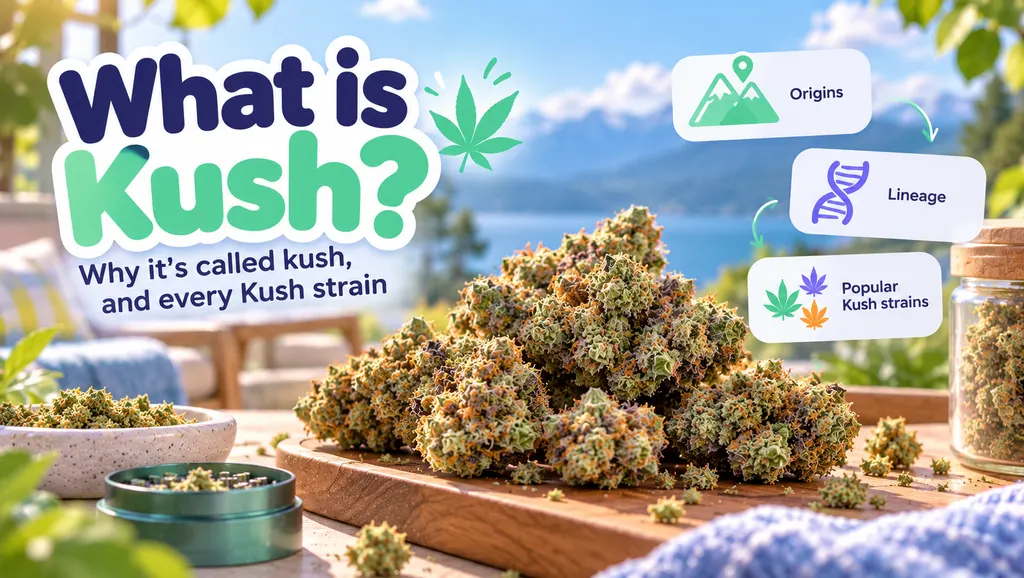
It's called kush because the original plants came from the Hindu Kush mountains, a range that runs through Afghanistan and Pakistan. Over the decades the name left the mountains and became both a family of strains and a slang word for weed itself. Here's where it all comes from, what Kush strains tend to smell like, and the full list of Kush strains in our database.
Why is it called kush?
The name comes from the Hindu Kush, a mountain range of roughly 800 km that stretches across eastern Afghanistan and northern Pakistan. Cannabis has grown there for a very long time, and the plants adapted to a harsh, dry, high-altitude climate. Growers and travellers called these plants "Kush" after the region.
Plants like these are called landraces: varieties that developed in one place over many generations without deliberate breeding. Landrace Kush plants are generally described as short, broad-leafed and resinous, which is why they sit in the indica camp. If you've ever wondered about that label, our guide to indica vs sativa explains how much it really tells you.
How did Kush reach North America?
The commonly told history runs through the 1970s. Travellers on the overland route through Afghanistan and Pakistan, often called the hippie trail, brought back hashish and seeds. Those seeds were grown in North America, mostly on the west coast of the United States, and the plants were crossed and re-crossed over the following decades.
That story is widely repeated, but it's an oral history rather than a documented record, and exact dates and names vary from one account to the next. What's solid is the end result: Hindu Kush genetics became one of the foundations of modern indoor strains.
Hash is part of the picture too. The region has a long tradition of hand-made resin, and hash is often how people first met these plants. If that interests you, read what hash is.
What does kush mean in slang?
In everyday slang, "kush" just means good weed. People say it about flower that has no connection to the Hindu Kush at all, the same way "dank" or "loud" gets used. A budtender or a friend saying "that's some kush" is usually describing quality, not a specific family.
That's why it helps to separate the two meanings. A strain with Kush in its name is normally one with Kush ancestry, though names are not regulated and breeders sometimes borrow the word because it sells. For more terms like this one, see our weed slang glossary.
Kush strains at a glance
The summary below is computed live from the strain records on WeedDB, so it always matches the catalogue. It counts every strain whose name carries Kush, with its type split and typical THC.
- Kush strains
- 278
- Indica-leaning
- 166
- Hybrid
- 80
- Sativa-leaning
- 29
- Typical THC
- 22%
What is OG Kush?
OG Kush is the best-known strain with the name, and its origin is disputed. The most common account says it appeared in Florida in the early 1990s and was then carried to California, where it spread. Some versions credit a cross between Chemdawg and a Hindu Kush plant; others add a third parent or tell a different story entirely. Nobody has produced a clear paper trail, so treat any single origin story as one version.
The "OG" itself has competing explanations too. You'll see "Ocean Grown" and "Original Gangster" most often. Both are folklore.
What isn't in dispute is its influence. OG Kush became a parent to a huge number of later strains. Girl Scout Cookies is widely reported as an OG Kush cross with Durban Poison, and Girl Scout Cookies in turn sits behind Gelato and Runtz. Skywalker OG, SFV OG and Ghost OG are other OG-line names you'll see on menus. Their exact parentage is reported, not lab-verified, so check the label.
What do Kush strains look and smell like?
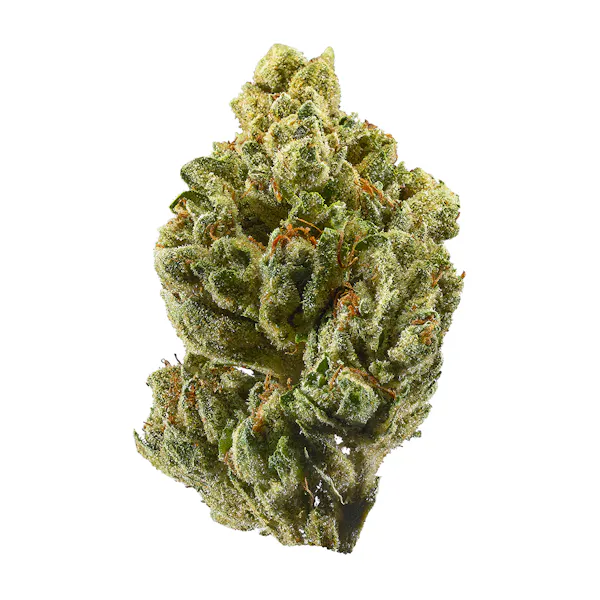
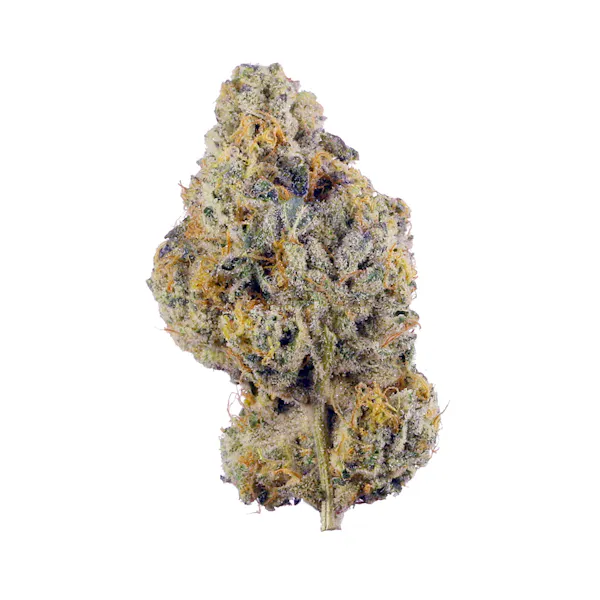
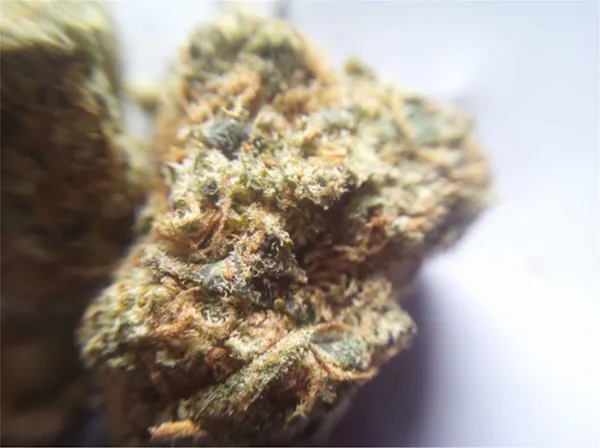
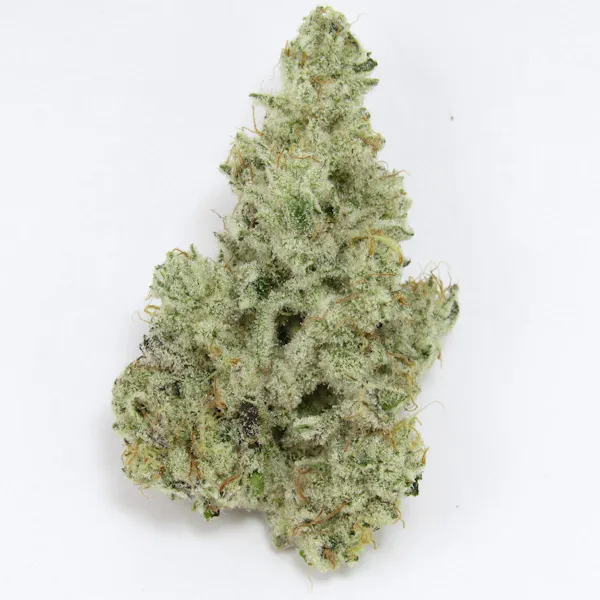
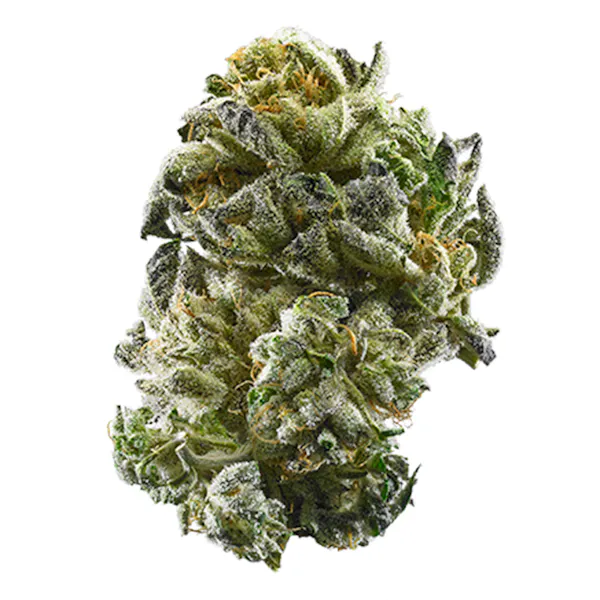
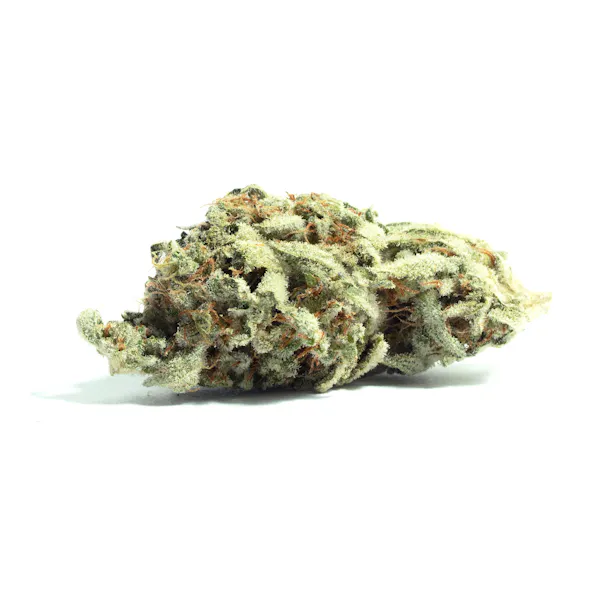
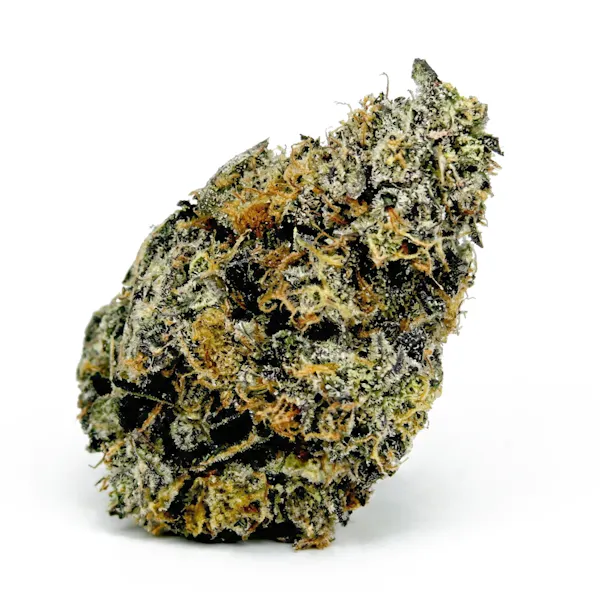
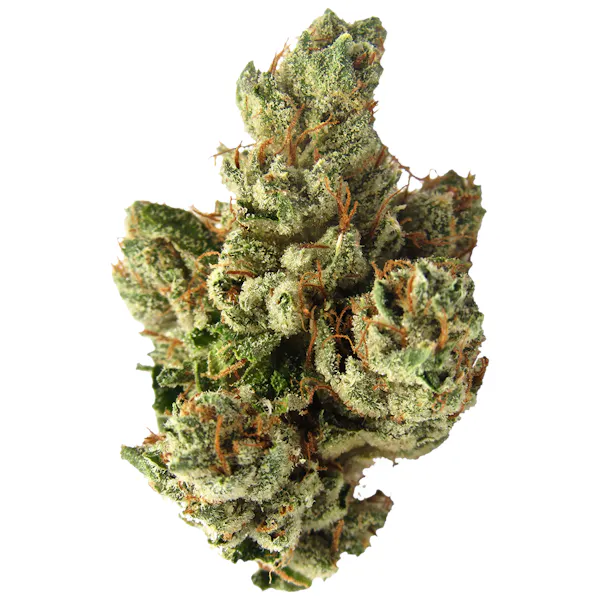
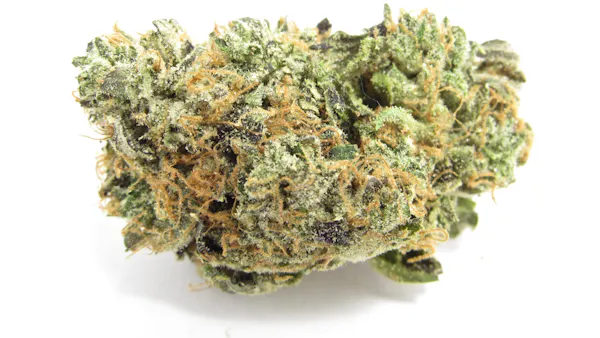
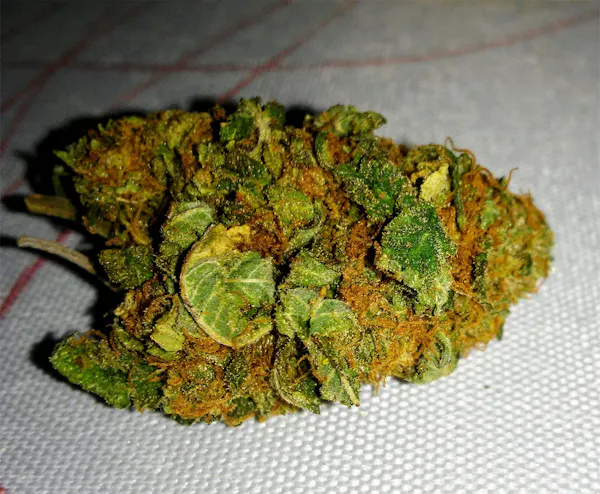
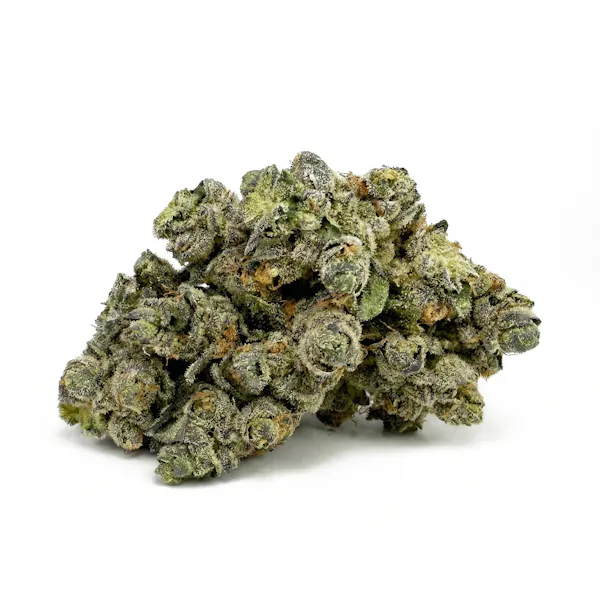
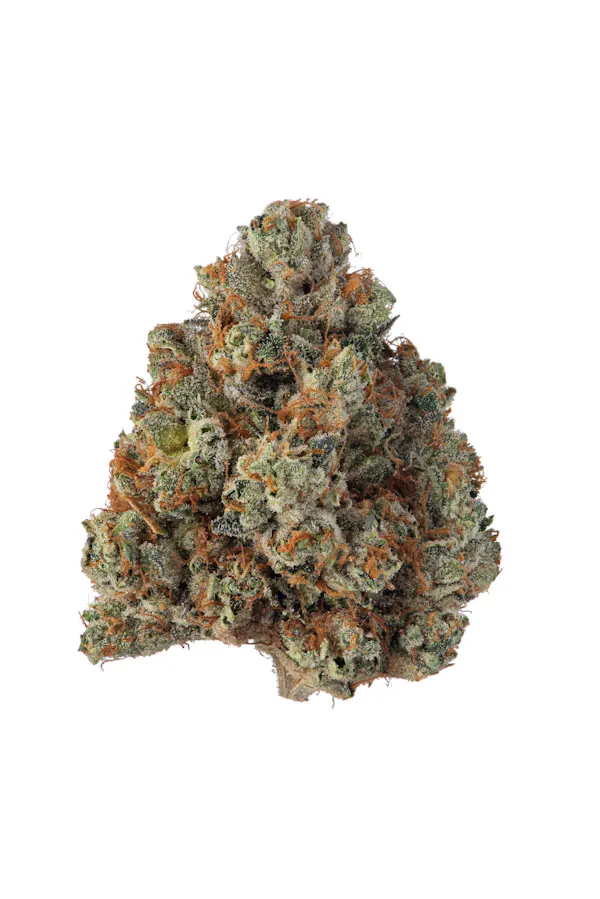
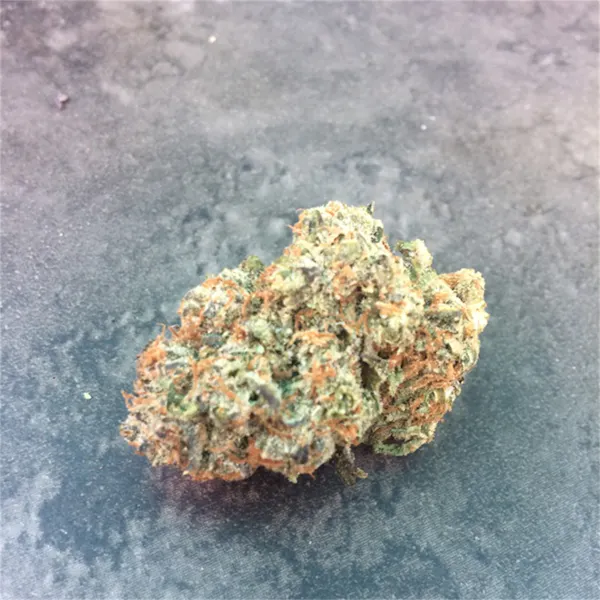
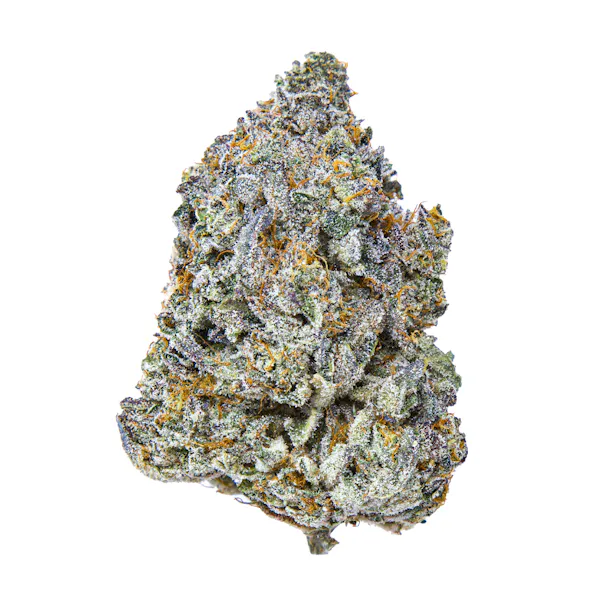
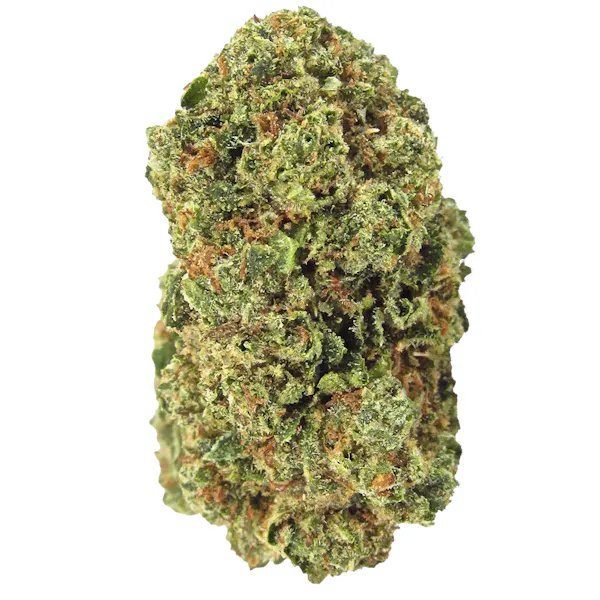
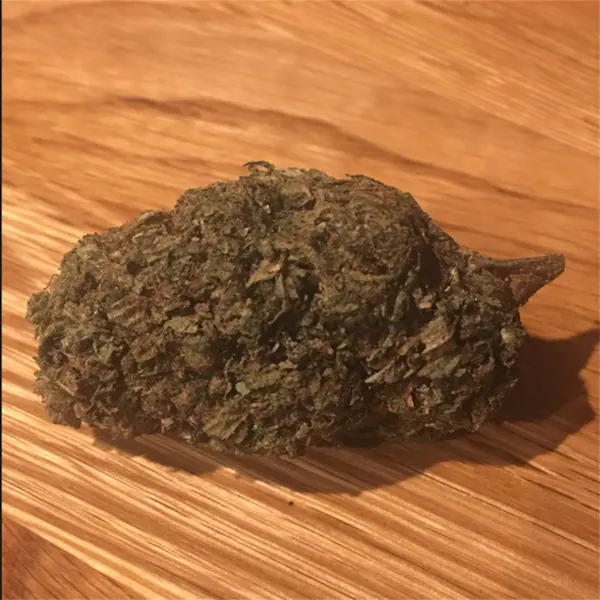
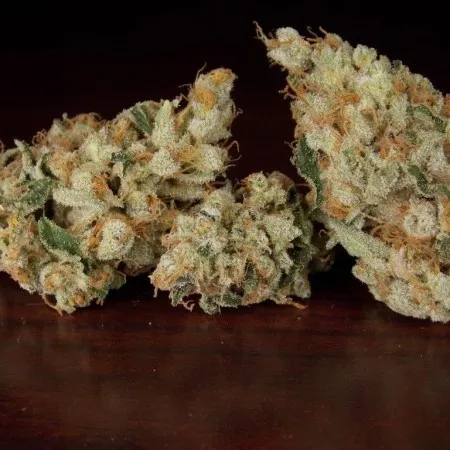
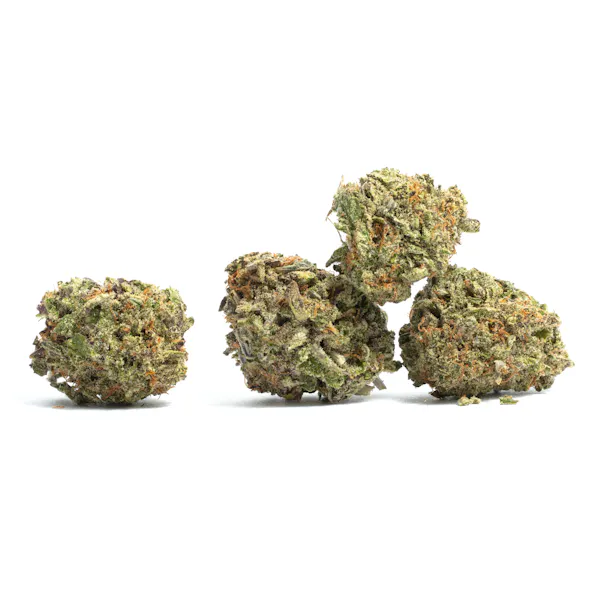
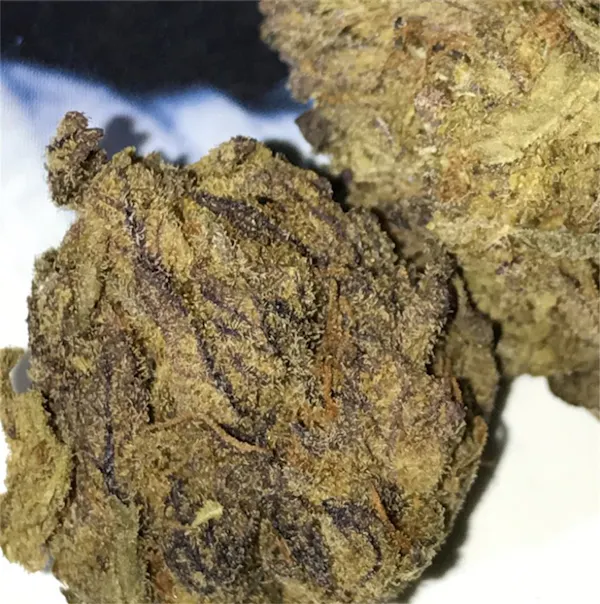
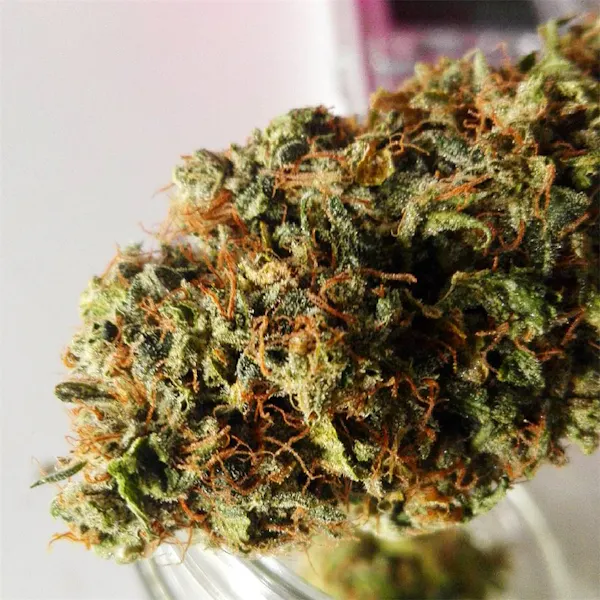
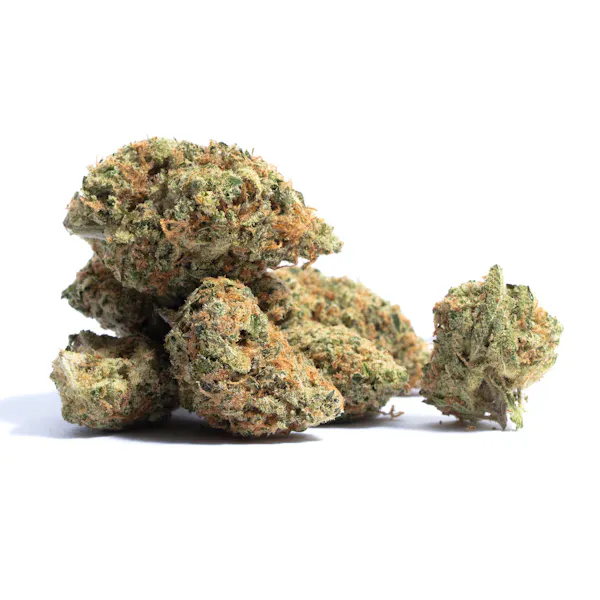
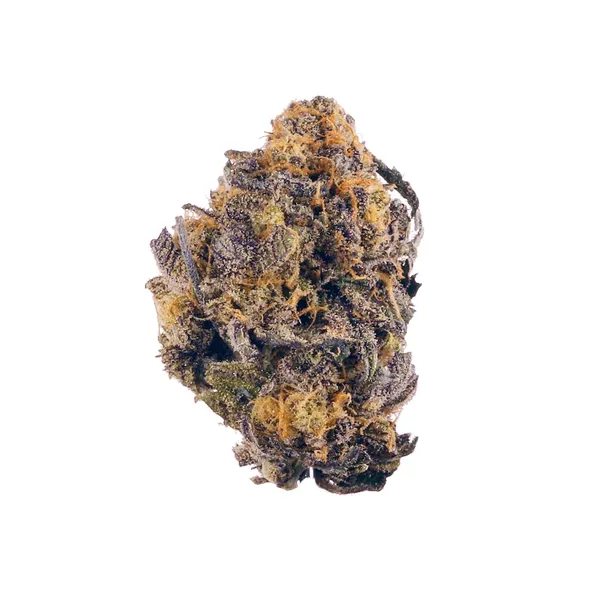
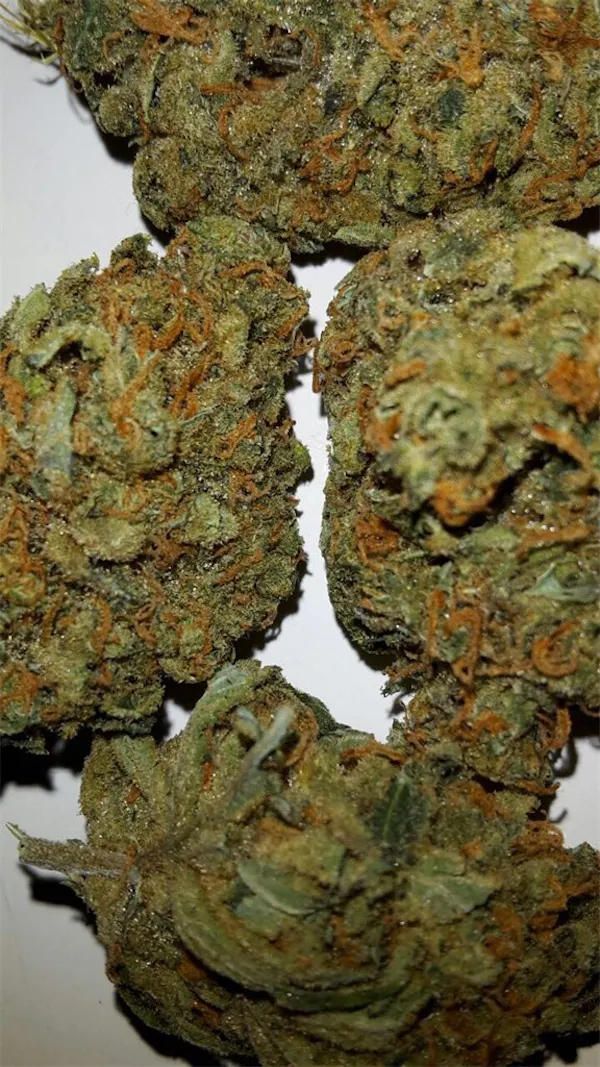
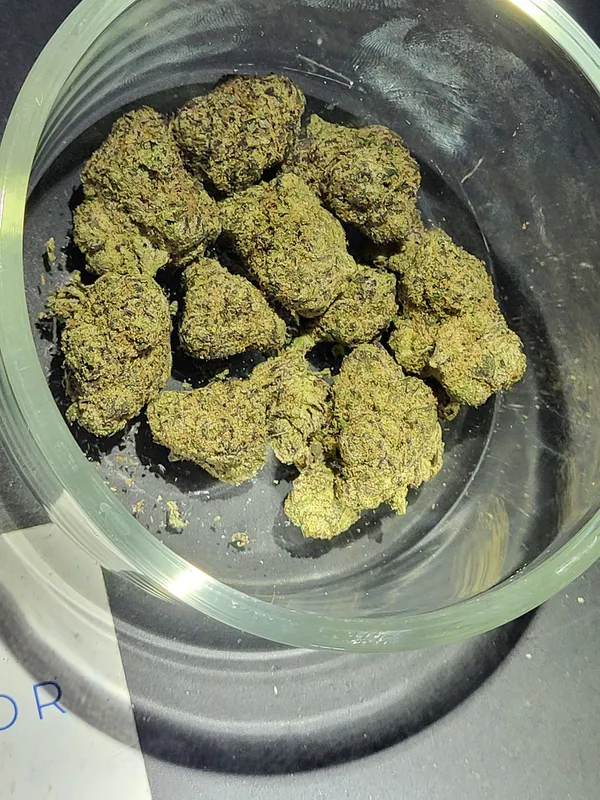
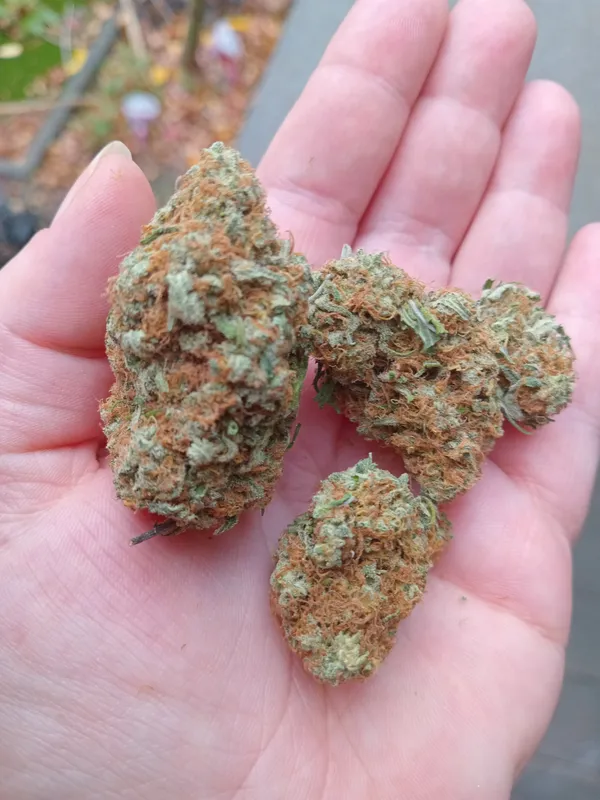
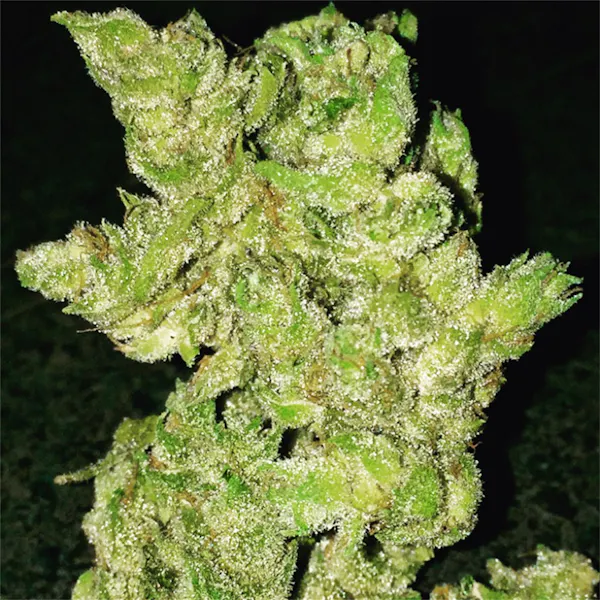
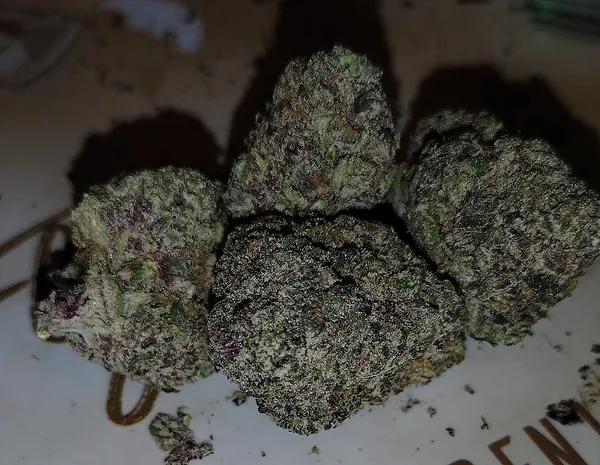
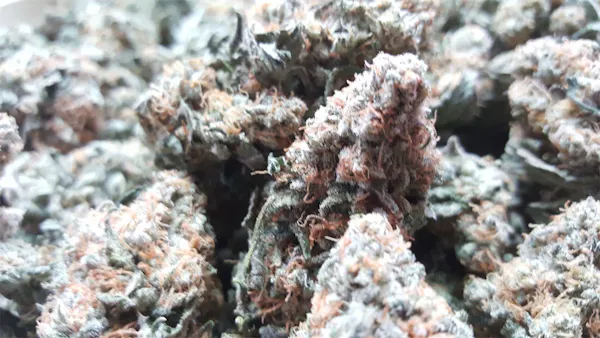
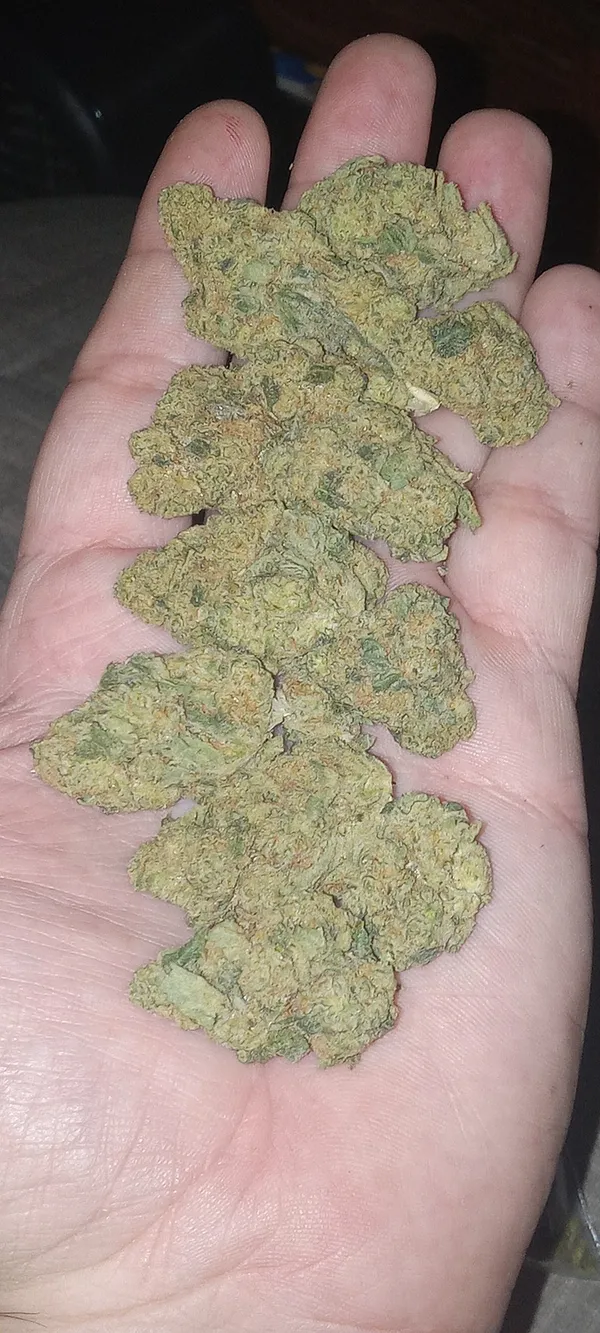
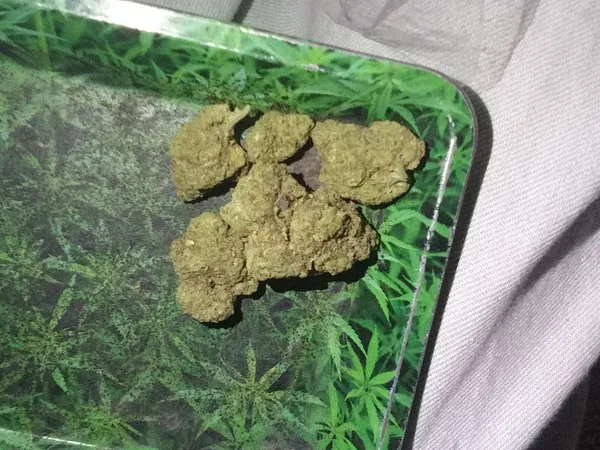
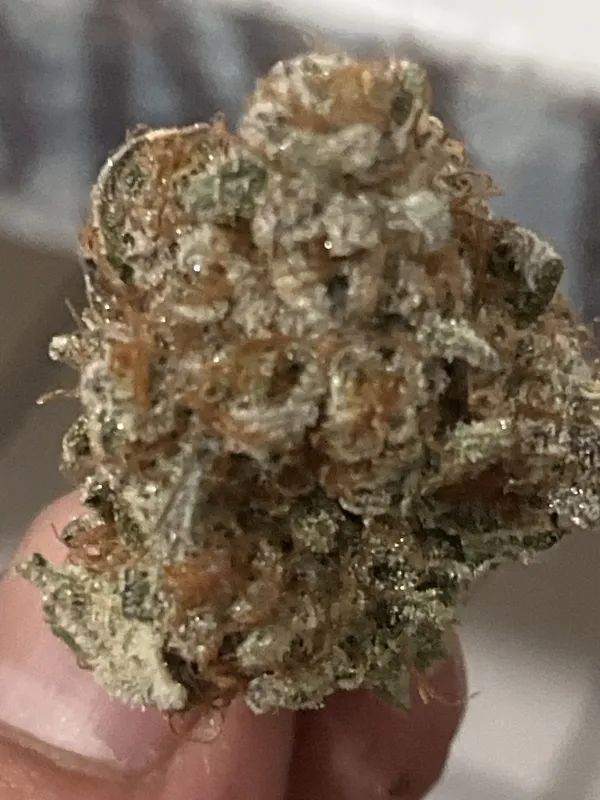
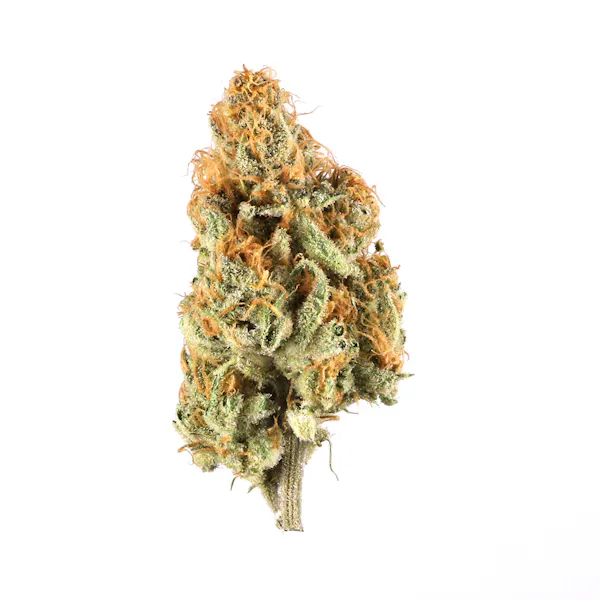
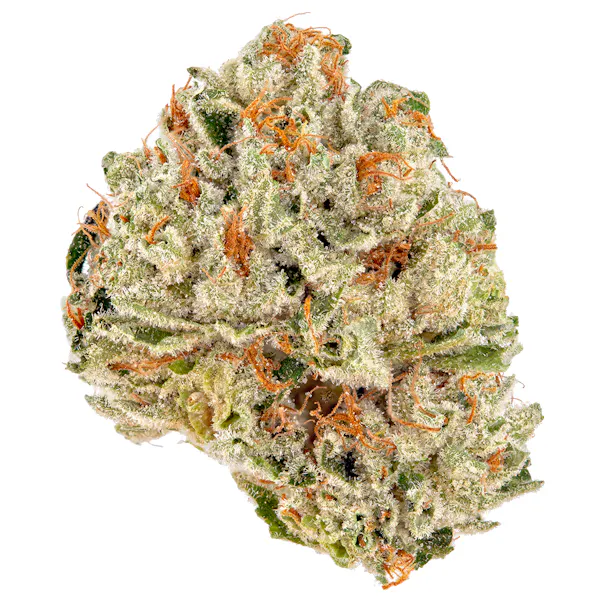
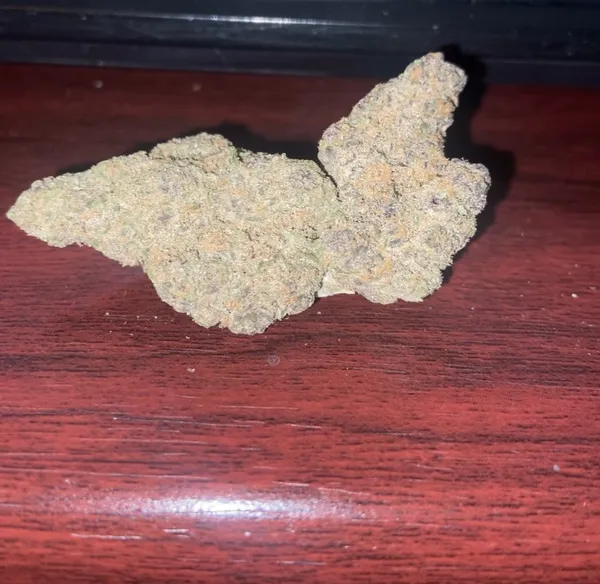
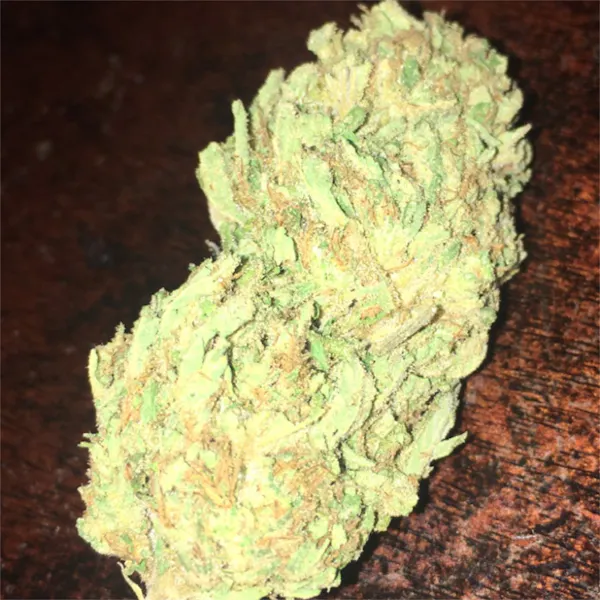
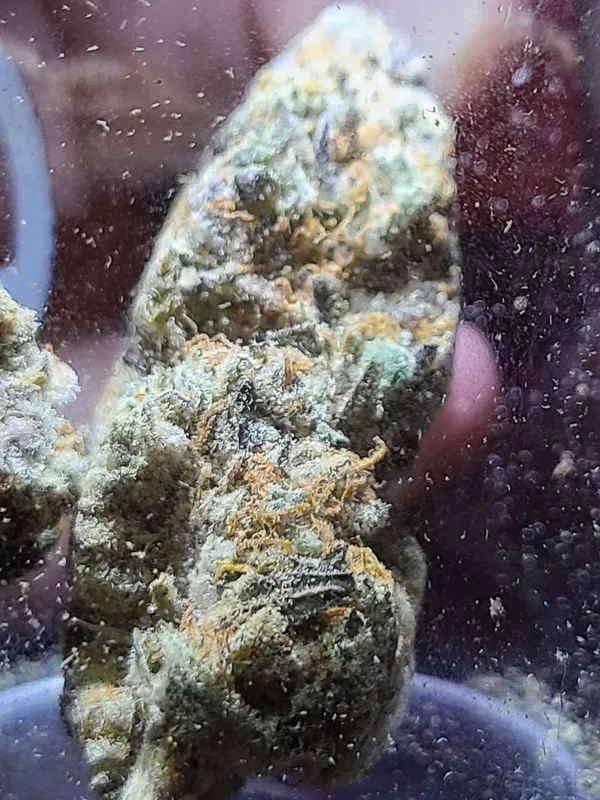
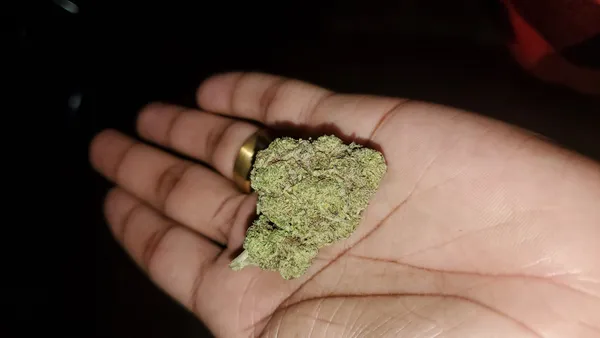
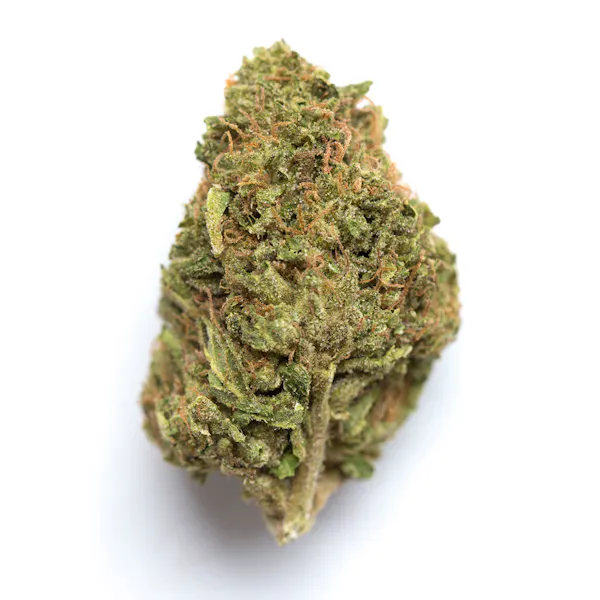
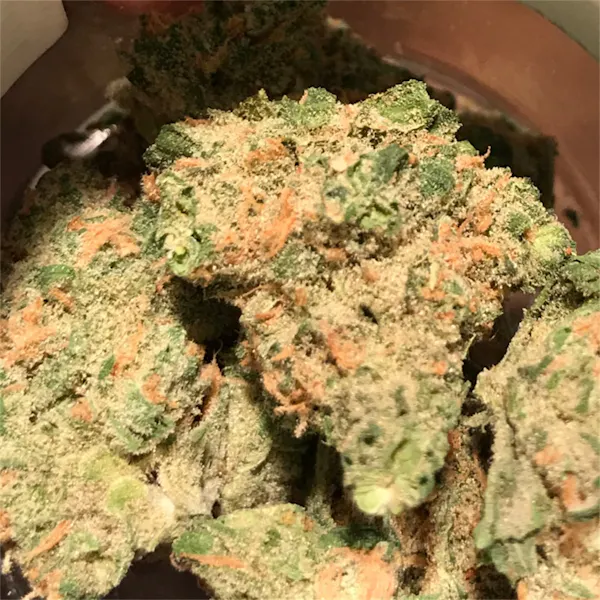
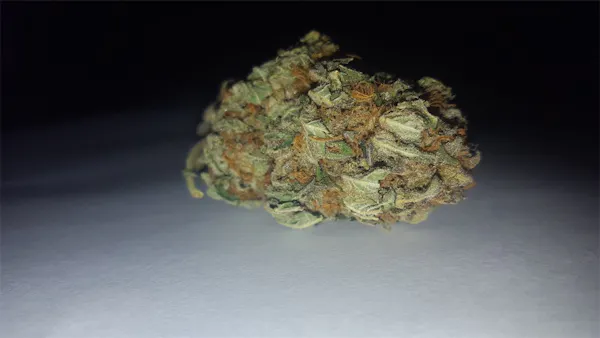
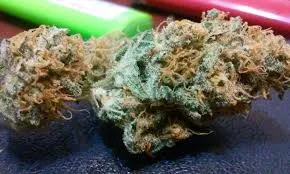
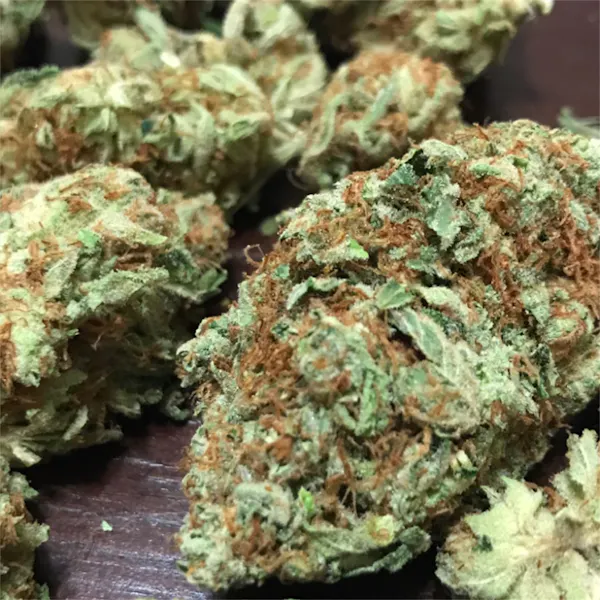
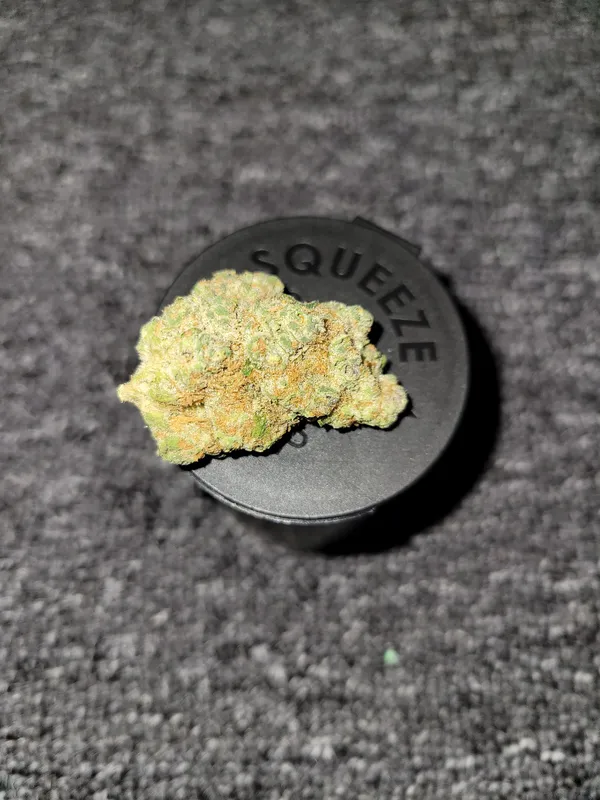
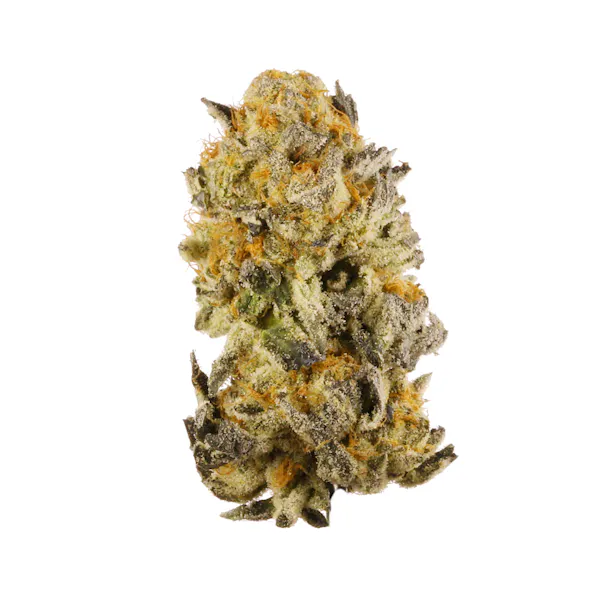
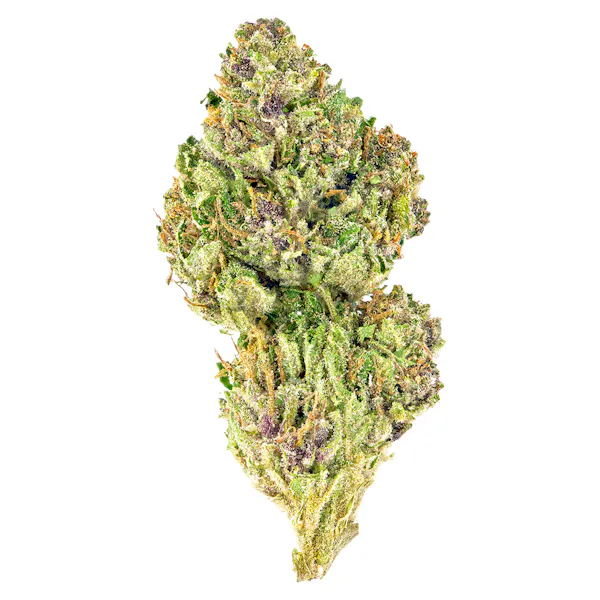
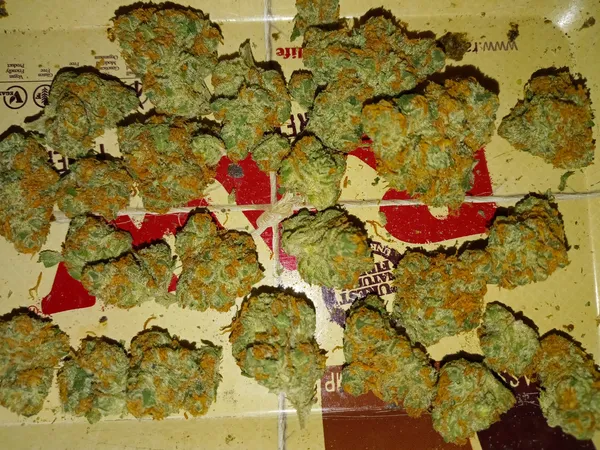
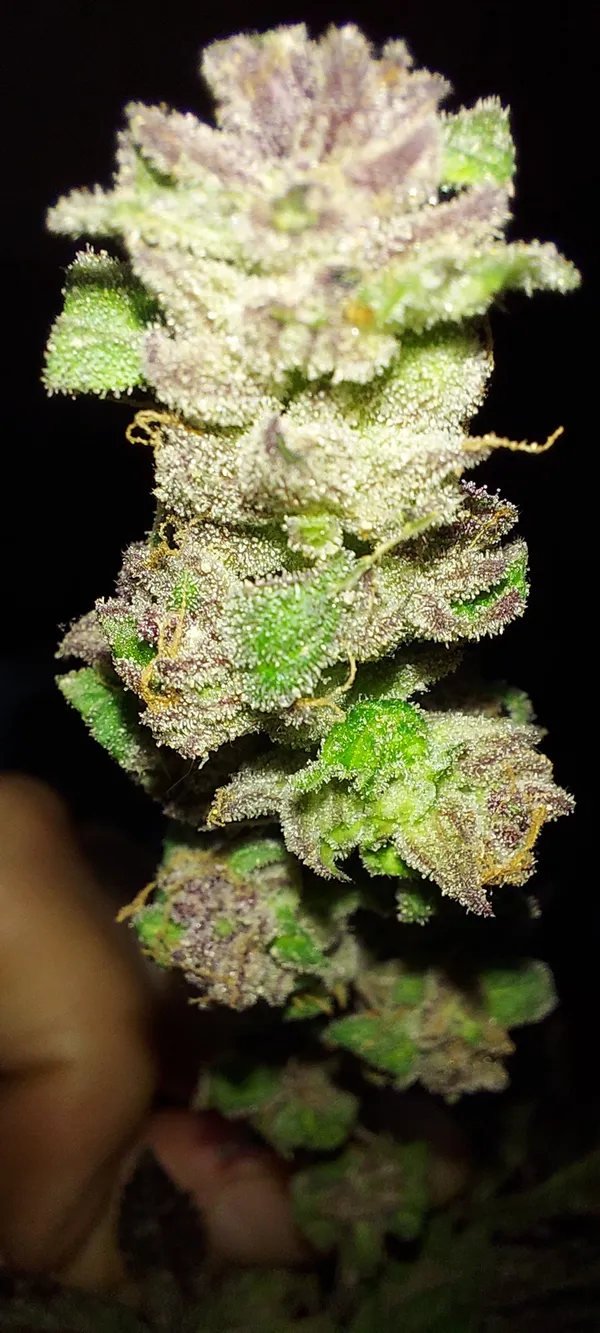
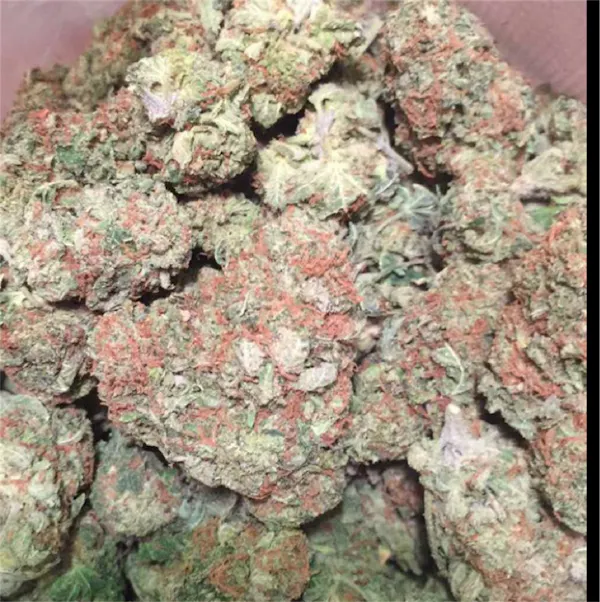
Kush flower is typically dense, with chunky buds and a heavy coating of resin. Colours run from deep green to purple depending on the cut and the grow, so appearance alone won't tell you much.
The aroma is the better clue. Kush strains are most often described as earthy, woody and pine-like, with a sharp fuel or diesel edge on OG-type cuts. In terpene terms, that often points to myrcene, caryophyllene and limonene near the top of the lab results, with pinene showing up in the more piney ones. Our guide to what weed smells like goes deeper on these notes.
The charts below are computed from our records, not typed in. The first shows the spread of THC across Kush strains, and the second shows which terpene leads most often. Both are averages of reported lab values, so any single jar can land well outside them. Learn to read the numbers on a package in our guide to cannabis labels.
THC ranges for the most searched Kush strains
- OG Kush19–26%
- Wedding Cake20–25%
- Skywalker OG20–30%
- Cap Junky26–33%
- Girl Scout Cookies18–28%
- Kush Mints26–30%
- Gush Mints21–30%
- SFV OG17–26%
- Blue Zushi20–26%
- Hindu Kush19–32%
- Dulce de Uva21–25%
- Khalifa Kush21–27%
Which terpene leads in Kush strains
Famous Kush strains and their lineage
Plenty of Kush names exist, but lineage is only worth repeating when it's been written down by the breeder or reported consistently. The table keeps to the widely reported ones, and nothing below is a guarantee about what's in a particular package.
Hindu Kush is the closest thing on the list to the original, named for the mountains. Master Kush is another name tied to Hindu Kush stock. Everything else on the page is a descendant, a cross or a name borrowed for the family feel.
| Strain | Lineage commonly reported | Note |
|---|---|---|
| Hindu Kush | Landrace from the Hindu Kush mountains | The namesake of the family |
| OG Kush | Disputed; often Chemdawg with Hindu Kush | Origin story varies by source |
| Girl Scout Cookies | OG Kush with Durban Poison | Parent of Gelato |
| Skywalker OG | Skywalker with OG Kush | Reported cross |
Is kush legal in Canada?
Kush is not a legal category, just a name. Any dried cannabis sold in Canada has to be bought from a provincially authorized retailer or a licensed federal source and follow the Cannabis Act, including its packaging and labelling rules. A strain called Kush has no special status under the law.
Adults can carry up to 30 g of dried cannabis in public, the same limit that applies to every other strain. See our guide to weed measurements for how that translates to grams and ounces.
Kush strains in our database
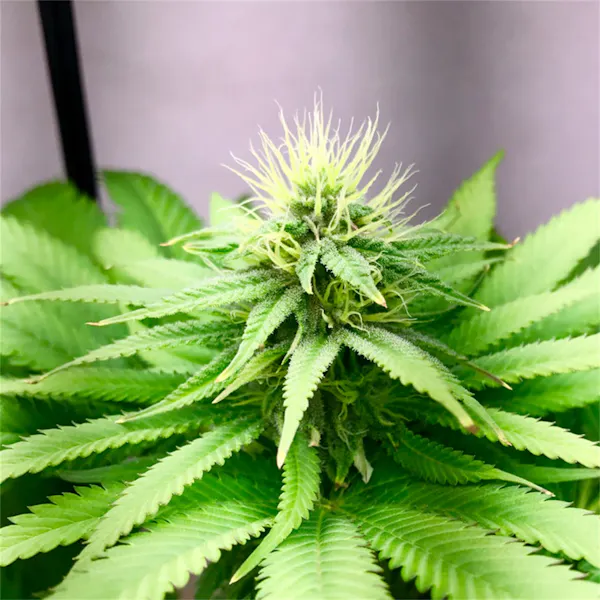
Browse the most searched strains with Kush in the name, or bred from a documented Kush parent, below, with a search link for the rest. The list is built from our records, so new strains appear on their own.
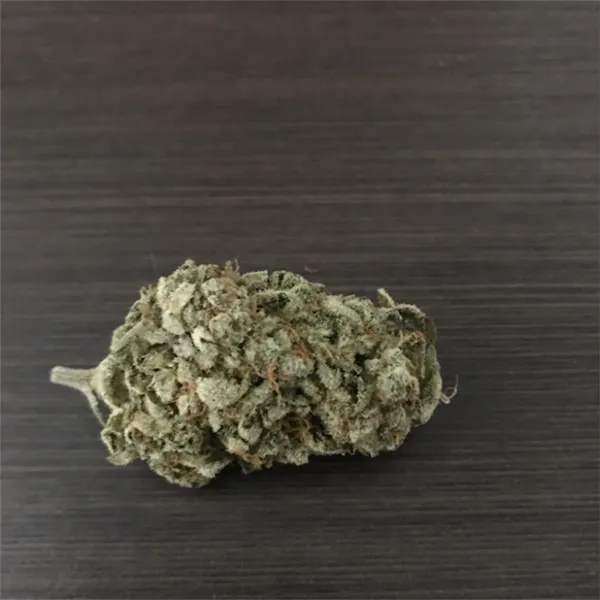
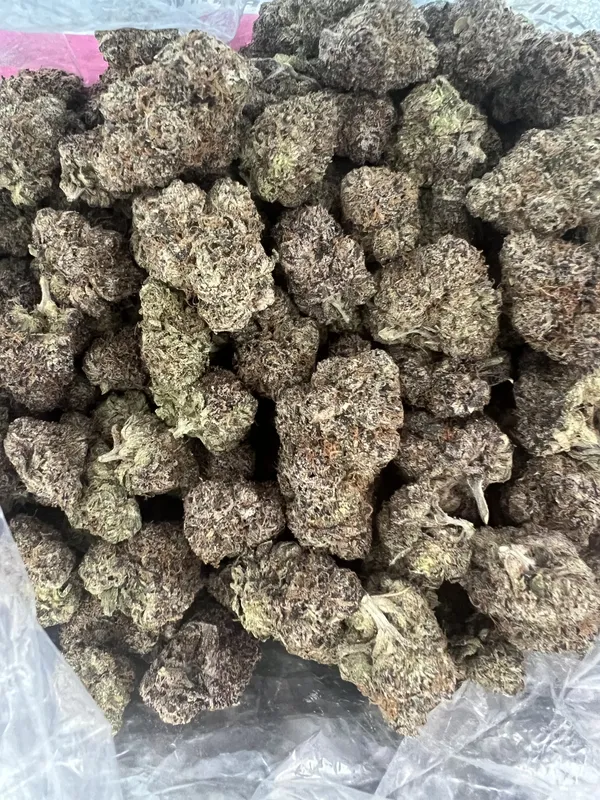
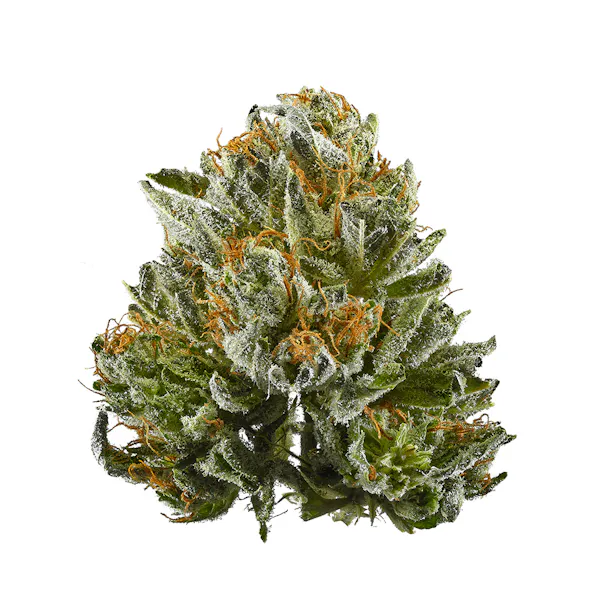
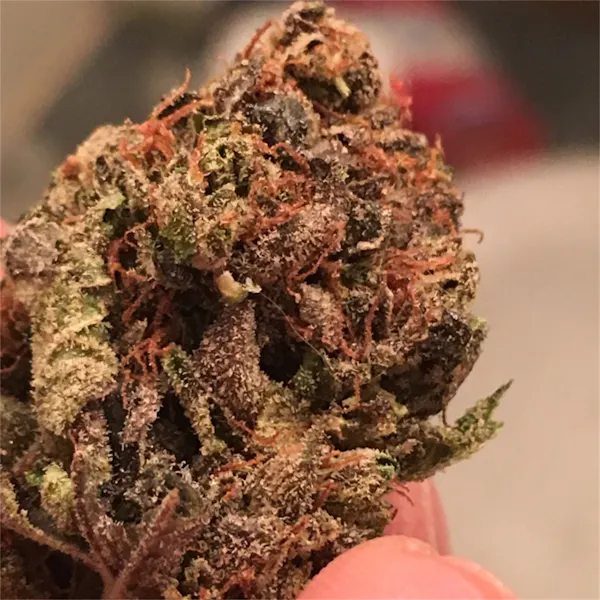
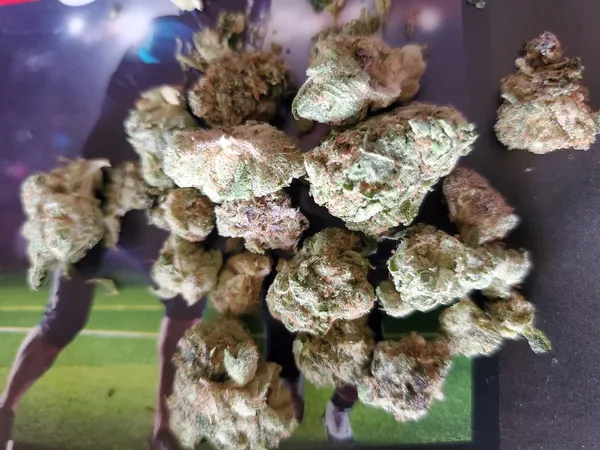
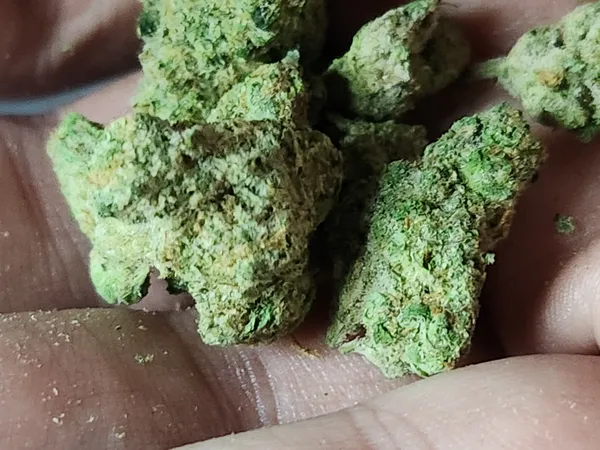
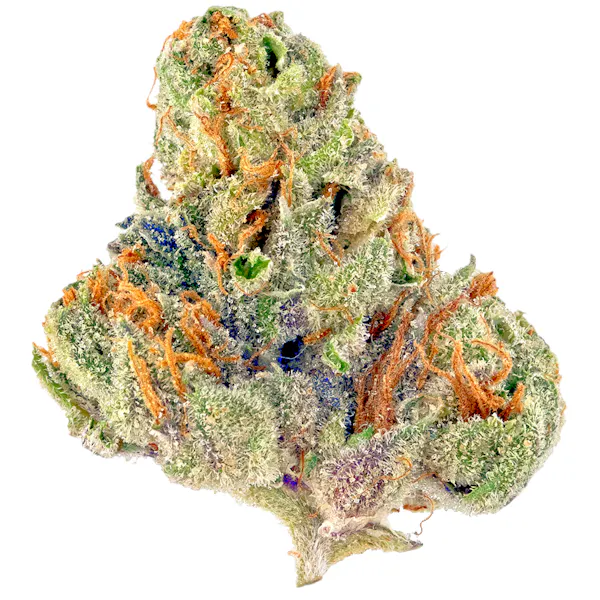
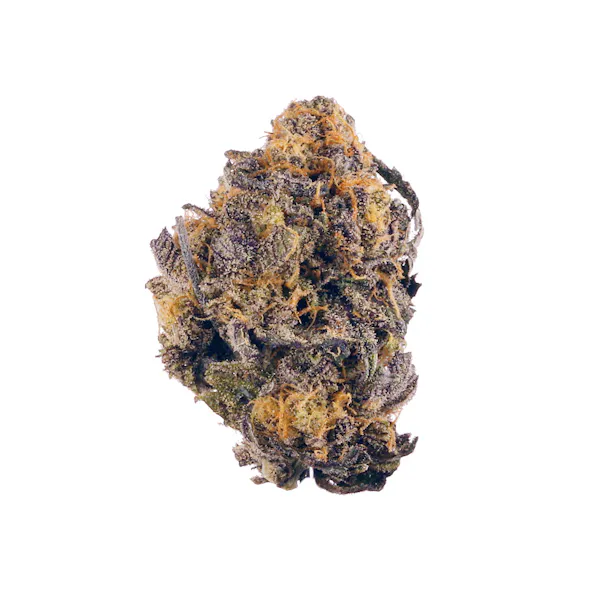
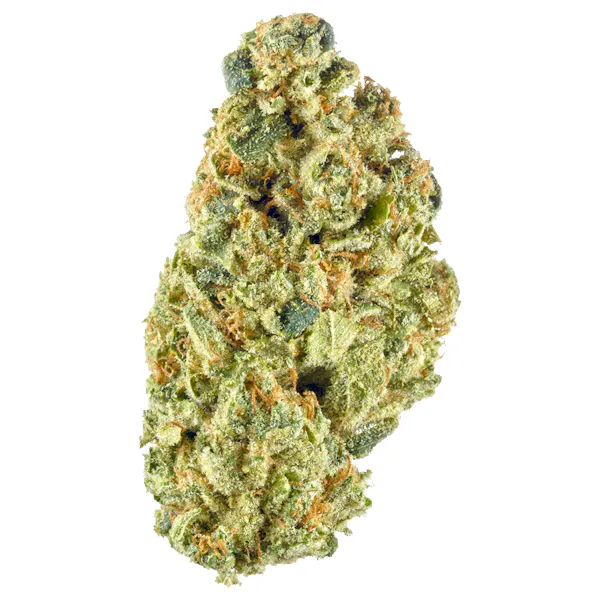
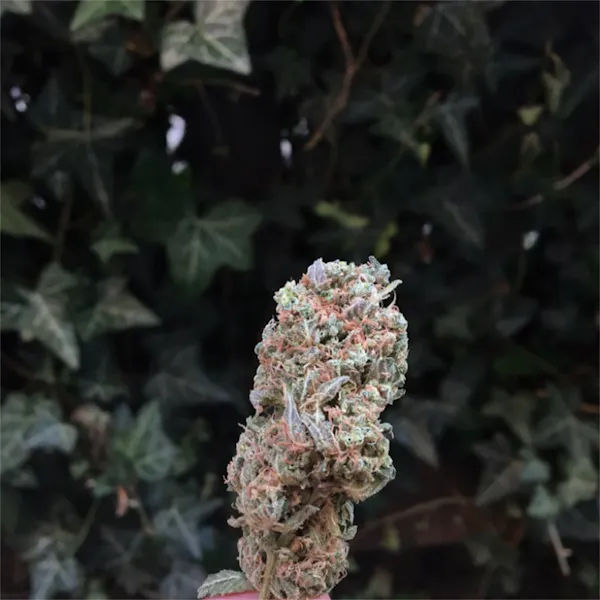
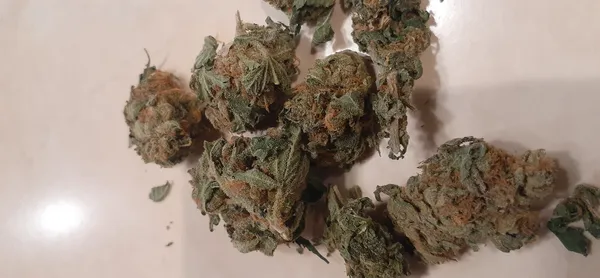
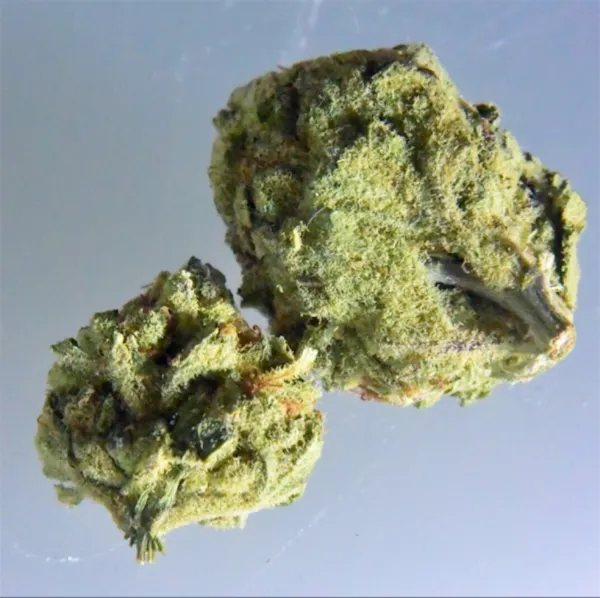
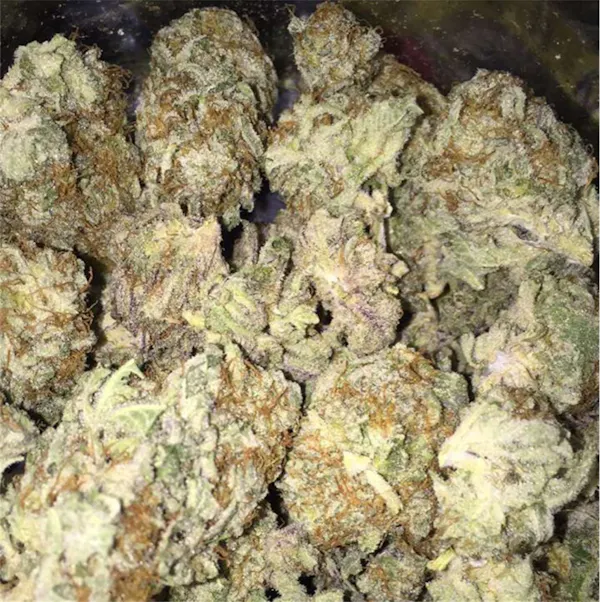
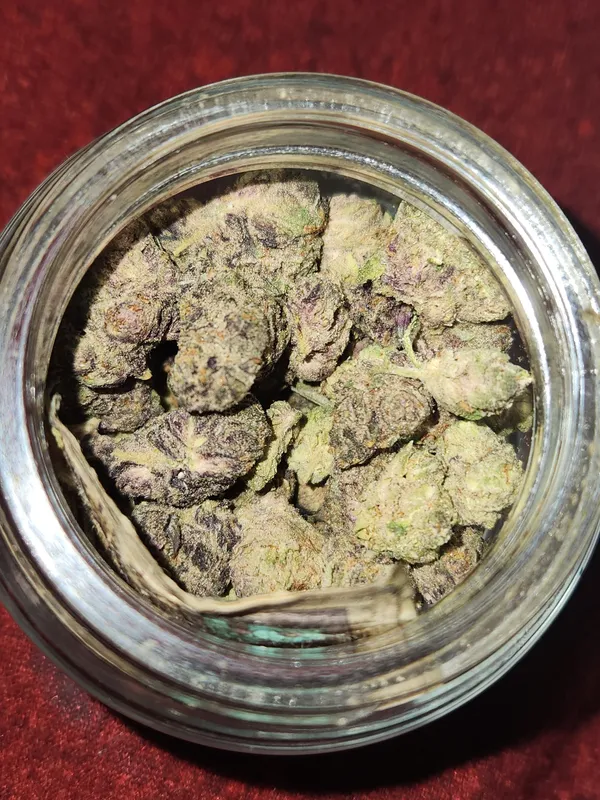
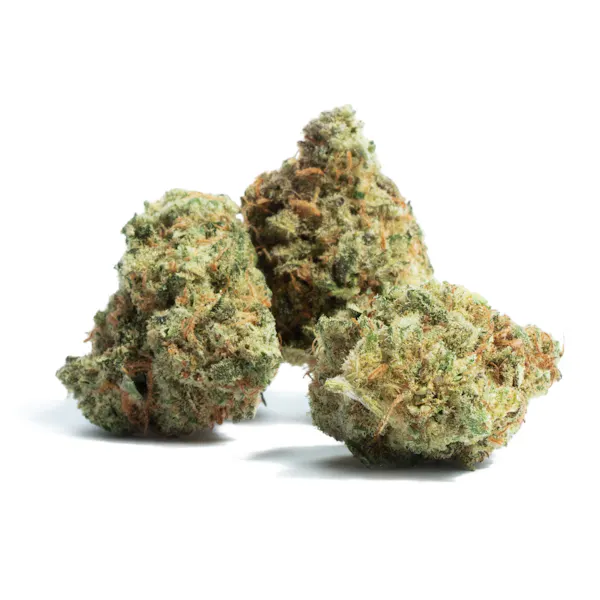
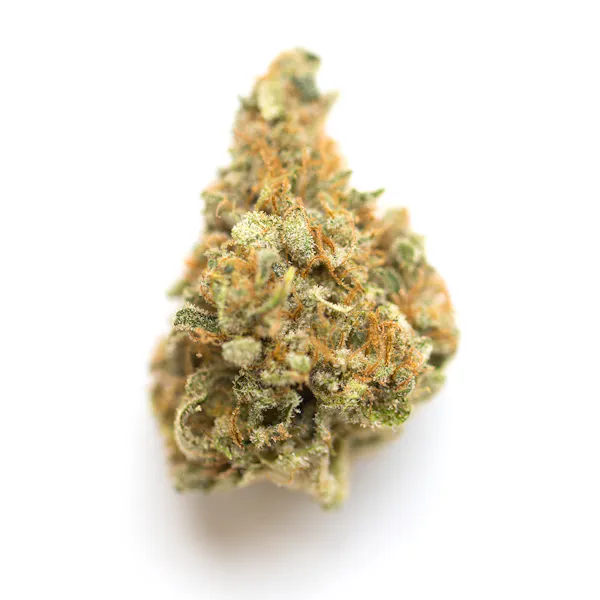
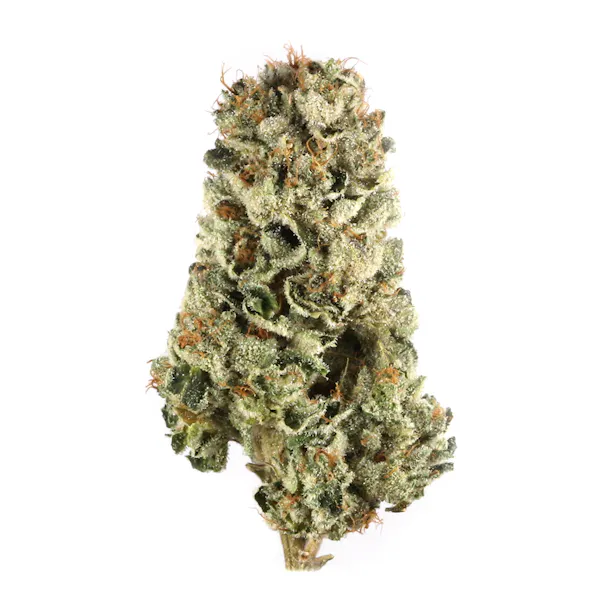
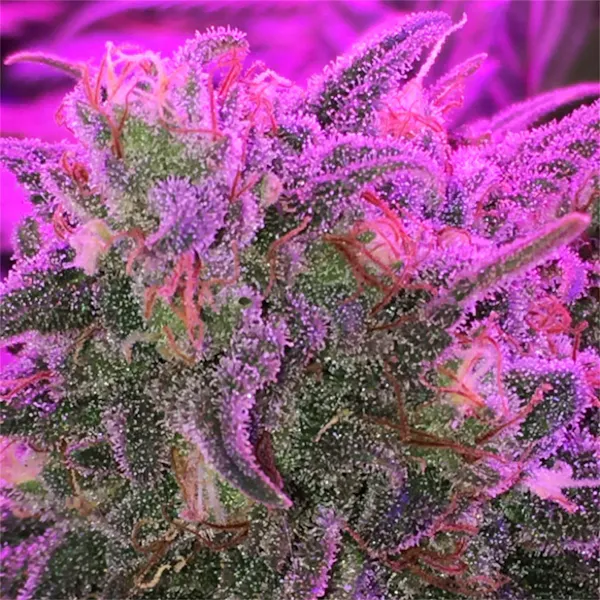
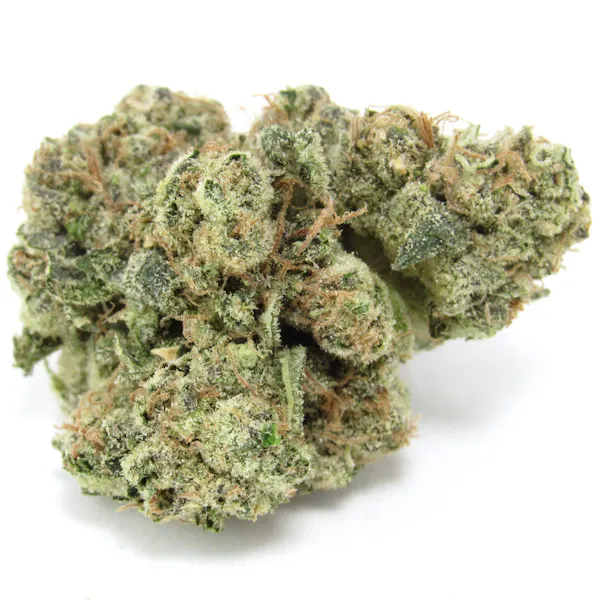
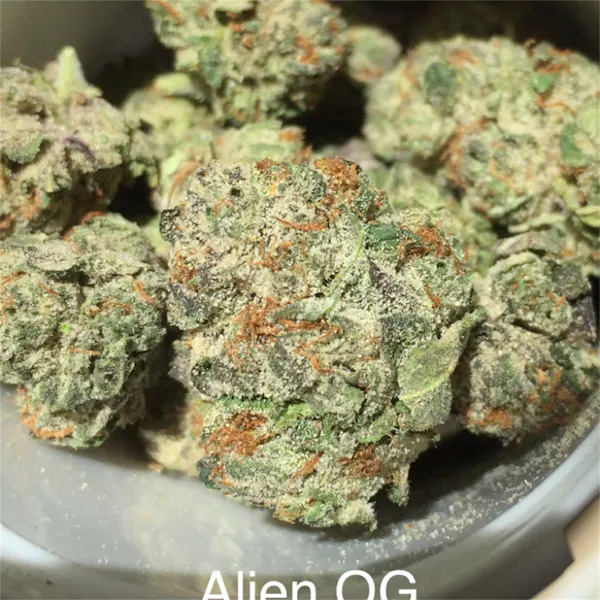
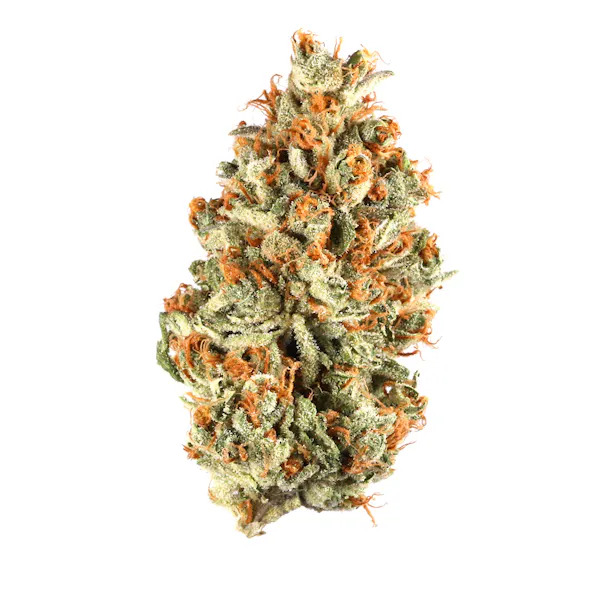
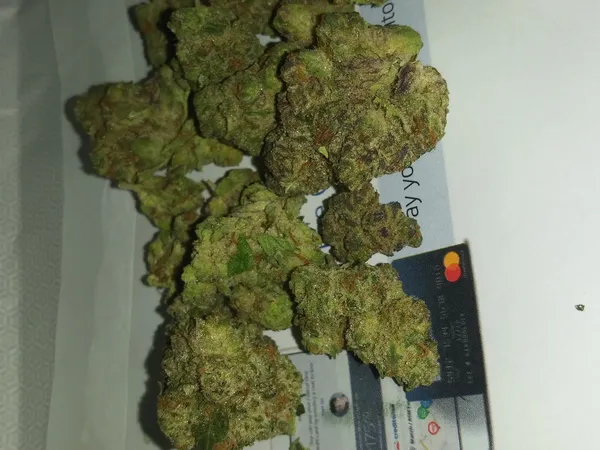
These are the 72 most searched. Search all Kush strains
Remember that a name is only a starting point. Two jars with the same name can differ in THC, terpenes and smell, which comes down to the cut, the grower and the batch.
Sources: britannica.com, en.wikipedia.org, leafly.com, leafly.com, canada.ca, laws-lois.justice.gc.ca