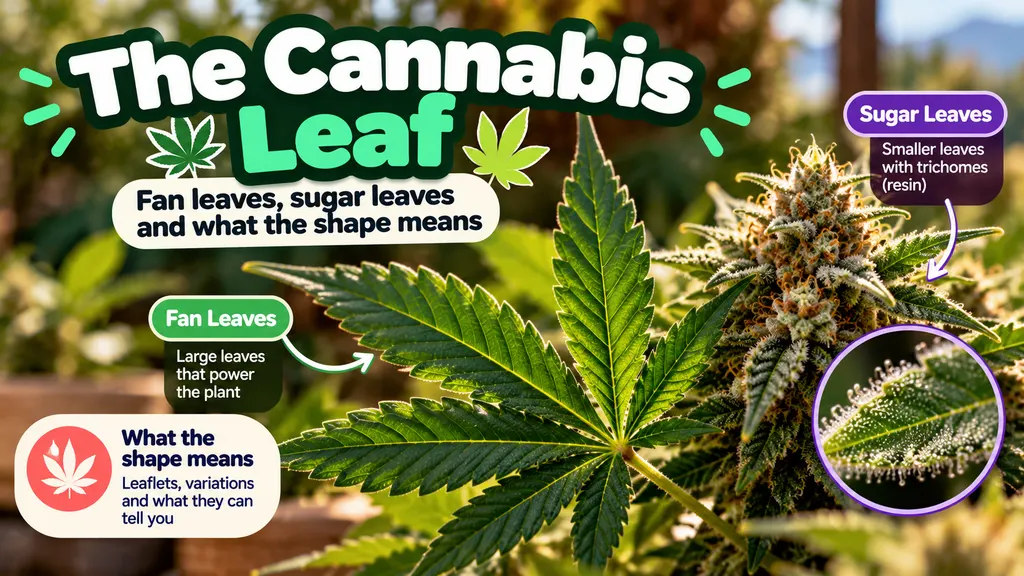
The weed leaf is the most recognisable plant shape on the planet, and it is also one of the most misread. People count its points, judge strains by how wide its fingers are, and see it on every Canadian cannabis package. Here is what the leaf really is, how fan leaves differ from sugar leaves, what leaf shape can and cannot tell you, and what the leaf on a Canadian THC symbol means.
What does a cannabis leaf look like and how many leaflets does it have?
A cannabis leaf is a single leaf made of several separate leaflets that spread out from one point at the end of a stalk. Botanists call this palmately compound. Each leaflet is narrow and lance-shaped, with a toothed, serrated edge, and the leaflets are usually arranged symmetrically.
How many leaflets? Plant descriptions give three to nine, with five to seven the most common. A Florida agriculture department guide to identifying hemp gives three to nine narrow, serrate leaflets, and a regional hemp profile gives three to nine with five to seven usual. Some descriptions of mature plants go as high as eleven.
The count is not fixed. It changes with the plant, its age and its growth stage. One cultivar record notes that leaflet numbers drop as a plant moves into flowering. So a leaf with seven points isn't a rarer or stronger plant than one with five. It is just a different leaf.
There are also lookalikes. The Florida guide is titled as a guide to identifying hemp and its lookalike plants for a reason, since several unrelated plants have fingered leaves. The serrated, narrow leaflets are the better clue than the number of points.
| Feature | What to look for |
|---|---|
| Layout | Palmately compound: leaflets fan out from one point, like fingers from a palm |
| Leaflet count | Commonly 5 to 7; descriptions range from 3 to 9, and some plants reach 11 |
| Leaflet shape | Narrow and lance-shaped, longer than they are wide |
| Edges | Serrated: a row of teeth along each leaflet |
What is the difference between fan leaves and sugar leaves?
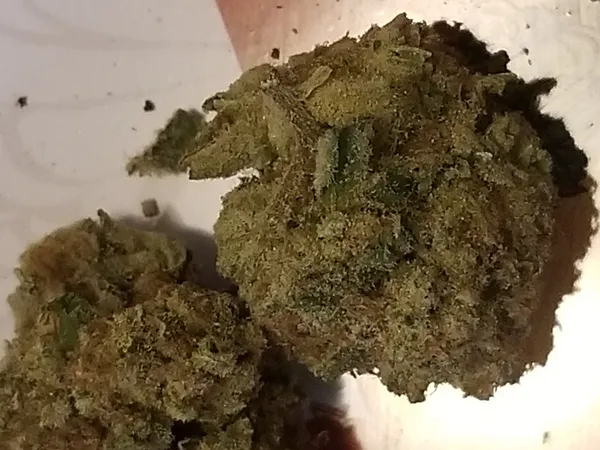
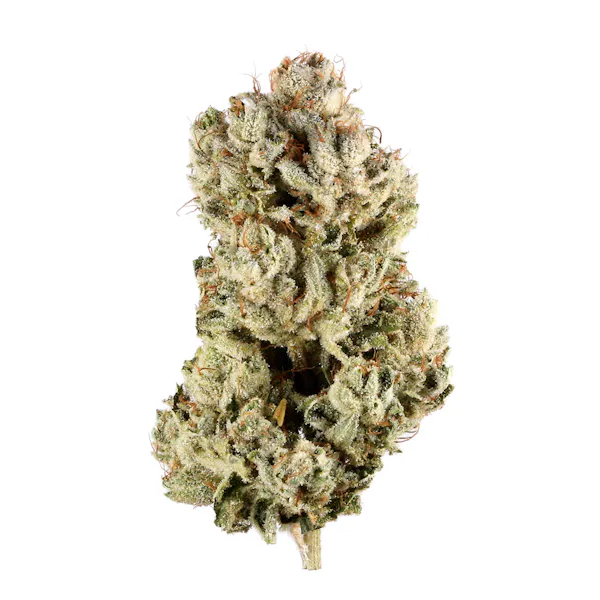
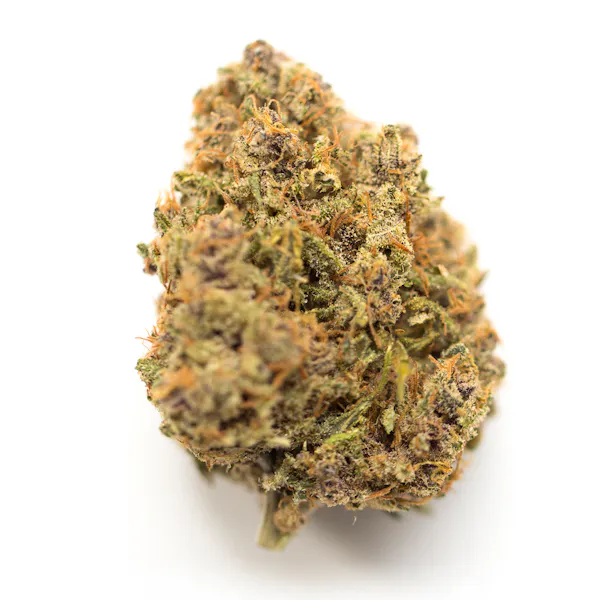
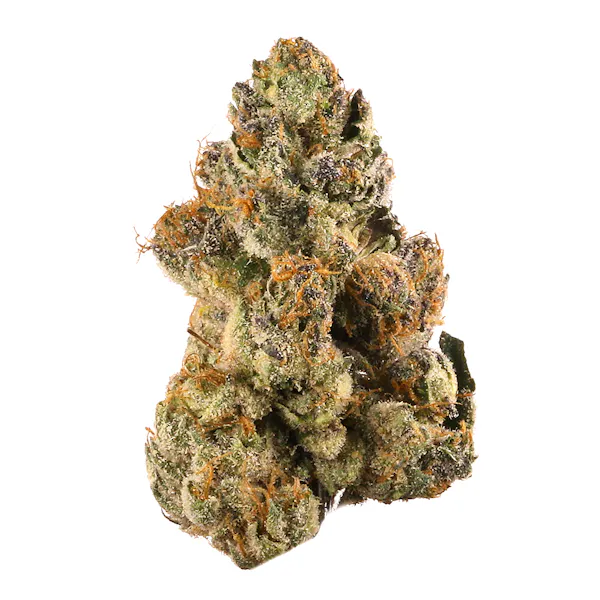
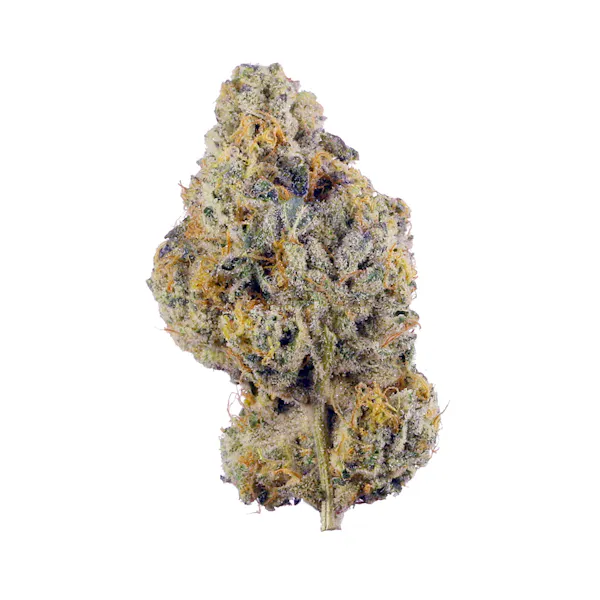
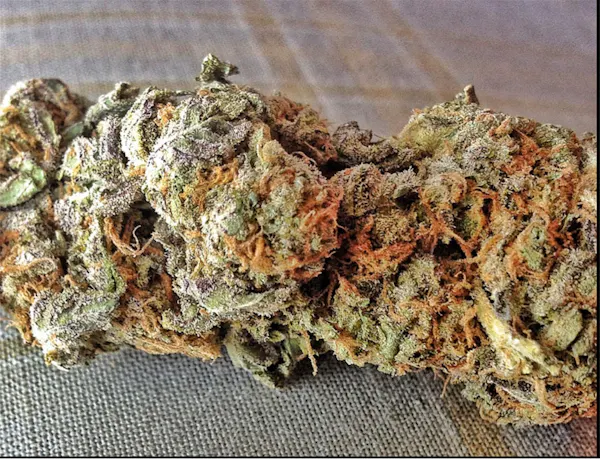
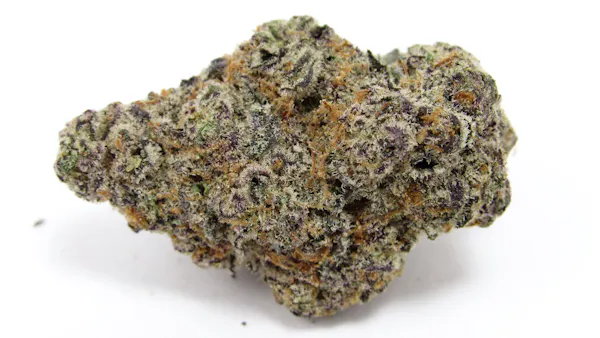
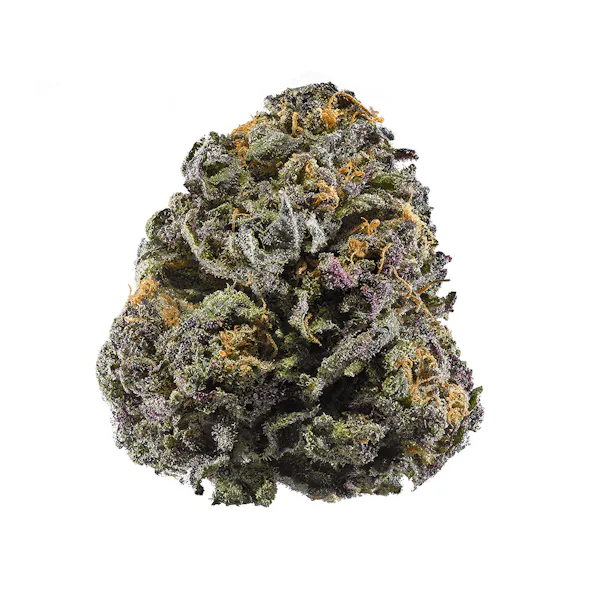
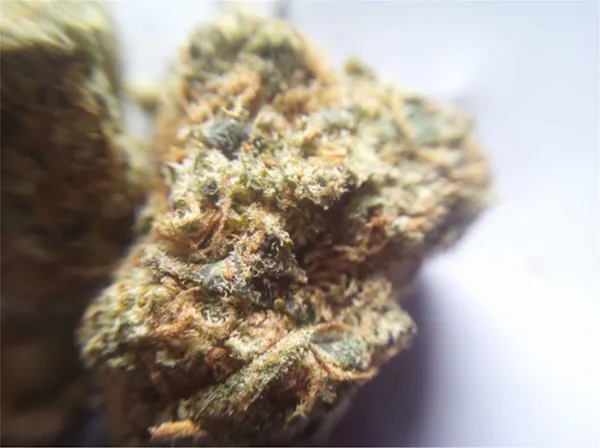
Fan leaves are the big, iconic leaves that collect light and feed the plant. Sugar leaves are the small leaves growing from inside the flower cluster. They get the name because the resin glands on them make them look sugar-dusted.
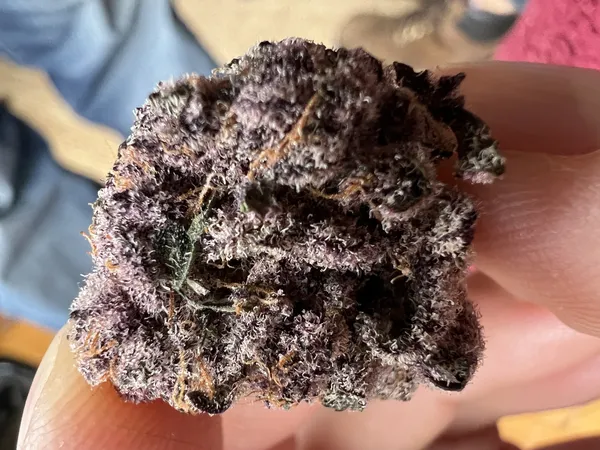
That difference matters after harvest. Fan leaves carry little resin and are generally removed and thrown out. Sugar leaves hold much more, so they are trimmed off the bud, and trim is sometimes kept for pre-rolls or extracts rather than wasted. If you want to know what the resin actually is, our guide to kief and trichomes covers it.
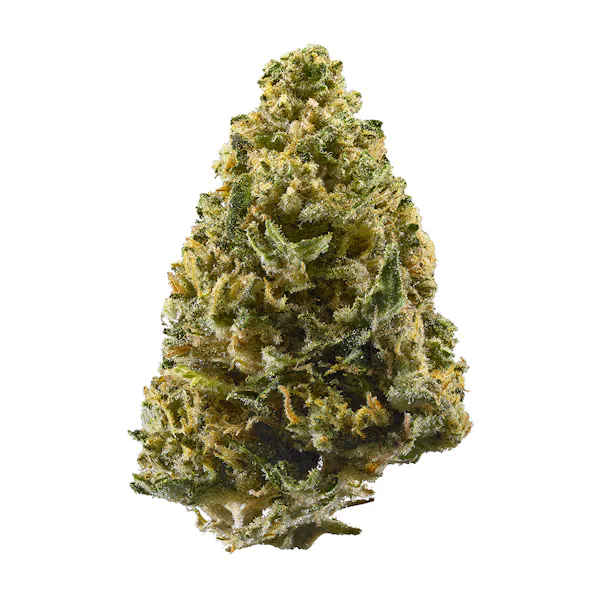
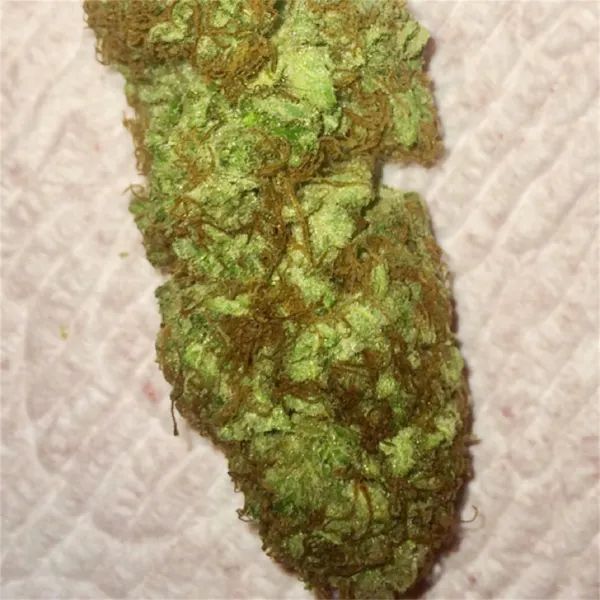
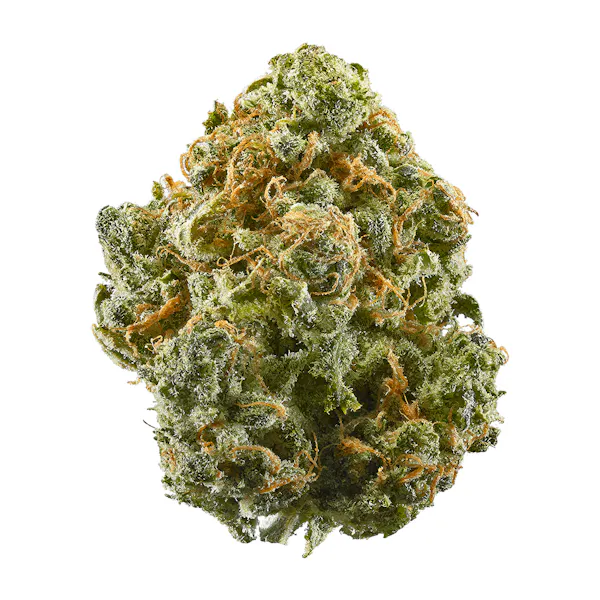
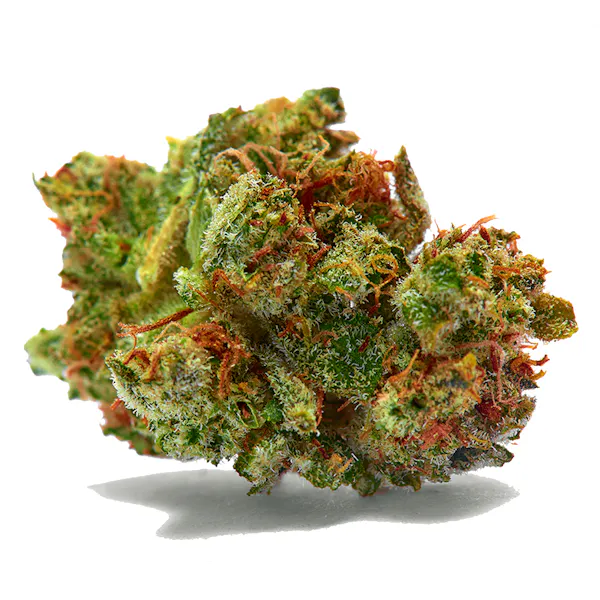
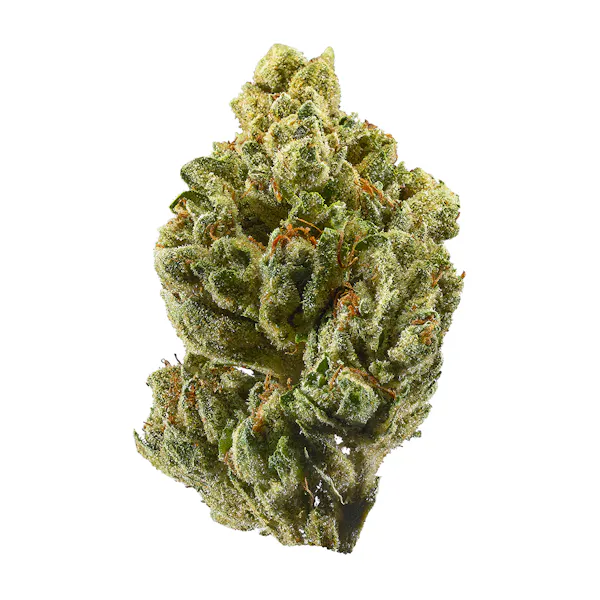
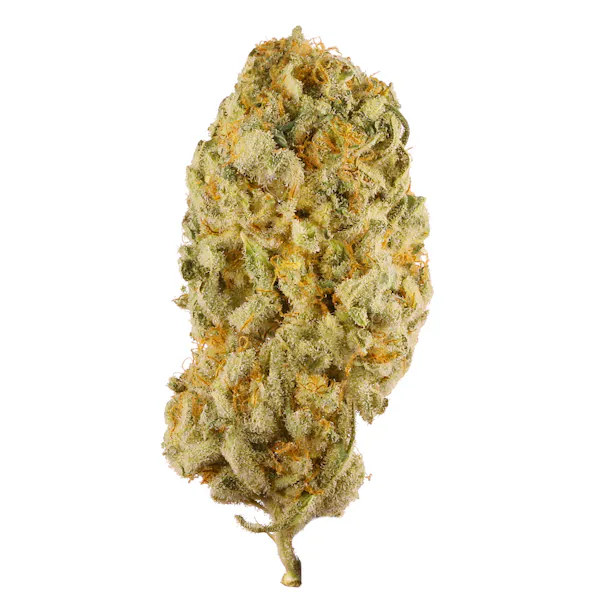
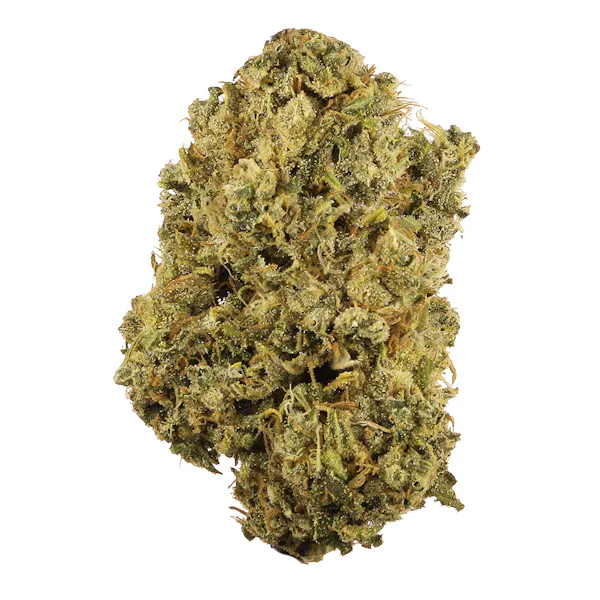
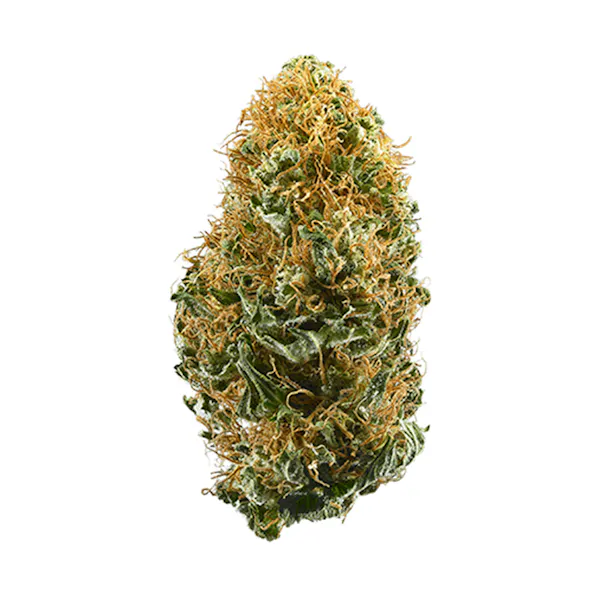
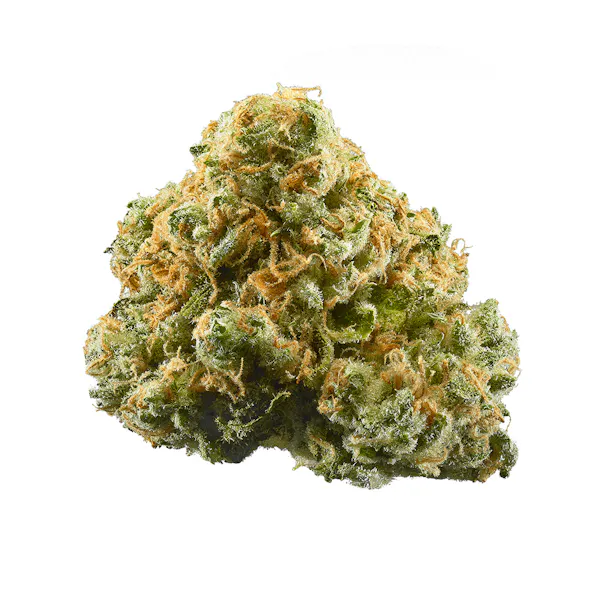
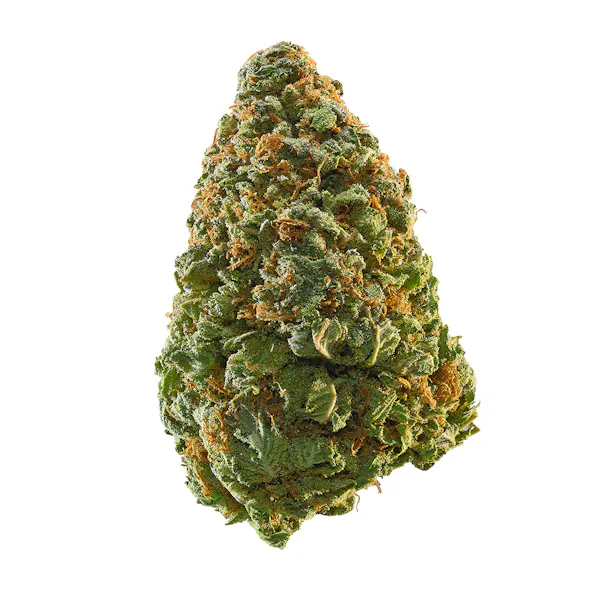
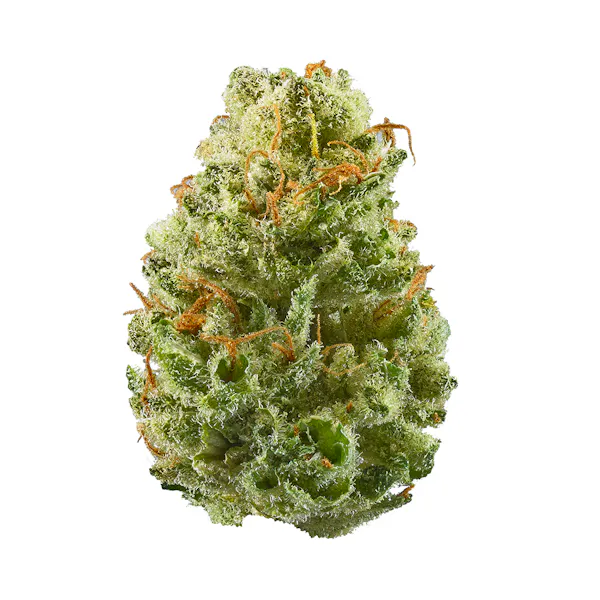
Both leaf types differ from the bud itself. The part you actually buy as flower is the cluster of bracts, small flower parts and pistils, with the sugar leaves trimmed back. The big fan leaves are not what is in the jar.
| Fan leaves | Sugar leaves | |
|---|---|---|
| Size | Large, with the classic fingered shape | Small, often narrow or spear-like |
| Where | On the stems and branches, away from the flowers | Tucked in and poking out of the bud |
| Resin | Very little | Dusted with trichomes, which give them a frosted look |
| Job | Soak up light for the plant | Part of the flower cluster |
| What happens to them | Removed during drying and trimming, usually discarded | Trimmed off the bud; trim is sometimes kept for other products |
Does leaf shape tell you if a plant is indica or sativa?
Not reliably. Growers do describe indica-type plants as short and bushy with broad leaflets and sativa-type plants as tall with narrow leaflets, and that is where the picture in most people's heads comes from. But shape is a rough guide to a plant's heritage, not a label for what it will do to you.
The history is messier than the shop version. In 1785 Lamarck described a plant from India that he named Cannabis indica, and his description actually mentions narrower leaflets, the opposite of what people picture for an indica today. The broad-leaf versus narrow-leaf split people use now came much later, and decades of crossbreeding have blurred it further. Plenty of modern strains are crosses with leaves that sit anywhere in between.
On top of that, leaves change with conditions. Light, feeding, plant age and genetics all alter how wide or narrow the leaflets look, and leaf shape says nothing about the cannabinoid and terpene content of the flower. For that, read the lab results on the package. Our indica vs sativa guide goes through why the labels are shakier than they sound, and the phenotype guide explains why two plants of the same strain can still look different.
Why did the cannabis leaf become the symbol of weed?
Mostly because it is easy to recognise. The leaf has a distinct silhouette: a fan of pointed, toothed fingers. It is visible on the plant long before any flower appears, it is instantly legible as a flat icon, and it needs no text to be understood. A shape that works in a single colour at a small size is a natural candidate for a logo.
Because the leaf is so closely tied to the plant, it was never going to be left off the packaging. In Canada the leaf ended up in the one image the government requires on cannabis products, which brings us to the red symbol you see on every legal package.
What is the cannabis leaf on Canadian THC packaging?
It is the standardized cannabis symbol, a red octagon with a white cannabis leaf and the letters THC. Health Canada describes the leaf as about two thirds of the image and the letters as about one third, in red, black and white.
Under the Cannabis Regulations, the symbol is required on any cannabis product with more than 10 micrograms of THC per gram, once the potential for THCA to turn into THC is counted. It must be at least 1.27 cm by 1.27 cm, with a white border of at least 2 points on all sides, and Health Canada's packaging and labelling guide says it belongs in the upper left 25% of the principal display panel. Using it on a product at or below the threshold is voluntary.
Nobody else can borrow it. Health Canada's guide prohibits displaying any image or symbol that resembles the standardized symbol or could be mistaken for it. For everything else on a Canadian label, see our guide to reading cannabis labels.
Is it weed leaf, marijuana leaf or cannabis leaf?
They all point at the same thing. Cannabis is the plant's genus name, and Canada's Cannabis Act and Health Canada's labels say cannabis, not marijuana, so "cannabis leaf" is the plain, official term. Our weed slang glossary covers the rest of the vocabulary.
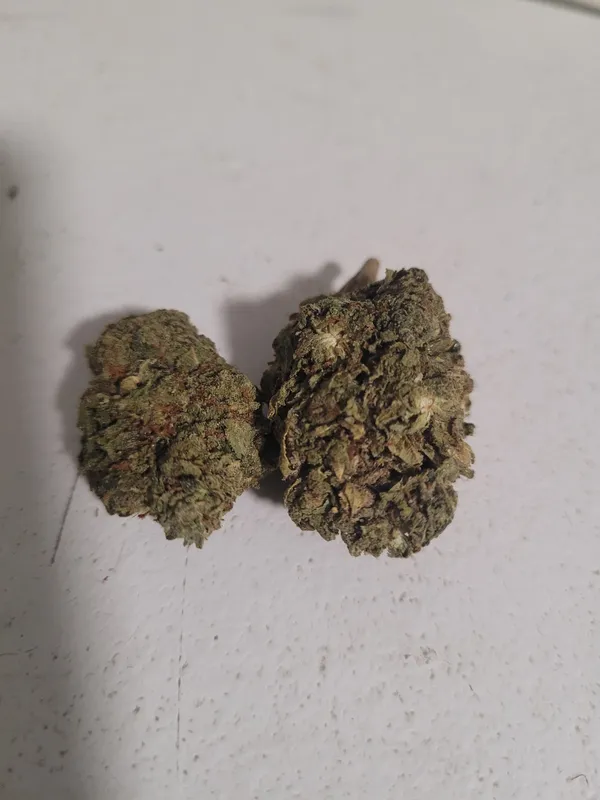
One practical note: the leaf is not the part people buy. Fan leaves are mostly thrown away, and the flower is what is sold. If you are curious about the resin that makes sugar leaves sparkle, start with kief and trichomes.
Sources: ccmedia.fdacs.gov, illinoiswildflowers.info, canada.ca, laws-lois.justice.gc.ca, pmc.ncbi.nlm.nih.gov, pmc.ncbi.nlm.nih.gov, en.wikipedia.org