Sugar Plum strain guide
Sugar Plum is a sativa from Stoney Girl Gardens in Oregon, bred from Hawaiian Haze Plum and Berkeley Blues. It is known for a sweet, tropical smell with ripe plum and berry, and an upbeat, clear-headed feel. It has been around since the early 2000s and is one of the older strains in its breeder's catalogue.
Where does Sugar Plum come from?
Sugar Plum was bred by Stoney Girl Gardens, an Oregon breeder that has mostly shared its strains as clones. Strain listings agree on the cross: Hawaiian Haze Plum as the mother and Berkeley Blues as the father.
Neither parent is well documented outside the breeder's own catalogue. The breeder describes Sugar Plum as mostly sativa, around 90%, and it was written up in at least one well-known grow book in the early 2000s. Its name points to the plum and candy-sweet smell.
What does Sugar Plum smell and taste like?
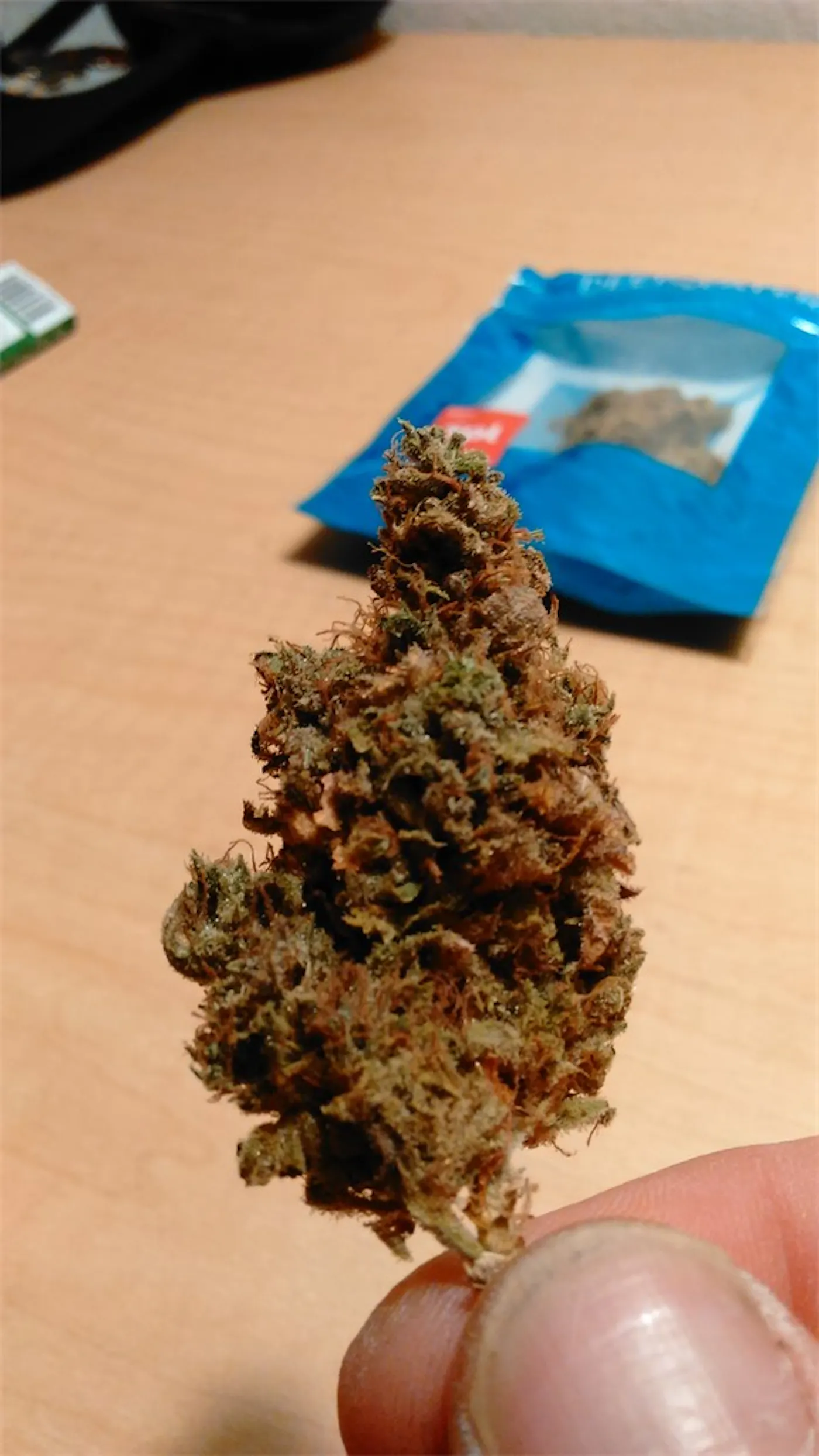
Most people notice fruit first: ripe plum, berries and a floral, tropical sweetness. Some listings also mention sour citrus and spicy herbs, and the breeder credits the Berkeley Blues side with an earthy finish.
Published terpene results put myrcene on top, followed by pinene and caryophyllene. Myrcene gives the earthy, fruity base, pinene a fresh, piney lift and caryophyllene a little spice. The flavour is usually described as sweet and tropical on the inhale with an earthy finish.
Sugar Plum effects: what people report
People most often describe Sugar Plum as uplifting, euphoric and energetic, with happy, focused and sometimes giggly moods. The breeder calls it smooth but strong, neither sedating nor overly racy, and listings describe a long-lasting, head-centred feel.
These are experiences people report, not promises. How it feels depends on the product, how much you have and your own tolerance. Dry mouth and dry eyes are the most common complaints, some people mention feeling anxious, and at least one reviewer found it more low-key than energizing.
How strong is Sugar Plum?
Published figures vary a lot. Listings put Sugar Plum anywhere from about 17% to 28% THC, with most landing around the low 20s. CBD is usually very low.
That range is wide enough that the label matters more than the name. If you're new to sativas, start small and give it time. Our guide to indica vs sativa explains why those labels only tell part of the story.
Buying Sugar Plum in Canada
Sugar Plum is an older, clone-only strain, so it is not a common name on shelves. If you see it, the producer may be working from a different cut than the original, which can change the smell and strength.
You'd most likely find it as dried flower or pre-rolls. Check the THC and CBD numbers and the packaging date, since fresher flower holds more of that plum and tropical smell.
Sugar Plum vs Hawaiian Haze
Hawaiian Haze shares a name with Sugar Plum's mother, Hawaiian Haze Plum, but no source documents a family link between them, so treat them as separate strains with a similar style. Both are sativa-leaning and tropical, though Hawaiian Haze leans pineapple and floral while Sugar Plum smells more like plum and berry, with an earthier finish. Both get called uplifting and energetic, and their THC listings overlap. If pineapple sounds better, go with Hawaiian Haze. If the plum and berry side appeals, Sugar Plum is the one to look for.
Strains like Sugar Plum
If you like Sugar Plum, these are worth a look:
- Hawaiian Haze: another tropical, upbeat sativa, with more pineapple than plum.
- Maui Wowie: a classic tropical sativa with a bright, energetic reputation.
- Blueberry: for the sweet berry side, in a calmer, more relaxing strain.