Dutch Treat strain guide
Dutch Treat is a hybrid most often traced to Northern Lights and Haze. People know it for a sweet, piney smell with a eucalyptus edge and a happy, uplifted feel that settles into something more relaxed. Its origin story is disputed, with accounts pointing to Amsterdam, the Pacific Northwest and even a Canadian grower.
Where does Dutch Treat come from?
The cross most often given is Northern Lights and Haze. Some sources add Skunk to the mix, and at least one says the true lineage can't be confirmed, so treat the family tree as likely rather than settled.
Where it started is even less clear. One strain database calls it an Amsterdam coffee shop staple, which fits the name. Other accounts place it in the Pacific Northwest, crediting either a Canadian grower known as Jordan of the Islands or Western Cultured, a Washington grower that helped make it popular. None of these stories is well documented.
Listings also disagree on its balance. Some call it sativa-leaning, others indica-leaning or an even split.
What does Dutch Treat smell and taste like?
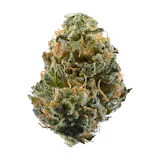
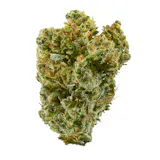
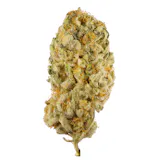
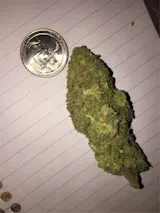
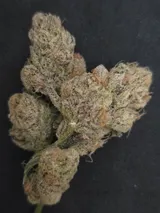
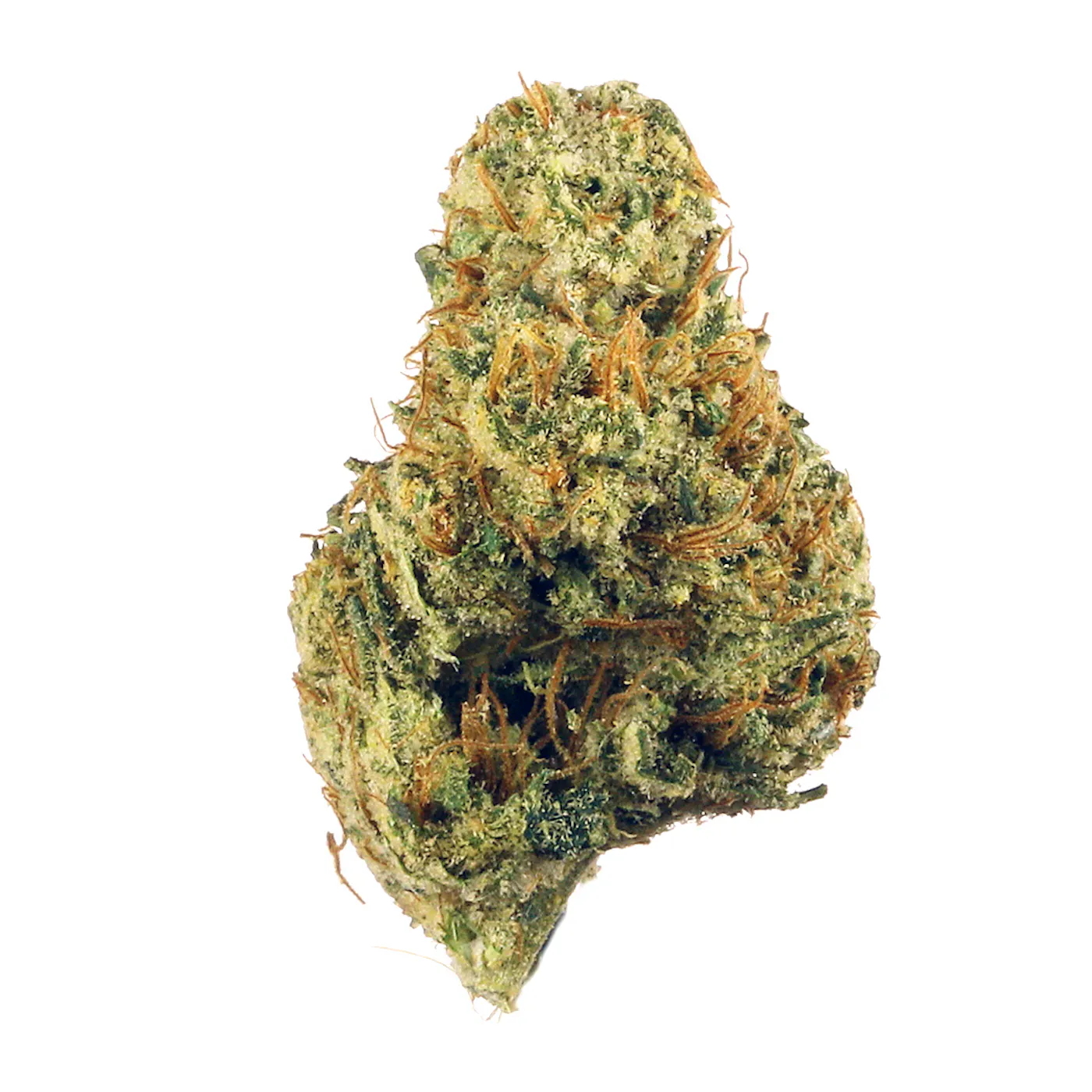
Dutch Treat smells sweet and piney, with fruit, earth and a cooling eucalyptus note. Some people also pick up a little lime.
Terpinolene usually leads its terpene results, with ocimene, myrcene and limonene also showing up. Terpinolene brings a fresh, fruity and piney smell, ocimene a sweet, herbal side, myrcene some earthiness and limonene a touch of citrus. The taste follows the smell: sweet and herbal, with pine on the finish.
Dutch Treat effects: what people report
People most often describe Dutch Treat as euphoric, uplifted and relaxed, and reviews lean toward an energizing feel overall. Happy and creative come up too, with a calmer body feel as it settles.
These are experiences people report, not promises. How it feels depends on the product, how much you have and your own tolerance. Dry mouth and dry eyes are the most common complaints, and some people mention feeling anxious or dizzy.
How strong is Dutch Treat?
Dutch Treat is usually a high-THC strain. Published lab results and listings mostly put it around 18% to 24% THC, with an average near 22%. One grower has claimed batches far higher, and CBD-rich versions also exist, which shows how much this name can vary.
If you're new to it, start with a small amount and give it time before having more. Your label shows the THC and CBD for that batch, and that matters more than the strain name.
Buying Dutch Treat in Canada
With so many origin stories, different producers may be growing quite different plants under the Dutch Treat name. Check the THC and CBD numbers carefully, since some versions are bred for CBD rather than THC.
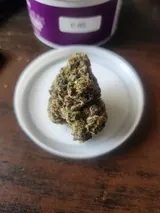
You might find it as dried flower, pre-rolls or vape cartridges. Look at the packaging date too, since fresher flower keeps more of that pine and eucalyptus smell.
Dutch Treat vs Northern Lights
Northern Lights is the parent most sources agree on. Northern Lights is a classic, calm indica with an earthy, sweet pine smell, while Dutch Treat picks up a brighter, fruitier side from Haze, with terpinolene and eucalyptus notes. People tend to call Northern Lights relaxing and Dutch Treat more upbeat and creative. If you want something calm and steady, start with Northern Lights. If you'd like more lift, try Dutch Treat.
Strains like Dutch Treat
If you like Dutch Treat, these are the closest matches:
- Northern Lights: its likely indica parent, earthy, sweet and calm.
- Haze: its likely sativa parent, spicy and citrusy with an energetic reputation.
- Super Silver Haze: another mix of Northern Lights, Haze and Skunk, upbeat with a citrus smell.
- Jack Herer: another Haze and Northern Lights family strain, terpinolene-led with a fresh, piney smell.