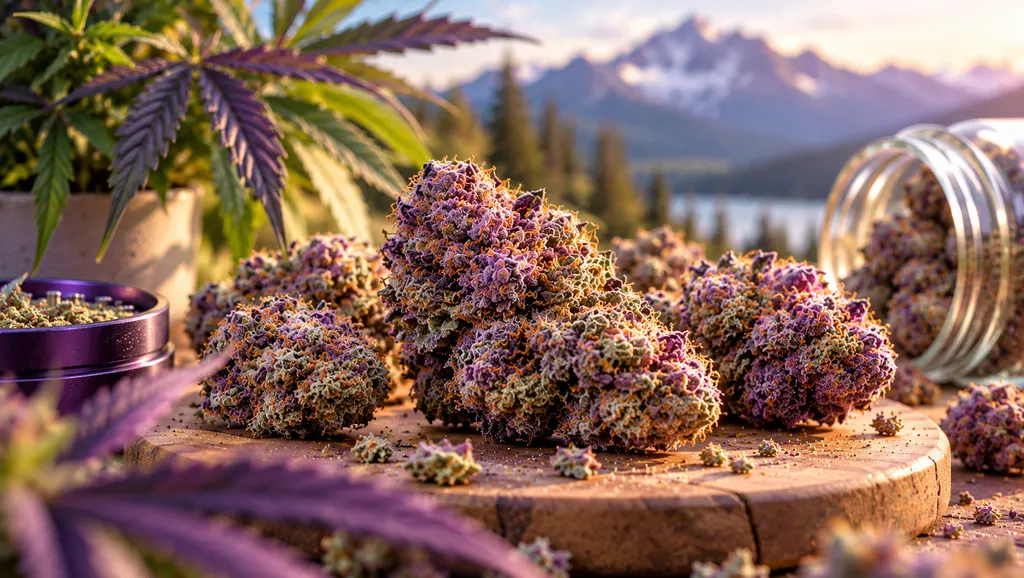
Purple weed is purple because of anthocyanins, water-soluble pigments the plant makes under the right genetics and the right conditions. It's a colour, not a potency rating. Here is where the pigment comes from, what cool nights actually do, which popular explanations are still unproven, and what our own records show about strains tagged purple.
Why does some weed turn purple?
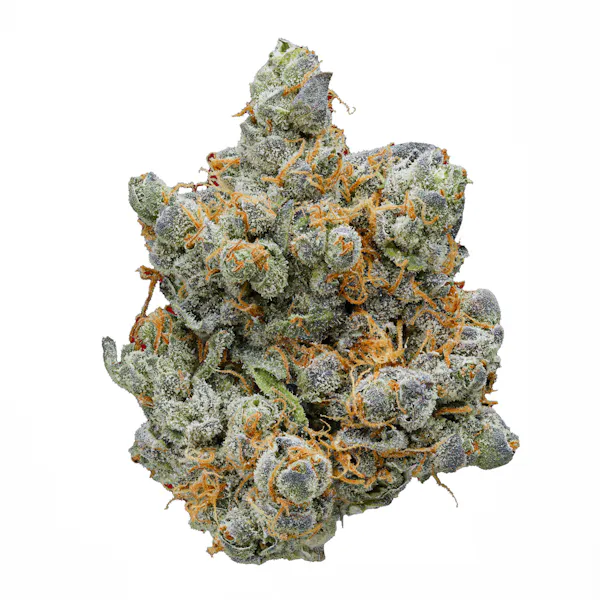
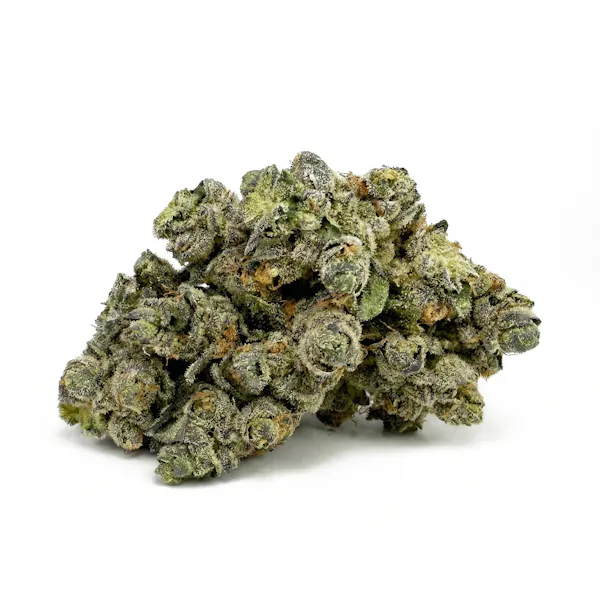
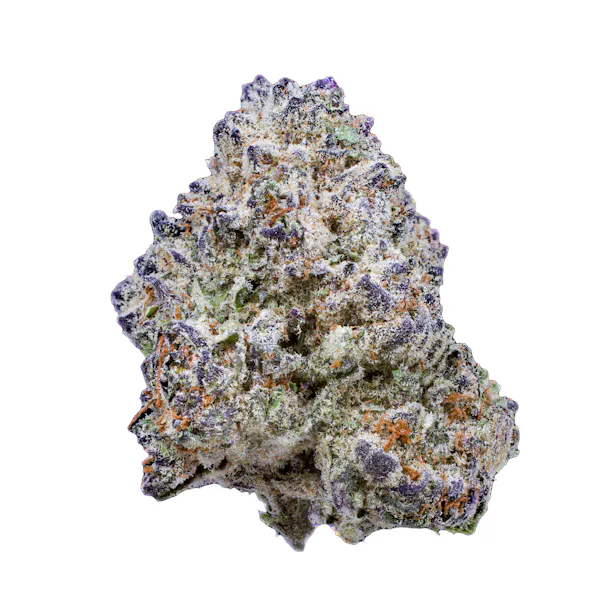
Some cannabis turns purple because its flowers and leaves build anthocyanins. These pigments are common across the plant world: they give blueberries, red cabbage and purple grapes their colour, and they show up in autumn leaves. Cannabis is not special here. It simply has varieties that make a lot of them in the flower.
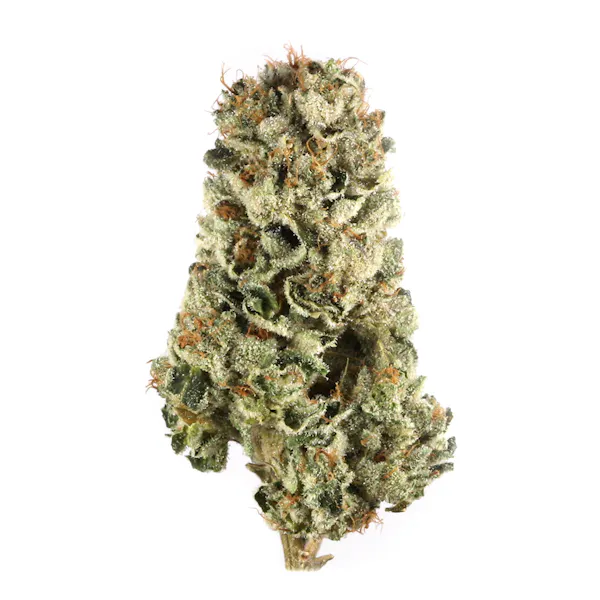
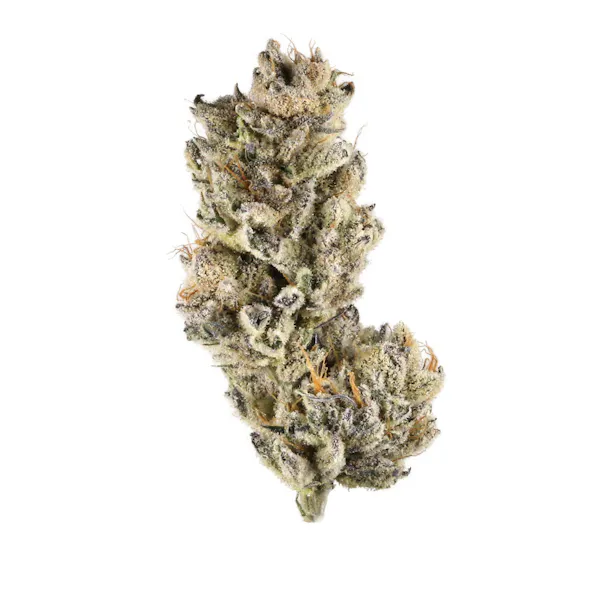
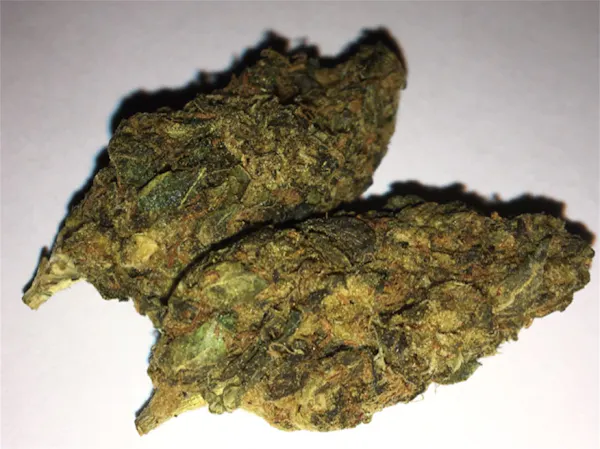
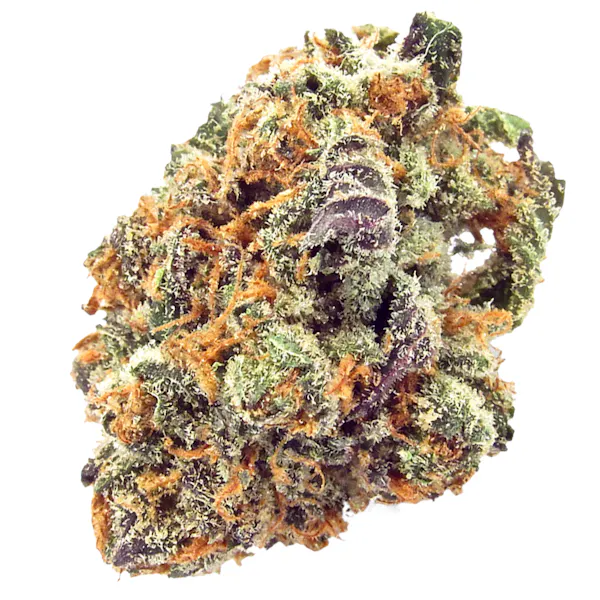
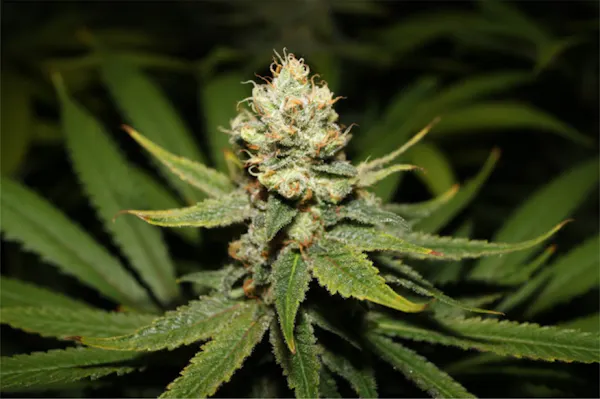
Green is the default because chlorophyll is the dominant pigment in leaves and young flowers. A purple bud is one where anthocyanins are present in enough quantity to show through, or where the green fades enough to let them be seen. The panel above summarizes the strains in our records that are tagged purple.
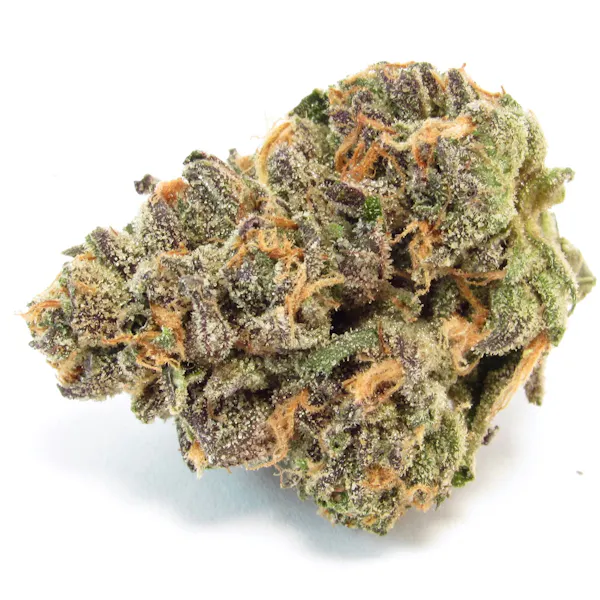
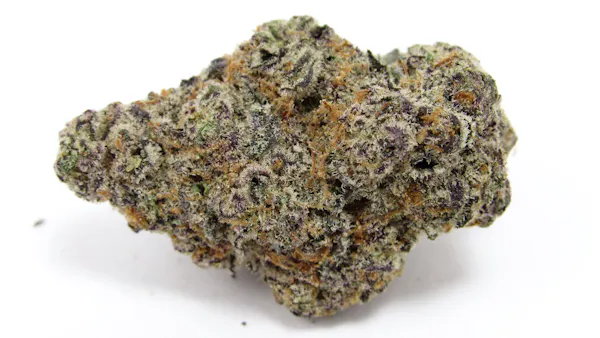
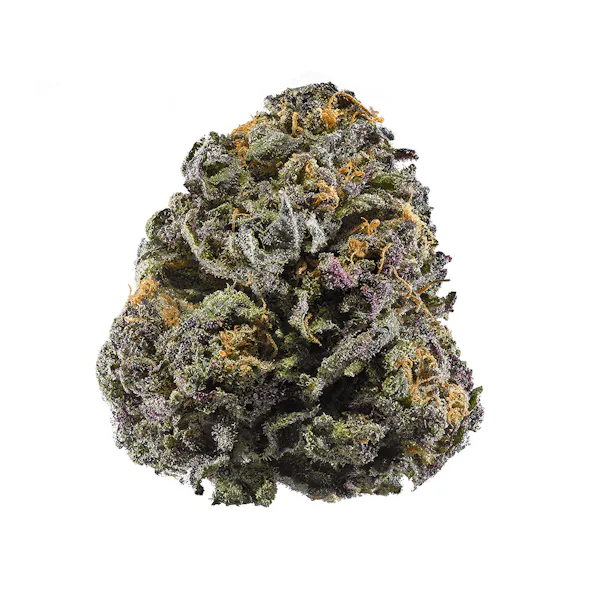
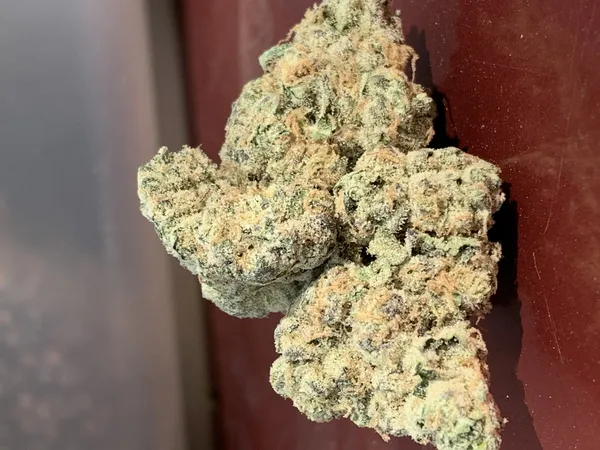
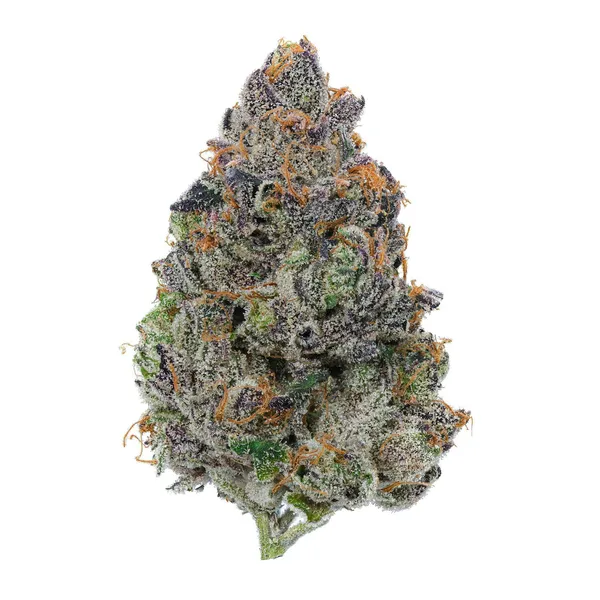
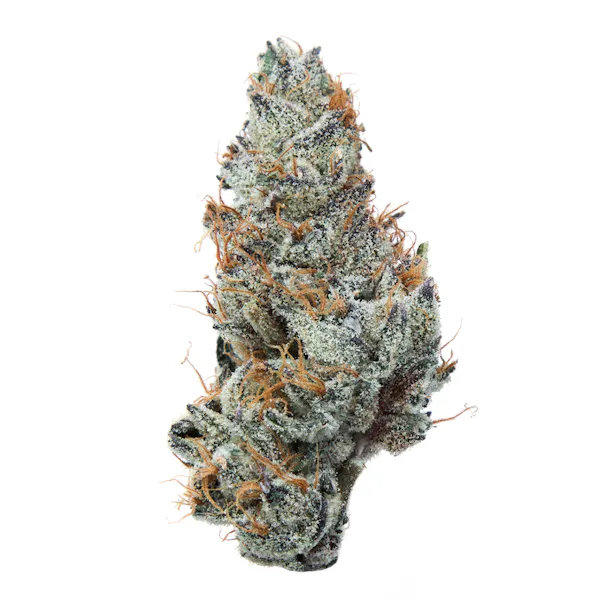
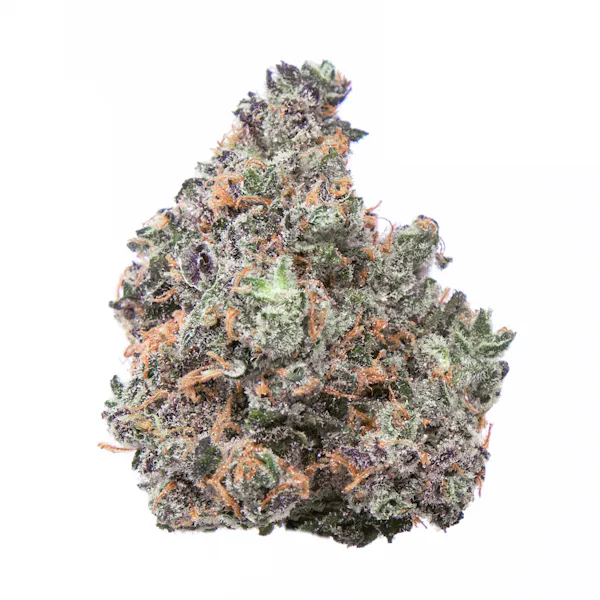
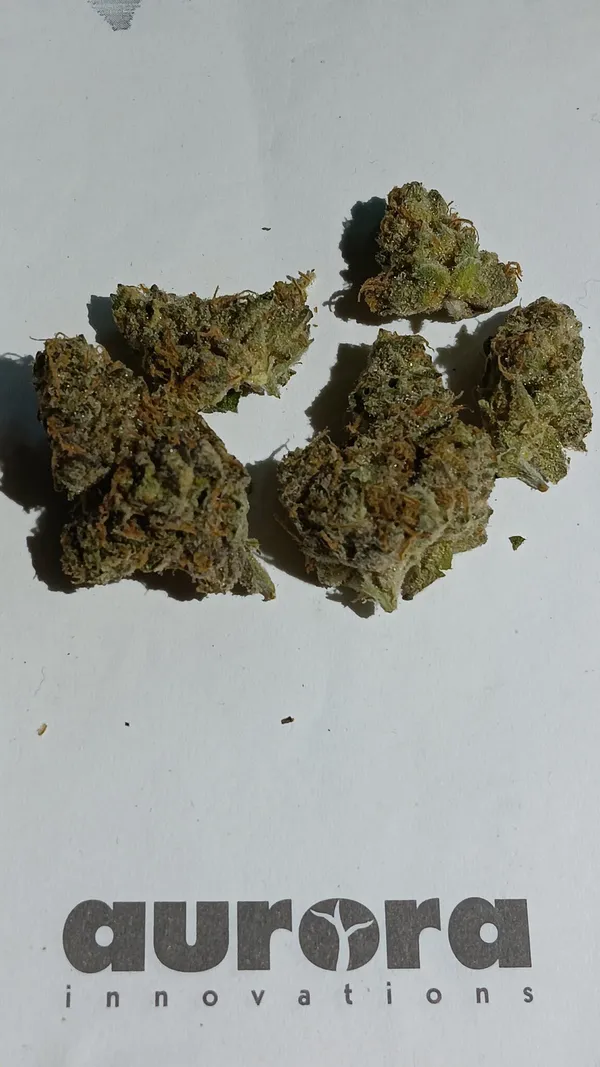
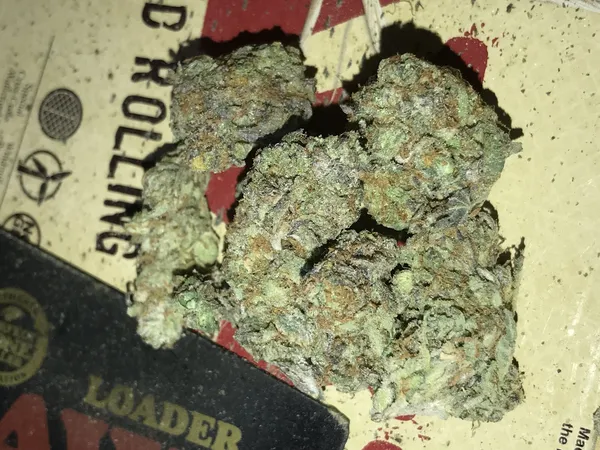
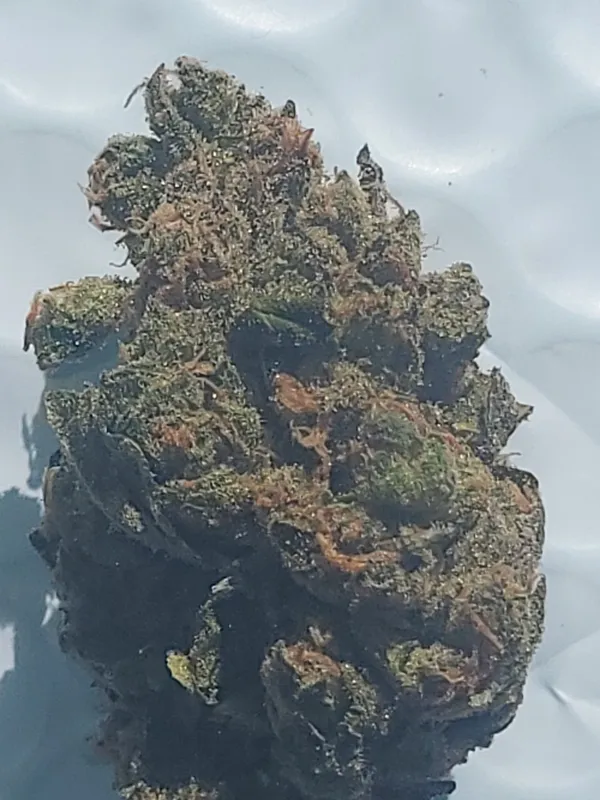
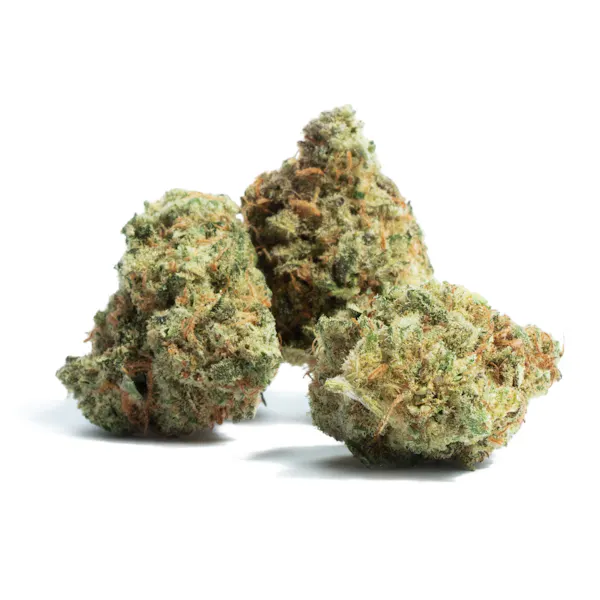
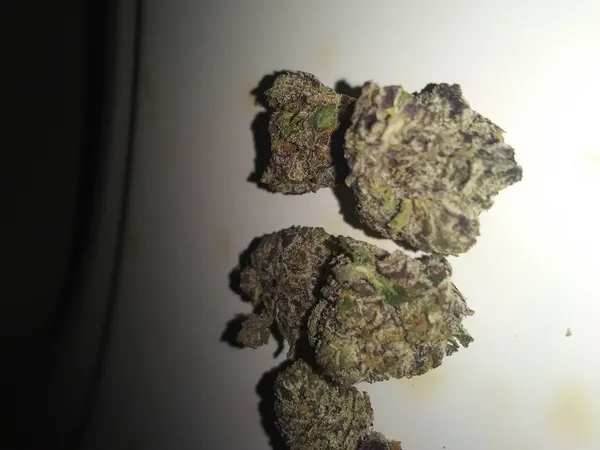
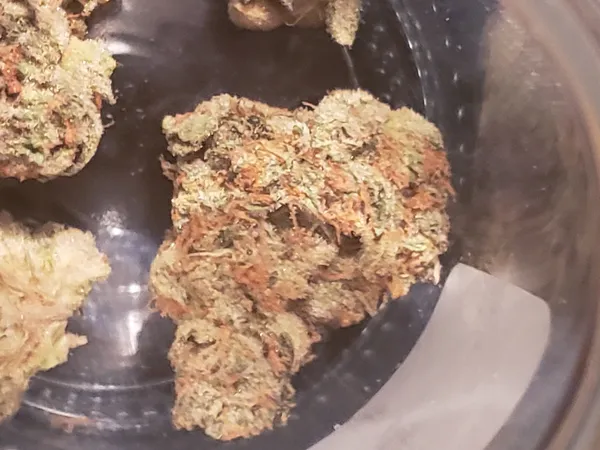
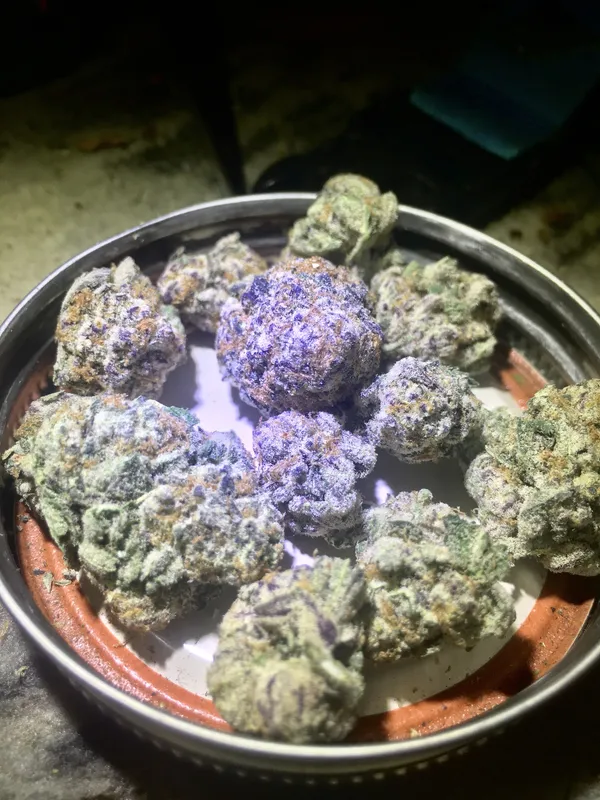
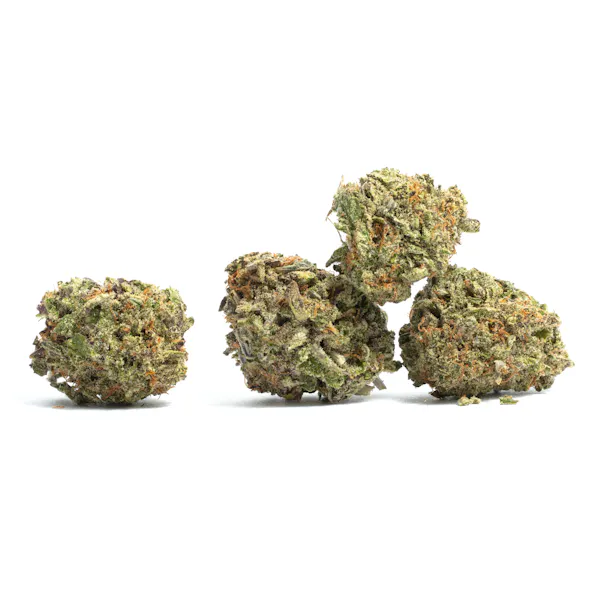
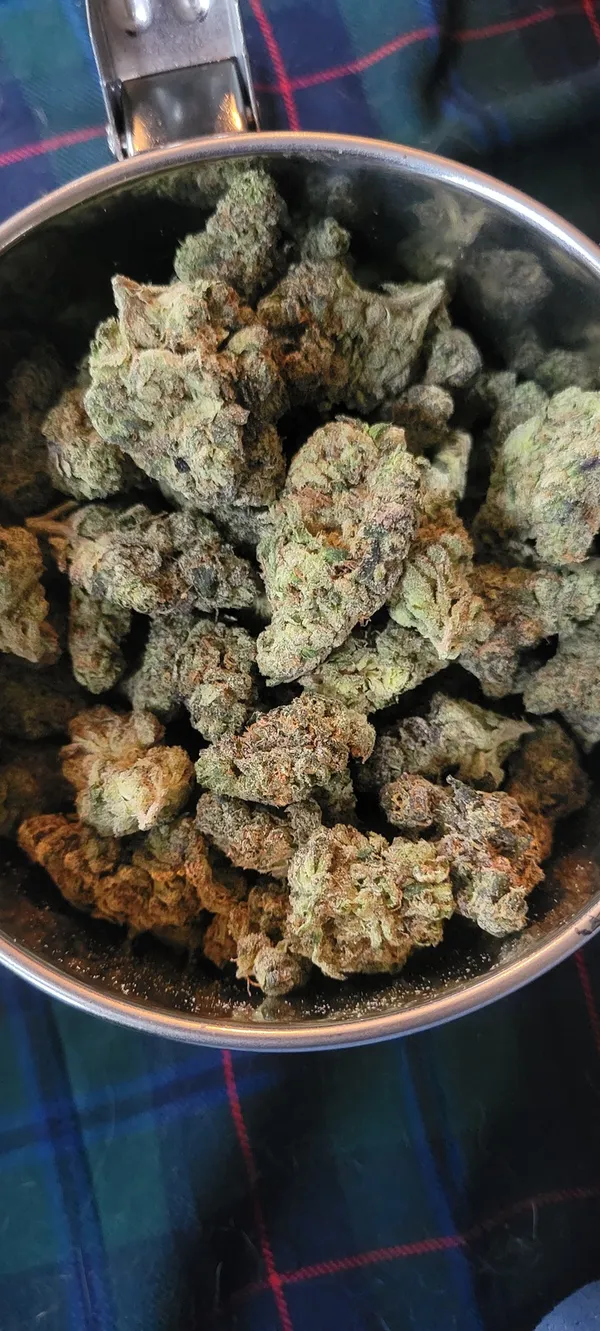
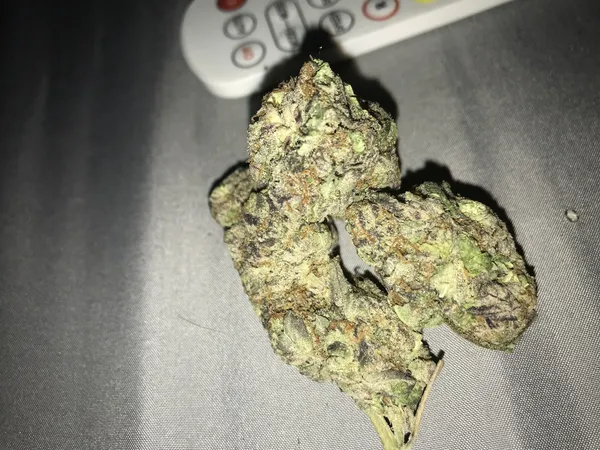
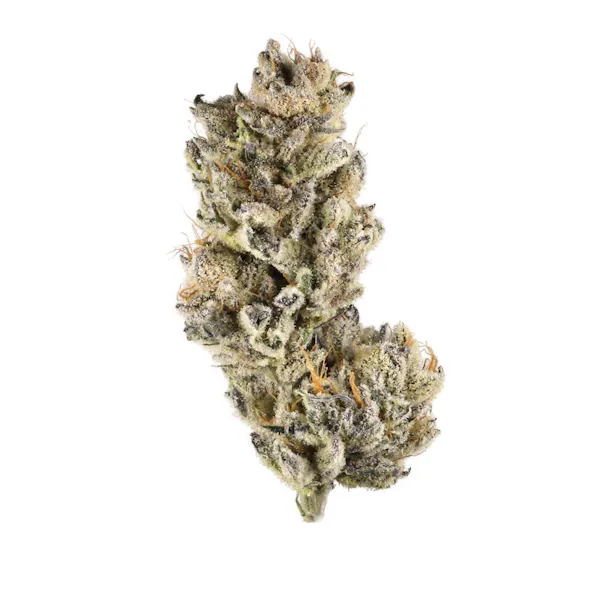
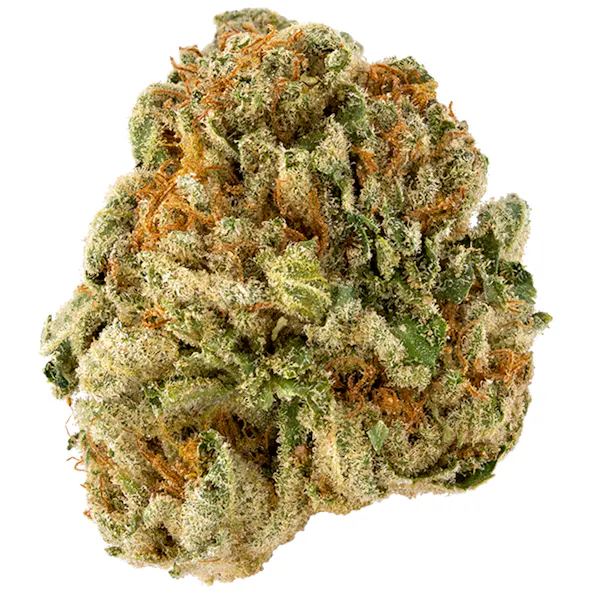
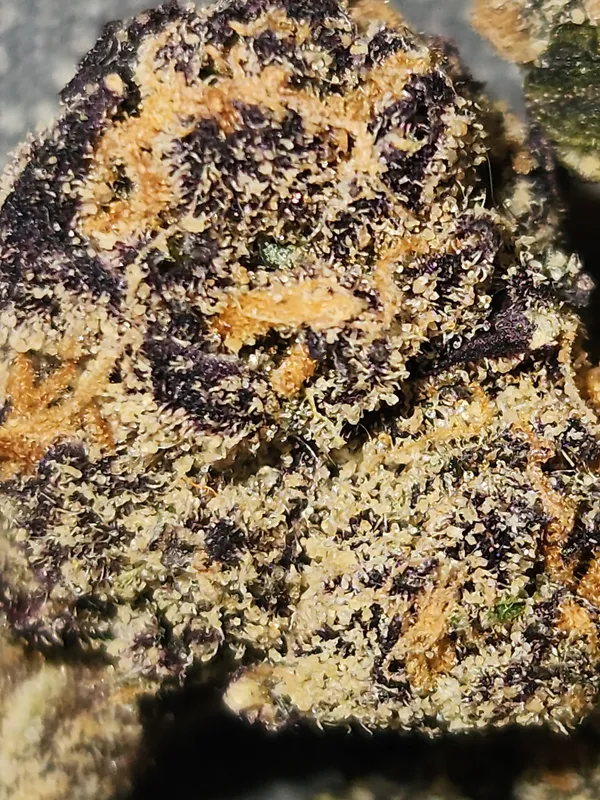
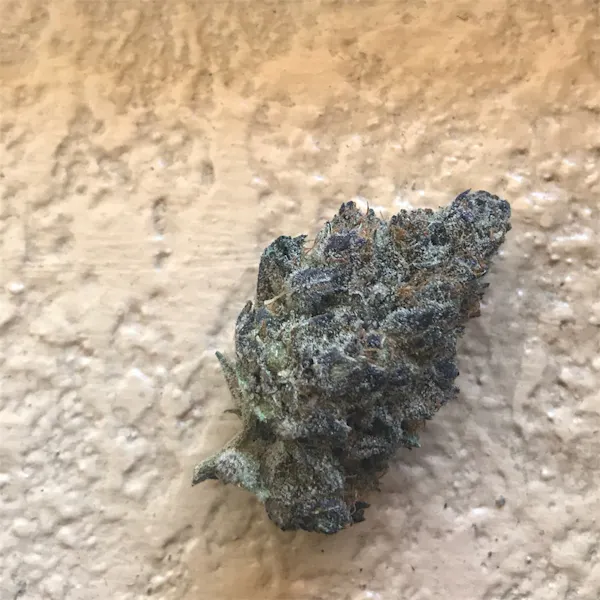
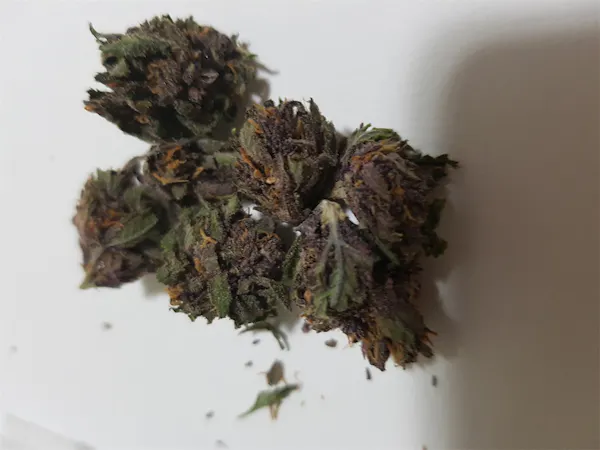
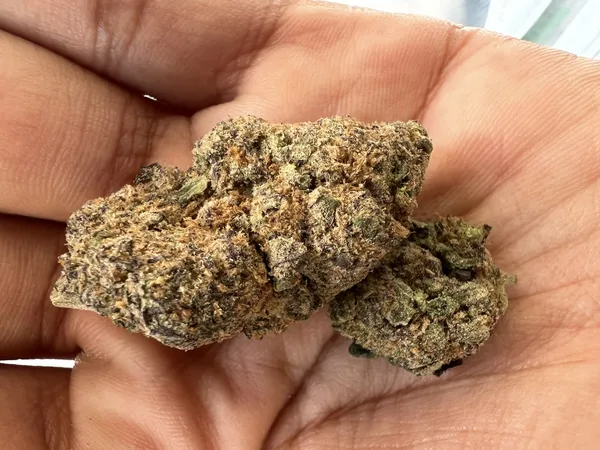
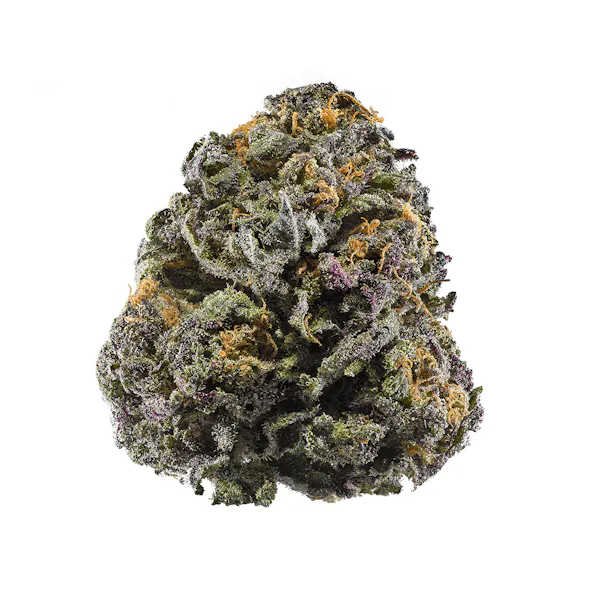
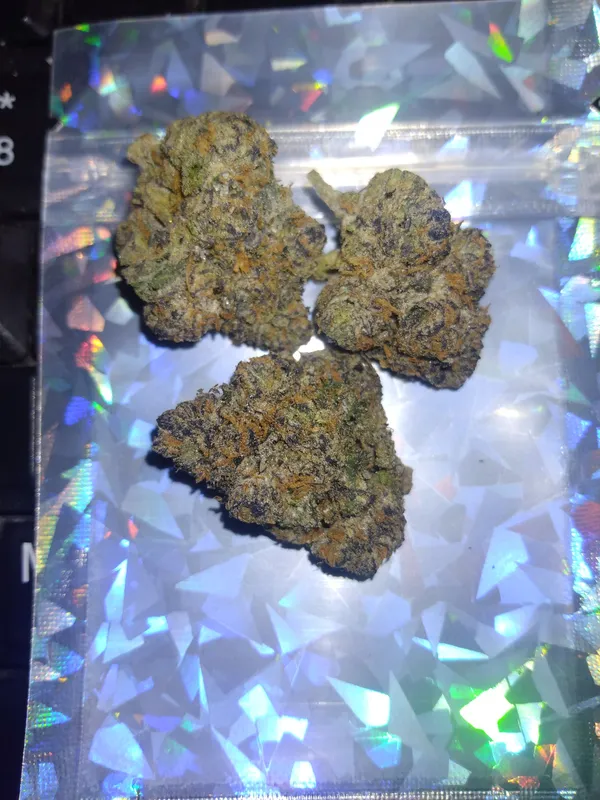
The colour can run from light lavender to a deep, nearly black violet, and it often appears in patches rather than evenly. Sugar leaves and the tips of calyxes usually colour first. Orange pistils and white trichomes sit on top of the purple, which is why a purple bud can look striking even when the plant itself is ordinary.
- Purple strains
- 177
- Indica-leaning
- 91
- Hybrid
- 57
- Sativa-leaning
- 29
- Typical THC
- 22%
What are anthocyanins?
Anthocyanins are flavonoids, a large family of plant compounds. Their colour depends partly on their chemical structure and partly on the acidity of the cell sap that holds them: in general, the same pigment tends to look redder in more acidic conditions and bluer or purple as acidity falls. That behaviour is documented for anthocyanins in plants broadly, such as in the colour change of red cabbage extract.
In plants, anthocyanins are made by a chain of enzymes, and each enzyme is built from genes. If a plant lacks a working version of a gene in that chain, it cannot make the pigment at all, no matter what the weather does. That's the basic reason a plant grown beside a purple one under identical conditions can stay entirely green.
Plants make these pigments for several reasons. In other crops they are linked to responses to cold, bright light and other stress, and they may act as a kind of sunscreen for plant tissue. Researchers are still working out exactly what they do in cannabis flowers, so treat any single tidy explanation with caution.
Is purple weed genetic?
Yes, genetics come first. A plant needs the ability to make anthocyanins in its flowers before temperature or anything else can bring out colour. Breeders select for it, which is why purple traits are passed down through named lines and why you will see the word in strain names. For what a strain name does and does not tell you, see our guide to phenotype meaning.
Even within one strain, plants vary. Two seeds from the same pack can colour differently, and the same cut grown in two rooms can look different. That is the gap between genotype (the genes a plant carries) and phenotype (what you actually see), and it is why a strain's name is not a guarantee of purple buds.
It also means "purple" on a menu is a description of appearance, not a measured property. Canadian labels list THC, CBD and sometimes terpenes. They do not list colour or pigment content. For what a label does tell you, see how to read cannabis labels.
Do cold nights make weed purple?
Cool temperatures can bring out purple in plants that already have the genes for it. Controlled research supports this. A 2025 study in the Journal of Cannabis Research reported that anthocyanin accumulation in cannabis peaked at constant temperatures of 8 and 15 degrees Celsius, while flower weight and CBD concentration rose with warmer conditions. The study measured CBD, not THC.
There is a second effect that gets less attention: timing. As flowering finishes, chlorophyll in the leaves breaks down, just as it does in autumn foliage. When the green fades, pigments that were already there become visible. That is why purple often shows late in flowering and why colour can deepen in the last couple of weeks.
So the picture is not that cold "creates" purple out of nothing. Genetics set the ceiling, cool conditions can push anthocyanin production, and late-stage chlorophyll loss unmasks what is there. The chart below shows the THC ranges of strains tagged purple in our records, which is a plain look at how they actually test.
THC ranges for the most searched Purple strains
- Apples and Bananas20–30%
- Glitter Bomb21–28%
- Granddaddy Purple17–27%
- Zkittlez13–23%
- Cherry Pie16–26%
- Dulce de Uva21–25%
- Purple Punch18–22%
- Slurricane20–28%
- Purple Urkle18–21%
- Mimosa19–27%
- Purple Haze14–19%
- Grape Gas21–29%
Does pH or other tricks change the colour?
You will often read that the pH of a grower's nutrient solution turns buds purple, or that a particular additive or stress will force colour. We could not find solid evidence for these claims in cannabis. They are common in grower forums, but we found no controlled cannabis study showing that adjusting pH on its own produces purple flowers in a plant that lacks the genes for it.
The honest summary is this: acidity inside plant cells does change how an anthocyanin looks in the lab, and temperature has some experimental support. Anything beyond that, such as precise feeding schedules or deliberate stress, is unproven. Stressing a plant also carries real costs, and cold in particular can reduce yield in some conditions.
If you are buying rather than growing, none of this changes your choice. What matters is the lab result and the label, not the grower's method for getting colour.
Does purple weed have more THC?
No. Colour is not a measure of potency. Anthocyanins are a separate chemical pathway from cannabinoids, and a bud can be deep purple with modest THC or bright green with a high number. The only dependable way to compare strength is the THC figure on the package, which is why we show the THC range of purple strains instead of guessing.
The same goes for scent and flavour. Terpenes, the aromatic compounds, are what drive the smell of a bud, and purple strains carry the same range of them as any other group. The chart above shows which terpenes lead in the purple strains in our records. For background on how those compounds work, see what does weed smell like.
If you want to compare products, read the Total THC and CBD values on the label and treat colour as appearance only. Canadian rules require those values to be printed, and they come from lab testing, not from how a bud looks.
Which terpene leads in Purple strains
Can purple weed be fake or dyed?
Licensed cannabis in Canada is regulated, and the Cannabis Regulations govern what producers can add to dried flower. Buying from a provincially authorized retailer means the product has gone through that system. We found no source documenting a pattern of dyed purple flower in the Canadian legal market, so we will not claim one exists.
What we can say is general: appearance is a poor guide to quality. A bud's look tells you little about how it was grown, dried or cured, or what it contains. If something seems off about the smell, texture or packaging, the label's lot number and producer details are how you follow up. For how age and storage change cannabis, see does weed expire.
Which strains are called purple?
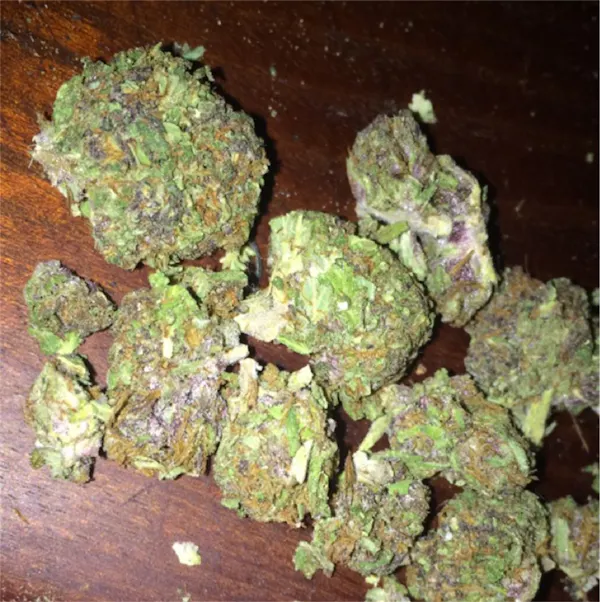
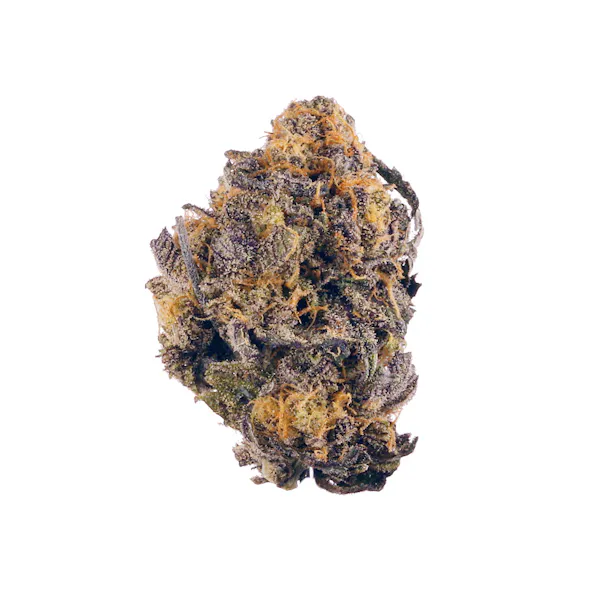
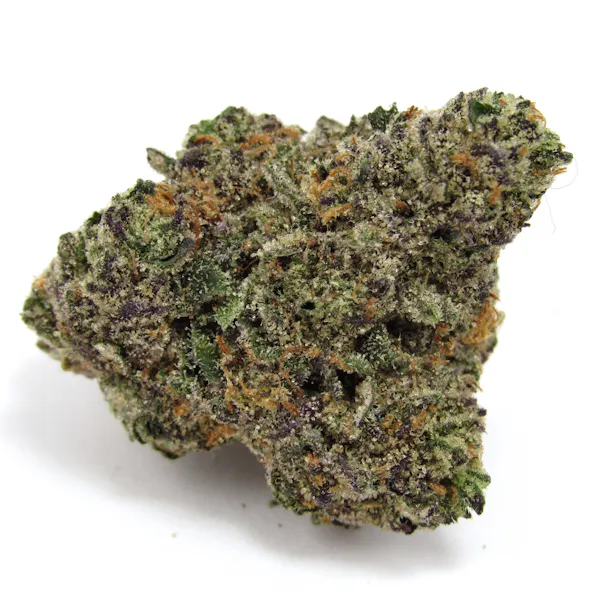
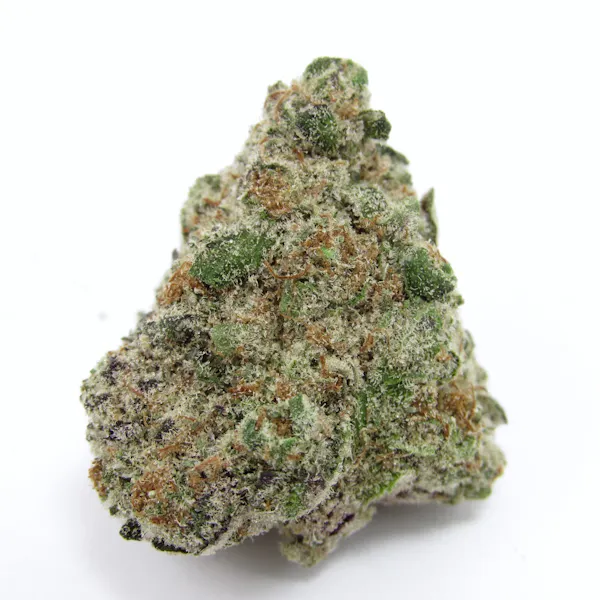
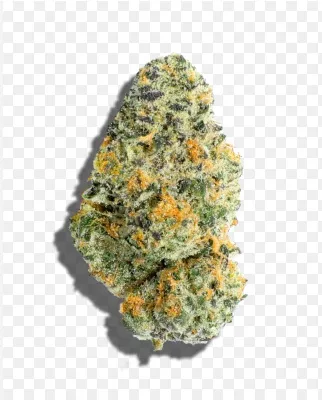
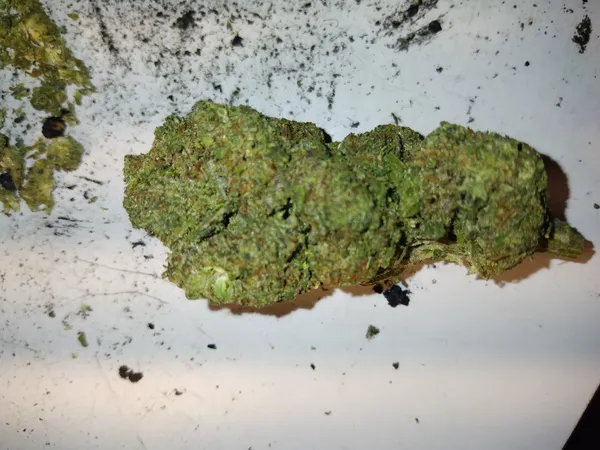
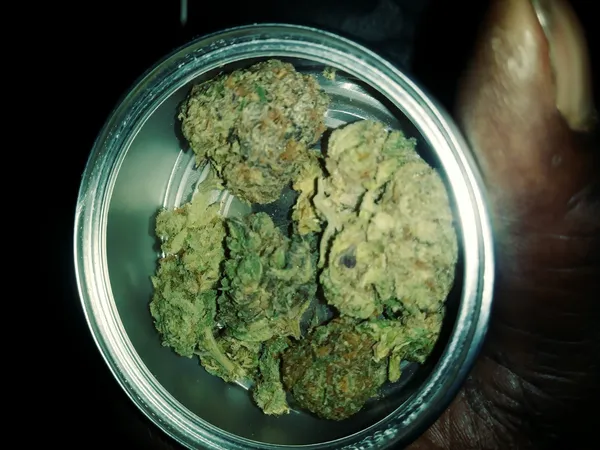
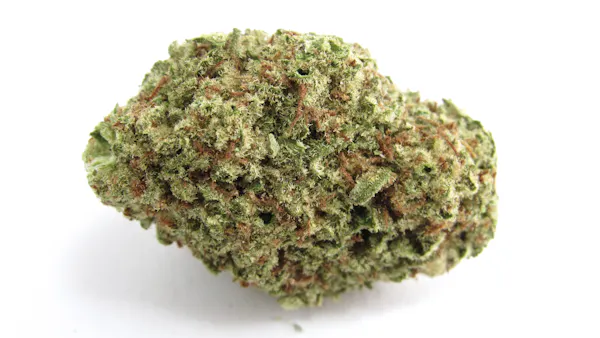
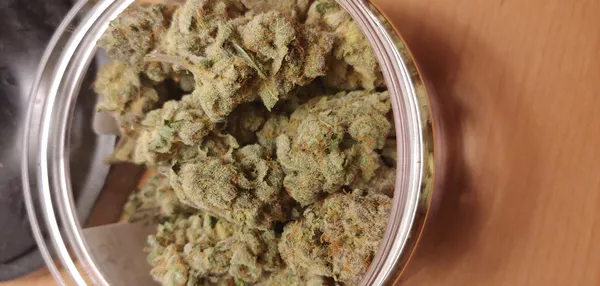
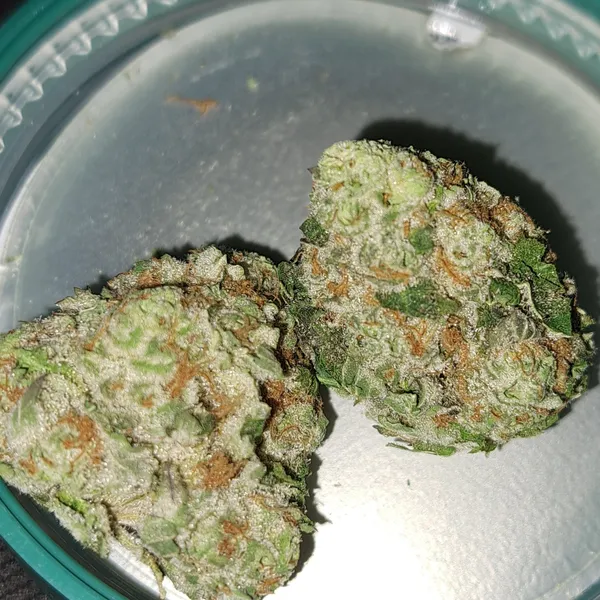
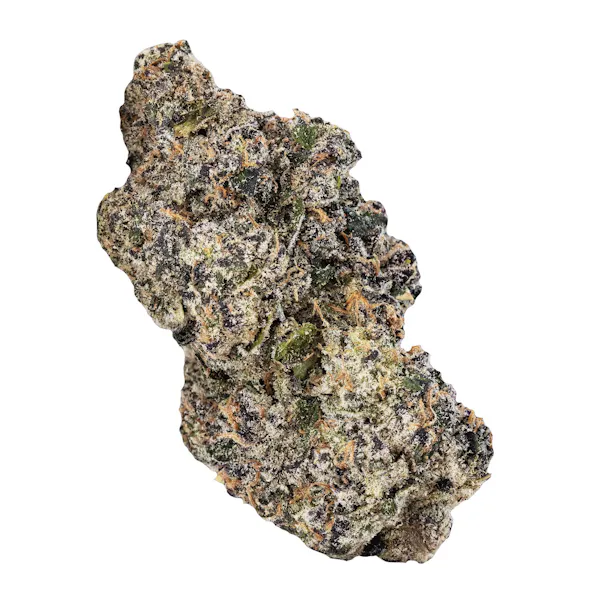
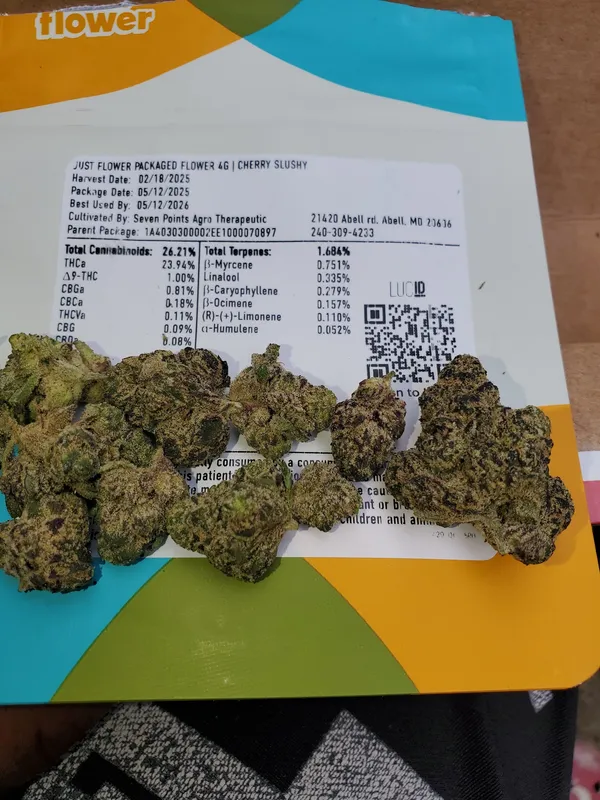
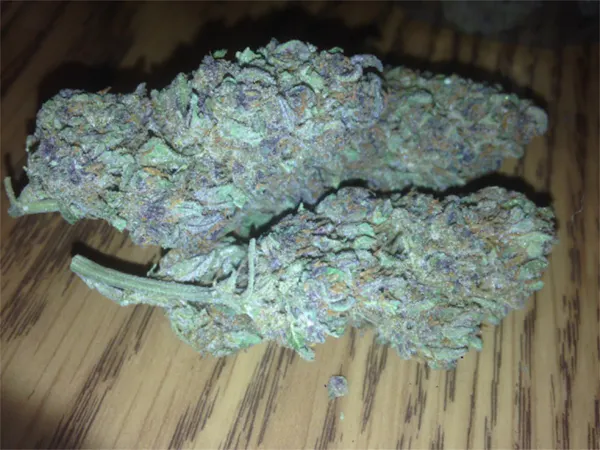
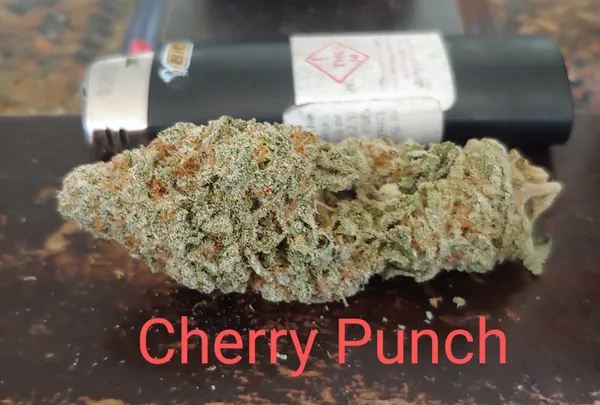
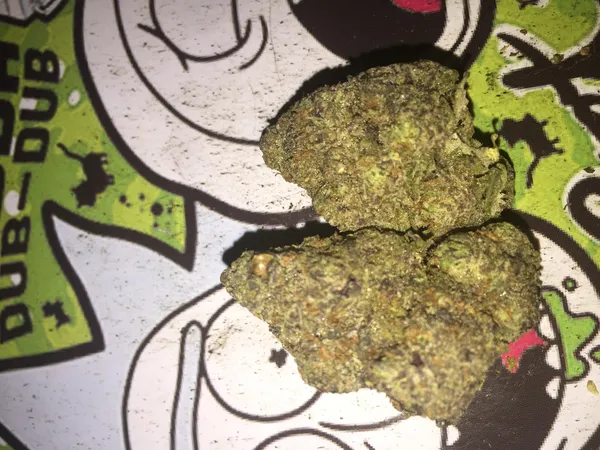
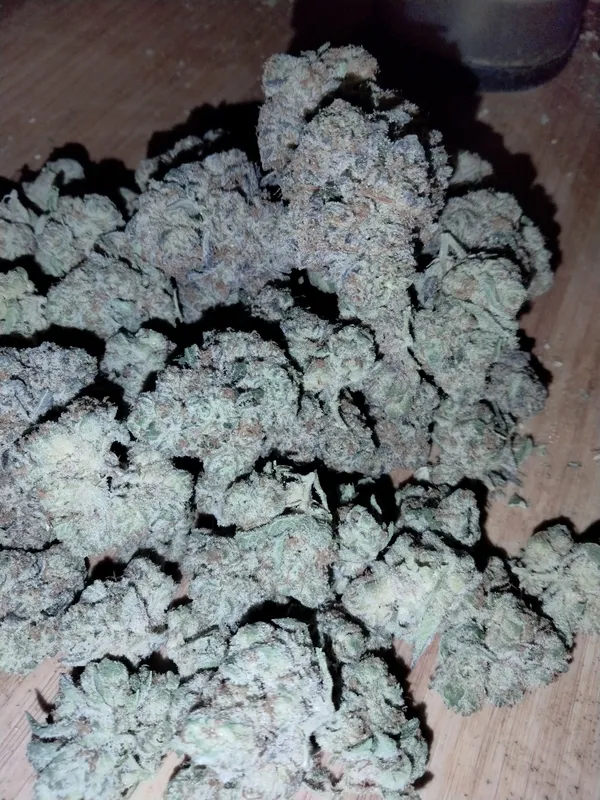
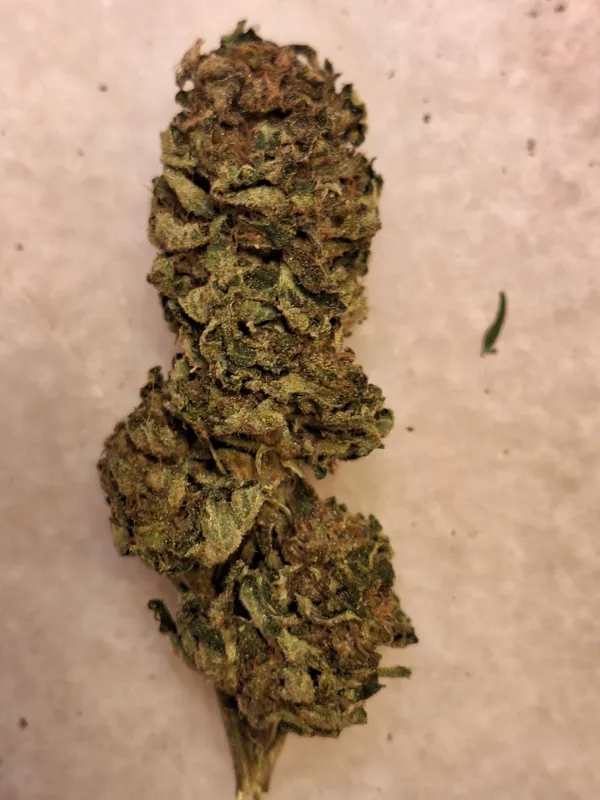
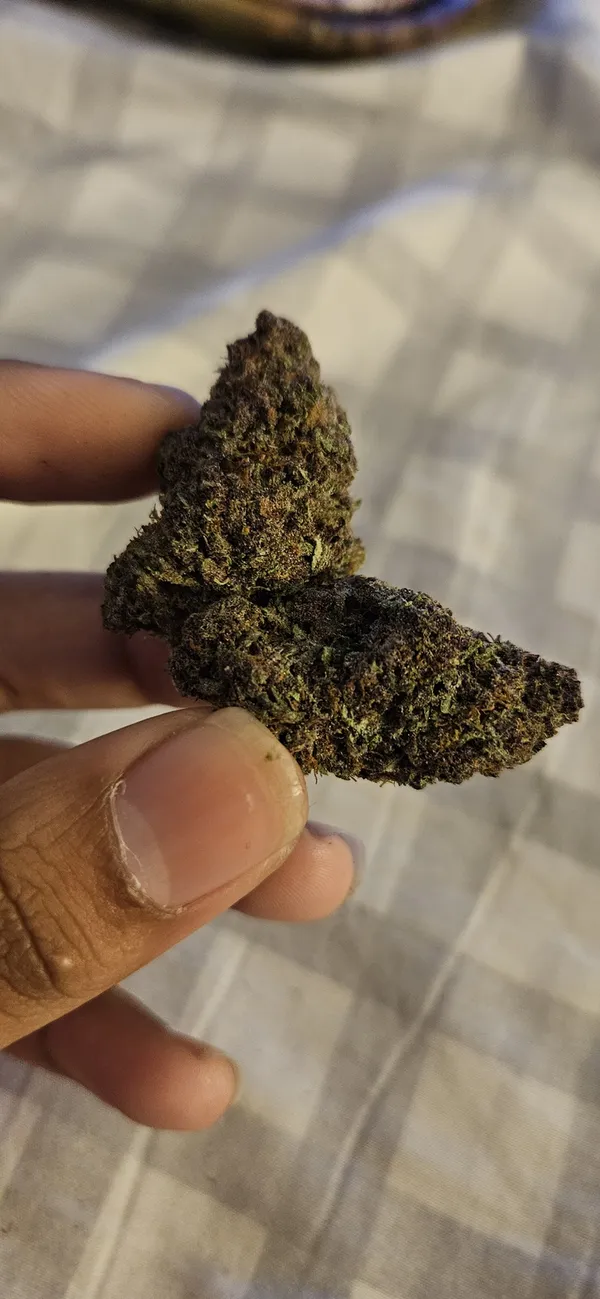
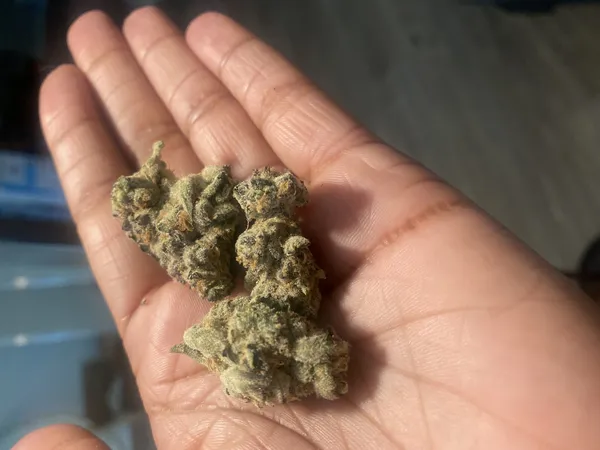
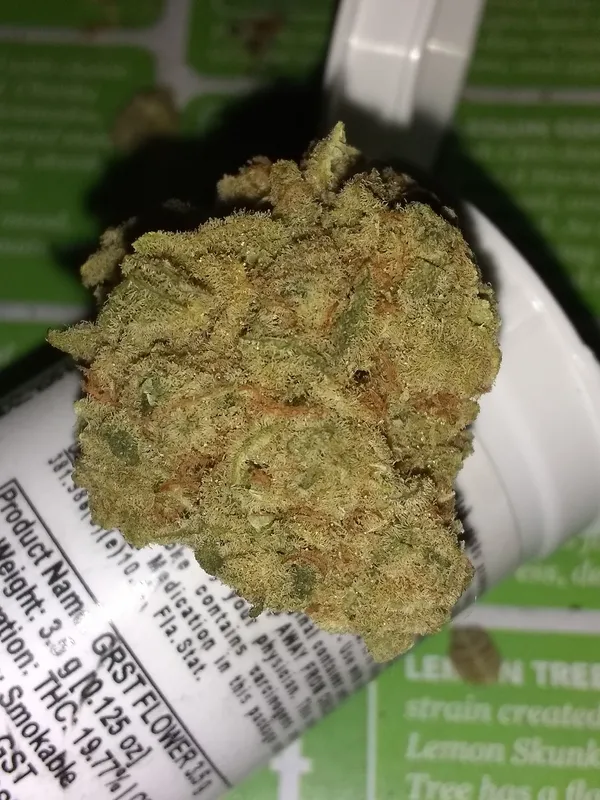
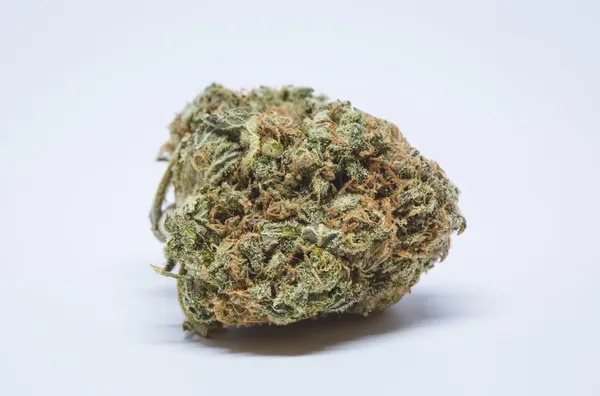
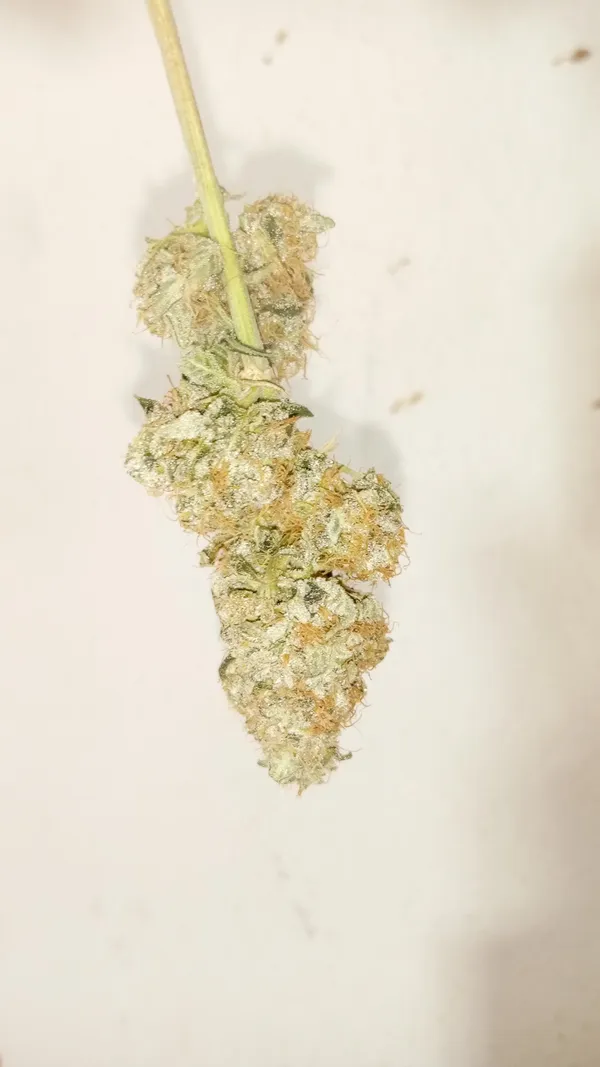
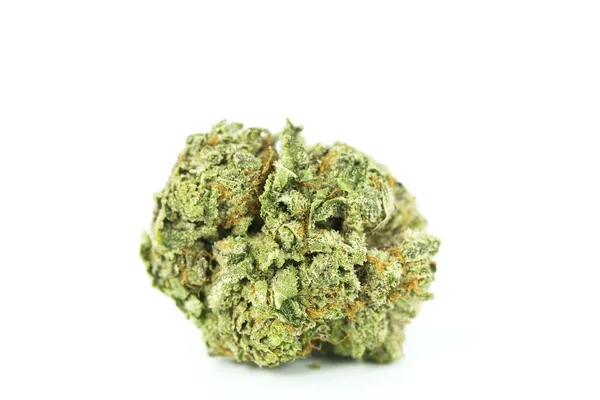
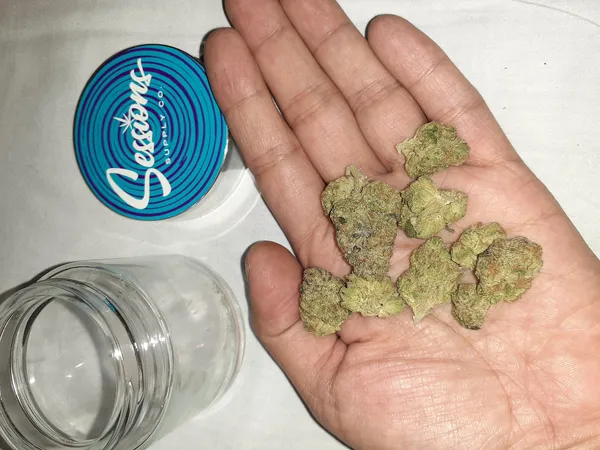
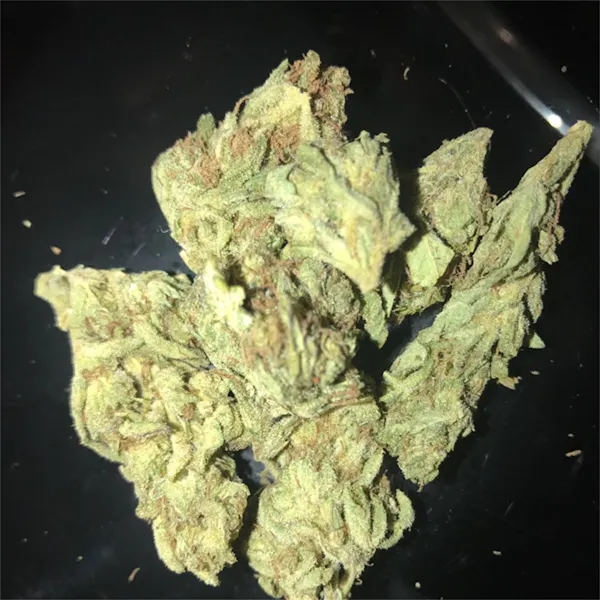
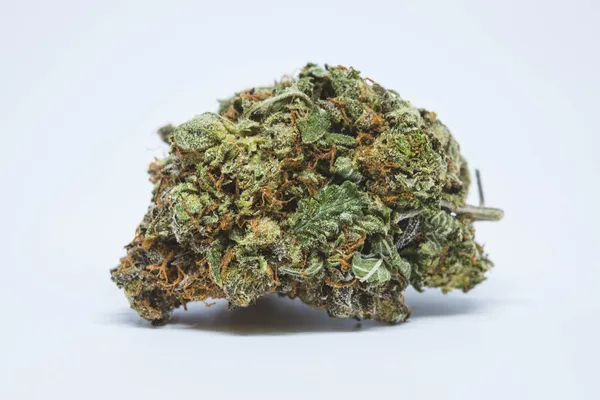
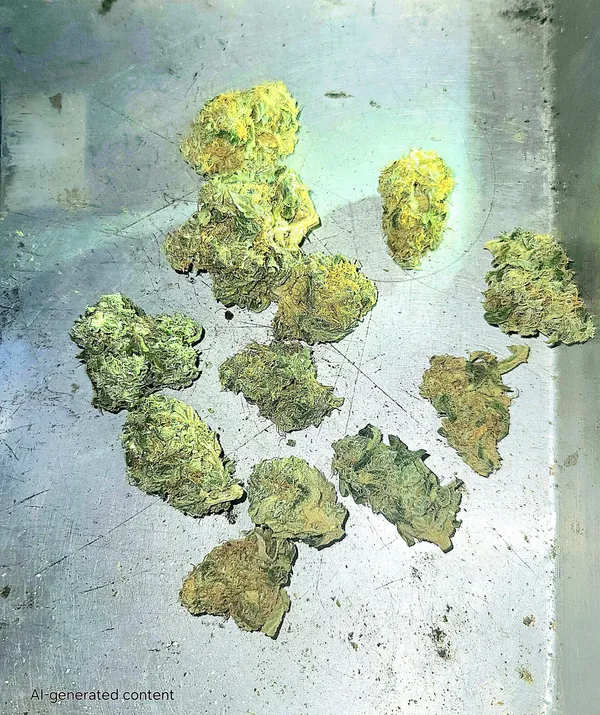
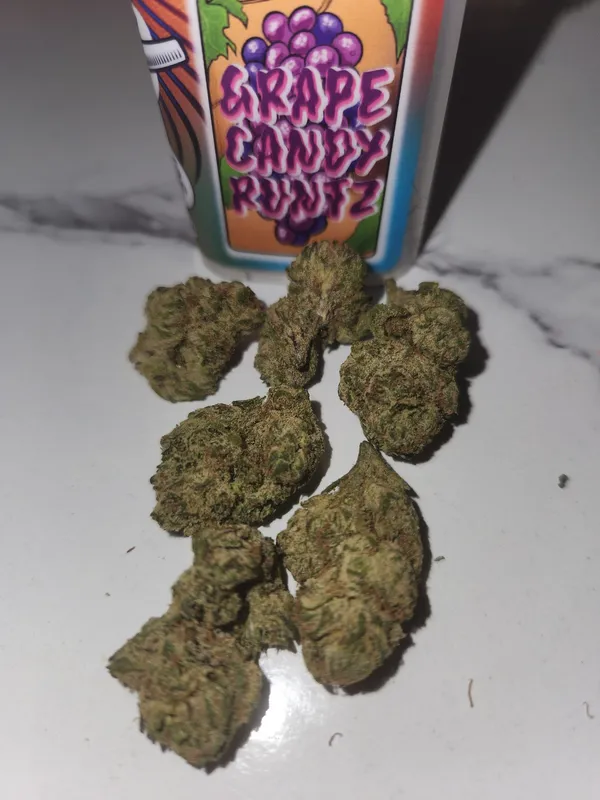
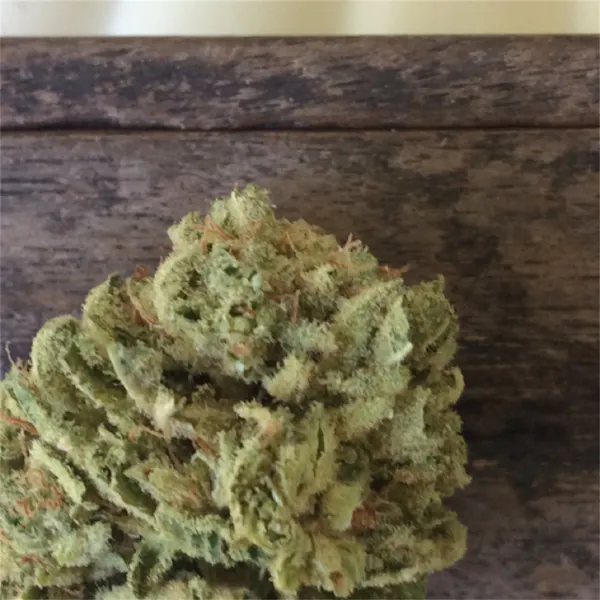
The cards below list the strains in our records tagged purple, with their type and tested numbers where we have them. Strain names are marketing as much as botany, so use them as a starting point, not a promise. For how indica, sativa and hybrid labels work, see indica vs sativa.
Related families that people often compare include kush, Runtz and Gelato, several of which have purple-leaning members.
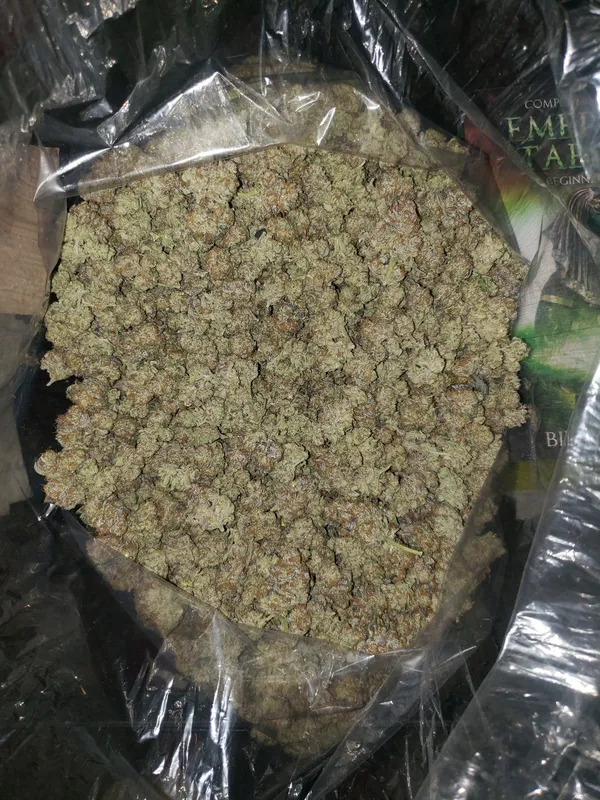
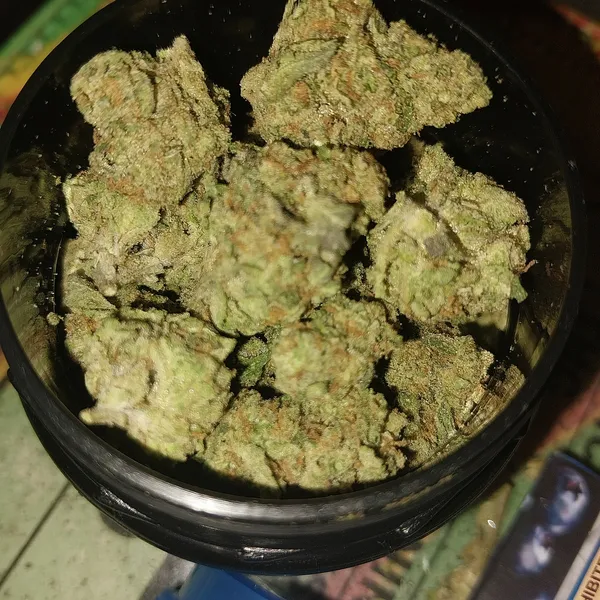
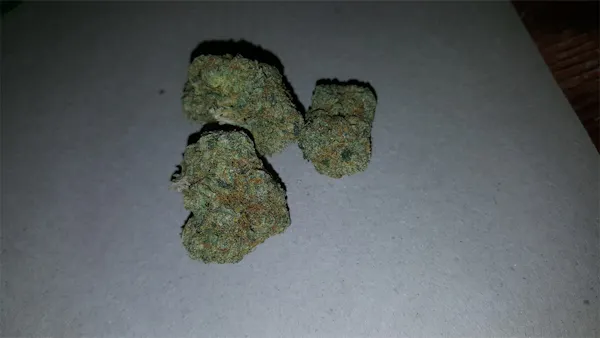
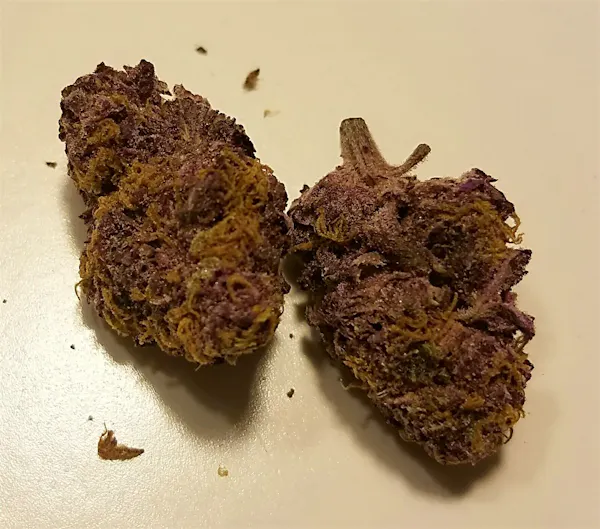
These are the 72 most searched. Search all Purple strains
Sources: link.springer.com, cannabissciencetech.com, en.wikipedia.org, canada.ca, laws-lois.justice.gc.ca