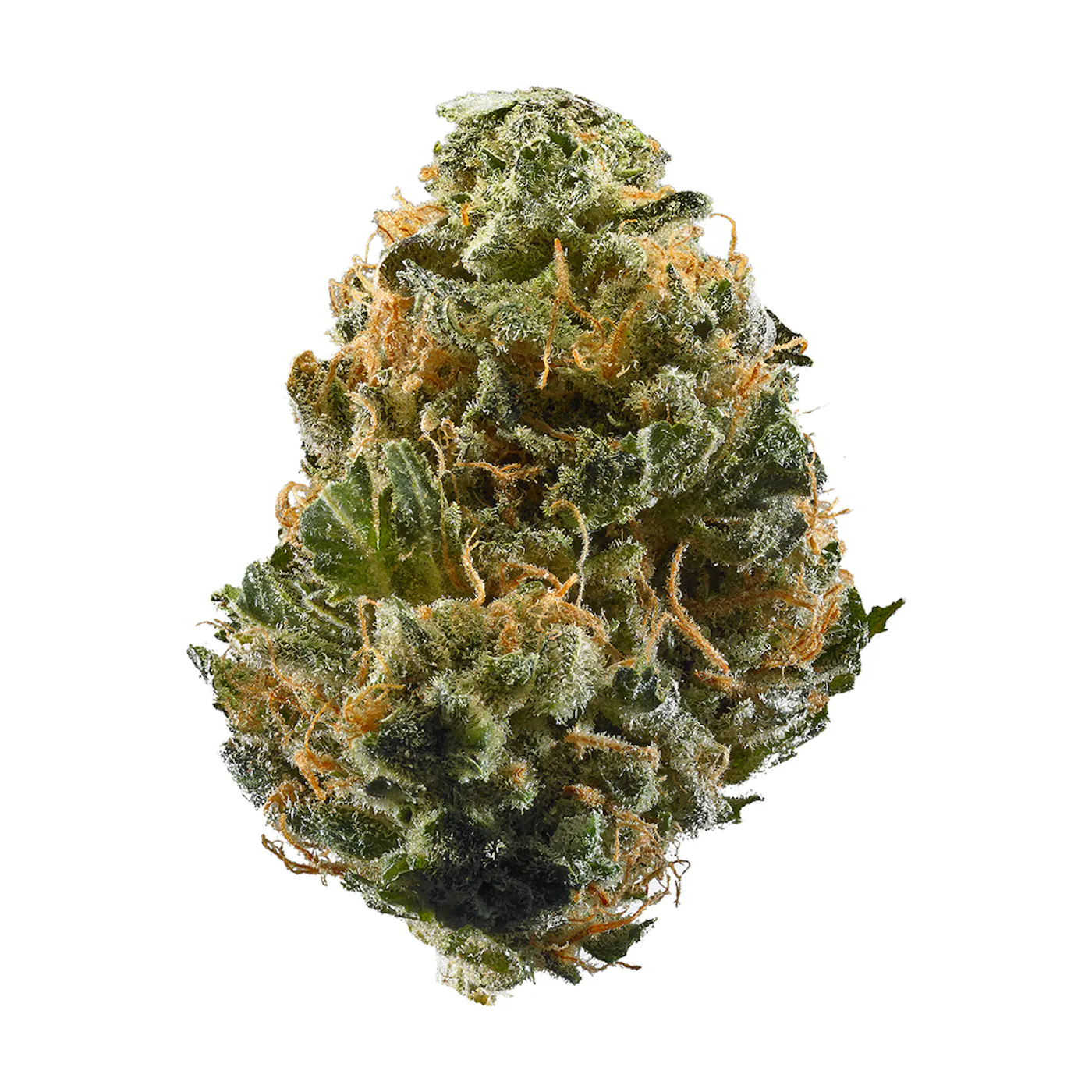
Haze strain guide
Haze is one of the oldest names in modern cannabis, a sativa that started in California in the late 1960s or early 1970s. People know it for a spicy, earthy smell with a little citrus, and an energetic, creative feel. It sits behind a long list of famous strains, from Jack Herer to Super Silver Haze.
Where does Haze come from?
Haze is usually traced to Santa Cruz, California, and to two growers known as the Haze Brothers. Much of the story is hearsay, and accounts don't agree on the date: some say the late 1960s, others the early 1970s.
The version told most often is that they combined landrace sativas from Mexico and Colombia, kept the best females, and crossed them with a Thai male. Some accounts add a South Indian landrace, but that part is disputed. Leaf Magazine describes it more simply as a Colombian-based Haze.
David Watson, known as Sam the Skunkman, is credited with keeping the line going and taking it to Amsterdam in the 1980s. Breeder Nevil Schoenmakers later worked Haze into crosses like Northern Lights #5 x Haze, and one strain database notes that much of what people call Haze today comes from those later lines. The original is often described as lost, though seed lines kept by Sam are still sold as Original Haze.
What does Haze smell and taste like?
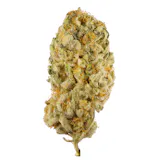
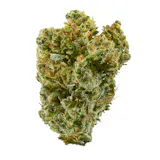
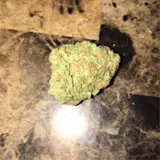
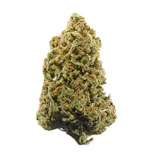
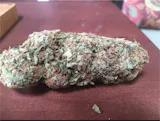
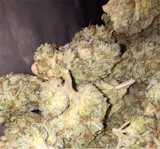
Haze smells spicy and herbal first, with earth, wood and a light citrus note. Some describe a tobacco or cedar side, and the sweetness is mild.
Myrcene often leads its terpene results, followed by pinene and caryophyllene. Myrcene brings the earthy tone, pinene a fresh pine note and caryophyllene the spice. The flavour follows the smell: herbal and peppery, with a little citrus on the finish.
Haze effects: what people report
People most often describe Haze as energetic, creative and uplifted, with a head-first feel rather than a heavy body one. Reviews mention feeling talkative and giggly, and it has a reputation as a daytime strain.
These are experiences people report, not promises. How it feels depends on the product, how much you have and your own tolerance. Dry mouth is a common complaint, and racy strains like this one get mentions of feeling paranoid, anxious or dizzy, especially at higher amounts.
How strong is Haze?
Haze is moderate to high in THC by today's standards. Listings put it around 14% to 23% THC with very little CBD.
If you're new to it, start small and wait before having more. The numbers on your label are for that batch and matter more than the strain name.
Buying Haze in Canada
Plain Haze is less common than its many offspring, so read the label closely. Super Silver Haze, Lemon Haze and Purple Haze are related but different strains.
Check the THC and CBD numbers and the packaging date. Fresher flower keeps more of that spicy, herbal smell.
Haze vs Jack Herer
Jack Herer is one of the best-known strains with Haze in its background, and the two share a clear, upbeat reputation. Haze leans spicy and earthy, while Jack Herer smells sharper, with more pine and a bright herbal note. People describe both as energetic, with Jack Herer often called more focused and Haze more creative and talkative. If you want the old-school original, try Haze. If you prefer a piney, focused take, Jack Herer is the easier one to find.
Strains like Haze
If you like Haze, these are the closest matches:
- Jack Herer: a Haze descendant with a sharp pine and spice smell.
- Super Silver Haze: a Haze hybrid with a citrus and spice nose and the same upbeat feel.
- Purple Haze: a Haze cross with a sweeter berry side.
- Thai: a landrace sativa often named as part of the Haze mix.