StrainsTerpenesGuidesDispensaries
weeddb
StrainsTerpenesGuidesDispensaries

Get new strain guides and deals

Yes, email me new strain guides, deals and WeedDB news. I can unsubscribe at any time. Privacy policy

weeddb
StrainsIndicaSativaHybridTerpenesGuidesAboutContactPrivacyTermsDispensaries
19+ only. Please consume responsibly. © 2026 WeedDB
Home›Guides›Runtz strains: origin, lineage, and every Runtz variant
Guide

Runtz strains: origin, lineage, and every Runtz variant

Runtz is a candy-sweet hybrid reported to be a cross of Zkittlez and Gelato. It became one of the most copied strain names of the late 2010s, so the Runtz family now includes dozens of crosses and flavour-named variants.

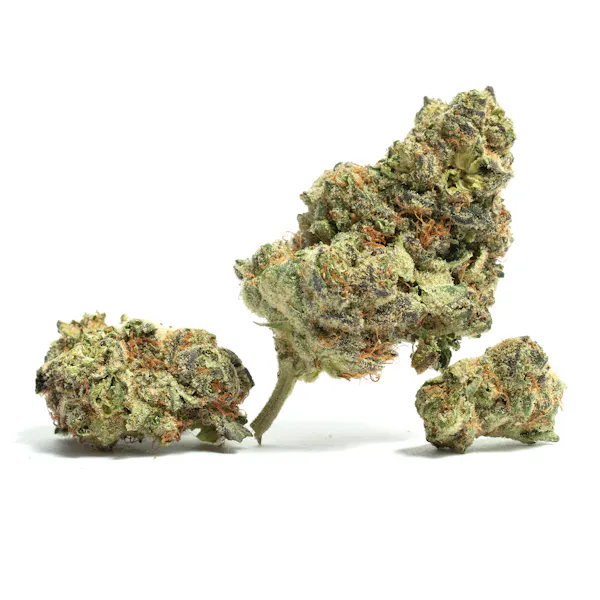
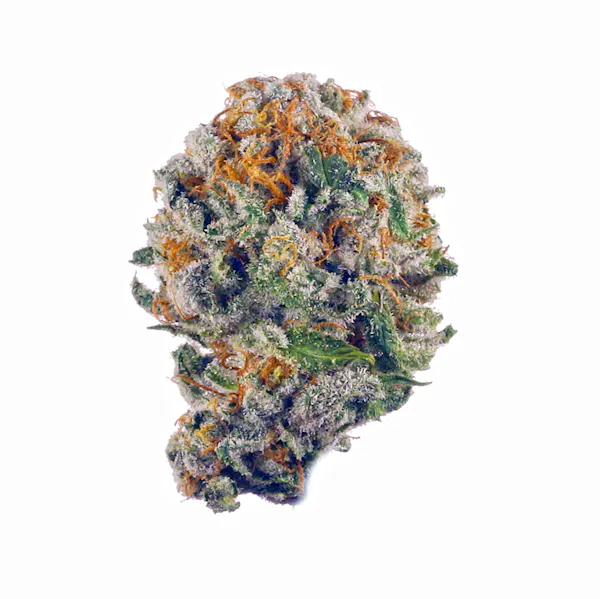
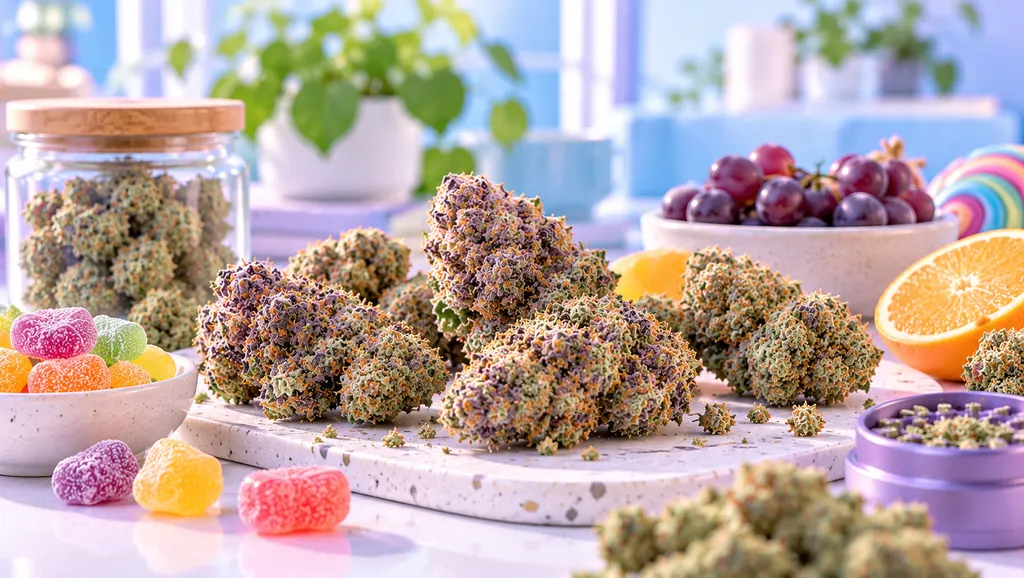
Frosty cannabis buds surrounded by colourful candies and gummies

5 min read · Updated October 25, 2026 · WeedDB editors

Runtz is a hybrid strain reported to come from crossing Zkittlez and Gelato, and it's known for a fruity, candy-like smell. Its popularity set off a wave of Runtz-named strains, which makes the family large and a little confusing. Here's the origin, the lineage, the smell, and every Runtz strain in our database.

What is Runtz?Where did Runtz come from?Why did Runtz blow up?Runtz strains at a glanceWhat does Runtz smell like?White Runtz, Pink Runtz, Rainbow Runtz and other variantsHow to choose between Runtz-family strainsRuntz in CanadaRuntz strains in our database

What is Runtz?

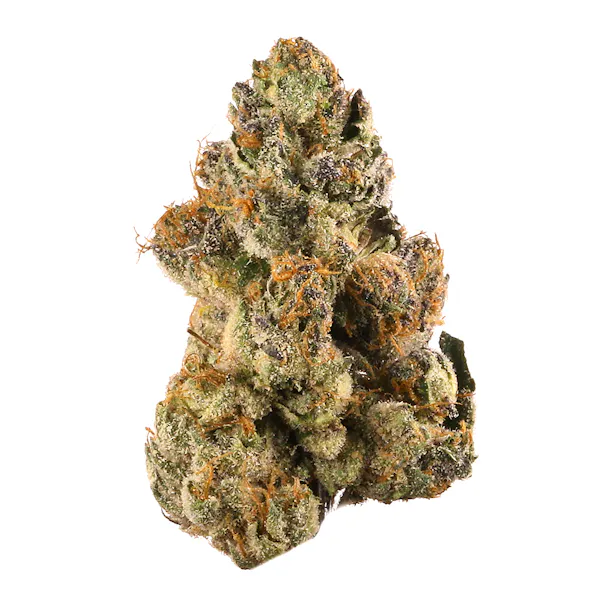
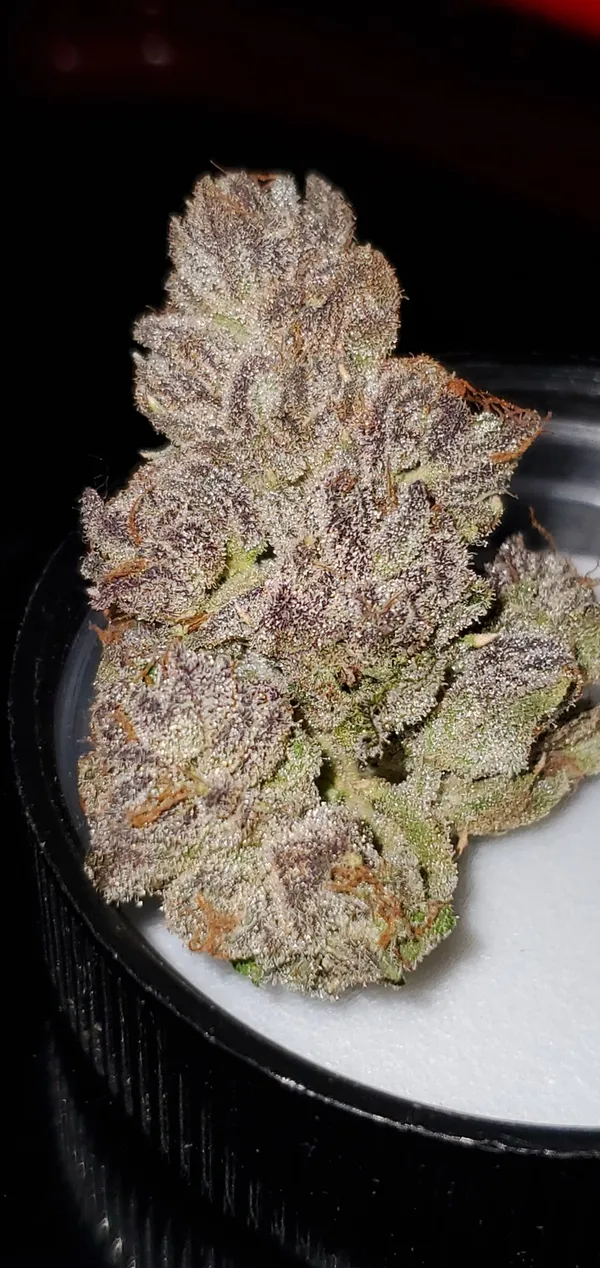
Runtz is a hybrid cannabis strain, most often reported as a cross of Zkittlez and Gelato. It's usually described as a sweet, fruity flower with a candy-like aroma, and its name is generally linked to the sweet it resembles.

Like most modern strains, its parentage comes from breeders and menus rather than from independent testing, so treat it as reported lineage. If you're new to how labels and types work, start with our guide to indica vs sativa and the phenotype guide.
Popular Runtz strains
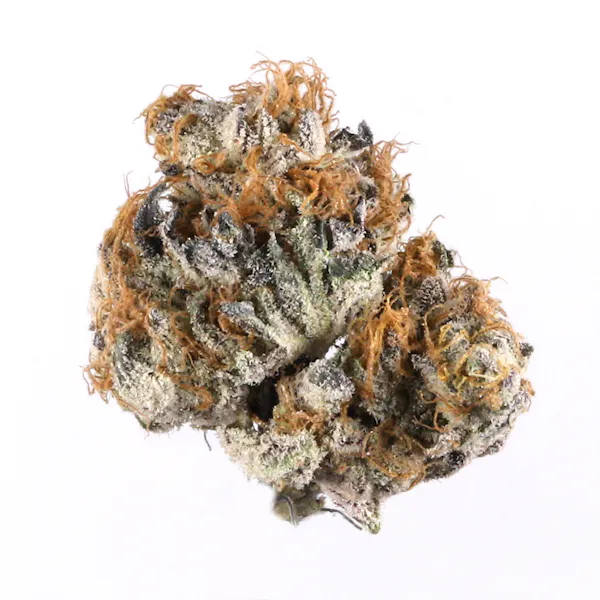
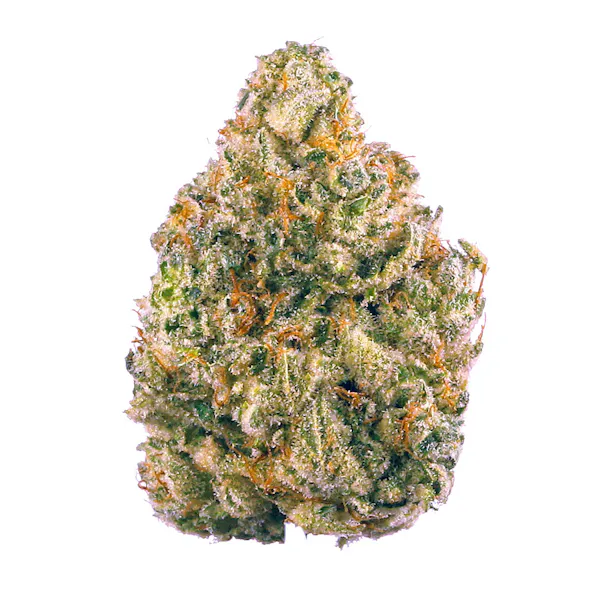
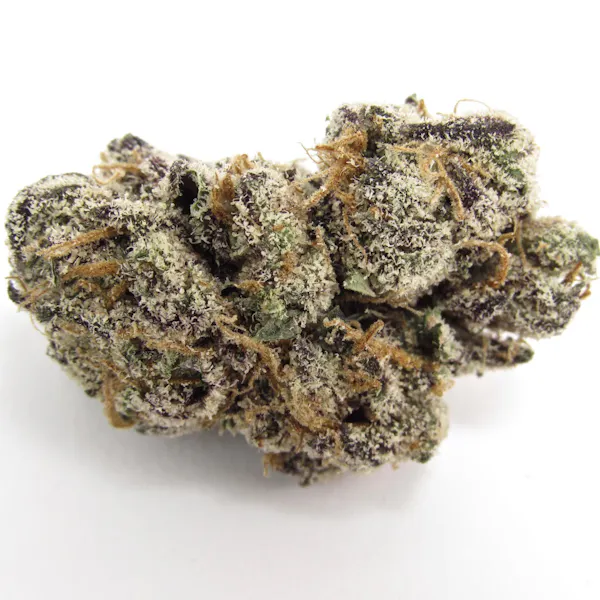
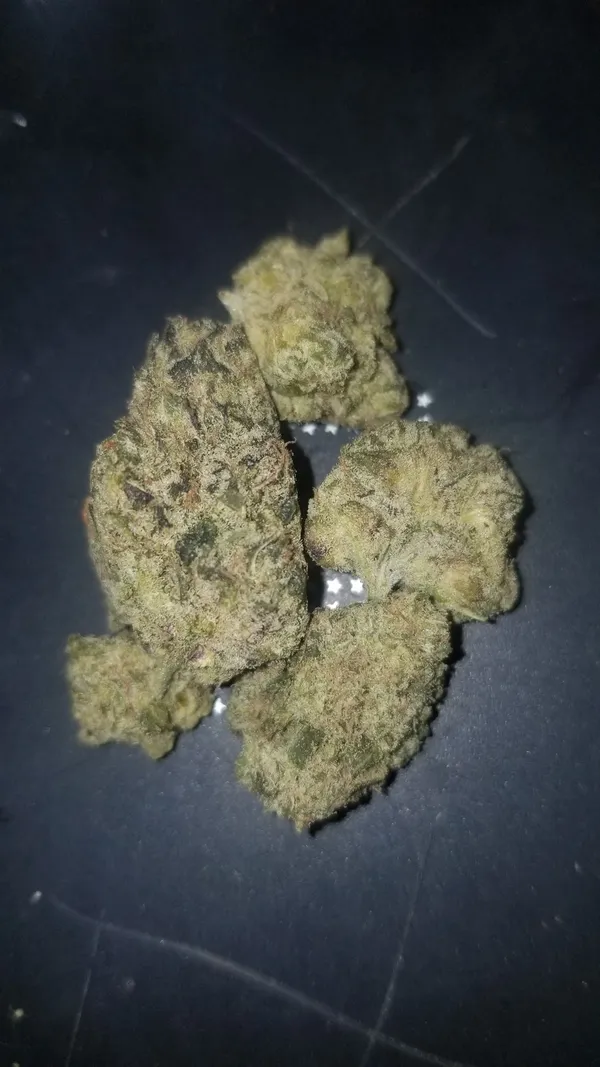
Runtz strainHybridRuntzTHC 19–30% · CaryophyllenePink Runtz strainHybridPink RuntzTHC 23–27% · LimoneneWhite Runtz strainHybridWhite RuntzTHC 18–30% · CaryophylleneBlue Nerds strainHybridBlue NerdsTHC 18–27% · CaryophylleneBolo Runtz strainHybridBolo RuntzTHC 19–24% · MyrceneBlack Runtz strainHybridBlack RuntzTHC 19–29% · LimoneneCadillac Rainbow strainHybridCadillac RainbowTHC 24–32% · CaryophylleneRainbow Runtz strainHybridRainbow RuntzTHC 21–26% · CaryophylleneObama Runtz strainHybridObama RuntzTHC 14–29%Cherry Runtz strainHybridCherry RuntzTHC 17–32% · LimoneneSuper Runtz strainHybridSuper RuntzTHC 20–27% · CaryophylleneCandy Runtz strainHybridCandy RuntzTHC 19–38%

Where did Runtz come from?

Runtz is generally credited to California breeders working with the Cookies and Runtz teams, and it reached the market in the late 2010s. Reports describe it as a selection from a Zkittlez and Gelato cross, though exact details differ between accounts. We keep this to the historical record and leave the marketing to others.

Its two parents tell you most of what you need. Gelato comes from the Cookies family, built on Sunset Sherbet and a Girl Scout Cookies cut. Zkittlez is a fruit-forward strain with its own large following. Runtz sits where the two meet, which is why it reads as part dessert, part fruit candy. For more on the Gelato side, see our Gelato strains guide.

StrainReported parentageRole
ZkittlezFruit-forward hybridParent of Runtz
GelatoSunset Sherbet with Thin Mint Girl Scout CookiesParent of Runtz
RuntzZkittlez with GelatoThe family namesake
Gelato RuntzReported Gelato and Runtz lineA back-cross style name
The family tree behind Runtz, as widely reported.

Why did Runtz blow up?

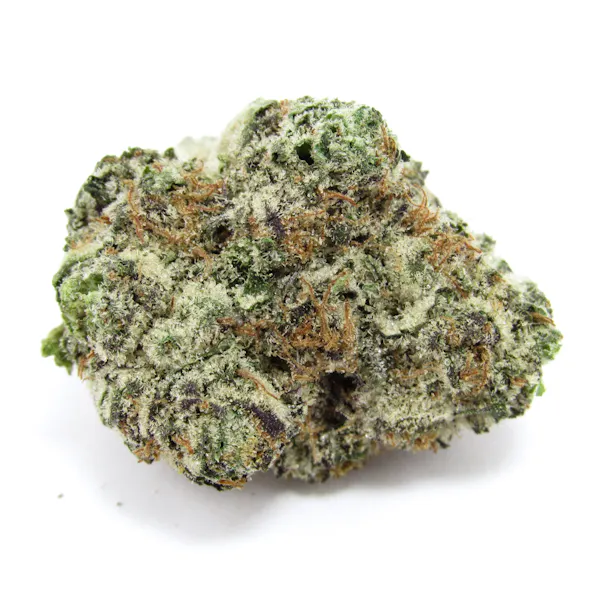
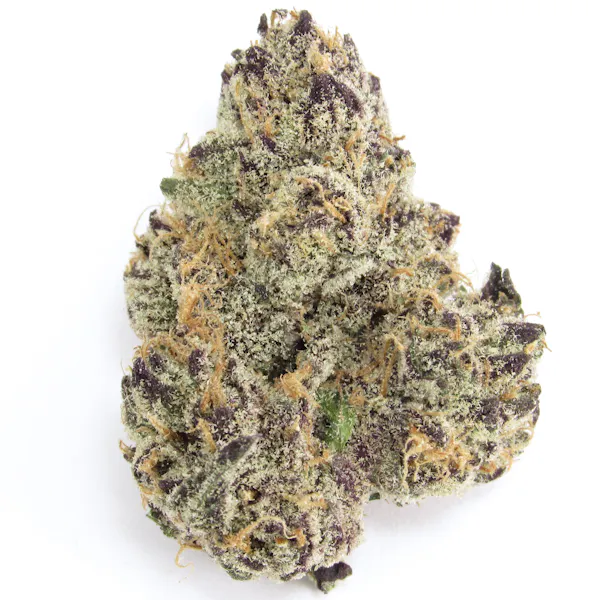
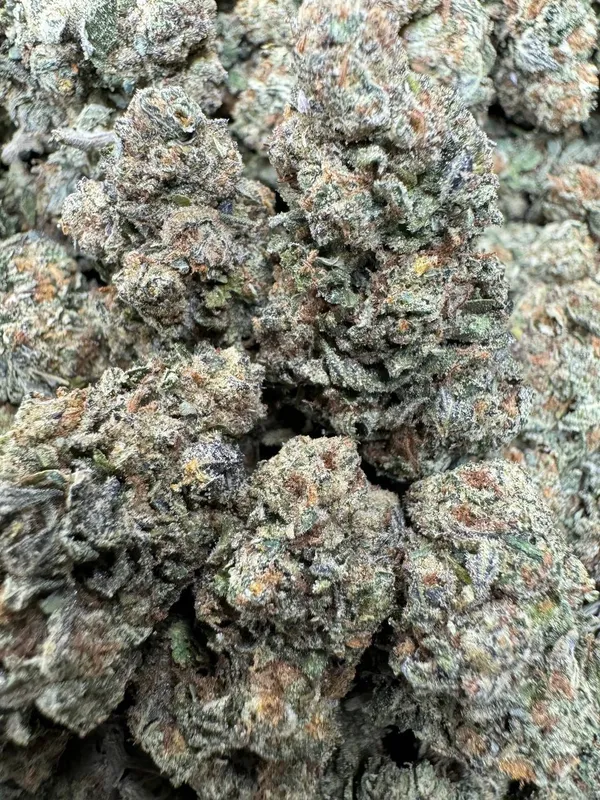
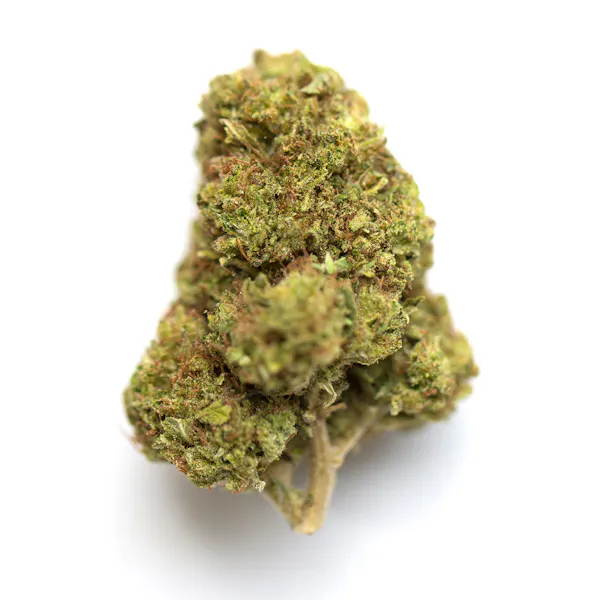
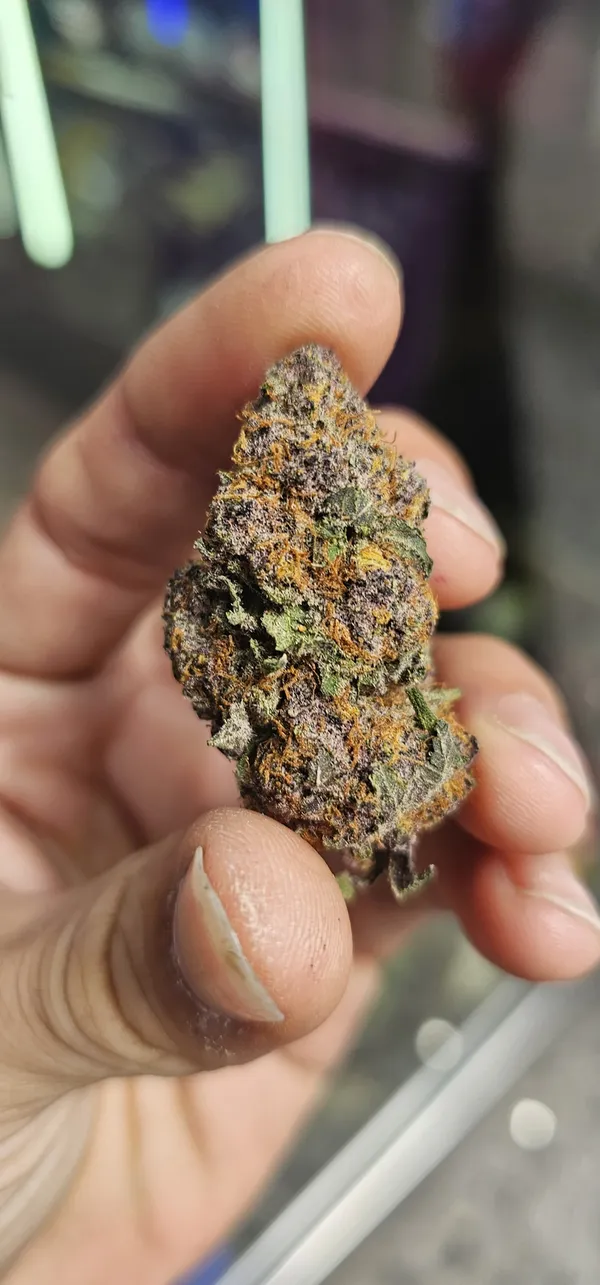
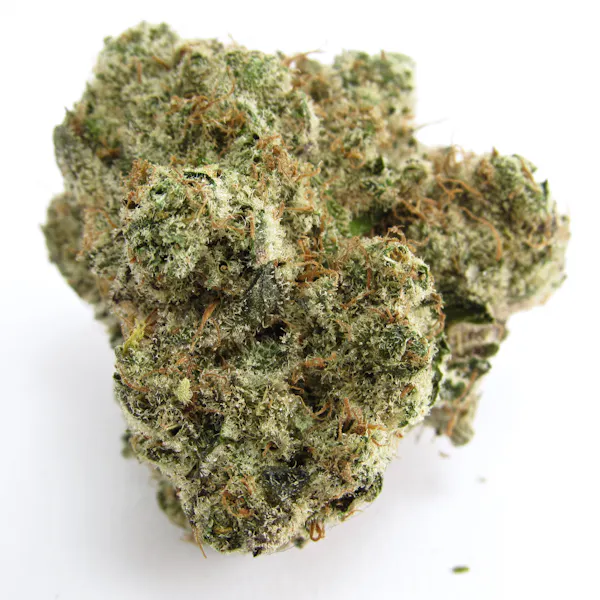
Two things drove it: the look and the smell. Runtz buds are often colourful and heavily frosted, and the aroma is easy to describe, which made it easy to talk about and easy to remember. A distinct name plus a distinct smell travels well.

Once a name sells, others borrow it. That's why you'll see Runtz attached to many strains that are crosses with other genetics, and some that carry the name mostly for recognition. The Runtz label on a jar doesn't guarantee the same plant, so read the lab results for what's actually inside, using our guide to reading cannabis labels.

Runtz strains at a glance

The summary below is computed from our records and shows how many Runtz-family strains we track, how they split by type, and their typical THC.

Runtz strains
113
Indica-leaning
35
Hybrid
69
Sativa-leaning
3
Typical THC
25%
Strains in WeedDB named Runtz or bred from a documented Runtz parent. Typical THC is the median midpoint of their published ranges.

What does Runtz smell like?

Runtz is most often described as sweet and fruity, with candy, tropical and sometimes creamy notes. That kind of aroma usually tracks with terpenes such as limonene, caryophyllene and linalool, though a given batch can lead with something else. Our guide to what weed smells like explains how those scents map to terpenes.

The charts below come straight from our strain records. The first shows how THC spreads across the Runtz family, and the second shows which terpene leads most often. These are reported lab values, so any single batch can sit well outside them.

THC ranges for the most searched Runtz strains

  • Runtz19–30%
  • Pink Runtz23–27%
  • White Runtz18–30%
  • Blue Nerds18–27%
  • Bolo Runtz19–24%
  • Black Runtz19–29%
  • Cadillac Rainbow24–32%
  • Rainbow Runtz21–26%
  • Obama Runtz14–29%
  • Cherry Runtz17–32%
  • Super Runtz20–27%
  • Candy Runtz19–38%
Ranges from published lab results and listings, on a 0 to 40% scale. The label on your batch is what counts.

Which terpene leads in Runtz strains

  • Caryophyllene48%
  • Limonene33%
  • Myrcene17%
  • Terpinolene2%
Share of the 64 Runtz strains with a terpene profile where each terpene is reported first.

White Runtz, Pink Runtz, Rainbow Runtz and other variants

Colour and flavour names such as White, Pink, Rainbow, Gas and Cake are everywhere in the Runtz family. These names can mean a different selected cut, a cross with another strain, or simply a marketing choice, and no registry standardizes them. We don't make claims about which is which.

The practical advice is the same for all of them: compare the lab results on the package. Look at Total THC and the terpene list, and treat the name as a hint. A phenotype or cut number, where one is given, is the more specific detail, which is covered in our phenotype guide.

How to choose between Runtz-family strains

With so many names, the useful comparison is on the label. Start with Total THC, which Canadian packages must show, and then look for the terpene list. Two Runtz-named jars with the same THC can smell very different if their terpenes lead with different compounds.

Next, check the harvest or packaged date and how the flower was stored. Freshness changes aroma more than the name does. Our guides on whether weed expires and how long a high lasts cover storage and what to expect. Start low if a strain is new to you, particularly with high-THC flower.

It also helps to know how the strain is consumed. Dried flower can be smoked in a joint or vaped, and the aroma that makes Runtz popular is strongest in fresh, properly cured flower. Pre-rolls and concentrates sold under the Runtz name follow the same labelling rules, but the product format changes the experience, so read the format as well as the strain name.

If you prefer a sense of the family before you shop, the chart above shows where most Runtz-family strains fall on THC, and the list at the bottom lets you open any strain for its own numbers. Higher THC is not automatically better: it only means more THC by weight, and tolerance differs between people.

Runtz in Canada

Under the Cannabis Act, any strain sold in Canada comes from a federally licensed producer and is bought through a provincially authorized retailer. Runtz is treated like every other strain: it carries the same labelling, packaging and THC reporting rules. Adults can possess up to 30 g of dried cannabis in public.

If you want to see how that amount measures out, read our weed measurements guide.

Runtz strains in our database

Browse the most searched strains in the Runtz family below, with a search link for the rest. The list is generated from our records, so it updates on its own.
Runtz strains in WeedDB (113)
Showing 1–24 of 72 strains
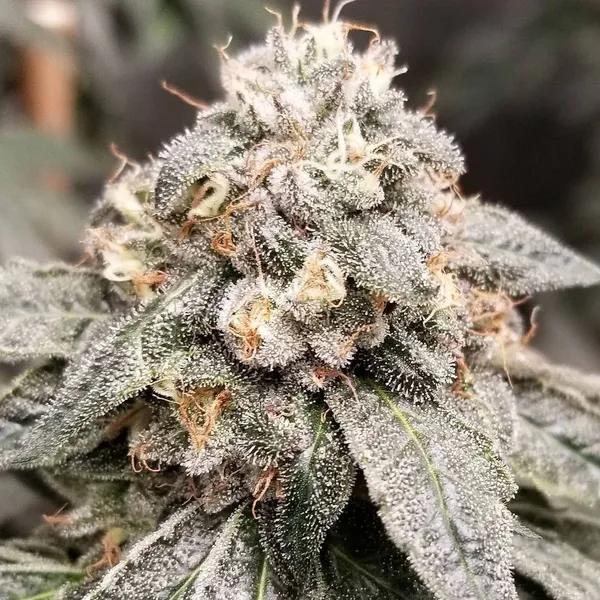
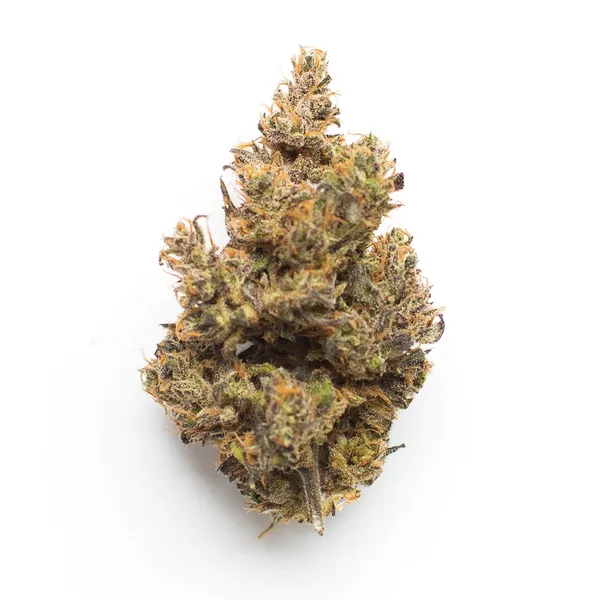
Runtz strainHybridRuntzTHC 19–30% · Caryophyllene
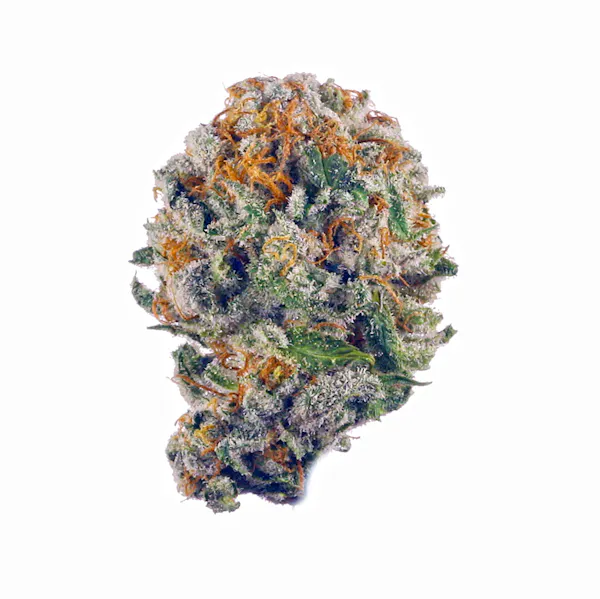
Pink Runtz strainHybridPink RuntzTHC 23–27% · Limonene
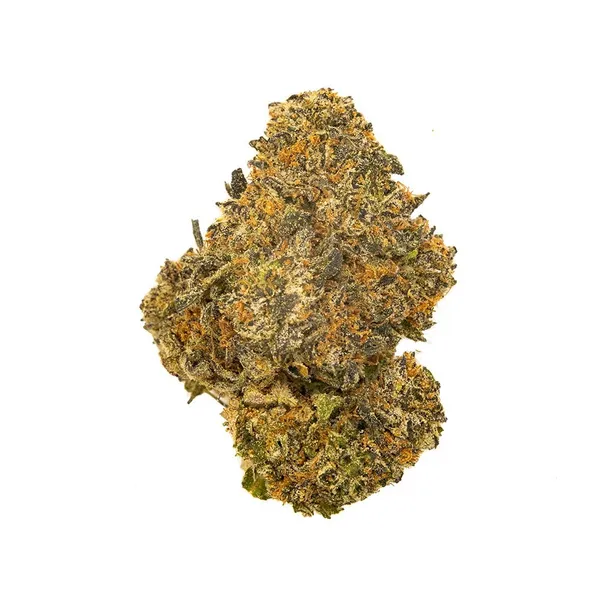
White Runtz strainHybridWhite RuntzTHC 18–30% · Caryophyllene
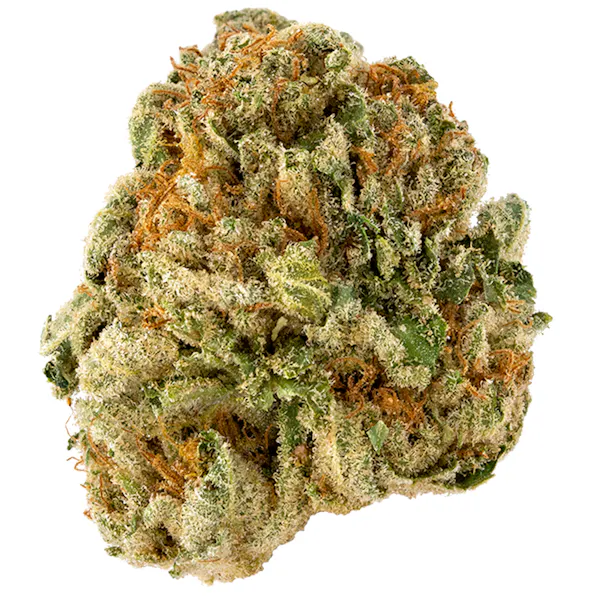
Blue Nerds strainHybridBlue NerdsTHC 18–27% · Caryophyllene
Bolo Runtz strainHybridBolo RuntzTHC 19–24% · Myrcene
Black Runtz strainHybridBlack RuntzTHC 19–29% · Limonene
Cadillac Rainbow strainHybridCadillac RainbowTHC 24–32% · Caryophyllene
Rainbow Runtz strainHybridRainbow RuntzTHC 21–26% · Caryophyllene
Obama Runtz strainHybridObama RuntzTHC 14–29%
Cherry Runtz strainHybridCherry RuntzTHC 17–32% · Limonene
Super Runtz strainHybridSuper RuntzTHC 20–27% · Caryophyllene
Candy Runtz strainHybridCandy RuntzTHC 19–38%
Jokerz strainHybridJokerzTHC 19–28% · Limonene
Blue Runtz strainHybridBlue RuntzTHC 19–24% · Limonene
Spritzer strainHybridSpritzerTHC 28–32% · Caryophyllene
Bubblegum Runtz strainHybridBubblegum RuntzTHC 19–24% · Caryophyllene
Purple Runtz strainHybridPurple RuntzTHC 14–18% · Limonene
Gruntz strainHybridGruntzTHC 15–32% · Caryophyllene
Red Runtz strainHybridRed RuntzTHC 25%
Banana Runtz strainHybridBanana RuntzTHC 20–30% · Caryophyllene
Canal Street Runtz strainHybridCanal Street RuntzTHC 30–35%
Lemon Cherry Runtz strainHybridLemon Cherry RuntzTHC 19–23%
Apple Tartz strainHybridApple TartzTHC 25–27% · Myrcene
Space Runtz strainHybridSpace RuntzTHC 20–22% · Limonene
Tropical Runtz strainHybridTropical RuntzTHC 20–24% · Myrcene
Lantz strainHybridLantzTHC 25–31%
Red Bullz strainHybridRed BullzTHC 24–29%
ArAdl RuntzType not listed yet
LoHybridLit OGTHC 25–31%
Slapz strainHybridSlapzTHC 22–26% · Limonene
Rose Gold Runtz strainHybridRose Gold RuntzTHC 25–32%
Strawberry Runtz strainHybridStrawberry RuntzTHC 21–36%
DrHybridDouble RuntzTHC 20–31% · Caryophyllene
Grape Runtz strainHybridGrape RuntzTHC 19–26% · Caryophyllene
Lychee strainHybridLycheeTHC 24–25%
Watermelon Runtz strainHybridWatermelon RuntzTHC 22–29% · Caryophyllene
Hood Candyz strainHybridHood CandyzTHC 21–25% · Caryophyllene
Ice Cream Runtz strainHybridIce Cream RuntzTHC 19–23% · Caryophyllene
Sour Runtz strainHybridSour RuntzTHC 30%
Detroit Runtz strainHybridDetroit RuntzTHC 20–39%
Gogurtz strainHybridGogurtzTHC 26–28%
White Gummy strainHybridWhite GummyTHC 25–27% · Limonene
Pineapple Runtz strainHybridPineapple RuntzTHC 26–30%
Galactic Runtz strainHybridGalactic RuntzTHC 25–27% · Myrcene
Heir Heads strainHybridHeir HeadsTHC 23–30%
Vice City strainHybridVice CityTHC 19–30% · Myrcene
Wham strainHybridWhamTHC 37–38% · Myrcene
Royal Runtz strainHybridRoyal RuntzTHC 19–29% · Limonene
Hollywood strainHybridHollywoodTHC 25–27%
Coochie Runtz strainHybridCoochie RuntzTHC 29–33%
Gelato Runtz strainHybridGelato RuntzTHC 20–29% · Limonene
Apple Runtz strainHybridApple RuntzTHC 14–25% · Limonene
BrBlueberry RuntzType not listed yet
Hawaiian Runtz strainHybridHawaiian RuntzTHC 15–25%
Sunset Runtz strainHybridSunset RuntzTHC 23–29% · Limonene
Runtz Cake strainHybridRuntz CakeTHC 18–24% · Caryophyllene
Garlic Runtz strainHybridGarlic RuntzTHC 15–28%
Lickz strainHybridLickzTHC 18–25% · Limonene
Airheadz strainHybridAirheadzTHC 21–35% · Myrcene
Greasy Runtz strainHybridGreasy RuntzTHC 20–24% · Limonene
RlHybridRidgeline LantzTHC 26–31% · Limonene
Mochi Runtz strainHybridMochi RuntzTHC 13–25% · Caryophyllene
Candy Chrome strainHybridCandy ChromeTHC 20–32%
Berry Runtz strainHybridBerry RuntzTHC 20–21% · Caryophyllene
Lemon Runtz strainHybridLemon RuntzTHC 19–23% · Limonene
Red Velvet Runtz strainHybridRed Velvet RuntzTHC 23–31%
Runtz Muffin strainHybridRuntz MuffinTHC 20–29%
Gary Poppins strainHybridGary PoppinsTHC 25–30% · Caryophyllene
Iverson 01 strainHybridIverson 01THC 29–35%
Forbidden Runtz strainHybridForbidden RuntzTHC 20–26% · Caryophyllene
Designer Runtz strainHybridDesigner RuntzTHC 20–30% · Terpinolene
LrLA RuntzType not listed yet

These are the 72 most searched. Search all Runtz strains

A final reminder: a name tells you about marketing and, at best, reported lineage. The package's lab numbers tell you what's actually in the jar.

Sources: leafly.com, leafly.com, leafly.com, canada.ca, laws-lois.justice.gc.ca

Common questions

What is Runtz made from?

Runtz is most often reported as a cross of Zkittlez and Gelato. Like most strains, that lineage comes from breeders and not from independent testing.

Is Runtz indica or sativa?

It is generally listed as a balanced hybrid. The indica and sativa labels are only a rough guide, so check the terpene profile on the package.

What does Runtz smell like?

Most descriptions point to sweet, fruity, candy-like notes. The exact smell depends on the batch and its terpene profile.

Is White Runtz the same as Runtz?

Not necessarily. Colour and flavour names can mean a different cut, a different cross, or a naming choice, so compare lab results rather than the name.

How strong is Runtz?

Strength varies by batch. Check Total THC on the label, and see the chart on this page for the range across Runtz-family strains in our records.

How is Runtz related to Gelato?

Gelato is one of Runtz's two reported parents, the other being Zkittlez. That makes Gelato and Runtz close relatives in the same family.

Keep reading

Indica vs sativa: what the labels really meanIndica, sativa and hybrid are old plant names that shops now use as shorthand for how a strain might feel: indica for calm and heavy, sativa for bright and lively, hybrid for somewhere between. Genetic and chemical studies show the labels only loosely match what's actually in the jar, so the THC and CBD numbers, the terpenes and your own dose tell you much more.THCA vs THC: what the difference really isTHCA is the raw, acidic form of THC that cannabis plants actually make, and on its own it isn't considered intoxicating. Heat strips off part of the molecule and turns THCA into THC, which is why Canadian labels show "Total THC": the THC you'd have if all the THCA converted.How to read a cannabis label in CanadaEvery legal cannabis product in Canada has to show its Total THC and Total CBD, the red THC symbol, a yellow health warning, a lot number, a packaging date and an excise stamp for your province. Total THC is the number to compare, and it's shown in mg/g for flower and in mg per piece and per package for edibles.Rosin, live resin and distillate explainedConcentrates are cannabis products with the plant material mostly removed, and the names mostly describe how they were made. Rosin is pressed with heat and no solvent, live resin starts from fresh-frozen plants and uses a solvent, and distillate is a refined oil. In Canada they are sold as extracts or concentrates, with a 1,000 mg THC cap per container.Spliff vs joint vs blunt: the difference (and how to roll each)A joint is cannabis rolled in thin paper, a spliff is a joint that also has tobacco mixed in, and a blunt is cannabis rolled in cigar paper or tobacco leaf. The wrapper and the tobacco are what separate them, and both change what you are actually smoking.Vape pens explained: carts, 510 batteries and disposablesA cannabis vape pen is a battery that warms a cartridge of cannabis extract so you inhale vapour instead of smoke. The main types are 510 cartridges on a separate battery, all-in-one disposables, pod systems and dry-herb vaporizers, and the main thing that decides what fits what is the thread or pod design.Weed measurements: grams, eighths, ounces and the 30 g limitAn ounce of weed is 28 grams in everyday use (the exact figure is 28.35 g). An eighth is 3.5 g, a quarter is 7 g and a half is 14 g. In Canada, an adult can carry up to 30 g of dried cannabis in public, and other forms count against that limit by an equivalency schedule in the Cannabis Act.Moon rocks and infused pre-rolls: what they areMoon rocks are cannabis buds coated in cannabis oil or distillate and rolled in kief. Infused pre-rolls are joints with concentrate or kief added to the flower. In Canada, Health Canada treats a pre-roll fortified with kief as a cannabis extract product, and those products need Total THC on the label.What is greening out? Signs and what to doGreening out is a slang term for taking more cannabis than your body handles comfortably, usually with a wave of unpleasant physical and mental effects. It is generally temporary. The usual advice is to stop consuming, get somewhere calm, and call for help if symptoms are severe.How long does a high last? Smoked, vaped and ediblesHealth Canada says that after smoking or vaping you could feel effects for 2 to 4 hours, and after eating or drinking cannabis for 4 to 8 hours. Edibles also start later: within 30 minutes to 2 hours, compared with seconds or minutes when inhaled.The cannabis leaf: fan leaves, sugar leaves and what the shape meansA cannabis leaf is palmately compound: several narrow, serrated leaflets fan out from one point, usually five to seven but anywhere from three to nine or more. Big fan leaves do the photosynthesis, small sugar leaves sit inside the bud, and leaf shape alone does not reliably tell you whether a strain is an indica or a sativa.Kief and trichomes: what they are and what to do with kiefTrichomes are the tiny resin glands on cannabis flower that hold most of its cannabinoids and terpenes, and kief is the powder of trichomes that falls off the flower, often collecting at the bottom of a grinder. Pressed together, kief becomes hash. Both are concentrated, so Health Canada advises new or occasional users to avoid them.Weed slang glossary: 60 cannabis terms explainedCannabis slang changes by region and decade, but most terms fall into five groups: amounts (zip, QP, dub), quality (zaza, exotic, gas, loud), consumption (toke, hotbox), the plant (pheno, nug) and products (kief, shatter). This glossary explains 60 of them in plain language, with metric conversions where a term is a weight.What does 4/20 mean? The real origin story4/20 (or 420) is cannabis culture's shorthand for 4:20 p.m. and for April 20. The best-documented origin is a group of San Rafael, California high school students called the Waldos, who used it as a meeting time in 1971. The police-code and chemical-count stories are myths.What does pheno mean? Phenotypes, cuts and why one strain name can mean different plants"Pheno" is short for phenotype: the physical and chemical traits a plant actually shows, such as its smell, structure and cannabinoid levels. Two seeds from the same cross can grow into different phenotypes, which is why one strain name can cover several different plants.What does weed smell like? Aromas and terpenesWeed smells earthy, sweet, citrusy or piney, and often a bit skunky. Across 1,756 strain guides on WeedDB, sweet and earthy are the most common aromas, and the lead terpenes are usually caryophyllene, myrcene and limonene.How to decarb weed (and why THCA needs heat)Decarbing (decarboxylation) is gently heating cannabis so the THCA it contains turns into THC. Lab studies show the change starts around 90 °C and speeds up sharply as temperature rises, but too much heat or time then starts to destroy THC, so it's a balance. Raw weed isn't intoxicating because it's mostly THCA.Does weed expire? Shelf life, storage and the packaged dateWeed doesn't spoil on a fixed date, but it does change. Over time THC slowly breaks down into CBN, and flower that's stored damp can grow mould. Canadian dried cannabis labels show a packaged date rather than an expiry date, while edibles may carry a best-before date.How to roll a joint: a step-by-step guideTo roll a joint, grind the flower, make a small filter, lay the filter and the ground cannabis in a rolling paper, shape it into a tube, tuck the paper, lick the gummed edge and seal it. Once you have the motion, it takes under a minute.What is hash? How it's made and how it differs from kief and rosinHash, short for hashish, is a cannabis concentrate made by collecting the resin glands (trichomes) from the plant and pressing or gathering them into a solid. It is made without chemical solvents, and in Canada it is sold as a cannabis extract under the Cannabis Regulations.What is shatter? How it's made and how it differs from wax and live resinShatter is a glassy, translucent cannabis concentrate made by dissolving resin out of the plant with butane and then removing the solvent. It is sold in Canada as a cannabis extract, with a cap of 1,000 mg of THC per container.How long do edibles take to kick in?Health Canada says edibles can take 30 minutes to 2 hours to start working, with the strongest effects 2 to 4 hours in and effects lasting 4 to 8 hours. The wait is why the standard advice is to start low, go slow and not take more too early.How to make cannabutter at homeCannabutter is butter gently simmered with decarbed cannabis, then strained and chilled. The steps are simple, but the strength of a homemade batch is uneven and can't be known without lab testing, so any dose is a guess and the advice is to start very low.What is kush? Why it's called kush, and the Kush strainsKush is named after the Hindu Kush, the mountain range along the Afghanistan and Pakistan border where the landrace indica plants behind the name come from. Today the word is also casual slang for good weed in general, and the Kush family covers every strain on WeedDB that carries the name.Gelato strains: Gelato 33, 41, 45 and the whole familyGelato is a hybrid reported to be a cross of Sunset Sherbet and Thin Mint Girl Scout Cookies, bred in the San Francisco Bay Area. The numbers in names like Gelato 33, 41 and 45 refer to different phenotypes, or selections, from the same cross.Purple weed: why some cannabis turns purplePurple cannabis gets its colour from anthocyanins, the same family of pigments that colour blueberries and red cabbage. Genetics decide whether a plant can make them, cool nights and late flowering let them show, and the colour says nothing reliable about strength.THC drinks in Canada: how cannabis beverages workCannabis beverages have been legal in Canada since October 2019, and each container can hold no more than 10 mg of THC. They are classed as edibles, so they act slowly: Health Canada says effects can start 30 minutes to 2 hours after drinking.What is exotic weed? What the word means (and doesn't)"Exotic" is slang and marketing, not a legal or lab category. It usually points to rare, new or very good-looking flower, but in Canada the word has no official definition, so the label, the packaged date and your own eyes and nose tell you more than the word does.Male vs female weed plants: how to tell them apartFemale cannabis plants grow pistils and form the resinous buds people smoke, while males grow small pollen sacs and produce no usable flower. You can tell them apart when the plant shows its pre-flowers, usually a few weeks into growth, and growers remove males to get seedless buds.How to use a weed grinder (and clean it)A grinder breaks dried flower into small, even pieces by twisting two toothed halves against each other. Load the buds, close the lid, twist back and forth, then open it to collect the ground flower, and wipe or soak it clean every so often so resin doesn't gum up the teeth.Autoflower strains: what they are and how they differAutoflowering cannabis switches from growing to flowering based on the plant's age, not on a change in daylight, because it carries genetics from Cannabis ruderalis. It stays smaller and finishes faster than a photoperiod plant, which usually means a smaller harvest.Growing weed in Canada: the 4-plant rule by provinceThe federal Cannabis Act lets adults grow up to four cannabis plants per residence for personal use, but each province sets its own extra rules. Quebec bans home growing outright, and Manitoba only allowed it, indoors, from May 1, 2025. Seeds and plants must come from a legal source.Can you fly with weed in Canada? Domestic flights and the borderYes on domestic flights, no across any border. CATSA allows cannabis in carry-on and checked bags on flights within Canada, and the 30 g public possession limit still applies. Taking cannabis out of Canada, even to a U.S. state where it is legal, is illegal.Weed seeds in Canada: is it legal to buy them?Yes. Adults can legally buy cannabis seeds in Canada from federally licensed sellers and provincially authorized retailers. Seeds count toward your possession limit: one seed equals 1 g of dried cannabis under Schedule 3 of the Cannabis Act, so 30 seeds is the public maximum.How much is a gram of weed in Canada?There is no single price. Statistics Canada's last published quarterly figures, from 2019, put legal dried cannabis at about $10.65 a gram and illegal at about $5.93. More recent data shows recreational cannabis prices fell 1.1% between March 2024 and March 2025, but no current per-gram average is published.Highest THC strains: what the numbers really meanThe highest THC strains are the ones with the biggest Total THC number on a lab report, but that number is a ceiling that varies by batch, lab and method. This guide explains how THC is measured and labelled in Canada, why very high figures are often inflated, and why a higher number isn't automatically a better choice.High-CBD strains: CBD-rich cannabis explainedHigh-CBD strains are cannabis varieties that test high in CBD (cannabidiol) and often low in THC. In Canada, CBD products are regulated as cannabis under the Cannabis Act, and labels show Total CBD and Total THC so you can read the ratio.What is a dab? Dabbing, rigs and concentrates explainedA dab is a small amount of cannabis concentrate that is heated on a hot surface and inhaled as vapour. Concentrates are far more potent than flower, so the main safety points are burns, heat, and starting with a very small amount.Cookies strains: Girl Scout Cookies and its familyCookies strains are the cannabis family built around Girl Scout Cookies, widely reported as a cross of OG Kush and Durban Poison from the San Francisco Bay Area. Cuts like Thin Mints and Forum Cut, and descendants like Gelato, Sunset Sherbet and Wedding Cake, make up the family.Haze strains: the classic sativa familyHaze strains are a family of cannabis varieties descended from the original Haze, a long-flowering sativa blend reported to come from California in the 1960s and 70s. Super Silver Haze, Amnesia, Lemon Haze and Purple Haze are among the best-known descendants.Diesel strains: Sour Diesel, NYC Diesel and the gas familyDiesel strains are the cannabis family known for a sharp fuel smell, built around Sour Diesel and NYC Diesel. Their roots are reported to lead back to Chemdawg, though the origin of Sour Diesel itself is disputed.Minor cannabinoids: CBG, CBN, CBC, THCV and THCA explainedMinor cannabinoids are the cannabinoids in cannabis other than THC and CBD, called minor because of how little a typical plant makes, not how strong they are. In Canada they all fall under the Cannabis Act, Health Canada names CBN and THCV as intoxicating, and labels only have to show THC and CBD.Cannabis oil, tinctures and RSO: what's the difference?A tincture is a liquid cannabis extract dosed with a dropper, cannabis oil is a loose market term with no legal class in Canada, and RSO is a thick, dark whole-plant extract sold in a syringe. In Canadian law a tincture is an ingested extract, which changes the limits that apply to it.Pre-rolls explained: what's inside, sizes, and infused pre-rolls in CanadaA pre-roll is a joint rolled and sealed by the producer: ground cannabis in a paper cone, usually with a cardboard crutch, sold in a tube or multi-pack. Sizes commonly run from about 0.3 g to 1 g. In Canada, Health Canada treats an infused pre-roll as a cannabis extract product, not dried cannabis.TerpenesWhat each terpene smells like and which strains it shows up in.