
Most searched strains
All strains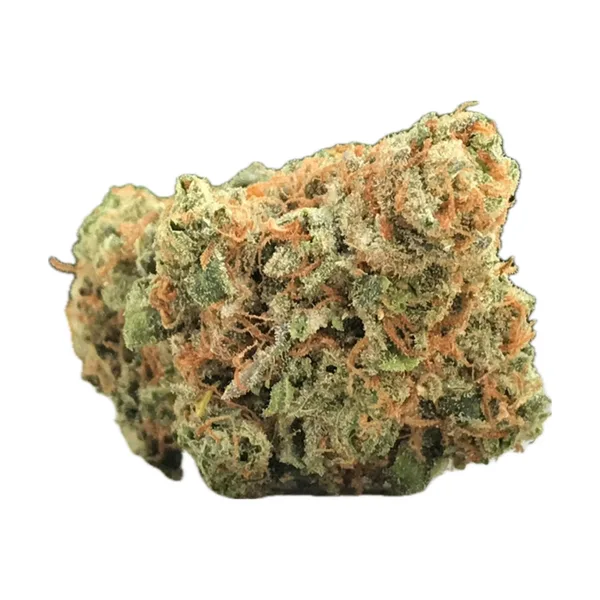
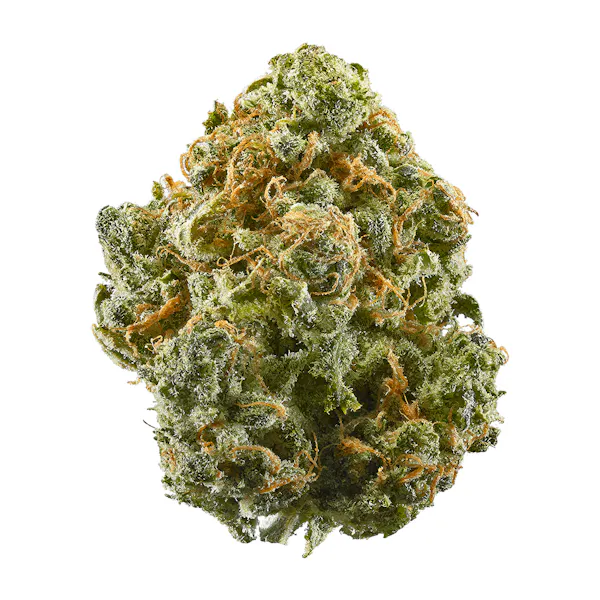
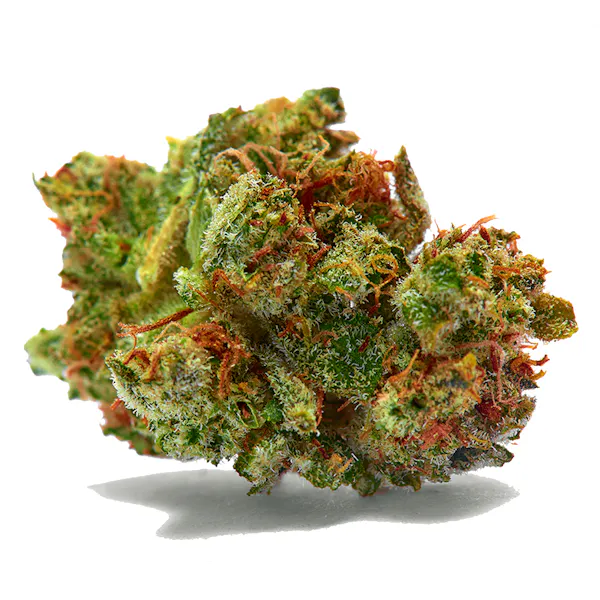
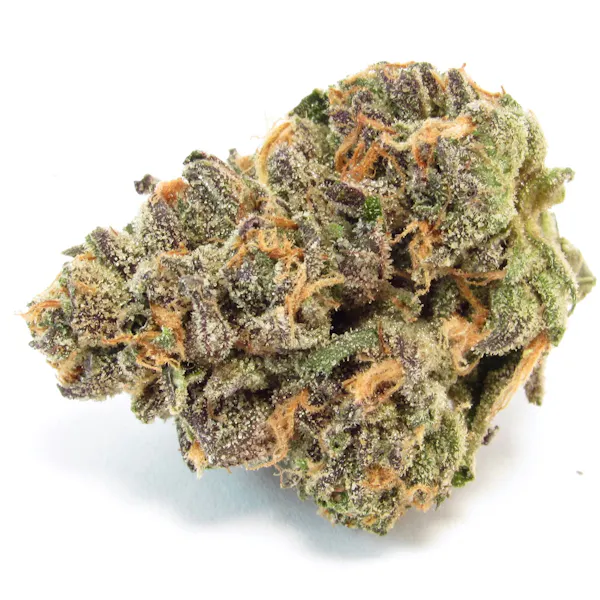
Browse by type
Fresh from the guides
All guides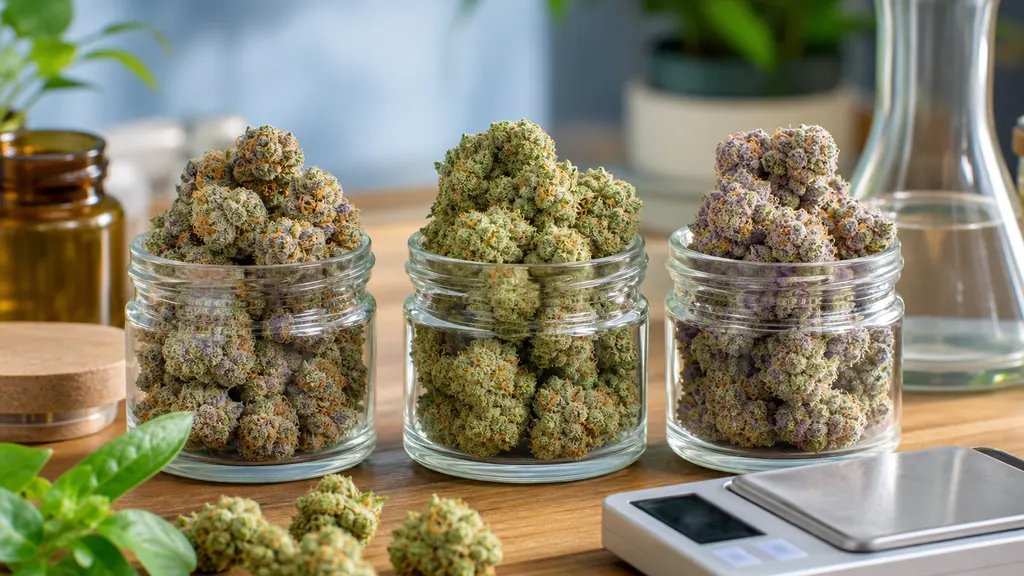 GuideWhat does the THC percentage on weed actually mean?A THC percentage is a calculated share of a flower's weight, worked out from one lab sample of one lot. It is useful, but it is one value drawn from a plant that varies, and we could not find a source that shows what it predicts about how a product will feel.Read it
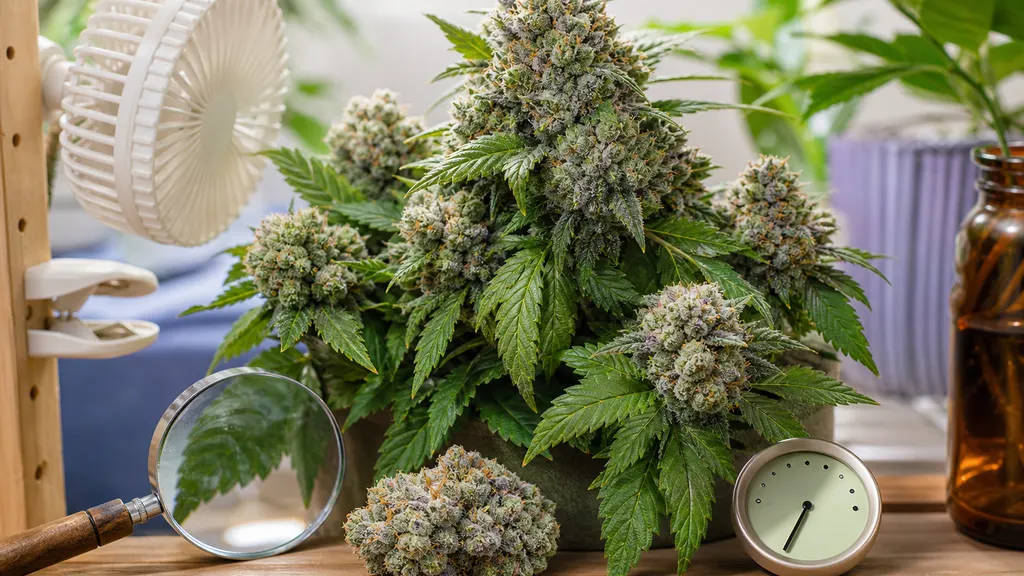 GuideCannabis pests, mould and bud rot: why it starts insideA Canadian government guide says bud rot commonly starts in the interior of the bud, where humidity is highest and air movement is lowest. That makes it an environment problem first. Here is what the sources establish about pests and mould on a growing plant, and where they stay silent.Read it
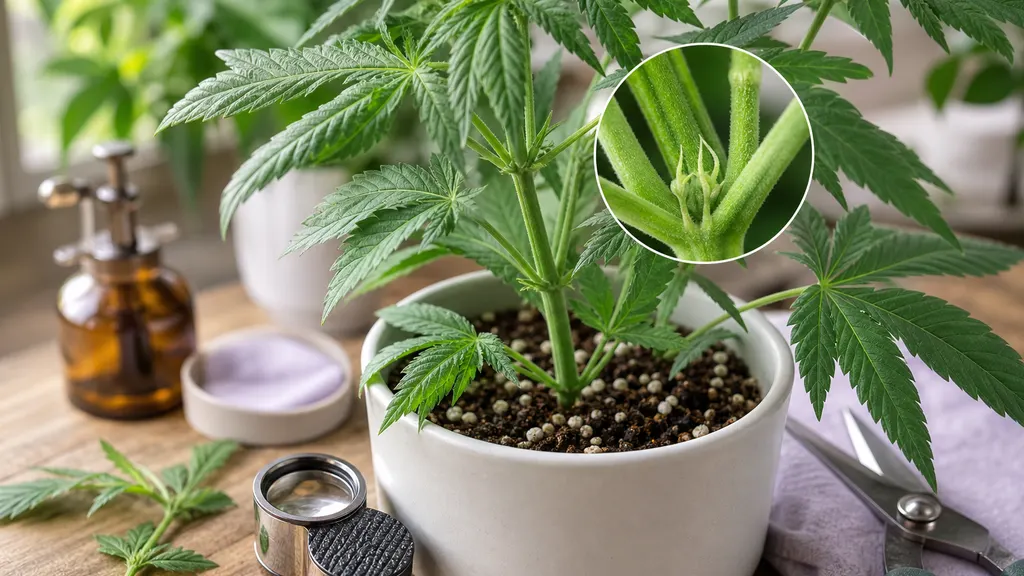 GuideSexing cannabis plants: pre-flowers and hermiesSexing is the step that decides whether a cannabis plant ever becomes the flower people buy: only unpollinated females do. Pre-flowers at the nodes show the sex, and a hermaphrodite shows both. What pollination costs in potency has not been measured in the sources we could verify.Read it
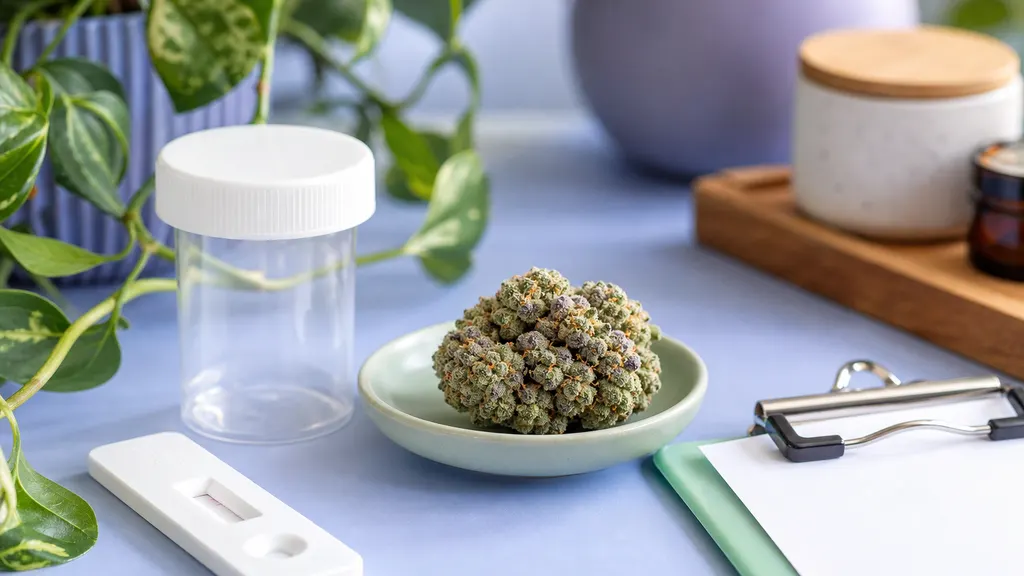 GuideWeed and drug tests in Canada: what a test can and can't tell youThere is no single number for how long THC stays detectable, and any page that gives one is oversimplifying. In Canada, workplace drug testing is shaped by case law rather than a statute, and it is narrow: individual testing is generally allowed only in specific situations and safety-sensitive roles.Read it
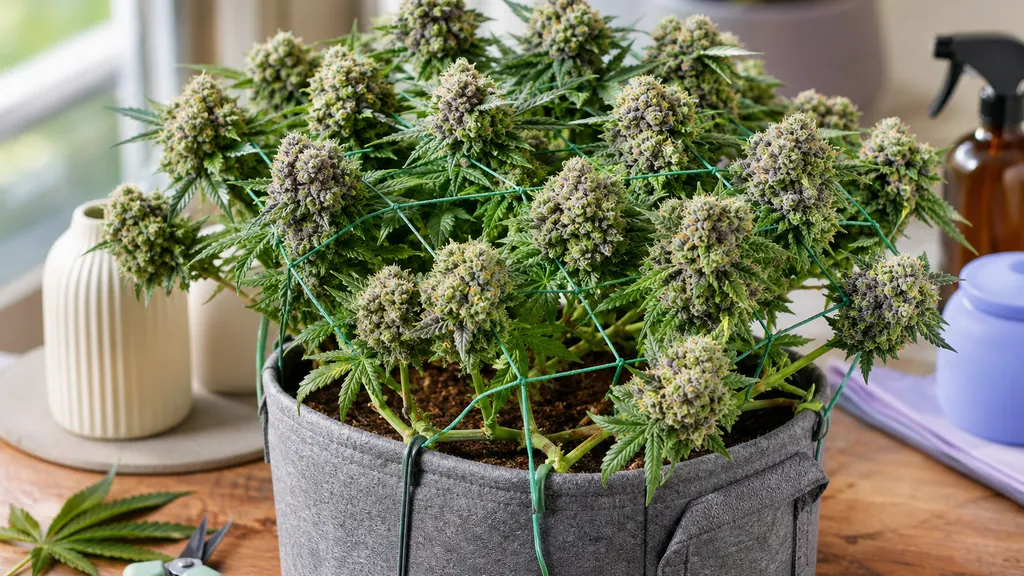 GuideCannabis plant training: what topping, LST and SCROG are doingNo controlled cannabis study has compared one training technique against another. Three experiments did prune and shape plants and measure the result: topping gave more flower weight but no significant CBD-yield gain, and buds low on the plant were consistently weakest. Here is what was measured, and what was not.Read it
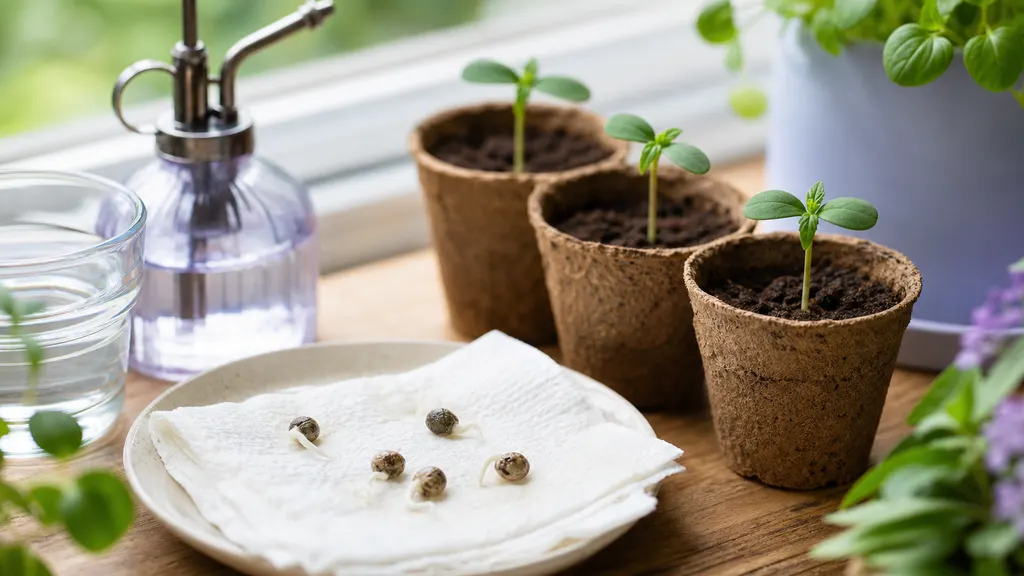 GuideGerminating cannabis seeds: what the research measuredCannabis seeds germinate across a wide temperature range, with the best results measured between 19 and 30 degrees Celsius. Seeds lose viability with age, feminized seeds have no published sex ratio, and Canadian law treats seed origin separately from the four-plant limit.Read it
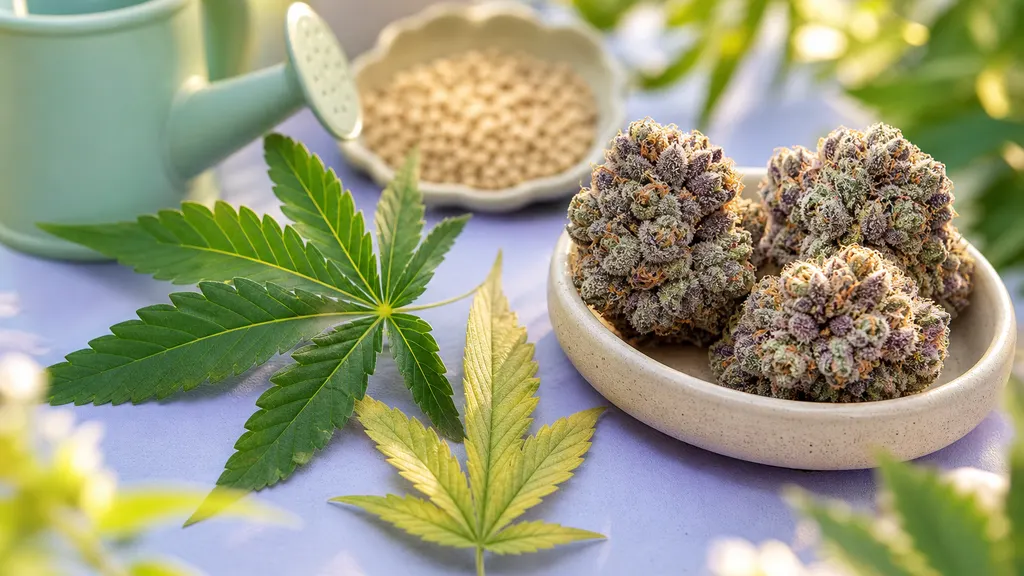 GuideCannabis nutrients and deficiencies: what the studies measuredCannabis needs the same essential nutrients as other crops: nitrogen, phosphorus, potassium, calcium, magnesium and sulphur in larger amounts, plus trace elements. Peer-reviewed trials found lower optimum rates than many feeding charts suggest, and deficiencies took five to nine weeks to show when a nutrient was fully withheld.Read it
 GuideWeed tolerance and tolerance breaks: what the research does and doesn't showRegular cannabis use lowers the number of CB1 receptors in the brain, and that change reverses during abstinence. How long a break takes to matter is not settled: two imaging studies report two days and about four weeks, and neither measured whether the high came back.Read it
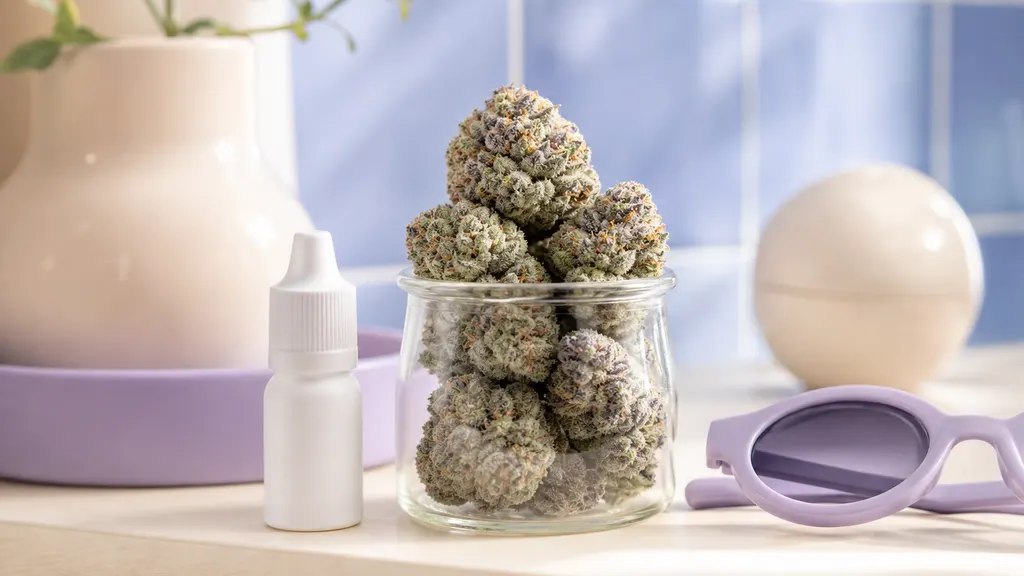 GuideWhy does weed make your eyes red? What the research saysTHC widens the small blood vessels on the white of the eye, so more blood flows through them and they show. A 2024 review calls the effect acute and transient. No study has timed how long it lasts, and the hour counts you see online have no source.Read it
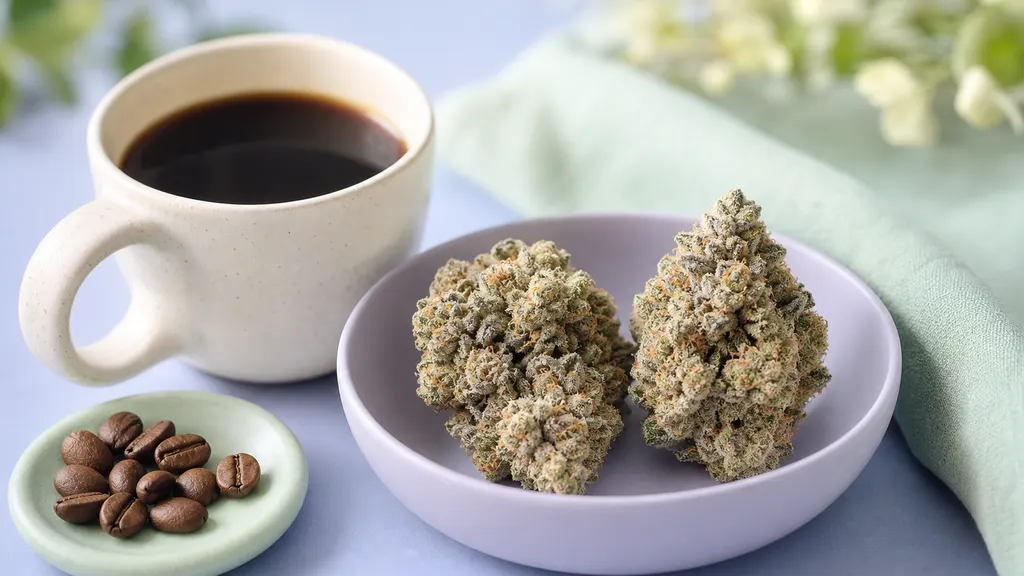 GuideWeed and caffeine: what the evidence actually showsWeed and caffeine have been tested together in people only once. A small 2025 trial found minimal changes to THC's effects, task performance and metabolism. Most confident claims online rest on animal studies, some of which didn't use caffeine at all. In Canada, caffeine is not generally allowed in cannabis products.Read it
Smell it before you buy it
Terpenes are the aroma compounds that make one strain smell like lemons and another like pine or pepper. Learn the big ones and a label starts to make sense.
Explore terpenesFind strains by flavour
The smells and tastes people mention most in our strain guides.
How WeedDB works
Researched, with sources
Every full guide is built from published sources, and a fact needs at least two of them to agree before it goes in.
Honest when it's unclear
When breeders or databases disagree, we say so. If a family tree isn't documented, we don't make one up.
Ranked by interest, not money
Strains are ordered by how often people search for them. Nobody pays for a spot.
Anatomy of a Nug
- Cola: The tip of the flower, where the bud is at its tallest. Big, dense colas are usually from the top of the plant.
- Trichomes: The sparkle on the surface. These tiny glands hold THC, CBD and the terpenes behind each strain's smell.
- Sugar leaf: A small leaf poking out of the bud. A close trim leaves only the frosty tips, so you're paying for flower, not leaf.
- Pistils: The orange and red hairs. They start white and darken as the plant ripens, but they don't tell you how strong it is.
- Calyx: The little pods that stack up to form the bud. Each one is coated in trichomes.
- Resin: The sticky oil inside the trichomes. It's why fresh buds feel tacky and smell strong when you break them up.
- Stem: The stalk at the base. Good trim leaves just a short stem, since it adds weight but no THC.
Cannabis stores by city
Legal stores from each province's official list, with local rules for every city.
Stay in the loop
New strain guides, deals from Canadian stores and the occasional cannabis explainer. No spam, ever.
Questions people ask
What is WeedDB?
WeedDB is an independent guide to cannabis strains for people in Canada. Each full strain guide covers THC, terpenes, the effects people report and the family tree, built from published research.
Does WeedDB sell cannabis?
No. WeedDB doesn't sell cannabis or take orders. In Canada, legal cannabis is sold through retailers authorized by each province or territory, online or in stores.
How old do you have to be to buy cannabis in Canada?
It depends on where you live: 19 in most provinces and territories, 18 in Alberta and 21 in Quebec.
How is the strain list ordered?
By popularity, which on WeedDB means how often people search for each strain. Nobody can pay to move a strain up the list.
Where does the strain information come from?
Each guide is researched from published sources such as strain databases, breeder pages, lab results and scientific papers, and every fact needs at least two of them to agree. When sources disagree, the guide says so instead of picking a side.
What is the difference between indica and sativa?
The words started as botanical names for different-looking cannabis plants. Today they are mostly shop labels, and research suggests they don't reliably predict how a product will feel. The THC and CBD numbers and the terpenes tell you more.
Will two products with the same strain name be the same?
Not always. Different producers grow different cuts under the same name, and every batch tests a little differently. The label on the product is the best guide to what's inside.