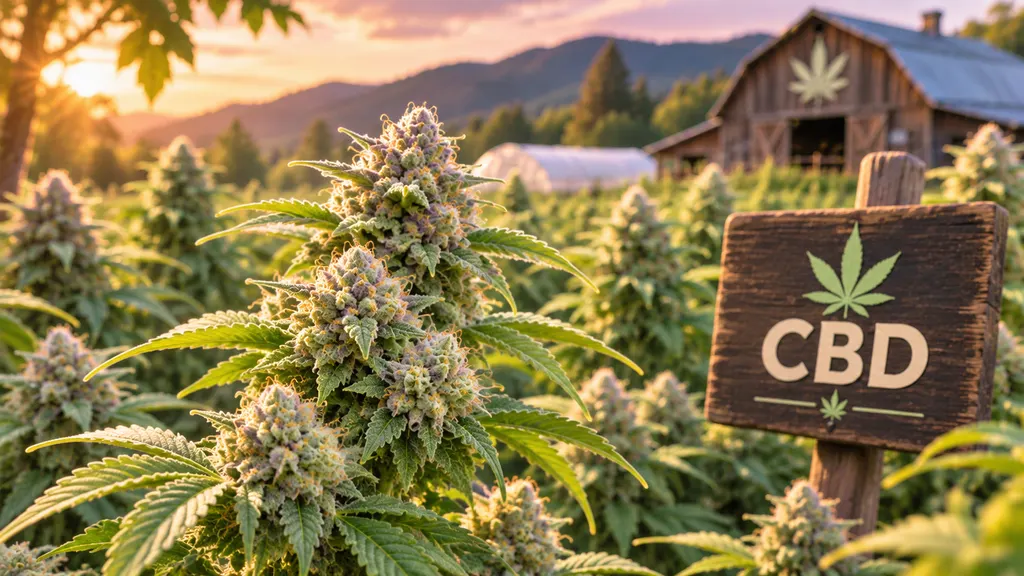
CBD-rich cannabis has gone from a footnote to its own shelf in Canadian retail. The word "high" in high-CBD refers to the cannabinoid content, not to intoxication. This guide explains what CBD is, how THC to CBD ratios appear on Canadian labels, what the Type I, II and III chemotypes mean, and how the law treats CBD here. It makes no health claims, and nothing on this page is medical advice.
Which strains are highest in CBD?
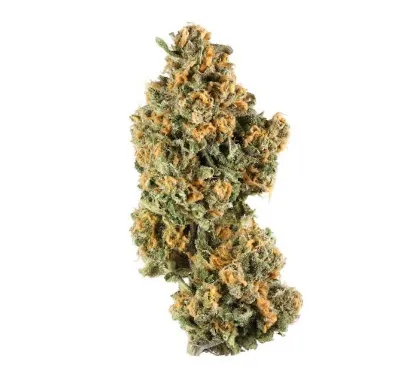
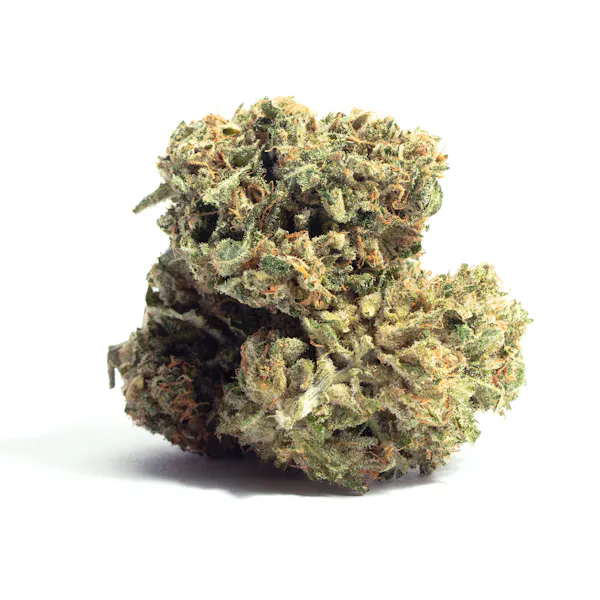
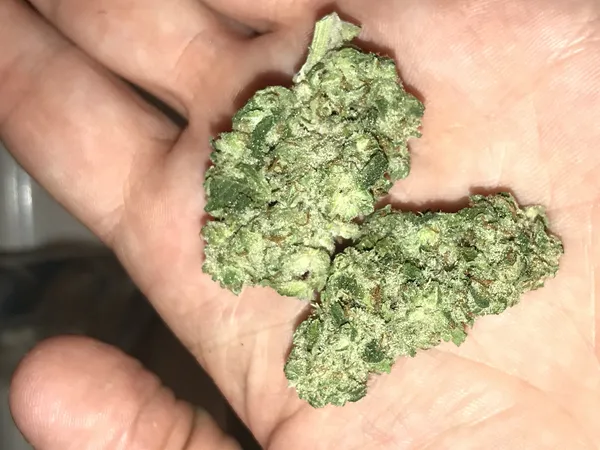
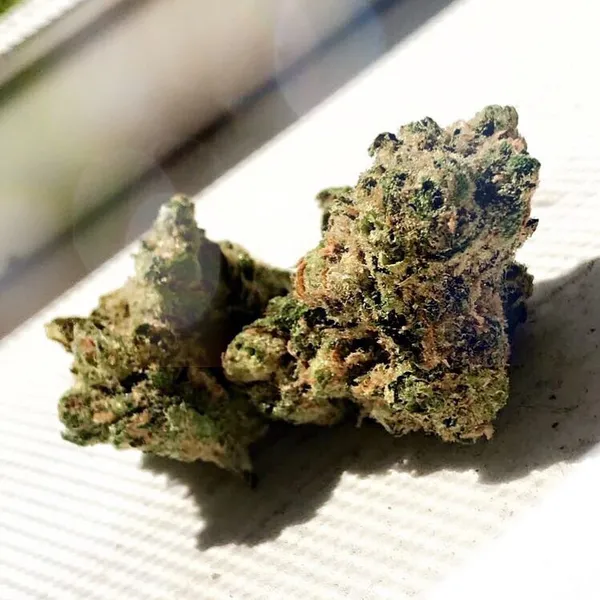
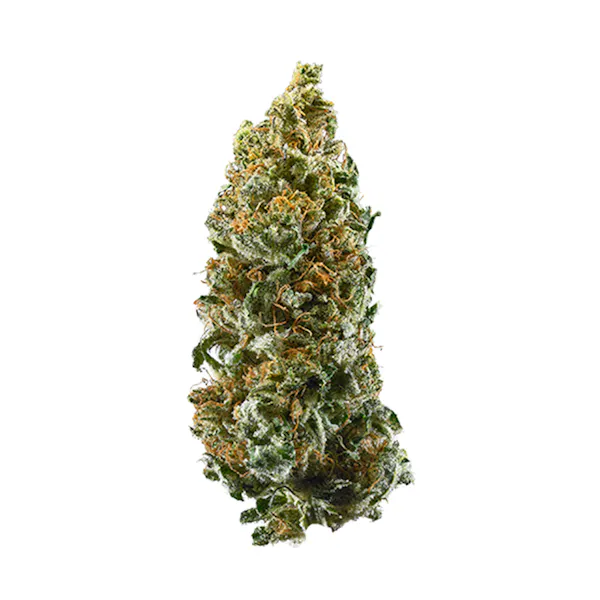
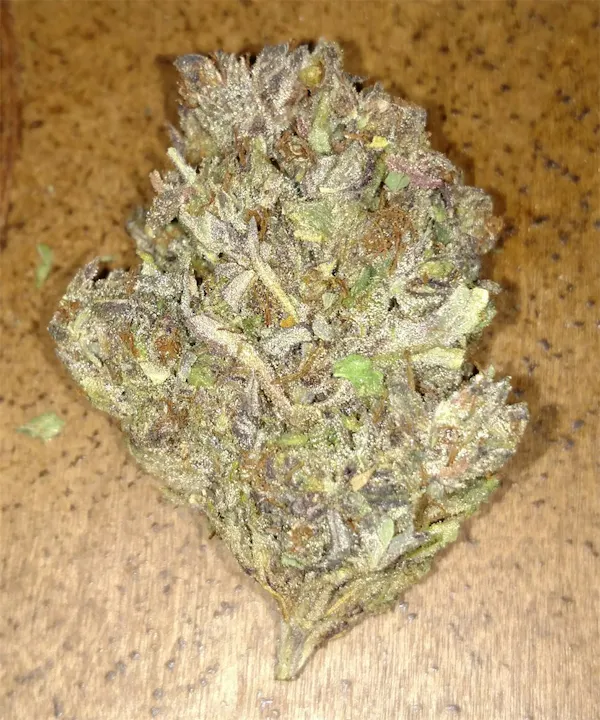
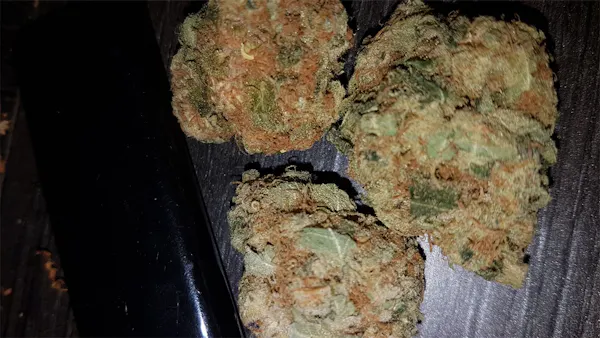
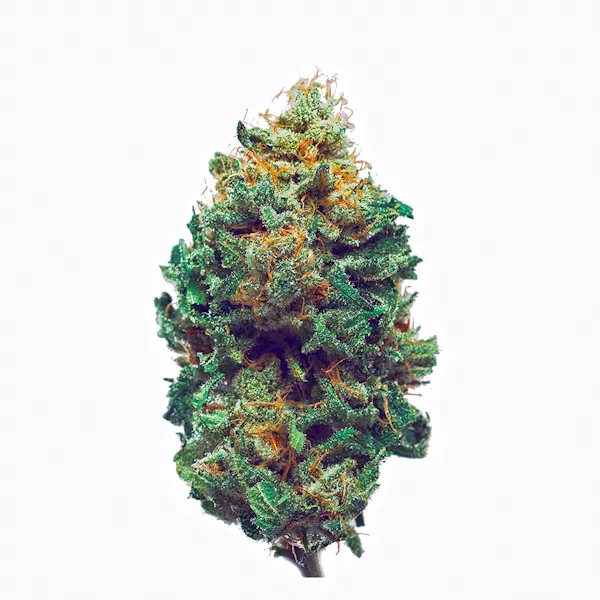
The chart below ranks strains in our records by their reported CBD. It is a live, computed ranking that updates as the records do, so we don't type strain names or percentages into this text. Use it as a starting list, then check the label on any product you're considering.
As with THC, reported CBD varies by batch, grower and lab. A strain name describes a lineage, not a guaranteed number, so the Total CBD on the package in front of you is the figure that counts.
Highest reported CBD on WeedDB
- ACDC12–20%
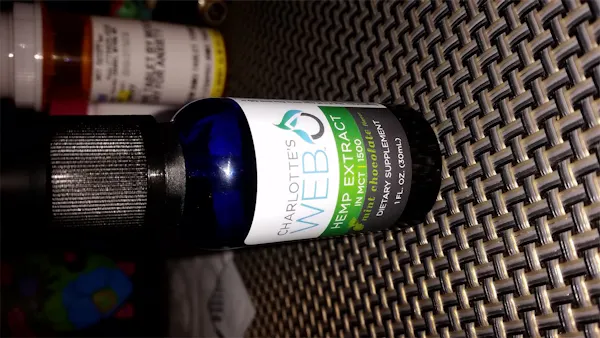
- Charlotte's Web12–20%
- Sour Space Candy15–16%
- Mystic Magic12–15%
- Cannatonic9–14%
- Midnight9–14%
- Sour Tsunami10–13%
- Gorilla Mints10–12%
- Orange Herijuana10–12%
- Paradise OG10%
- Hawaiian Dream6–12%
- Harlequin4–10%
- Devil Fruit4–6%
What is CBD, and how is it different from THC?
CBD, short for cannabidiol, is one of the many cannabinoids made by the cannabis plant. THC is the cannabinoid best known for causing intoxication. CBD is not considered intoxicating in the same way, though it is still a pharmacologically active compound and it is still cannabis under Canadian law.
Like THC, CBD exists in the raw plant mainly as an acid, CBDA, which converts to CBD when heated. That is why Canadian labels use Total CBD, the CBD present plus what the CBDA can become. Our guide to THCA vs THC explains the same conversion for THC, and the principle is identical.
How do THC:CBD ratios work on Canadian labels?
A ratio compares the two cannabinoids. A 1:1 product has about as much CBD as THC by weight, while a 1:20 product has far more CBD. Canadian labels give you the raw material to work this out: Total THC and Total CBD, shown as a percentage on flower or in milligrams on other formats.
To compare two products, divide one number by the other using the same unit. A flower with 1% Total THC and 18% Total CBD is CBD-dominant. Read the full panel, including ranges and the packaged-on date, as described in reading cannabis labels.
A product with a lot of CBD can still carry meaningful THC, so the ratio matters more than the CBD number alone. Low THC is not zero THC, and the label is the only reliable way to tell.
| Ratio (THC:CBD) | What it describes |
|---|---|
| 20:1 or higher | THC clearly dominant |
| 1:1 | Roughly equal amounts of each |
| 1:20 or lower | CBD clearly dominant, very little THC |
What are Type I, Type II and Type III cannabis?
Researchers sort cannabis plants into three chemotypes by which cannabinoid dominates. Type I plants are THC-dominant, which describes most of the drug cannabis on the market. Type II plants carry both THC and CBD. Type III plants are CBD-dominant with little THC, which is where most high-CBD strains sit.
This chemistry-based sorting is more useful than the older indica and sativa labels, which describe plant shape and tradition rather than cannabinoids. If you want the background on why the old labels are shaky, read indica vs sativa. Chemotype tells you the cannabinoid balance, and the batch's lab report tells you the actual numbers.
Type III plants are closely related to hemp, which is cannabis grown for fibre, seed and low THC. Under Canadian law, hemp is defined by a THC limit in the plant and is regulated under its own regulations, separate from the drug cannabis sold in licensed stores.
| Chemotype | Cannabinoid profile |
|---|---|
| Type I | THC-dominant, very little CBD |
| Type II | Both THC and CBD in meaningful amounts |
| Type III | CBD-dominant, very little THC |
Is CBD legal in Canada?
Yes, but it is regulated as cannabis. Under the Cannabis Act, CBD derived from cannabis is a controlled substance in the same legal framework as THC. Products must be produced by a licensed producer and sold through a provincially authorized retailer, and they carry the same packaging, labelling and tracking rules as any other cannabis product.
That means a CBD-rich flower, oil or capsule from a legal store is simply a cannabis product with a different cannabinoid profile. Age limits, possession limits and rules on public consumption apply the same way, and they differ by province and territory. Our guide to weed measurements covers the 30 g public possession limit.
CBD products sold outside the licensed system, such as shelf products in non-cannabis shops, are not what the Cannabis Act authorizes. If a product claims to contain CBD, check that it carries the standardized cannabis label and an excise stamp, and buy from a licensed retailer.
What should you check before buying a CBD-rich product?
A short checklist helps you compare products on facts. We don't describe what CBD products do for anyone's body, because Canadian rules restrict health claims on cannabis packaging and because the evidence is a matter for a health professional, not a buyer's guide.
If you have questions about using cannabis alongside other medications or a health condition, talk to a doctor or pharmacist. Health Canada also publishes plain guidance for people using cannabis, including advice on starting with a small amount.
- Total CBD and Total THC, in the same unit, so you can work out the ratio.
- The format: flower, oil, capsule and beverage labels show amounts differently.
- The packaged-on date and the lab range, since cannabinoid content shifts as products age.
- The standardized cannabis symbol and excise stamp, which show the product came through the licensed system.
- Per-unit amounts on non-flower products, shown in milligrams of each cannabinoid.
Sources: laws-lois.justice.gc.ca, laws-lois.justice.gc.ca, canada.ca, canada.ca