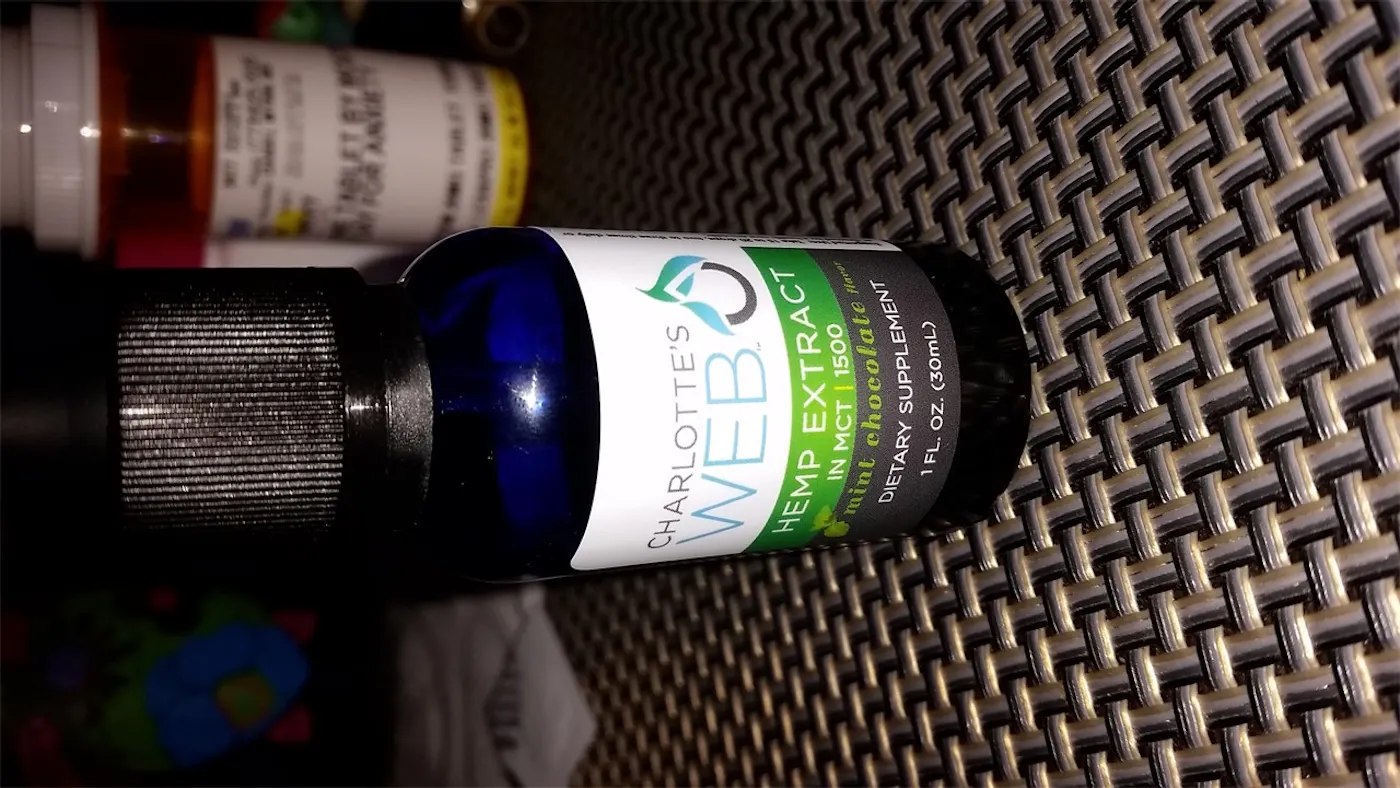
Charlotte's Web strain guide
Charlotte's Web is a high-CBD, very low-THC strain bred in Colorado. Most cannabis on the shelf is chosen for THC; this one was bred the other way, so it gives little or no high. People know it for a piney, woody smell and a calm, clear-headed feel.
Where does Charlotte's Web come from?
Charlotte's Web was bred by the Stanley brothers in Colorado. Sources agree it came from crossing a cannabis strain with industrial hemp, but the specific parents have never been published, so its lineage is not well documented.
Before it had its current name, it was reportedly called Hippie's Disappointment, a joke about how little high it produced. It was renamed after Charlotte Figi, a young Colorado girl whose family used it and whose story drew wide media attention in 2013. In the United States, the plant is now grown and sold as hemp.
What does Charlotte's Web smell and taste like?
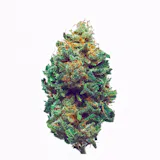
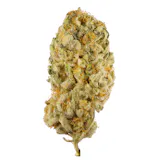
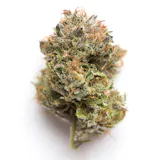
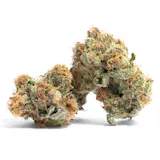
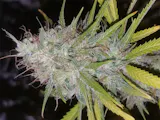
Expect something closer to a forest than a candy shop. People describe pine and wood first, with earthy, flowery and sometimes lemony or sour notes. A few mention a peppery edge.
Myrcene leads its published terpene results, followed by pinene and caryophyllene. Myrcene brings the earthy side, pinene the fresh pine smell and caryophyllene that peppery bite. The flavour tends to be mild, woody and herbal.
Charlotte's Web effects: what people report
Because THC is so low, most people say they don't feel high at all. Reviews describe it as mellow: relaxed, calm and focused, with a light, uplifted mood rather than a buzz. Some call it energizing in a quiet way.
These are experiences people report, not promises. How it feels depends on the product, how much you have and your own body. Dry mouth, dry eyes and dizziness are the complaints that come up most, and a few people mention a headache.
How strong is Charlotte's Web?
In THC terms, it's one of the mildest strains out there. Listings put it at about 0% to 1% THC, while CBD is usually reported somewhere around 12% to 20%. That makes it a CBD-dominant strain, the opposite of most modern hybrids.
Amounts still matter, especially with oils and edibles that take longer to kick in. Check the THC and CBD numbers on the label, since those tell you more about your batch than the strain name.
Buying Charlotte's Web in Canada
Charlotte's Web is much better known as an oil or extract than as dried flower, and many reviewers say they've only tried it in CBD-dominant forms. If you do find it, read the label closely, because the THC and CBD numbers are the whole point with this strain.
Look for a product that shows high CBD and very low THC, and check the packaging date for freshness. If the label shows THC well above a few percent, you're likely looking at a different plant using the name.
Charlotte's Web vs Harlequin
There's no documented family link between the two, but Harlequin is the closest match in spirit: another strain people pick for CBD rather than THC. The difference is balance. Charlotte's Web is bred to carry almost no THC, while Harlequin is usually sold as a CBD-forward strain with some THC alongside, so compare the two numbers on the label. If you want as little THC as possible, Charlotte's Web is the one to look for.
Strains like Charlotte's Web
Few strains share its very low THC, but these are the closest matches on CBD or smell:
- Harlequin: another CBD-forward strain, with a little more THC in the mix.
- Jack Herer: shares the piney, woody smell, though it's a high-THC strain with a much stronger effect.
- Durban Poison: another clear-headed, earthy and herbal pick, also far higher in THC.