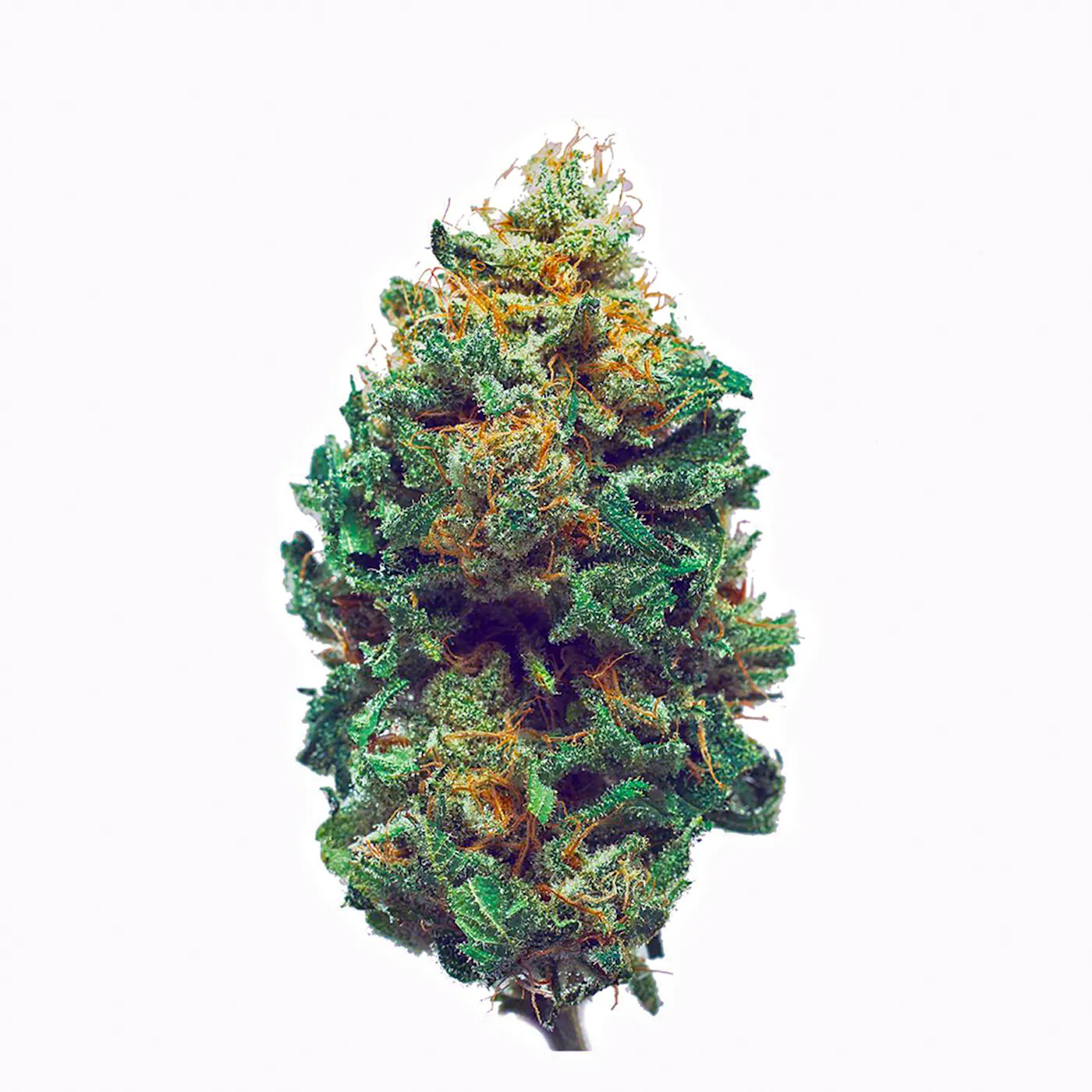
Harlequin strain guide
Harlequin is a sativa-leaning strain known for something unusual: it often carries more CBD than THC. It comes from old landrace genetics, smells earthy with a touch of mango, and people describe it as mild, clear and easy to stay functional on.
Where does Harlequin come from?
Harlequin is usually described as a blend of four older lines: a Colombian Gold sativa, a Thai, a Swiss landrace and a Nepali indica. Sources agree on those ingredients more than on how they were put together, and one strain database's family tree simplifies it to Thai and Colombian Gold. Who bred it isn't well documented.
What makes it stand out is the cannabinoid mix: Harlequin keeps a high share of CBD alongside fairly modest THC. It was long described as a clone-only strain, and seed versions have since appeared.
What does Harlequin smell and taste like?
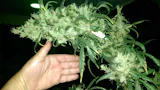
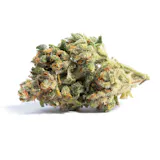
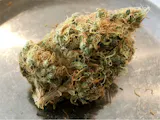
Harlequin smells earthy and musky first, with a sweet mango note on top and a woody, herbal side. It's a softer, older-school smell than most modern dessert strains.
Myrcene usually leads its terpene results, followed by pinene and caryophyllene. Myrcene brings the musky, earthy base, pinene a fresh woody note and caryophyllene a little spice. The taste is herbal and woody with a hint of sweetness.
Harlequin effects: what people report
People most often describe Harlequin as focused, relaxed and uplifted. Reports call it gentle and clear-headed rather than intense, the kind of strain people say they can still get things done on, with a light body feel alongside.
These are experiences people report, not promises. How it feels depends on the product, how much you have and your own tolerance. Dry mouth and headaches are the most common complaints, and a few people mention feeling anxious.
How strong is Harlequin?
Harlequin is low in THC by today's standards. Listings put it at roughly 5% to 15% THC, with CBD around 4% to 10%. Many batches land near even, or with CBD ahead, but the ratio swings a lot between growers.
Lower THC doesn't mean no effect, so start small if you're new to it. The THC and CBD numbers on your label tell you far more than the strain name here, because the ratio is the whole point.
Buying Harlequin in Canada
Harlequin is usually sold for its CBD, so check both numbers on the label before anything else. Two products with the same name can have quite different ratios.
You might find it as dried flower, oils or capsules. Check the packaging date too if you're buying flower, since fresher buds keep more of their earthy, mango smell.
Harlequin vs Thai
Thai is one of the landrace lines behind Harlequin, and it's what most people think of as the classic energetic sativa. The big difference is the chemistry: Thai is a THC strain with a racy, heady reputation, while Harlequin balances its THC with plenty of CBD and is usually described as much calmer and clearer. If you want the old-school sativa buzz, Thai is the one to look at. If you want something gentle that keeps your head on straight, start with Harlequin.
Strains like Harlequin
If you like Harlequin, these are worth a look:
- Charlotte's Web: another CBD-rich strain, with even less THC.
- Thai: one of the landrace lines in its background, much higher in THC.
- Colombian Gold: another classic sativa in its family tree.
- Acapulco Gold: an old landrace-style sativa with a similar earthy, vintage feel.