Afghan Kush strain guide
Afghan Kush is an old-school indica that traces back to the Hindu Kush mountains on the Afghanistan and Pakistan border. It has a woody, earthy smell and a heavy, sleepy reputation. Plenty of modern Kush strains have this kind of plant somewhere in their family tree.
Where does Afghan Kush come from?
Afghan Kush is a landrace, meaning it grew in one region for a very long time rather than being bred by a single person. Its home is the Hindu Kush range, where plants like it have long been grown for hash.
There's no single breeder behind it. Seeds sold under the name come from different seed companies, and White Label Seed Company, a Sensi Seeds partner in the Netherlands, is often credited with making it widely available. Some listings tie it to Afghani or call it Afghan OG, so the name covers a loose group of similar plants rather than one exact cut.
What does Afghan Kush smell and taste like?
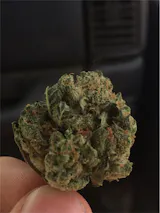
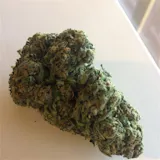
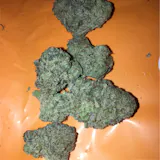
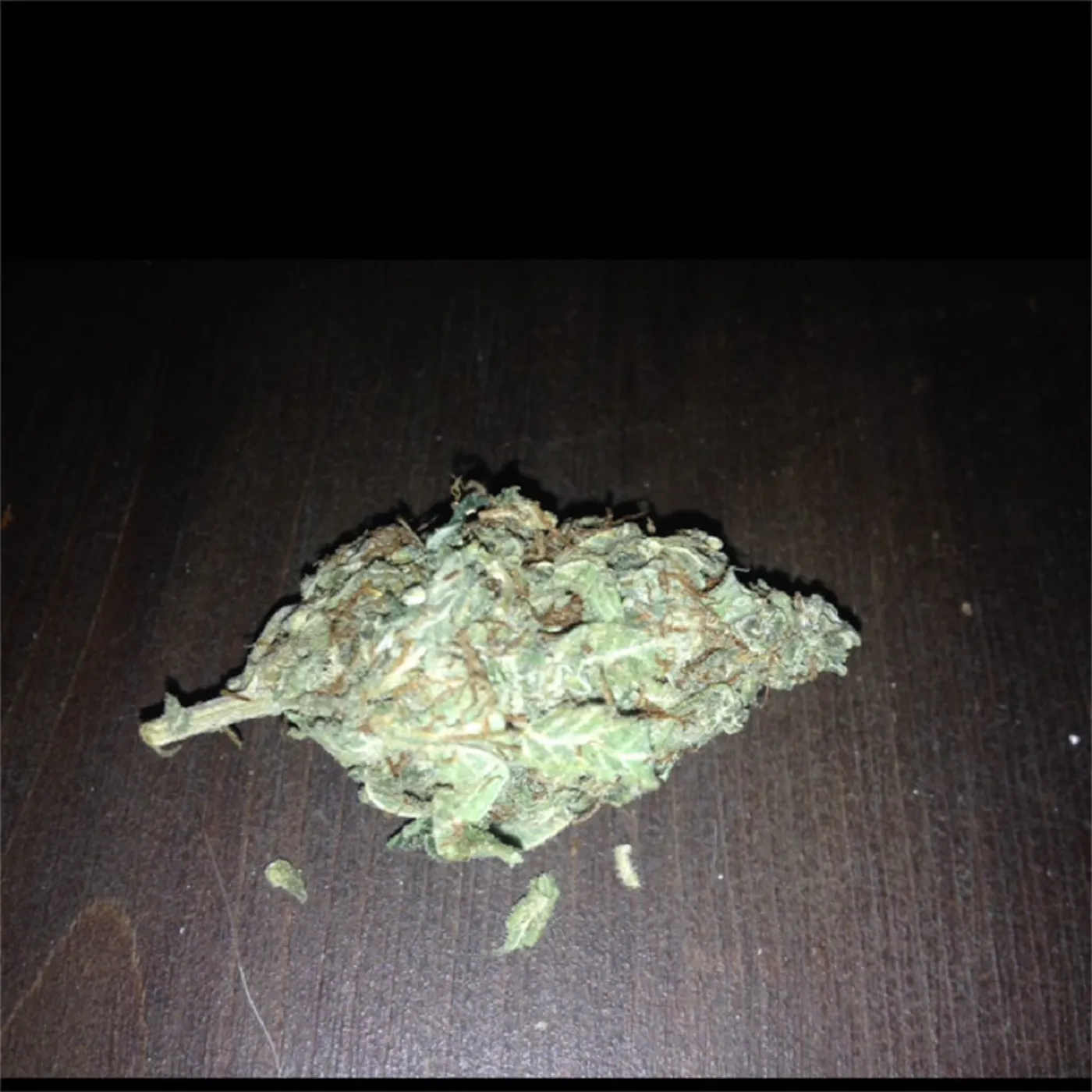
Expect earth and wood first, with pine and a little spice. Some people pick up a sweet note, and the overall smell is the classic, hashy Kush kind rather than fruit or candy.
Myrcene, caryophyllene and pinene are the terpenes most often reported. Myrcene gives the earthy, musky base, caryophyllene a peppery bite and pinene the fresh pine note. The taste is usually described as smooth, woody and herbal.
Afghan Kush effects: what people report
Reports lean strongly toward relaxed and sleepy. People describe a body-first heaviness, a calm head and a lot of hunger. Some mention a happy, floaty feel early on before it settles into couch-lock.
These are experiences people report, not promises. How it feels depends on the product, how much you have and your own tolerance. Dry mouth and dry eyes are the most common complaints, and a few people mention dizziness or feeling groggy the next morning.
How strong is Afghan Kush?
Listings put Afghan Kush at around 15% to 21% THC, which is moderate next to many newer strains. CBD is usually low or not published, though one listing reports a CBD figure as high as 6%. Since it's a landrace grown from many seed lines, the batch you buy may land anywhere in that range.
Start with a small amount and give it time. Check the THC and CBD numbers on your label rather than trusting the strain's reputation.
Buying Afghan Kush in Canada
Because so many seed lines carry the name, two Afghan Kush products can be quite different plants. Read the label for the THC and CBD numbers, the terpenes if listed, and the packaging date.
You may also see it as hash, which fits its history, as well as dried flower and pre-rolls.
Afghan Kush vs Afghani
Afghani is the name most often given as Afghan Kush's parent, and the two come from the same mountain region, so they're very close cousins. Both smell earthy and hashy and both get called heavy and sleepy. Since both names cover loose groups of plants grown from many seed lines, the cut matters more than the name: if you like one, the other is an easy next step.
Strains like Afghan Kush
If you like Afghan Kush, these are the closest matches:
- Afghani: its listed parent, with the same hashy, earthy character.
- Hindu Kush: another landrace from the same mountains, earthy and calm.
- Northern Lights: a classic relaxed indica with an earthy, sweet pine smell.
- Purple Kush: a heavy Kush with Afghani in its background and a sweeter, grape-like edge.