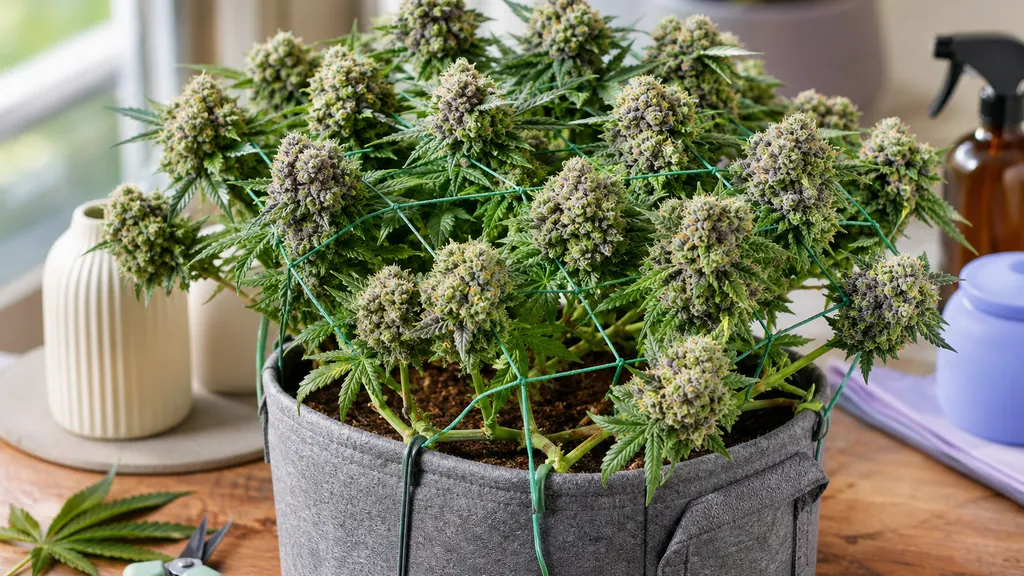
Almost every guide to topping, low stress training and SCROG sells a technique on a yield number. We looked for the study behind those numbers and could not find one that compares the techniques. Three controlled experiments did shape cannabis plants and measure what happened, and they say something more careful and more useful. Here is what they found, and what that means when Canada caps you at four plants.
What is cannabis plant training?
Plant training is any physical change to a plant's shape: cutting a growing tip, bending a stem, removing leaves or lower branches, or spreading growth through a net. All of it works on one variable: which flower sites exist, and how much light each one gets.
That framing matters, because it tells you what to expect. Training moves flower sites into the light. It does not add light, and it does not change the plant's genetics. For the light side of the picture, see our guide to grow lights and growing medium.
We are a strain and store directory, not a grow shop. We do not sell equipment, so we will not name any brand of net, clip, tent or tool. We are only reading the research and telling you what it says.
Does topping a cannabis plant increase yield?
In the one controlled cannabis trial located, topped plants produced significantly more inflorescence dry weight than lollipopped and unpruned plants. But total CBD yield did not differ significantly from the unpruned control. More biomass and no proven gain in cannabinoid yield are different claims.
Topping means cutting off the growing tip so the plant spreads into more main branches. In this trial (Massuela and colleagues, 2022), the cut was made at the tenth node of the main stem. The other arms were a lollipop group, where lower growth is stripped, and an unpruned control. Harvests were taken at 5, 7, 9 and 11 weeks of flowering.
The limits matter as much as the result. It was one high-CBD clone, grown indoors at 14.4 plants per square metre, which is far denser than a home grower's four plants. Treat it as a direction, not a law. We also left out some of its finer numbers, because we could not confirm them from the full tables.
| Study | What was done | What was measured | Setting |
|---|---|---|---|
| Massuela 2022: topping | Cut the growing tip at the tenth node of the main stem | More inflorescence dry weight than lollipop and unpruned plants; CBD yield not significantly different from unpruned | One high-CBD clone, indoors, 14.4 plants per m² |
| Massuela 2022: lollipop | Stripped lower growth | Compared against topping and control in the same trial | Same as above |
| Danziger and Bernstein 2021: defoliation | Removed leaves | More light reached the plant base and chemical uniformity improved; inflorescence yield not significantly changed | 'Topaz' (high-CBD), greenhouse, Israel, about 1 plant per m² |
| Danziger and Bernstein 2021: eight architectures | Defoliation, lower branch removal, branch removal by order, single and double pruning, and combinations | Cannabinoids measured at five positions per plant | Same as above |
| Danziger and Bernstein 2022: density | Four architectures at 1 and 2 plants per m² | Yield per area rose at the higher density; cannabinoid uniformity fell | 'Topaz', greenhouse, Israel |
Is low stress training better than topping?
No study located compares them. The literature we could reach holds no controlled experiment ranking low stress training against topping, SCROG or anything else. Every ranking we found traces to forums, seed banks or equipment sellers.
Low stress training means bending and tying stems sideways so lower branches reach the light, with no cutting. FIMming, supercropping, mainlining and lollipopping each do something different with a blade, a pinch or a pair of snips. Search any of them and you will find ranked lists with confident yield percentages. We could not trace a single one of those percentages to a controlled cannabis experiment, so we are not repeating them.
That is a gap in the research, not proof the techniques do nothing. The table below says what each one physically does and what it is trying to move. The last column is the honest part: the head-to-head comparison is not located for any of them.
| Technique | What is physically done | Variable it moves | Measured comparison against another technique |
|---|---|---|---|
| Topping | Cut off the main growing tip | Number of main branches | Not located (one trial compared it with lollipop and no pruning only) |
| FIMming | Pinch off most of the growing tip | Number of branches | Not located |
| Low stress training | Bend and tie stems sideways | Height and light reaching lower branches | Not located |
| SCROG | Spread branches through a horizontal net | Evenness of the canopy | Not located |
| Sea of green | Many small plants packed tightly | Plants per area | Not located |
| Supercropping | Pinch and bend a stem to soften it | Height and branch angle | Not located |
| Lollipopping | Strip lower branches and leaves | Which sites are left to flower | One trial arm (Massuela 2022) |
| Defoliation | Remove leaves | Light reaching lower growth | Not located |
| Mainlining | Repeated topping into a symmetric frame | Branch count and symmetry | Not located |
Is the top cola the strongest part of the plant?
Not reliably. In a greenhouse trial on large plants, concentrations of most cannabinoids were higher at two branch-apex positions than at the main-stem apical meristem in most arms. The bottom of the plant was consistently lowest.
That trial (Danziger and Bernstein 2021) measured cannabinoids at five positions on each plant. The gradient was real, but its peak was not always the very top. That is worth knowing if you assume the biggest bud at the crown is also the strongest.
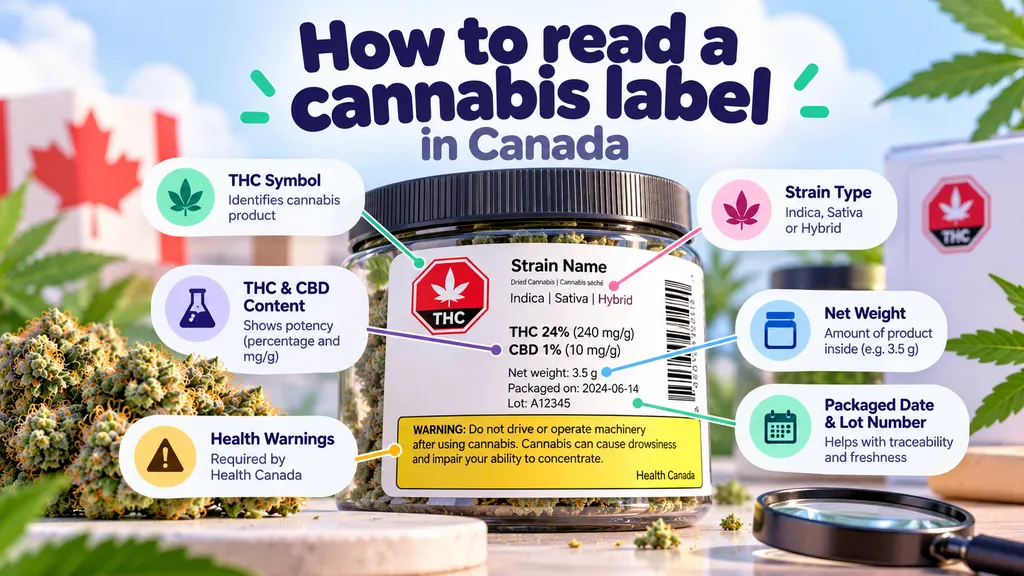
These were controlled experiments on specific cultivars, and they describe variation inside one plant. They do not tell you what is in any bag you buy. If you are reading a label, our guide to reading cannabis labels is the better place to start.
| Position | What was measured | Paper |
|---|---|---|
| Bottom-most axillary inflorescence | Up to 90% lower than the top apical inflorescence. This is a maximum across arms, not an average | Danziger and Bernstein 2022 |
| Branch apices (two positions) | Higher than the main-stem apical meristem for most cannabinoids in most arms | Danziger and Bernstein 2021 |
| CBGA | Described as least affected by spatial location, judged by eye from radar charts rather than a statistical test | Danziger and Bernstein 2022 |
Why are the lower buds always weaker?
Light, according to the trial that measured both. The authors report low cannabinoid concentrations at the bottom correlating with low light penetration, and light intensity falling with height towards the plant base.
In the same experiment, removing lower branches and leaves raised the light reaching the base. Position and light travelled together. This is the one mechanism the research really supports, and it is why every training method is, in the end, a way of getting more flower sites into usable light.
How bright the light is overall is a separate question, and we cover it in grow lights and growing medium. Here we are only talking about how light is spread through the plant.
Does removing leaves increase yield?
Unverified. Defoliation raised light at the plant base and improved chemical uniformity, but it did not significantly change inflorescence yield. In the density trial it was applied late, and the authors say the effect was limited by that timing.
In that density experiment, leaves came off about three weeks before harvest. Heavy, early or repeated defoliation schedules, the kind you see recommended online, were not tested. So the honest answer is that the claim "defoliation always boosts yield" is unverified. That is not the same as saying it does nothing.
Leaf problems that look like nutrient trouble are a different matter, and our guide to cannabis nutrients and deficiencies covers how to tell them apart.
Do SCROG and sea of green actually work?
SCROG has not been tested in any study located. Nor has sea of green: the best density experiment compared one plant per square metre with two, found yield per area up and within-plant uniformity down, and runs nowhere near sea-of-green density.
You will see the density trial cited as support for sea of green. That is not what it tested. It looked at two spacings only, crossed with four plant shapes. It showed a trade-off between how much you harvest per area and how even the cannabinoids are across the plant. The authors did not resolve that trade-off, and neither can we.
Their text also mentions a figure of 12 plants per square metre or fewer, but that is a number they cite from earlier work, not something their experiment found. Please do not read it as a recommended density.
How reliable is the training advice you find online?
Check any claim against what a controlled cannabis trial actually measured. Mark an untested claim "unverified", not "disproven". The position effect is real and large. The technique comparison is what is missing.
- "Topping doubles your colas" or "LST adds 40%": no controlled cannabis study we found backs any yield percentage for a named technique.
- "The top cola is the strongest part": contradicted by the one trial that measured it.
- "Sea of green is backed by density research": that trial tested 1 versus 2 plants per square metre, so it cannot speak to it.
- "Training makes your weed stronger": position is linked to concentration differences, but no study tested whether a technique raises the potency of a finished harvest.
- The ranked list of techniques: unsourced in every instance we located.
- "Training does not work": also wrong. Training changes where flower sites sit, and that is measured. What is unproven is which method does it best.
What does the four-plant limit mean for training?
Four cannabis plants at any one time in your dwelling-house, shared between resident adults. Under a plant-count cap you cannot add plants, only reshape the ones you have, which is why training matters here and why sea of green largely does not.
That is section 12 of the federal Cannabis Act. Where two or more adults live in one dwelling-house, they share the four rather than each getting four. Quebec prohibits home cultivation, and Manitoba has allowed it indoors since 1 May 2025. Our full province-by-province breakdown is in growing weed in Canada. This is general information, not legal advice, because cannabis law is federal and provincial at once.
One more practical point. Autoflowering plants stay small and are trained far less often than photoperiod plants. See our autoflower strains guide. Seeds must come from a legal source, covered in our Canadian seed guide.
| Technique | Depends on plant count? | Available at four plants? |
|---|---|---|
| Topping | No | Yes |
| FIMming | No | Yes |
| Low stress training | No | Yes |
| SCROG | No | Yes |
| Supercropping | No | Yes |
| Lollipopping | No | Yes |
| Defoliation | No | Yes |
| Mainlining | No | Yes |
| Sea of green | Yes, it needs many plants | Substantially unavailable |
Where do you start if you are new?
Start with the plant you pick. Genetics set the shape you are working with, and our guide to what a phenotype is explains why two seeds from one pack can grow differently. Then confirm your plants are female with our male vs female plants guide, since a male in a four-plant limit is a real loss.
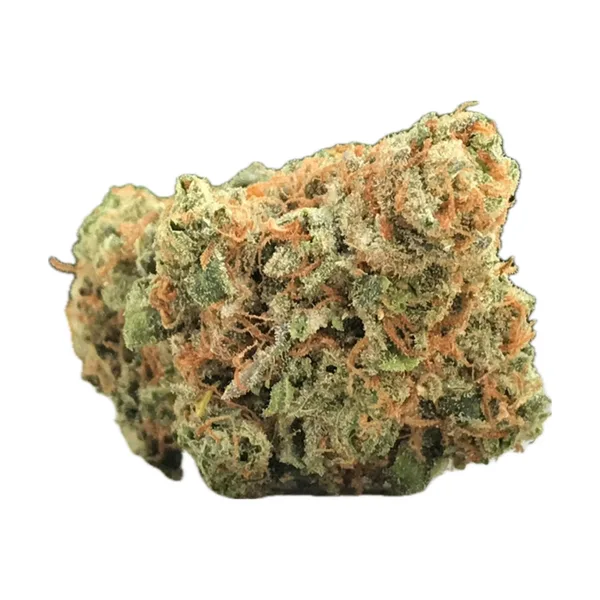
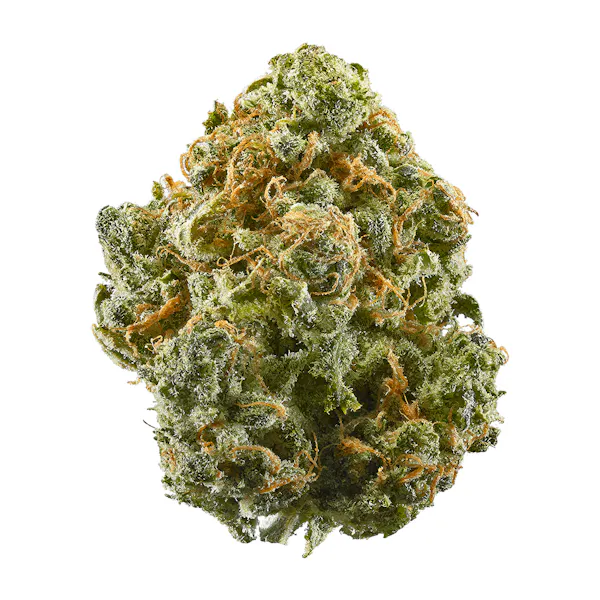
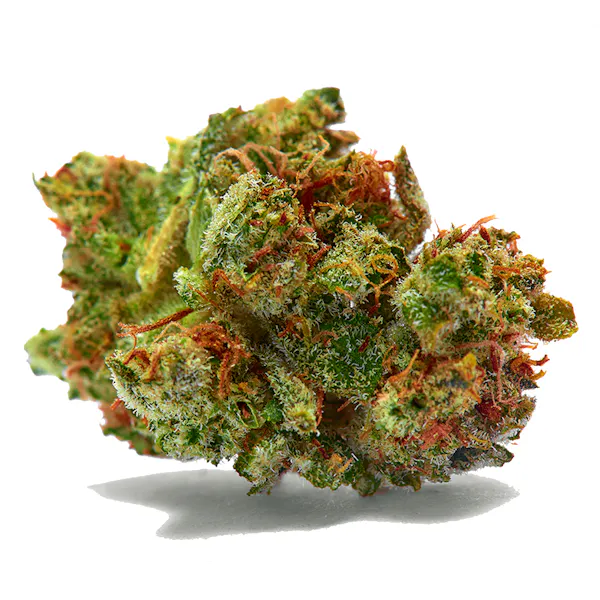
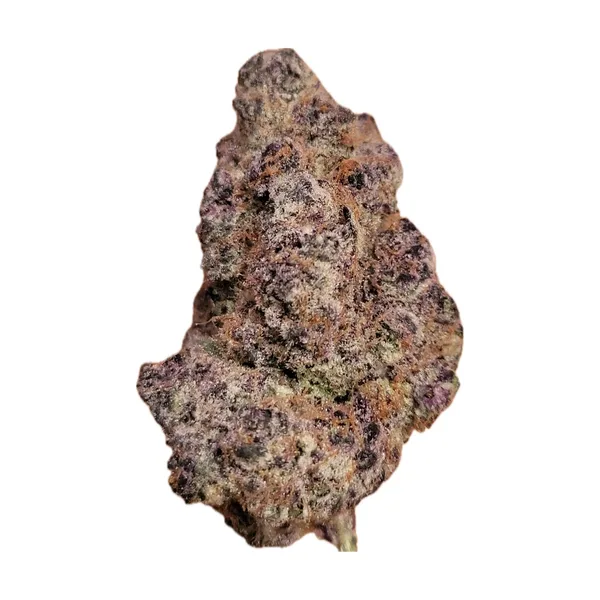
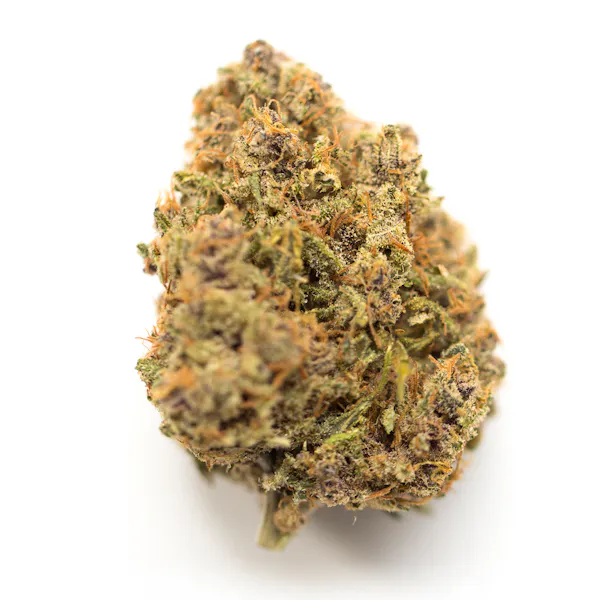
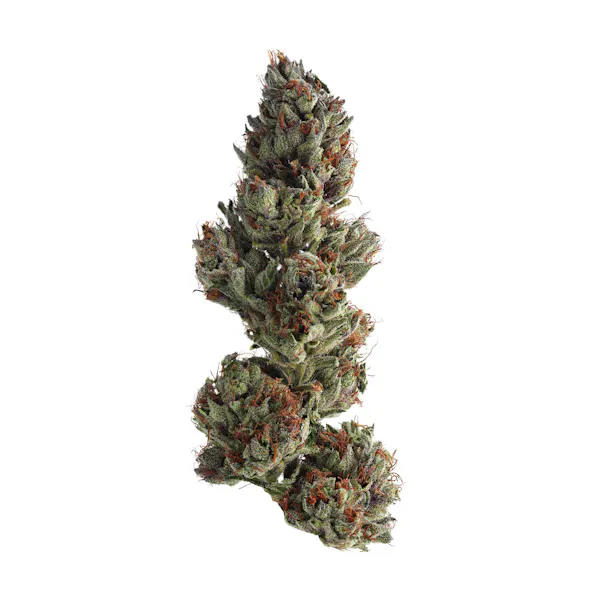
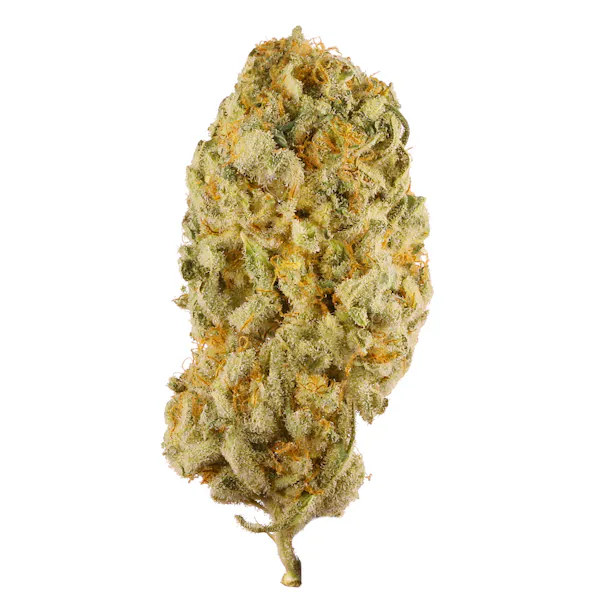
If you would rather browse a strain before you decide what to grow or buy, the cards below pull from our catalogue.
Sources: doi.org, doi.org, doi.org, laws-lois.justice.gc.ca, gov.mb.ca