StrainsTerpenesGuidesDispensaries
WeedDB
StrainsTerpenesGuidesDispensaries

Get new strain guides and deals

Yes, email me new strain guides, deals and WeedDB news. I can unsubscribe at any time. Privacy policy

WeedDB
StrainsIndicaSativaHybridTerpenesGuidesAboutContactPrivacyTermsDispensaries
19+ only. Please consume responsibly. © 2026 WeedDB
Home›Guides›Weed and drug tests in Canada: what a test can and can't tell you
Guide

Weed and drug tests in Canada: what a test can and can't tell you

There is no single number for how long THC stays detectable, and any page that gives one is oversimplifying. In Canada, workplace drug testing is shaped by case law rather than a statute, and it is narrow: individual testing is generally allowed only in specific situations and safety-sensitive roles.

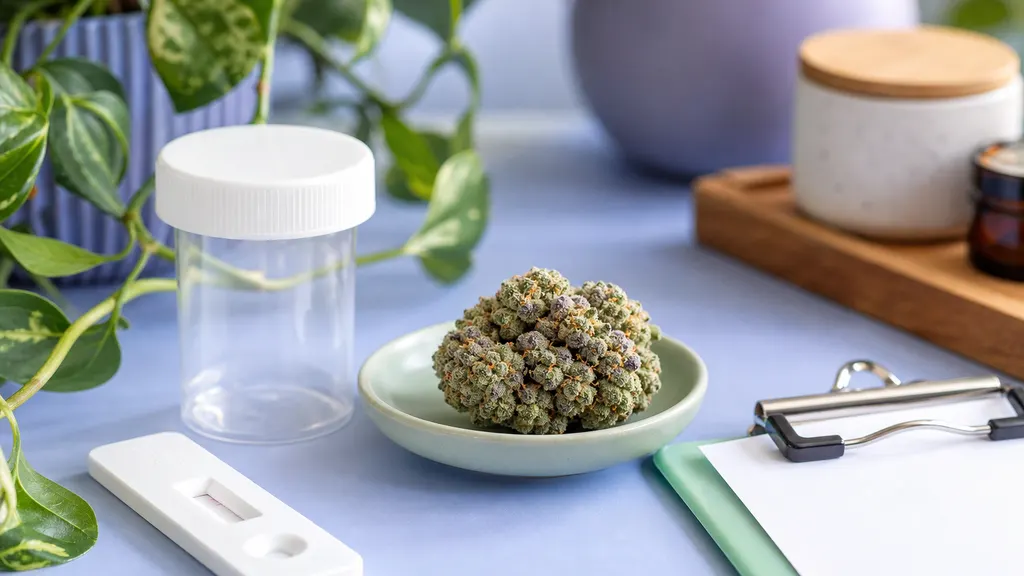
A sample cup and a test cassette beside a mint dish with a frosty cannabis bud, a clipboard and green trailing plants

5 min read · Updated November 18, 2026 · WeedDB editors

People usually search this to find out how long THC stays in the body. The honest answer is that it depends on the type of test, how often someone uses, and the cutoff the lab applies, so a tidy number would mislead you. What we can lay out clearly, with sources, is how drug testing works in Canadian workplaces, what a positive result does and doesn't show, and who actually has to be tested.

How long does THC stay detectable?What does a positive result actually show?Can my employer drug-test me in Canada?What about random testing?Which workplaces do require testing?Does medical use change anything?How reliable is what you read about this?

How long does THC stay detectable?

There isn't one number, and we won't give you one. The detection window changes with the kind of test, how much and how often someone has used, and the cutoff the lab sets. A figure that sounds precise is usually a single case or a single study dressed up as a rule.

Many pages online also quote cutoff values as if they were Canadian. They generally aren't. The figures quoted most often belong to a United States federal workplace programme. The federal Labour Program's workplace impairment page names no mandatory Canadian programme and gives no cutoff concentrations.

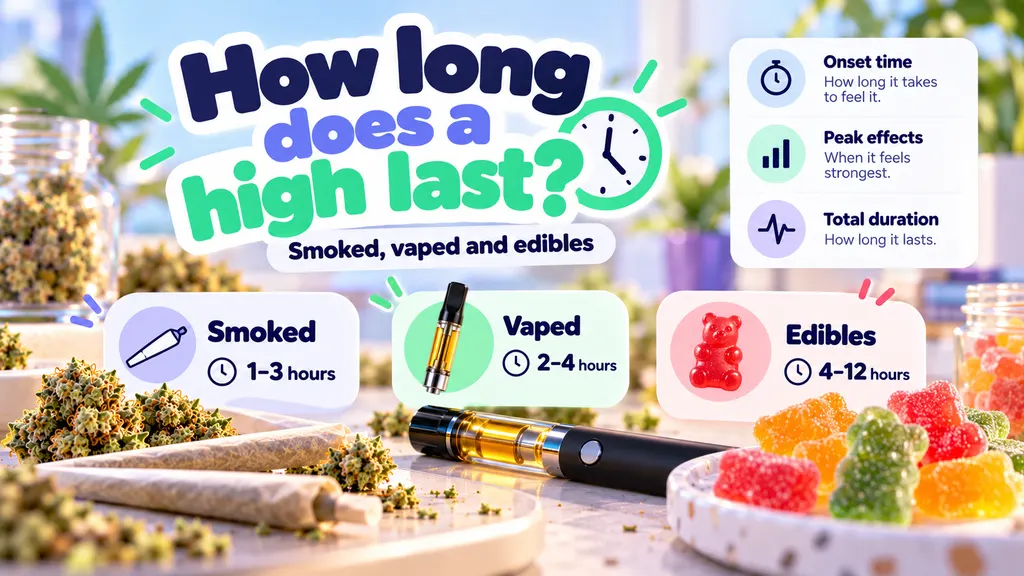
If you need to know how a specific test applies to you, ask the testing provider, your employer's written policy, or a doctor or pharmacist. We don't give advice on timing or passing a test, because it would be guesswork. For the other kind of timing, how long the effects themselves last, see our guide to how long a high lasts.

What does a positive result actually show?

A positive result tells you a substance or something your body makes from it was found at or above the lab's cutoff. That is a statement about presence. It is not a measure of how someone felt, or whether they were affected at work that day.

This is why Canadian guidance keeps coming back to impairment and safety rather than to a test result alone. The question is whether a person can do a safety-critical job safely, and a test is only one input into that.

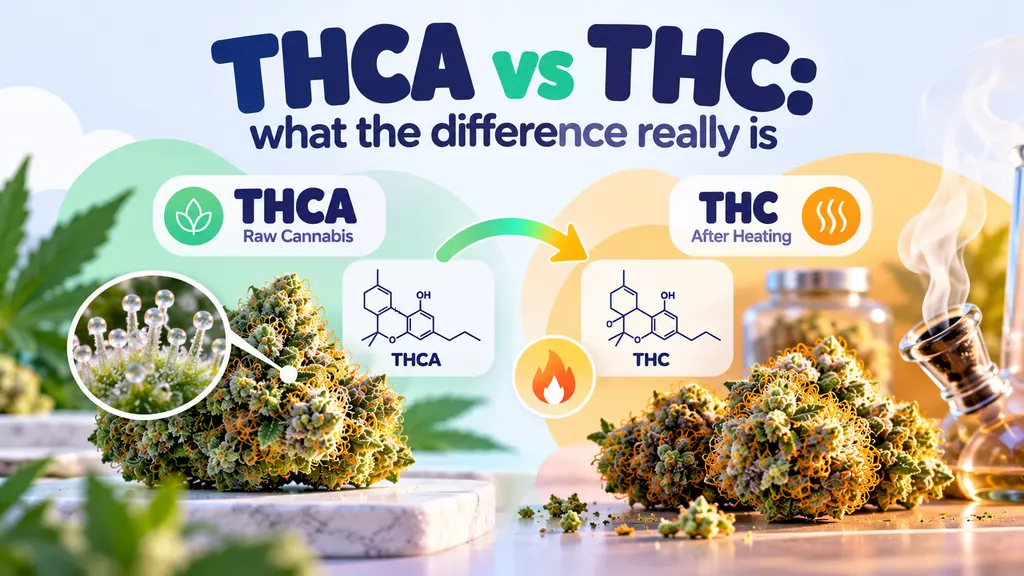
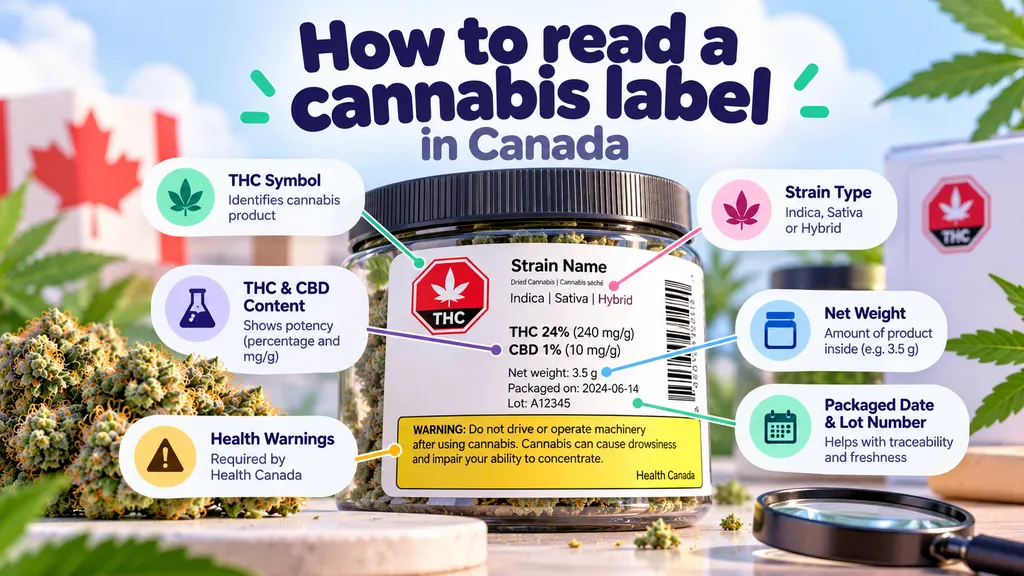
It is also why the cutoff matters. Move the cutoff and you move the answer. Different programmes use different values, so a result that is positive under one policy may not be under another. The THC in your system is not the same chemical story as what is in the product you bought, either. Our guide to THCA vs THC explains how cannabis changes form, and reading cannabis labels shows what the numbers on a package mean.
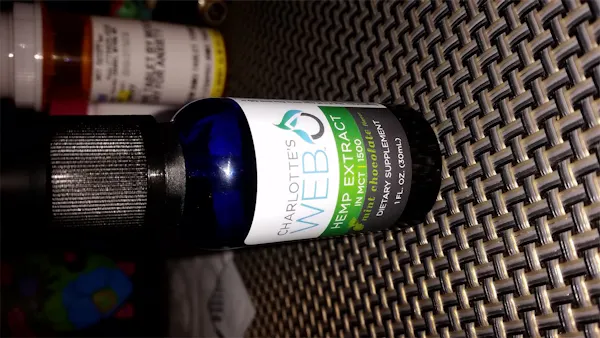
Strains with lower published THC
Charlotte's Web strainHybridCharlotte's WebTHC 0–1% · MyrceneSour Tsunami strainHybridSour TsunamiTHC 1–10% · MyrceneACDC strainHybridACDCTHC 1–5% · MyrceneGorilla Mints strainHybridGorilla MintsTHC 10–12%Purple Star strainIndicaPurple StarTHC 6%Cannatonic strainHybridCannatonicTHC 4–8% · MyrceneParadise OG strainHybridParadise OGTHC 8–10%Sour Blueberry strainHybridSour BlueberryTHC 12–14% · LimoneneBlueberry Afgoo strainHybridBlueberry AfgooTHC 12% · CaryophylleneMidnight strainHybridMidnightTHC 7–13% · MyrceneRoot Beer Kush strainHybridRoot Beer KushTHC 11–12%Orange Herijuana strainHybridOrange HerijuanaTHC 10–14%

Can my employer drug-test me in Canada?

Mostly no, and where it is allowed it is narrow. For federally regulated workplaces, the Labour Program says no provision of the Canada Labour Code addresses drugs and alcohol at work. The question is guided by decisions from labour arbitrators, human rights tribunals and courts.

Under that guidance, individual testing is generally permissible only in specific situations, and only in safety-sensitive positions. A safety-sensitive position is one where incapacity due to impairment could cause direct and significant risk of injury to the employee, to others or to the environment. The consequence of impairment in the role decides the label, not the job title.

These are the federal rules for federally regulated workplaces. Provincially regulated workplaces can differ, and this is general information, not legal advice. If you are worried about a policy, talk to your union, a labour-relations professional or an employment lawyer.

What about random testing?

Random testing is the hardest to justify. Federal guidance says it may be permissible only where the employer can show a demonstrated alcohol or drug abuse problem, where testing is a proportionate response, and where the employer still meets its duty to accommodate employees who test positive.

All three conditions have to hold together. An employer that simply prefers random testing, with no demonstrated problem, doesn't meet them.

Which workplaces do require testing?

At least one regulated sector does. The Canadian Nuclear Safety Commission updated its drug and alcohol testing requirements, and high-security nuclear sites, including nuclear power plants, used fuel management facilities and Chalk River Laboratories, are required to follow them. They are set out in REGDOC-2.2.4, Fitness for Duty, Volume II, Version 3.

The regime includes five kinds of testing, shown below. After a confirmed positive, the stated process is removal from safety-sensitive duties and a substance abuse evaluation, with a return to those duties only if the worker is found fit for duty. The published description does not say a positive result on its own ends someone's employment.

That is one sector, not a general cross-industry programme. Most Canadian workers are not covered by anything like it.

SituationWhat governs itWhat is allowed or required
Federally regulated workplaceCase law and tribunal decisions. No Canada Labour Code provision.Individual testing generally only in specific situations, in safety-sensitive positions.
Random testingThe same case lawOnly with a demonstrated abuse problem, a proportionate response, and the duty to accommodate met.
High-security nuclear sitesCNSC REGDOC-2.2.4, Volume II, Version 3Pre-placement, random, post-incident, reasonable-grounds and follow-up testing.
Medical cannabis usersDuty to accommodateTreated like any other prescription medication, up to the point of undue hardship.
Who governs workplace drug testing in Canada, and what each source allows. Federal guidance applies to federally regulated workplaces. Check the rules for your own province and employer.

Does medical use change anything?

Federal guidance says medical cannabis must be treated like any other prescription medication. That triggers the employer's obligation to accommodate its use to the point of undue hardship. It is an obligation on the employer, not a guaranteed arrangement, and it doesn't replace a conversation about your role.

If you use cannabis under a medical document and your job is safety-sensitive, talk to your doctor or pharmacist and to your employer's human resources team early, not after a test.

How reliable is what you read about this?

Be careful. Much of what is written about drug testing is aimed at a US audience, is written by testing vendors or law firms, or repeats one number from one case. The Canadian position lives in case law and regulator documents rather than in a single statute.

Look for the primary source. The two we used are the federal Labour Program's workplace impairment questions and answers, and the nuclear regulator's news release on its drug and alcohol testing requirements. Note that the second is a news release, not the REGDOC itself, so we have not quoted any threshold from it. For other cannabis facts that people tend to get wrong, see how long edibles take and flying with weed in Canada.


Sources: canada.ca, canada.ca

Common questions

How long does THC stay detectable?

There is no single answer. It depends on the type of test, how much and how often someone uses, and the cutoff the lab applies. Any page that gives one tidy number is oversimplifying. Ask the testing provider, a doctor or a pharmacist about your own situation.

Can my employer drug-test me for cannabis in Canada?

Usually not at will. The federal Labour Program says no Canada Labour Code provision addresses drugs and alcohol at work, and the question is guided by arbitrators, tribunals and courts. Testing is generally permissible only in specific situations, in safety-sensitive positions.

What is a safety-sensitive position?

Federal guidance describes a position where incapacity due to impairment could result in direct and significant risk of injury to the employee, to others or to the environment. The consequence of impairment in that role decides the label, not the job title.

Is random drug testing legal in Canada?

Only in narrow circumstances. Federal guidance says it may be permissible where the employer can show a demonstrated alcohol or drug abuse problem, where testing is a proportionate response, and where the employer still meets its duty to accommodate employees who test positive.

Does any Canadian industry require cannabis testing?

At least one does. High-security nuclear sites, including nuclear power plants, used fuel management facilities and Chalk River Laboratories, are required to follow the nuclear regulator's drug and alcohol testing requirements in REGDOC-2.2.4, Fitness for Duty, Volume II, Version 3.

What happens after a positive test at a regulated nuclear site?

The stated process is removal from safety-sensitive duties, a substance abuse evaluation, and a return to those duties only if the worker is found fit for duty. The published description does not say a positive result on its own ends the employment relationship.

Does medical cannabis change my position at work?

Federal guidance says medical cannabis must be treated like any other prescription medication, which triggers the employer's obligation to accommodate its use to the point of undue hardship. That is an obligation on the employer, not a guaranteed arrangement.

Are the cutoff numbers I see online the Canadian ones?

Generally not. The figures quoted on most pages come from the United States federal workplace testing programme. The federal Labour Program's page on workplace impairment names no mandatory Canadian programme and gives no cutoff concentrations.

Keep reading

All guides
A traveller wheeling a suitcase overflowing with cannabis through a bright airport terminalGuideCan you fly with weed in Canada? Domestic flights and the borderYes on domestic flights, no across any border. CATSA allows cannabis in carry-on and checked bags on flights within Canada, and the 30 g public possession limit still applies. Taking cannabis out of Canada, even to a U.S. state where it is legal, is illegal.Read it A young woman eating a gummy beside a bowl of colourful gummies and baked treatsGuideHow long do edibles take to kick in?Health Canada says edibles can take 30 minutes to 2 hours to start working, with the strongest effects 2 to 4 hours in and effects lasting 4 to 8 hours. The wait is why the standard advice is to start low, go slow and not take more too early.Read it Illustration of raw cannabis (THCA) turning into THC after heating, with both molecules shownGuideTHCA vs THC: what the difference really isTHCA is the raw, acidic form of THC that cannabis plants actually make, and on its own it isn't considered intoxicating. Heat strips off part of the molecule and turns THCA into THC, which is why Canadian labels show "Total THC": the THC you'd have if all the THCA converted.Read it A Canadian cannabis jar with its label parts called out: the THC symbol, THC and CBD content, net weight, packaged date, lot number and the Health Canada warningGuideHow to read a cannabis label in CanadaEvery legal cannabis product in Canada has to show its Total THC and Total CBD, the red THC symbol, a yellow health warning, a lot number, a packaging date and an excise stamp for your province. Total THC is the number to compare, and it's shown in mg/g for flower and in mg per piece and per package for edibles.Read it A joint, a vape cartridge and gummies, titled How long does a high last? Smoked, vaped and ediblesGuideHow long does a high last? Smoked, vaped and ediblesHealth Canada says that after smoking or vaping you could feel effects for 2 to 4 hours, and after eating or drinking cannabis for 4 to 8 hours. Edibles also start later: within 30 minutes to 2 hours, compared with seconds or minutes when inhaled.Read it A glass of white wine beside a lavender dish of frosted cannabis buds on a periwinkle tableGuideWeed vs alcohol: what the evidence actually comparesNo single study answers whether weed or alcohol is worse, because they've rarely been measured on the same scale. Four comparisons share a unit: crash risk, dependence, acute lethality and cost to Canada. Each points a different way. Canada also publishes a weekly numeric guide for alcohol and none for cannabis.Read it Car keys on a lavender key ring beside a dish with a cannabis bud and a mint-green cup of waterGuideDriving high in Canada: the THC limits and what they meanCanadian law sets three blood-THC concentrations for drug-impaired driving, and separately makes impairment itself an offence. Justice Canada calls the lowest limit precautionary, and no government publishes a waiting time that makes a driver legal.Read it Three glass jars of frosty cannabis buds on a wooden counter beside a small digital scale and a glass beakerGuideWhat does the THC percentage on weed actually mean?A THC percentage is a calculated share of a flower's weight, worked out from one lab sample of one lot. It is useful, but it is one value drawn from a plant that varies, and we could not find a source that shows what it predicts about how a product will feel.Read it