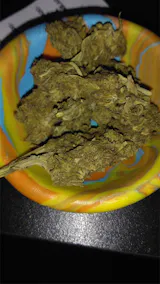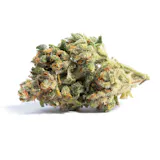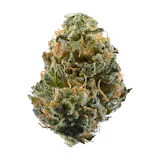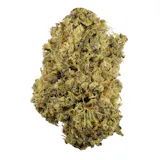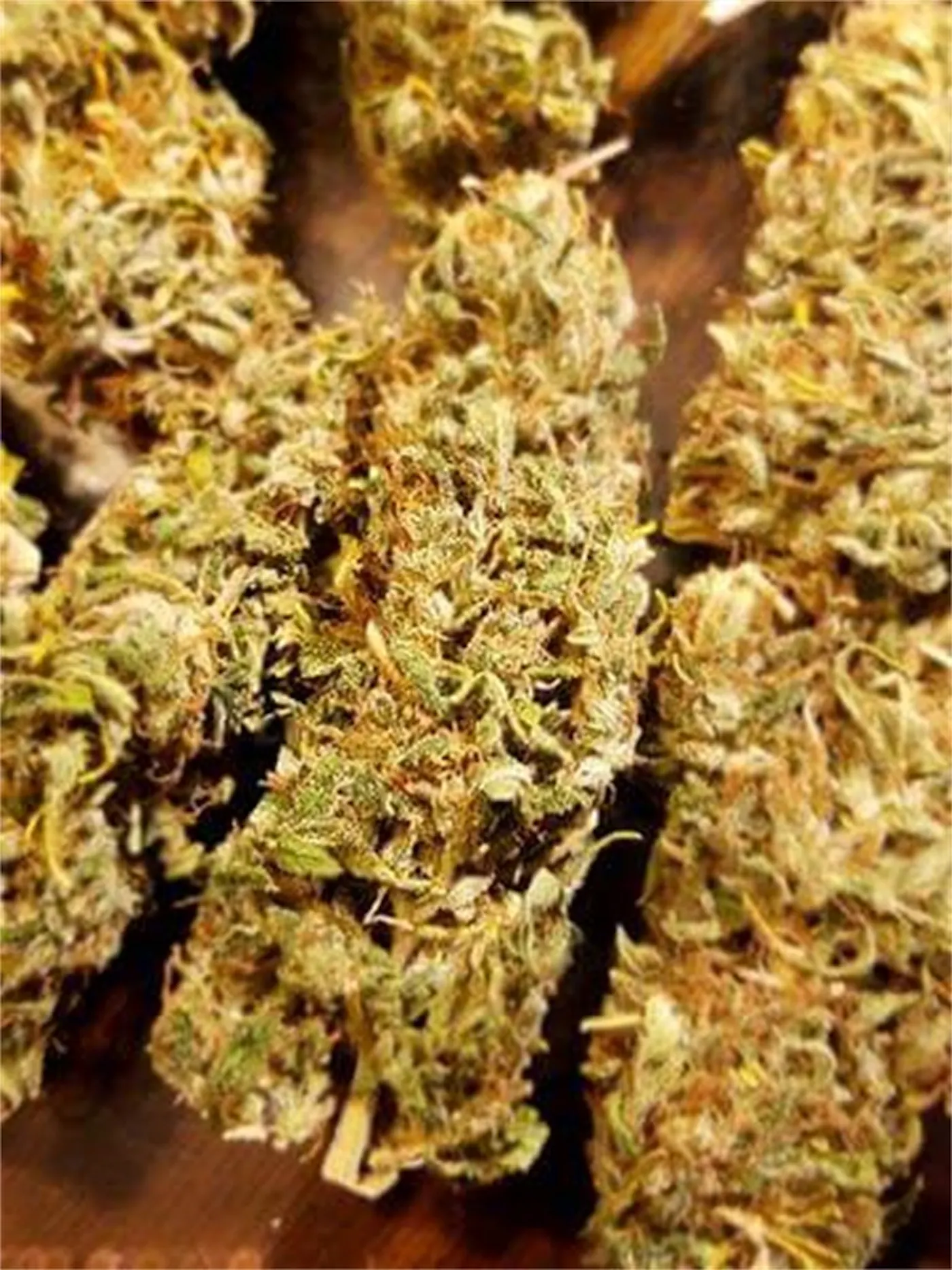
Panama Red strain guide
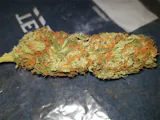
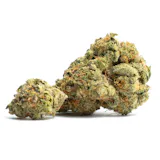
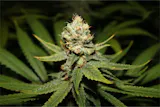
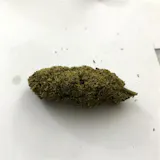
Panama Red is one of the old legends: a sativa from Panama that was famous in the late 1960s and named for the reddish hairs on its buds. People know it for an earthy, spicy, tea-like smell and an energetic, talkative feel. True versions of the original are hard to find today.
Where does Panama Red come from?
Panama Red is usually described as a landrace-style sativa from Panama. High Times notes it was already well known by 1969, so it likely goes back further than that. One strain database gives a slightly different account, calling it a cross of Panamanian and Colombian plants. Either way, there's no single breeder behind the original.
Its popularity faded through the 1970s and 1980s. The plant takes at least 11 weeks to flower, and growers moved to faster, more compact hybrids. Several seed companies sell Panama Red lines today, and they may not match each other or the plant people smoked in the 1960s.
What does Panama Red smell and taste like?
Expect something earthy and herbal rather than sweet: tea, pepper and spice, with woody notes. The best examples are often described as having a citrus or grapefruit brightness on top, and some people pick up a tropical edge.
Published terpene data puts myrcene first, followed by pinene and limonene. Myrcene gives the earthy base, pinene a fresh, woody note and limonene the citrus.
Panama Red effects: what people report
Panama Red's reputation is energetic and social. People describe it as talkative, happy and creative, with a busy, focused headspace. Older accounts call it fast and intense, and some reviewers say it creeps up rather than hitting all at once.
These are experiences people report, not promises. How it feels depends on the product, how much you have and your own tolerance. Dry eyes, dry mouth and headaches are the most common complaints, and a racy sativa like this can feel like too much for some people.
How strong is Panama Red?
Modern listings put Panama Red around 16% to 22% THC, with very little CBD. Nobody tested cannabis in the 1960s, so claims about how strong the original was can't be checked.
Start with a small amount and give it time, especially since people say it can creep up. Go by the THC on your label, and see our guide to reading cannabis labels if you're not sure what the numbers mean.
Buying Panama Red in Canada
Because so many seed lines carry the name, a product called Panama Red may be a modern take rather than the classic plant. If the producer lists the seed source, that tells you more than the name does.
Check THC, CBD and the packaging date before you buy, since fresher flower keeps more of that spicy, earthy smell.
Panama Red vs Colombian Gold
Both are classic South and Central American sativas from the same era, and one strain database even traces part of Panama Red to Colombian plants. Colombian Gold is a landrace from Colombia's Santa Marta mountains with a skunky lemon and lime smell. Panama Red is earthier and spicier, with tea and pepper notes. Both get described as energetic and focused. If you like bright citrus, start with Colombian Gold. If you prefer a spicy, herbal smell, try Panama Red.
Strains like Panama Red
If you like Panama Red, these classic sativas are the closest matches:
- Colombian Gold: a fellow landrace sativa from the same era, with a lemon and lime smell.
- Acapulco Gold: another 1960s classic, from Mexico, with toffee and coffee notes.
- Haze: built from old landrace sativas, with a spicy, earthy citrus smell.
- Durban Poison: a pure sativa landrace with a famously energetic reputation.