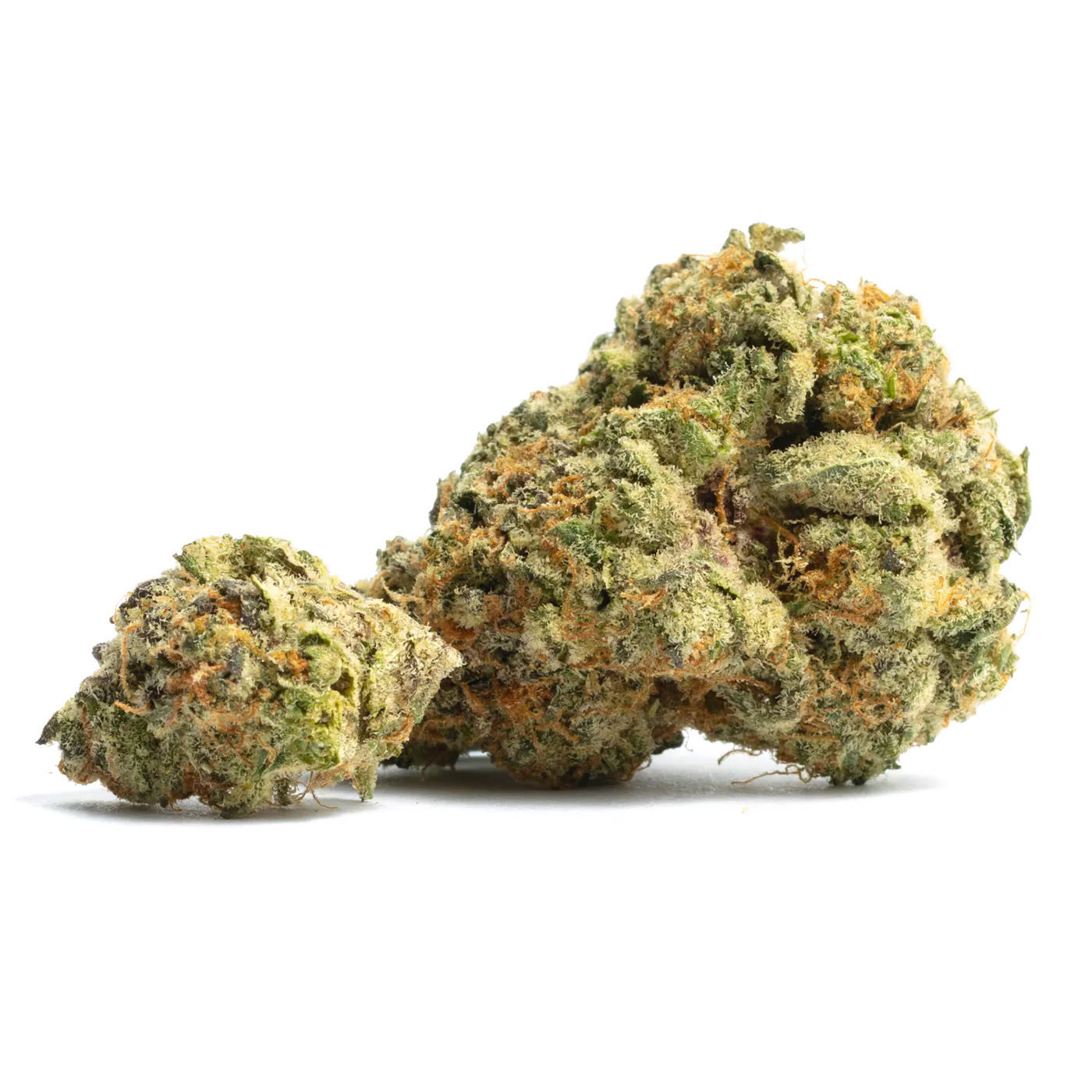
Power strain guide
Power is usually sold under its full name, Power Plant: a mostly sativa strain that the Dutch seed company Dutch Passion released in 1997, built on South African genetics. People know it for an earthy, piney smell and a quick, energetic, head-first feel. It's also the parent of several better-known strains.
Where does Power come from?
Power Plant was developed by Dutch Passion in the Netherlands and released in 1997. Several strain databases trace it to South African genetics, and the breeder describes it as an inbred line that was never hybridised with other strains. One grow database instead calls it a cross of South African indica and sativa plants, so the exact makeup is not settled. Either way, it leans strongly sativa.
It has been a busy parent. One strain database lists dozens of strains bred from it, including autoflowering versions. Two with guides here are Pure Power, Nirvana's cross with White Widow, and Cotton Candy, a cross with Lavender.
What does Power smell and taste like?
Most descriptions start earthy and herbal, with pine and dry wood. Some people pick up lemon and a slightly sour edge, and the breeder's listing mentions rose. A few reviews add faint sweetness or peppery spice.
No source we found publishes terpene results for Power Plant, so we haven't listed any. The flavour is usually described as soft and smooth, following the smell with wood, herbs and a light citrus or floral note.
Power effects: what people report
People most often describe Power Plant as fast-acting and energetic, with a euphoric, cerebral lift that some find social and creative. Reviews also mention relaxing, and at least one grower reported an energetic start followed by a much heavier, couch-bound feel later on.
These are experiences people report, not promises. How it feels depends on the product, how much you have and your own tolerance. Not every review is positive, and some people found it weaker than they expected.
How strong is Power?
Power Plant's THC numbers vary more than most. Dutch Passion's own figure is about 15%, one grow database reports up to about 13%, and one strain database lists a range of roughly 17% to 24%. That puts it anywhere from moderate to strong, depending on the grower and batch. CBD is usually low.
If you're new to it, start with a small amount and give it time before having more. The numbers on your product's label matter more than the strain name, and our guide to reading cannabis labels explains them.
Buying Power in Canada
Look for the full name, Power Plant, on the label. Several related strains share part of the name, like Pure Power Plant or Auto Power Plant, and they are different plants with different parents.
It's most often sold as seeds, though you may also find flower. Check the THC and CBD numbers and the packaging date on any product.
Power vs Pure Power
Pure Power is a child of Power Plant, made by Nirvana Seeds by crossing Original Power Plant with White Widow in the late 1990s. Both share an earthy, piney smell and an energetic, clear-headed reputation. Power Plant is the purer sativa line, with roots in South African genetics and nothing else, while Pure Power is a hybrid that brings White Widow into the mix. If you want the original African sativa line, look for Power Plant. If you'd like a hybrid version from the same family, try Pure Power.
Strains like Power
If you like Power, these are the closest matches:
- Pure Power: its child with White Widow, earthy and piney with an energetic feel.
- Cotton Candy: another child, much sweeter and more floral thanks to its Lavender side.
- Durban Poison: a South African sativa landrace with a similar bright, energetic reputation.