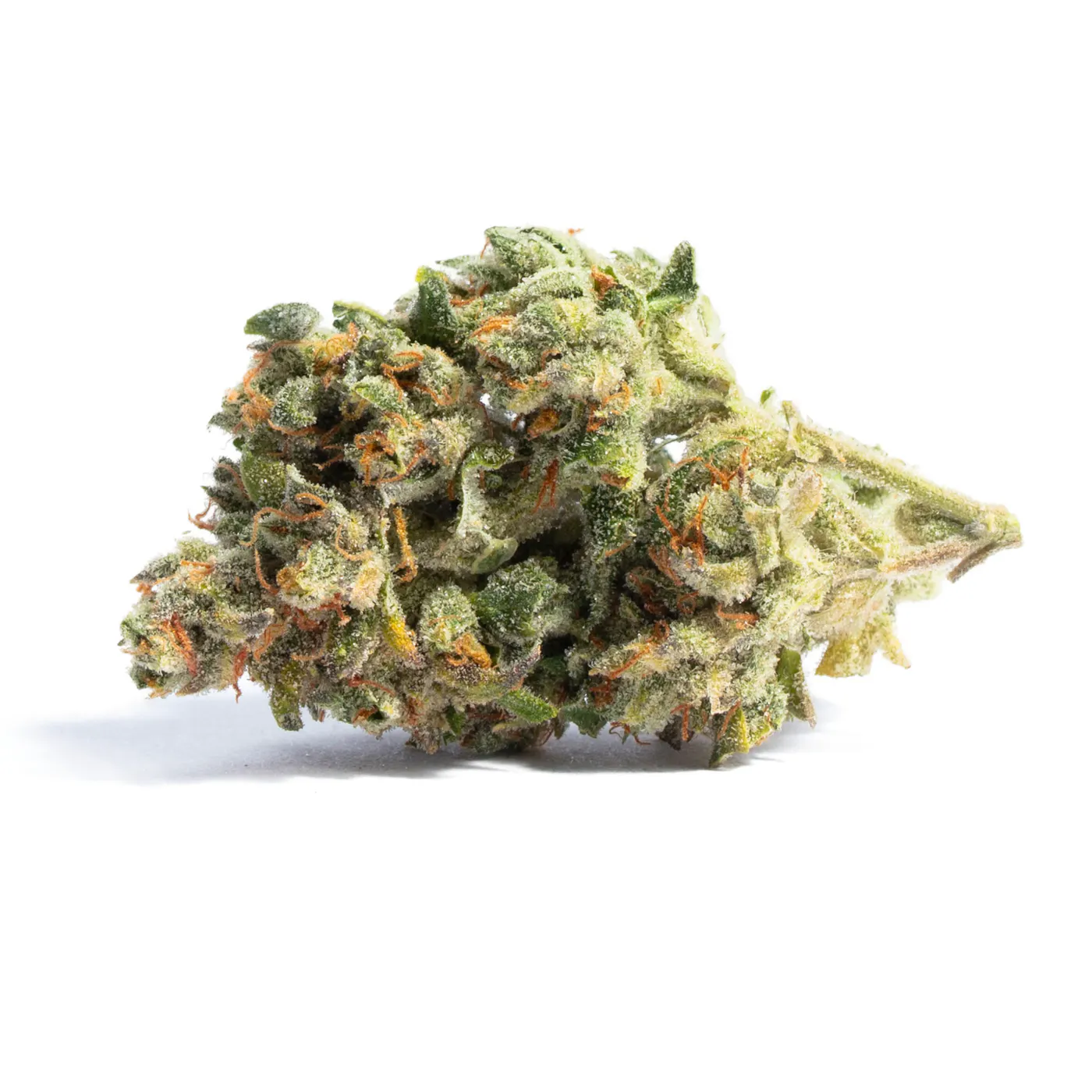
Acapulco Gold strain guide
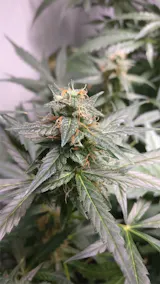
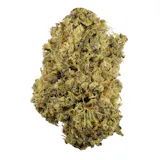
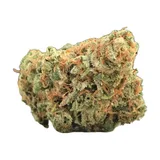
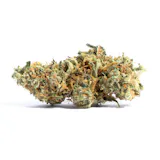
Acapulco Gold is a Mexican landrace sativa that became famous in the 1960s. It's named for the golden colour its buds can take on late in flowering, and people know it for a sweet, toffee and coffee smell and an upbeat, focused feel. It's also one of the strains behind Skunk #1.
Where does Acapulco Gold come from?
Acapulco Gold is a landrace: a plant that grew locally in one region for generations rather than coming from a breeder's cross. It's most often tied to the area around Acapulco in Guerrero, Mexico, though some accounts place it in neighbouring Oaxaca. No one has documented its exact origins.
It reached the United States around the mid-1960s and quickly built a reputation as high-quality Mexican cannabis. The name caught on so widely that it was often used for almost any good Mexican weed of the time. Later, it became one of the three parent lines of Skunk #1.
What does Acapulco Gold smell and taste like?
Acapulco Gold smells sweet and rich: toffee, honey and coffee over an earthy, woody base. Some people mention chestnut, pine or a little citrus, and broken-up buds are often compared to burnt toffee.
Caryophyllene usually leads its terpene results, followed by myrcene and limonene. Caryophyllene brings a peppery bite, myrcene the earthy side and limonene the hint of citrus. The flavour tends to follow the smell, sweet and toasty with a woody finish.
Acapulco Gold effects: what people report
People most often describe Acapulco Gold as energetic, focused and creative, with a strong head feel and a lighter, easy body feel. Reviewers often call it a daytime strain and mention feeling motivated or social.
These are experiences people report, not promises. How it feels depends on the product, how much you have and your own tolerance. Dry mouth and dry eyes are the most common complaints, and some people mention feeling anxious, paranoid or dizzy.
How strong is Acapulco Gold?
Acapulco Gold is usually a moderate to high-THC strain. Listings put it around 18% to 24% THC, with very little CBD.
If you're new to it, start with a small amount and give it time before having more. The THC and CBD numbers for your batch are printed on the label, and they matter more than the strain name.
Buying Acapulco Gold in Canada
Acapulco Gold is considered hard to grow indoors, so it shows up less often than newer strains. Because it's a landrace with a famous name, what's sold today may be a modern seed line rather than the original Mexican plants.
If you find it, it will most likely be dried flower or pre-rolls. Check the THC and CBD numbers and the packaging date on the label, since fresher flower keeps more of that sweet smell.
Acapulco Gold vs Colombian Gold
Colombian Gold is another Latin American landrace from the same era, and the two were both used to make Skunk #1. They aren't parent and child, but they sit side by side in cannabis history. Acapulco Gold is the better documented of the two, known for its sweet toffee and coffee smell and its focused, energetic reputation. Colombian Gold has a thinner public record, so check the label and terpene notes on any product you find. If you want the sweet, rich smell, start with Acapulco Gold. If you're curious about the other half of the Skunk story, try Colombian Gold.
Strains like Acapulco Gold
If you like Acapulco Gold, these are the closest matches:
- Colombian Gold: a fellow landrace from the same era and another of the lines behind Skunk #1.
- Skunk #1: one of its offspring, more balanced and much skunkier.
- Durban Poison: no documented family link, but another classic landrace sativa known for an energetic feel.
- Maui Wowie: no documented family link, but an old-school sativa with a sweet smell and upbeat reputation.