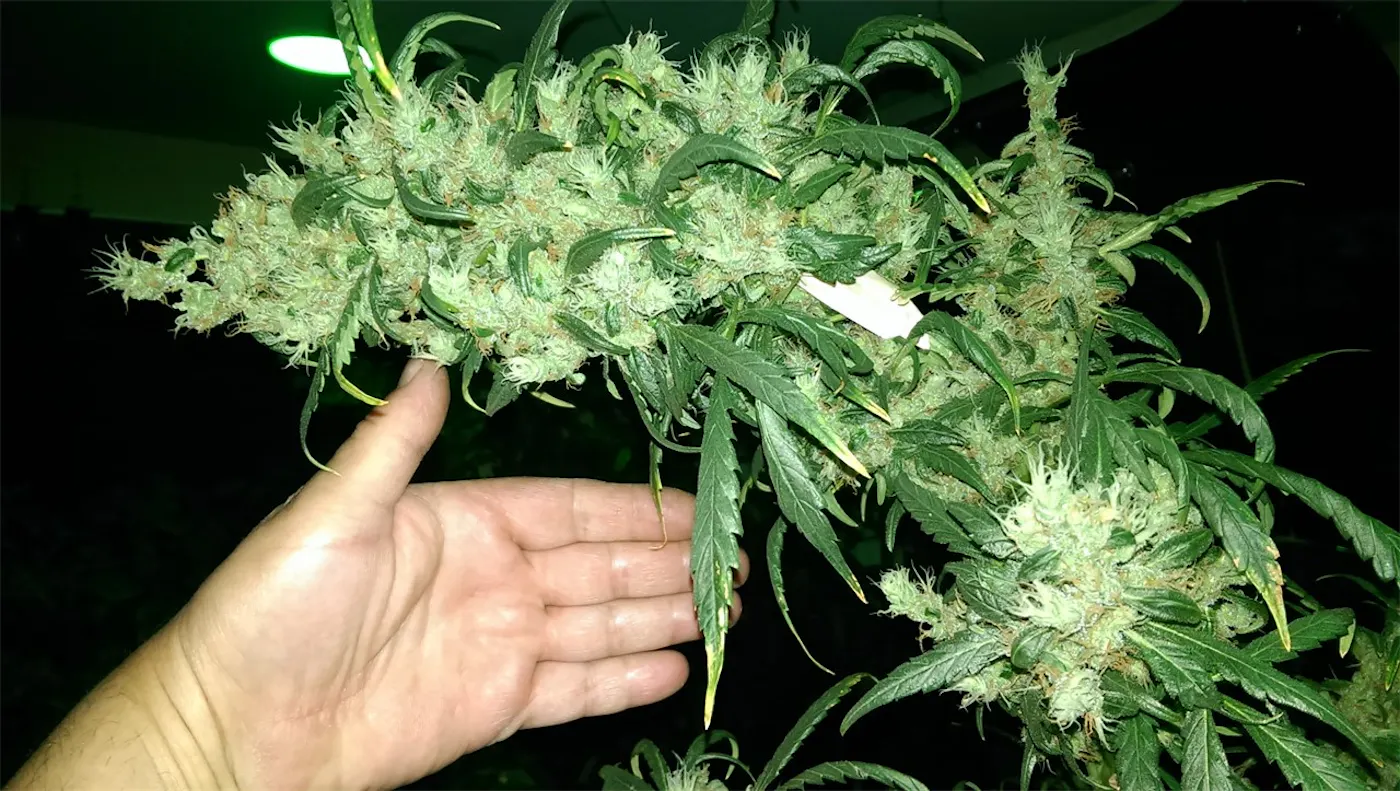
Thai strain guide
Thai is a sativa landrace from Thailand, one of the old strains that shaped much of modern cannabis. It's known for an earthy, woody smell with a citrus edge and a clear, energetic feel, and its genes run through famous names like Haze.
Where does Thai come from?
Thai isn't a cross. It's a landrace, a type of cannabis that grew in one region for generations and adapted to it, in this case Thailand. Because of that, it has no breeder in the usual sense, and the name really covers a group of related Thai plants rather than one exact cut.
It reached North America in the 1970s and 1980s, often as Thai stick: buds tied around a stick to dry, a traditional method that gave it its nickname. Breeders later used Thai genetics in strains like Haze, Voodoo and Juicy Fruit.
It's a demanding plant to grow, with a long flowering time that suits tropical weather, which is part of why pure Thai is uncommon today.
What does Thai smell and taste like?
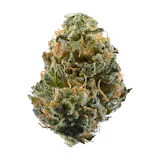
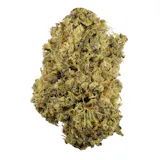
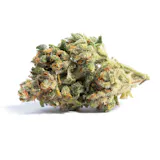
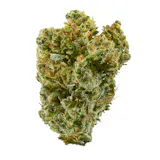
Thai smells earthy and woody, with spice and a bright citrus note that some describe as lemon. The taste leans herbal, with hints of tea, tobacco and pine.
Caryophyllene usually tops its terpene results, followed by myrcene and limonene. Caryophyllene adds the spicy, peppery side, myrcene the earth and limonene the citrus. It's a more old-fashioned profile than the sweet, dessert-style strains popular today.
Thai effects: what people report
People most often describe Thai as energetic, focused and creative, with a clear head rather than a foggy one. It's generally seen as a daytime strain, and reviewers rarely describe it as heavy in the body.
These are experiences people report, not promises. How it feels depends on the product, how much you have and your own tolerance. Dry mouth and dry eyes are the usual complaints, and some people say it can feel racy or leave them anxious if they have too much.
How strong is Thai?
Listings put Thai around 19% to 24% THC, with very little CBD. Since Thai is a family of plants rather than one cut, numbers vary by grower and crop.
If you're new to energetic sativas, start with a small amount and wait before having more. Your batch's THC and CBD numbers are on the label, and they matter more than the strain name.
Buying Thai in Canada
Pure Thai is rare on shelves because it's hard to grow outside the tropics. Products with Thai in the name are often hybrids built on Thai genetics rather than the original landrace, so read the label and any lineage notes closely.
If you find it, check the THC and CBD numbers and the packaging date, since fresher flower keeps more of its smell.
Thai vs Haze
Haze is one of Thai's best-known descendants, bred in part from Thai genetics, so the two share that clear, upbeat sativa reputation. Thai is the original landrace, with an earthy, woody and herbal smell. Haze is a later blend of several tropical sativas and is usually described as spicier and more incense-like. Both are long-flowering plants that are uncommon in pure form. If you're curious about where it started, look for Thai. If you want the classic sativa that built on it, try Haze.
Strains like Thai
If you like Thai, these are the closest matches:
- Haze: a descendant with Thai genetics and the same clear, energetic reputation.
- Durban Poison: another pure sativa landrace, from South Africa, with a sweet anise and pine smell.
- Acapulco Gold: a Mexican sativa from the same era of classic imports.
- Super Silver Haze: a Haze-family sativa with a bright, upbeat feel.