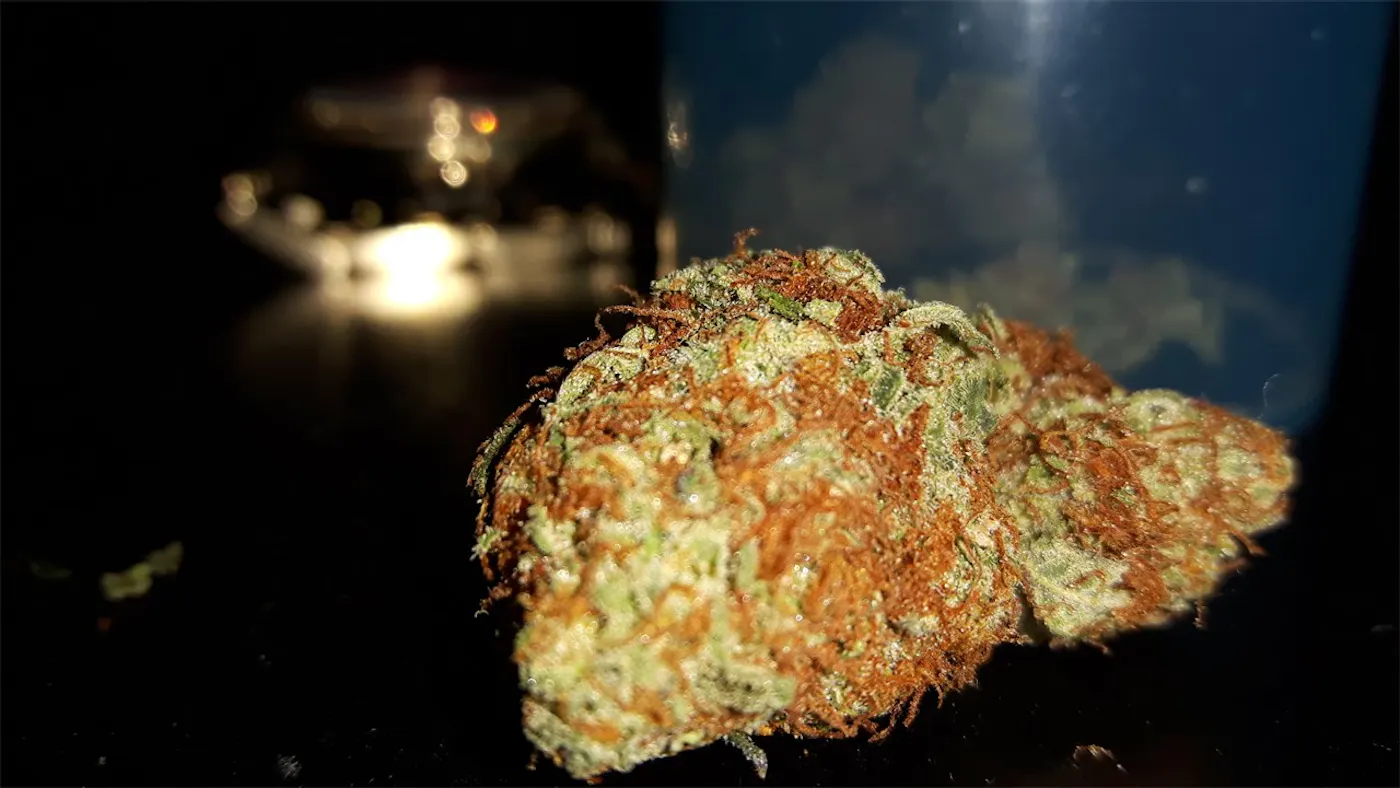
Red Congolese strain guide
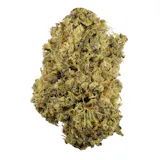
Red Congolese, sometimes called Red Congo, is a sativa with roots in a Congolese landrace. It has a spicy, herbal smell with grapefruit and citrus, and people mostly describe it as energetic, focused and creative.
Where does Red Congolese come from?
Every source ties Red Congolese to a landrace from the Congo region of central Africa, but its full parentage is not settled. One strain database lists one Mexican and one African parent. Another database describes a Congolese mother crossed with a Mexican sativa and Afghani, which would make it less of a pure sativa than its reputation suggests.
Its breeder is also unclear. A reviewer on one strain database writing as the Canadian breeder Reeferman says he made it on Vancouver Island in the early 2000s, first selling it as John Sinclair, from a Congolese mother and an Acapulco Gold and Afghani father. That's a self-report we couldn't confirm elsewhere, so treat it as one account among several.
What does Red Congolese smell and taste like?
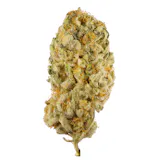
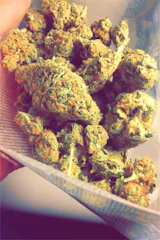
Most descriptions call it spicy and herbal, with sage, white pepper and a nutty, chestnut-like note. Grapefruit and citrus come through on top, and some reviewers pick up pine, green tea or a cheesy skunk edge.
One strain database lists myrcene as its main terpene, followed by pinene and caryophyllene. Myrcene brings an earthy base, pinene the fresh pine and caryophyllene the peppery spice. The taste usually follows the smell: citrusy and spicy, with an herbal finish.
Red Congolese effects: what people report
People most often describe Red Congolese as energetic, focused and creative, with an alert, upbeat start and a calmer feel later on. Several reviewers say it hits harder than they expect from a sativa.
These are experiences people report, not promises. How it feels depends on the product, how much you have and your tolerance. Feeling anxious or paranoid comes up more often than with mellower strains, along with dry eyes and some dizziness.
How strong is Red Congolese?
One strain database puts its average at about 18% to 20% THC, and another database lists around 23%. Little to no CBD is reported.
Because some people find it racy, start small and give it time. The THC number on your batch's label matters more than the strain name. For more on how sativa and indica labels compare, see our indica vs sativa guide.
Buying Red Congolese in Canada
You may see it as Red Congolese or Red Congo. Don't confuse it with Congo Haze, which is a cross of Red Congolese with a Haze.
Check the THC number and the packaging date, since fresher flower holds more of the citrus and spice.
Red Congolese vs Durban Poison
There's no documented family link between them, but Durban Poison is the closest well-known match: another African-rooted sativa with an energetic reputation. Durban Poison comes from South Africa and is known for a sweet, anise-like smell, while Red Congolese leans spicy, herbal and citrusy. Both get described as focused and upbeat, though Red Congolese has more reports of feeling anxious. If you want a classic, widely grown African sativa, start with Durban Poison. If you like spice and grapefruit, try Red Congolese.
Strains like Red Congolese
If you like Red Congolese, these are close matches:
- Durban Poison: an African sativa with a similar energetic, focused reputation.
- Acapulco Gold: a Mexican landrace sativa, named in one account of its family tree.
- Colombian Gold: a landrace sativa with a citrusy smell and an upbeat feel.
- Jack Herer: a well-known sativa-leaning hybrid with a spicy, piney smell.