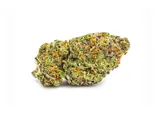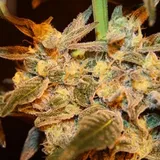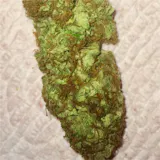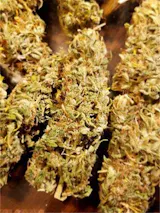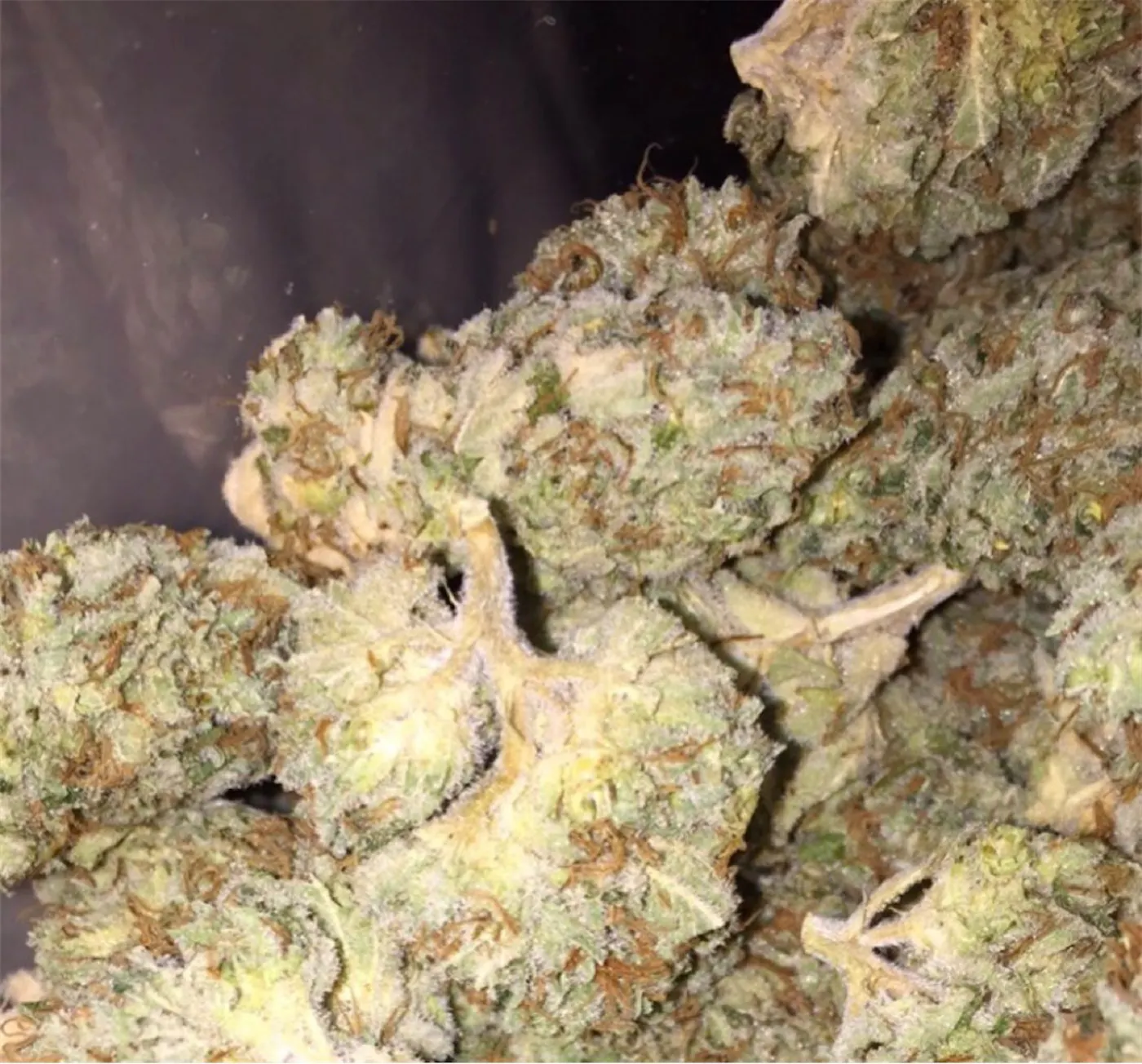
Lemon Thai strain guide
Lemon Thai is an old-school sativa that pairs a Thai sativa with a Hawaiian strain. People know it for a sharp lemon and lime smell with a minty edge, and for an energetic, chatty feel that most save for daytime.
Where does Lemon Thai come from?
Lemon Thai is credited to Dutch Flowers, a breeder that is no longer active. The cross most sources give is a Thai sativa paired with a Hawaiian strain, though the exact Hawaiian plant is not named anywhere we could find.
Both sides are classic tropical sativas, so it's no surprise the result leans that way too. Listings disagree a little on the label: some call it a pure sativa, others a balanced hybrid that behaves like a sativa. The name is a plain description of the smell plus the Thai parent.
What does Lemon Thai smell and taste like?
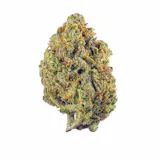
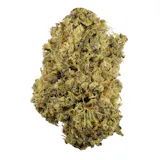
Lemon is the first thing most people notice, followed by lime and a cool, minty note. Some describe a sweet, tea-like side and a light spice underneath, which they put down to the Thai genetics.
Published terpene results list terpinolene first, then myrcene and pinene. Terpinolene often shows up in bright, fresh-smelling sativas, pinene adds a clean pine edge and myrcene a softer, earthy base. The taste tends to follow the smell, with lemon and mint on the exhale.
Lemon Thai effects: what people report
People most often describe Lemon Thai as energetic, focused and talkative, with a clear, up-in-the-head feel rather than a heavy body one. Creative and happy come up a lot too, and a few reviewers mention feeling relaxed once it settles.
These are experiences people report, not promises. How it feels depends on the product, how much you have and your own tolerance. Dry mouth and dry eyes are the most common complaints, and some people say it made them feel anxious or a little dizzy, which is common with racier sativas.
How strong is Lemon Thai?
Listings put Lemon Thai anywhere from about 16% to 24% THC, with 22% the figure quoted most often and very little CBD. That puts it in the middle to high range for today's shelves.
If you're new to it, start with a small amount and wait before having more. The THC and CBD numbers for your batch are on the label, and they matter more than the strain name. Our guide to reading cannabis labels explains what each number means.
Buying Lemon Thai in Canada
Lemon Thai is an older strain, so read the label carefully. Products with similar names, such as Lemon Thai Kush, are not necessarily the same plant, and different growers may be working from different seed lines.
If you find it, it will most likely be dried flower or pre-rolls. Check the THC and CBD numbers, the terpenes if they're listed and the packaging date, since fresher flower keeps more of that lemon smell.
Lemon Thai vs Thai
Thai is the landrace sativa on one side of Lemon Thai's family tree. Both get described as energetic and heady, but Thai is the older, earthier plant, with woody and spicy notes, while Lemon Thai swaps much of that for bright lemon and lime. Their THC listings overlap, so the smell is the real difference. If you want the citrus, pick Lemon Thai. If you're curious about the classic old sativa, try Thai.
Strains like Lemon Thai
If you like Lemon Thai, these are the closest matches:
- Thai: one of its parents, an earthy, spicy landrace sativa with the same upbeat reputation.
- Hawaiian: from the island side of its family, with a sweet, tropical smell.
- Super Lemon Haze: another lemon-forward sativa known for a zesty, energetic feel.
- Durban Poison: a classic sativa people reach for when they want a clear, focused daytime strain.