Tangerine strain guide
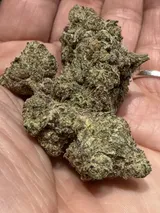
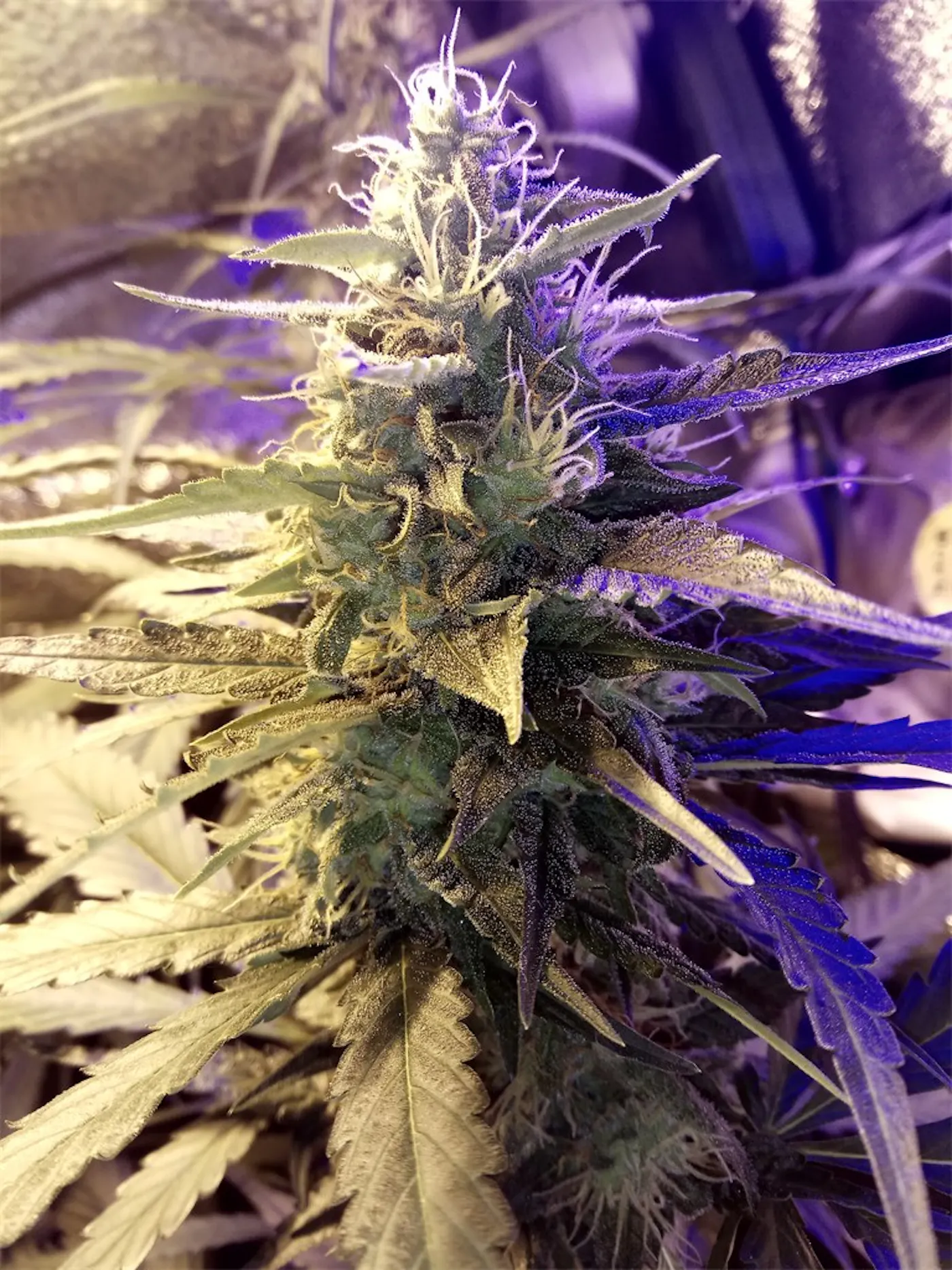
Tangerine is a small-batch hybrid from CH9 Female Seeds, bred for one thing above all: a smell like freshly peeled tangerines. It comes from a line of Ch9 Aroma plants selected over several generations, and people who try it mostly describe it as bright and upbeat.
Where does Tangerine come from?
Tangerine comes from CH9 Female Seeds. According to the breeder, it started in 2007 with a selection of the Ch9 Aroma plants that smelled most like tangerine, and those were bred together for four generations to lock that smell in. One strain database describes it the same way, as a fourth-generation daughter of Ch9 Aroma.
Sources disagree on which way it leans. One strain database and other strain databases call it a sativa-leaning hybrid, while the breeder's listing describes an indica with sativa influences. Our indica vs sativa guide explains why those labels often disagree. It was a limited seed release, so it is not a widely documented strain.
Don't confuse it with Tangerine Dream or Tangie. They share the citrus theme and the name, but they come from different breeders and different parents.
What does Tangerine smell and taste like?
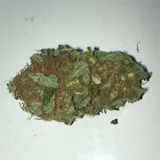
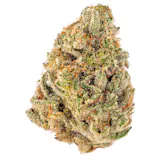
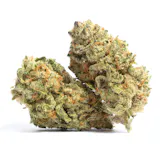
As the name promises, tangerine leads. Behind the citrus, people pick up tropical notes of mango and pineapple, and the breeder describes the taste as fruity and layered rather than one-note.
One strain database lists myrcene as its main terpene, followed by pinene and limonene. Limonene fits the bright citrus side, while myrcene adds a softer, fruity depth.
Tangerine effects: what people report
People most often describe Tangerine as happy, uplifted and focused, with an energetic start that settles into something more relaxed without feeling heavy. Some reviewers mention a creative, chatty headspace.
These are experiences people report, not promises. How it feels depends on the product, how much you have and your own tolerance. Dry mouth is the common complaint, and some people report feeling anxious or paranoid, mostly at higher amounts.
How strong is Tangerine?
The figures here are scattered. One strain database lists Tangerine at about 14% THC, while another strain database puts it between 18% and 22%. CBD is usually listed as low. With so few published lab results, treat those numbers as a loose guide.
If you're new to it, start small and give it time before having more. The THC and CBD numbers on the label are what count, and our guide to reading cannabis labels explains what they mean.
Buying Tangerine in Canada
Because Tangerine is a simple fruit name, different producers may use it for different plants, and some products called Tangerine may have nothing to do with the CH9 line. If the label or product page names the parents, check that it matches what you expect.
Look at the THC and CBD numbers and the packaging date, since fresher flower keeps more of that citrus smell.
Tangerine vs Tangerine Dream
There is no documented family link between them, but Tangerine Dream is the closest well-known match on smell. Both are built around orange and citrus, with tropical notes in the background. Tangerine Dream has a longer history and a more complicated pedigree, and it usually shows up with higher THC listings, while Tangerine is a small-batch line with thinner records. If you want the better-documented citrus strain, start with Tangerine Dream.
Strains like Tangerine
If you like Tangerine, these share its citrus and fruit character:
- Tangerine Dream: a well-known citrus hybrid with a similar orange and tropical smell.
- Tangie: the classic tangerine-scented sativa, sweet and bright.
- Clementine: another orange-forward strain with an upbeat reputation.
- Mango: leans into the tropical mango side of the smell.