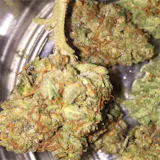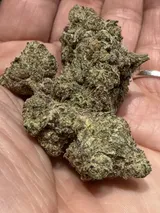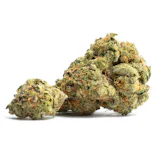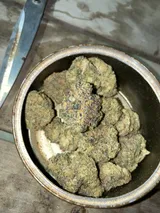
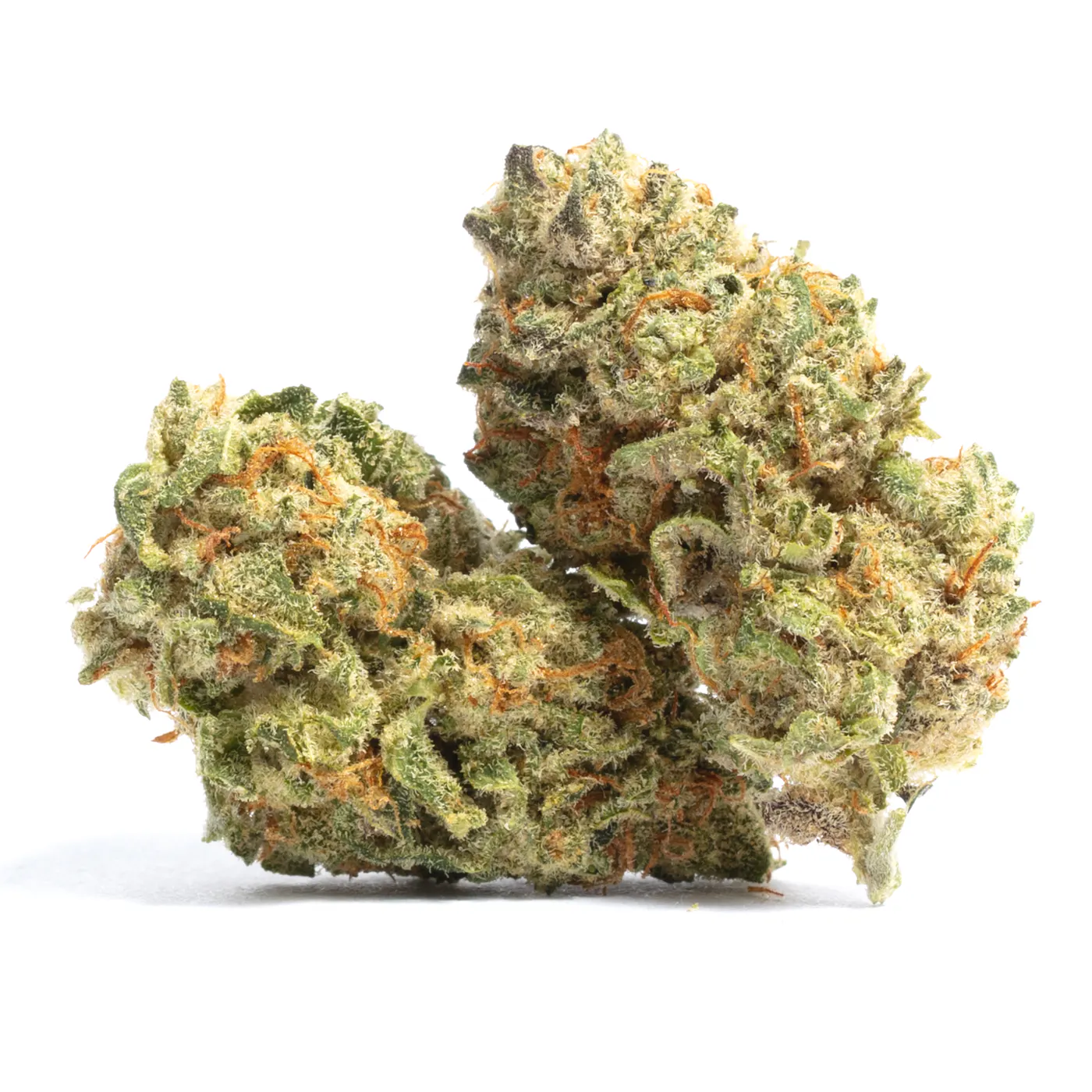
Tear Gas strain guide
Tear Gas is a hybrid made by crossing Stardawg with Chemdawg, which puts it squarely in the Chem family. The name fits the jar: people know it for a sharp, gassy diesel smell, and for a quick head lift that settles into a heavier body feel.
Where does Tear Gas come from?
The cross listed everywhere we checked is Stardawg and Chemdawg. Stardawg is itself built from Chemdawg 4 and Tres Dawg, so Tear Gas is really Chem crossed back with more Chem, which explains why it smells so much like its parents.
Who made the cross, and when, is not well documented. Strain databases describe it as slightly indica-leaning, at roughly 60% indica and 40% sativa. The name is usually read as a joke about the eye-watering fuel smell rather than anything more specific.
What does Tear Gas smell and taste like?
Tear Gas leads with diesel and gas, then pine, earth and a spicy, chemical edge. Some people also pick up wood or a faint lemon note under the fuel.
Published terpene listings name limonene, caryophyllene and myrcene as its main terpenes. Limonene brings the hint of citrus, caryophyllene the peppery spice and myrcene the earthy base. The taste follows the smell: gassy on the inhale, with a little pine on the finish.
Tear Gas effects: what people report
People most often describe Tear Gas as euphoric, happy and energetic at first, with a fast, heady start. As it settles, many say the feel moves into the body and turns relaxed. A few reviewers found it sleepy or heavy, especially at higher amounts.
These are experiences people report, not promises. How it feels depends on the product, how much you have and your own tolerance. Dry mouth and dry eyes are the most common complaints, and some people mention feeling dizzy.
How strong is Tear Gas?
Tear Gas is usually listed as a high-THC strain, but the numbers vary a lot by source. Listings put it anywhere from about 16% to 33% THC, with very little CBD, and the higher figures show up more often than the lower ones.
That range is wide, so the label matters more than the name. If you're new to it, start with a small amount and give it time before having more.
Buying Tear Gas in Canada
Tear Gas is not one of the most common names on shelves, and when you do see it, different growers may be working from different cuts. Read the THC and CBD numbers for your batch rather than trusting the strain's usual range.
Check the packaging date too, since fresher flower keeps more of that loud fuel smell. If you can't find it, other Chem family strains are a close match.
Tear Gas vs Stardawg
Stardawg is one of Tear Gas's parents, so the two share the same diesel and pine backbone. The difference is mostly in how they feel. Stardawg gets described as chatty, focused and upbeat, while Tear Gas starts with a similar head lift but more often ends relaxed and heavy in the body. Tear Gas also tends to be listed a few points higher in THC. If you want the more energetic Chem experience, start with Stardawg. If you'd like something that winds down later, Tear Gas is the better fit.
Strains like Tear Gas
If you like Tear Gas, these are the closest matches:
- Stardawg: one parent, with the same diesel and pine smell and a more upbeat reputation.
- Chemdawg: the other parent and the root of the family, sharp, chemical and gassy.
- Sour Diesel: a Chem relative with a similar fuel smell and an energetic feel.
- Motorbreath: another Chemdawg cross that keeps the gas and adds a heavier finish.