StrainsTerpenesGuidesDispensaries
WeedDB
StrainsTerpenesGuidesDispensaries

Get new strain guides and deals

Yes, email me new strain guides, deals and WeedDB news. I can unsubscribe at any time. Privacy policy

WeedDB
StrainsIndicaSativaHybridTerpenesGuidesAboutContactPrivacyTermsDispensaries
19+ only. Please consume responsibly. © 2026 WeedDB
Home›Strains›Hybrid›Campfire
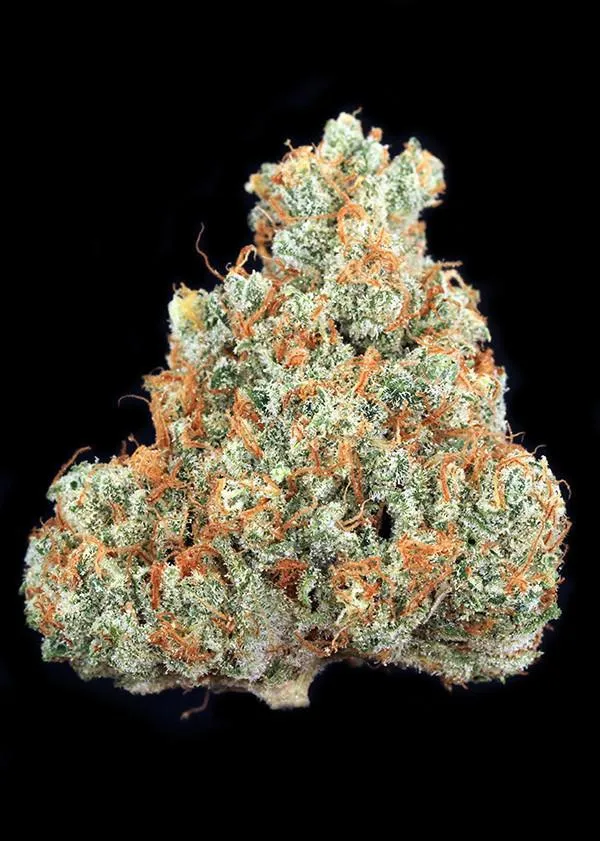
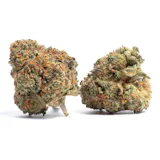
Campfire strain photoiPhoto: AllBud
Hybrid

Campfire

Campfire is a hybrid, listed at 3–5% THC. Only one source has published details on it so far, so this is a short listing rather than a full guide.

Details come from one strain database and aren't confirmed by a second source yet.

Reported THC
3–5%

How people describe it

CalmingFocusHappyRelaxingUplifting

Smell and taste

EarthyFruitySpicySweetTropicalWoodyMango

Strains near it in popularity

Banana Cream Cake strainBanana Cream CakeTHC 20–22%Berner's Cookies strainBerner's CookiesTHC 18–27%Bio Jesus strainBio JesusTHC 19–27%Cinnamon Milk strainCinnamon MilkTHC 25–26%Fat Bastard strainFat BastardTHC 24–38%Gas Monkey strainGas MonkeyTHC 19–33%

Guides to read next

Weed and dreams: what the research actually saysMany daily cannabis users report remembering fewer dreams, and strange, vivid dreams are one of the best-documented features of stopping. The popular claim that THC suppresses REM sleep is much shakier: of six studies with objective sleep measures, four found no REM effect. And no study measured a dream.Weed vs alcohol: what the evidence actually comparesNo single study answers whether weed or alcohol is worse, because they've rarely been measured on the same scale. Four comparisons share a unit: crash risk, dependence, acute lethality and cost to Canada. Each points a different way. Canada also publishes a weekly numeric guide for alcohol and none for cannabis.Autoflower strains: what they are and how they differAutoflowering cannabis switches from growing to flowering based on the plant's age, not on a change in daylight, because it carries genetics from Cannabis ruderalis. It stays smaller and finishes faster than a photoperiod plant, which usually means a smaller harvest.