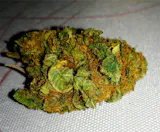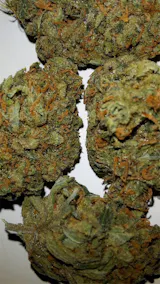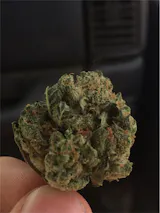
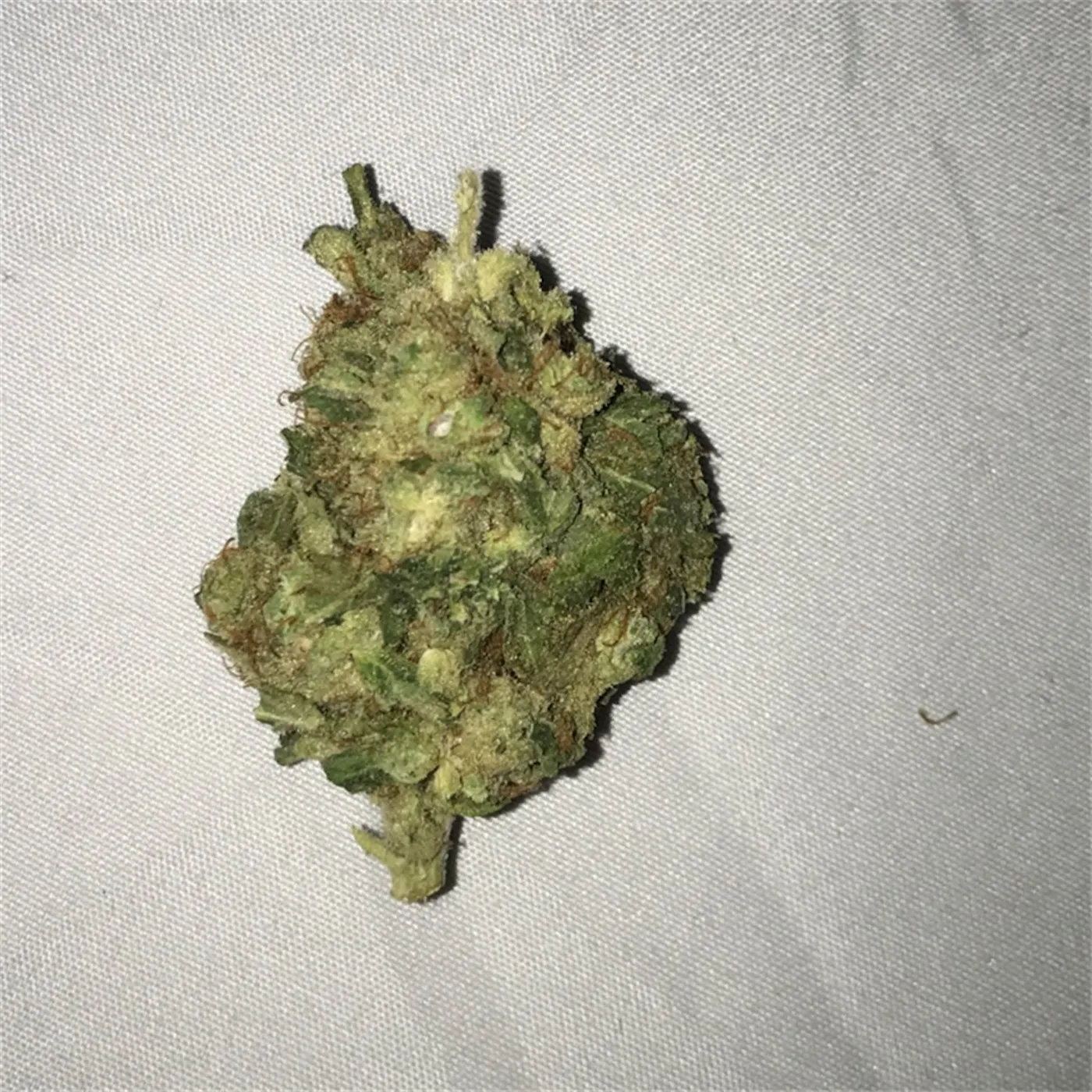
Afghani strain guide
Afghani is one of the original indicas: a landrace from the mountains of Afghanistan that breeders have leaned on for decades. It smells earthy and woody with some pine, and people describe it as heavy and sleepy. Strains like Northern Lights have Afghani in their family tree.
Where does Afghani come from?
Afghani is a landrace, meaning it developed in one region over a very long time rather than being bred by one person. It's named for Afghanistan, and plants like it grow in the Hindu Kush mountains along the border with Pakistan, where cannabis has long been grown for hash.
Breeders prized it for its heavy resin and passed that trait into many famous hybrids. Northern Lights is the best-known offspring. Because many seed companies sell their own Afghani, the name covers a group of similar plants rather than one exact cut, and some listings use Afghani and Afghan Kush almost interchangeably.
What does Afghani smell and taste like?
Expect earth and wood first, with pine, a little spice and a soft sweetness. It's the classic hashy smell rather than fruit or candy, and some people pick up a peppery or herbal note on the exhale.
Terpene reports vary by seed line. Myrcene and pinene come up in the published results we found, with caryophyllene in one and terpinolene listed first in another. Myrcene gives the earthy base and pinene the fresh pine note. The taste is usually smooth, woody and herbal.
Afghani effects: what people report
Reports lean strongly toward relaxed and sleepy, with a heavy body feel, a calm, quiet head and plenty of hunger. Some people mention a happy, floaty mood early on before it settles in, and most save it for the evening.
These are experiences people report, not promises. How it feels depends on the product, how much you have and your own tolerance. Dry mouth and dry eyes are the most common complaints, and some people mention dizziness or a headache.
How strong is Afghani?
Afghani is moderate by today's standards. Published listings usually put it around 16% to 20% THC, with very little CBD.
Moderate still isn't mild if you're new. Start with a small amount and give it time before having more. The THC and CBD numbers on your label are for that batch, and they matter more than the strain name.
Buying Afghani in Canada
Since many seed lines carry the name, two Afghani products can differ in smell and strength. Some are sold as Afghan or Afghan Kush, so check the label for the producer and any lineage notes.
You might find it as dried flower or as hash, which suits a strain with its history. Check the THC and CBD numbers and the packaging date, since fresher flower keeps more of its earthy smell.
Afghani vs Northern Lights
Northern Lights is Afghani's most famous descendant, so the two feel familiar side by side. Both are earthy, piney indicas in a similar moderate THC range. Afghani is the rawer, hashier original, with more wood and spice and a heavier, sleepier reputation, while Northern Lights is a little sweeter and smoother, and reports often call it calm rather than knockout. If you want the classic hash-plant feel, start with Afghani. If you want it a touch softer and sweeter, try Northern Lights.
Strains like Afghani
If you like Afghani, these are the closest matches:
- Afghan Kush: a very close cousin from the same mountains, earthy and heavy.
- Hindu Kush: another landrace from the same range, with an earthy, woody smell and a calm, heavy feel.
- Northern Lights: Afghani's best-known offspring, sweeter and smoother.
- Master Kush: a classic Kush with the same earthy, hashy roots.