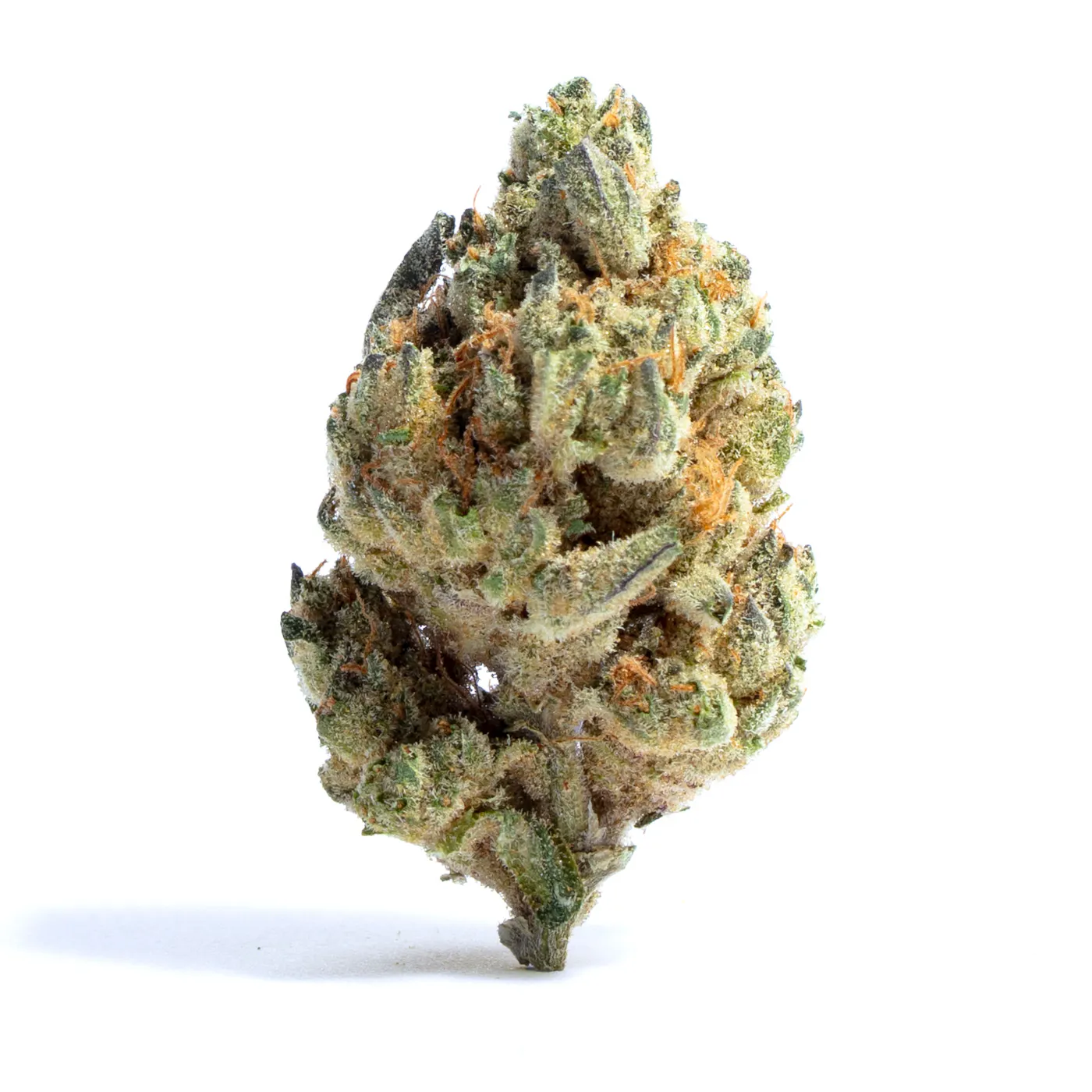
Tamarindo strain guide
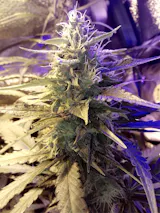
Tamarindo is a hybrid sold as seed by Phylos Bioscience, bred from Green Fire, Grape Pie and Lil Miss HS. People notice its sour, grapey, slightly funky smell first, and most describe an uplifted, euphoric feel that stays fairly calm.
Where does Tamarindo come from?
Phylos Bioscience, a cannabis genetics company that also sells seed, lists Tamarindo as a cross of a Green Fire and Grape Pie plant with Lil Miss HS. Green Fire is itself usually given as Green Crack crossed with Fire OG, so there is a mix of sharp sativa and OG Kush genetics behind it, with Grape Pie adding the fruit.
Not every listing agrees. At least one retailer has sold a Tamarindo described as Purple Fig Animal Mints crossed with Sour Diesel, and one strain database calls its origins largely unknown. The Phylos cross is the version stated by the company that sells the seed, so it's the one most listings repeat, but check the label if the parentage matters to you.
The name is Spanish for tamarind, the sour, sticky fruit pod, which fits the sweet and sour smell.
What does Tamarindo smell and taste like?
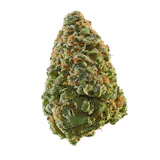
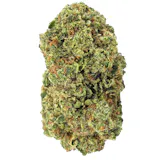
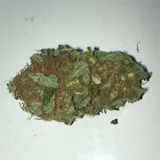
Tamarindo smells sweet and sour at once, with grape and tangy citrus on top and a funky, savoury layer underneath. Broken buds often give off diesel and a chemical, marker-like note, and some people pick up herbs and earth.
Published terpene results put myrcene at the top, followed by caryophyllene, limonene and linalool. Myrcene brings the earthy, musky base, limonene the citrus and caryophyllene the peppery spice many notice on the exhale.
Tamarindo effects: what people report
People most often describe Tamarindo as uplifting and euphoric, with a clear-headed start that some find good for focus or creative work. Most reports call it balanced rather than racy, with a warm, calm feel that doesn't turn heavy. A few mention getting hungry.
There aren't many reviews yet, so take these as early impressions. They are experiences people report, not promises, and how it feels depends on the product, how much you have and your own tolerance.
How strong is Tamarindo?
Tamarindo is a high-THC strain. Published lab results and listings put it around 25% to 30% THC, with very little CBD.
That is strong, especially if you're new. Start with a small amount and wait before having more. The numbers on your product's label are the ones that count, and our guide to reading cannabis labels explains what each one means.
Buying Tamarindo in Canada
Because two different crosses have been sold under the name, it's worth checking whether the producer lists the genetics. A grape, sour and diesel smell is what most descriptions of the Phylos version share.
Look at the THC and CBD numbers, the packaging date and any terpene list on the label. Fresher flower holds more of that sour fruit smell.
Tamarindo vs Grape Pie
Grape Pie is one of the strains behind Tamarindo, and you can smell the link in the grape notes. Grape Pie leans sweeter and more dessert-like, with a doughy, baked edge, while Tamarindo adds sour citrus, funk and fuel from its Green Fire side. Reports also split on feel: Grape Pie is usually described as more relaxing, Tamarindo as more uplifted and clear. If you want straight grape sweetness, try Grape Pie. If you like a tangier, funkier jar, Tamarindo is the pick.
Strains like Tamarindo
If you like Tamarindo, these share some of its traits:
- Grape Pie: one of its parents, with a sweeter grape and pastry smell.
- Green Crack: in its family tree through Green Fire, sharp and energetic with a citrus edge.
- Fire OG: the other half of Green Fire, bringing fuel and lemon.
- Grape Gas: another mix of grape and diesel in one jar.