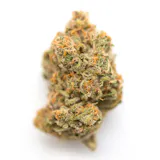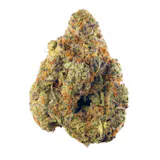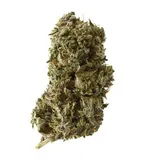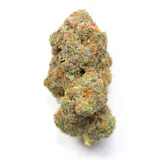
Lemonatti strain guide
Lemonatti is a sativa-leaning hybrid of Gelonade and Biscotti. It's known for a bright lemon smell with an earthy, woody side, and a focused, energetic feel that most people save for daytime.
Where does Lemonatti come from?
Lemonatti is a cross of Gelonade, the lemony Lemon Tree and Gelato 41 strain, with Biscotti, the sweet, gassy cookie strain from the Cookies family. The name blends the two: lemon from one side, a nod to Biscotti from the other.
Who bred it is less clear. It spread as a clone-only cut, and while some reviewers link it to Connected Cannabis, the company behind Gelonade, the main strain databases don't name a breeder. One genealogy database also marks the Biscotti parent as "probably" rather than certain, though every listing we found gives the same cross.
What does Lemonatti smell and taste like?
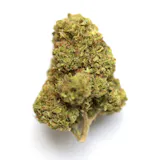
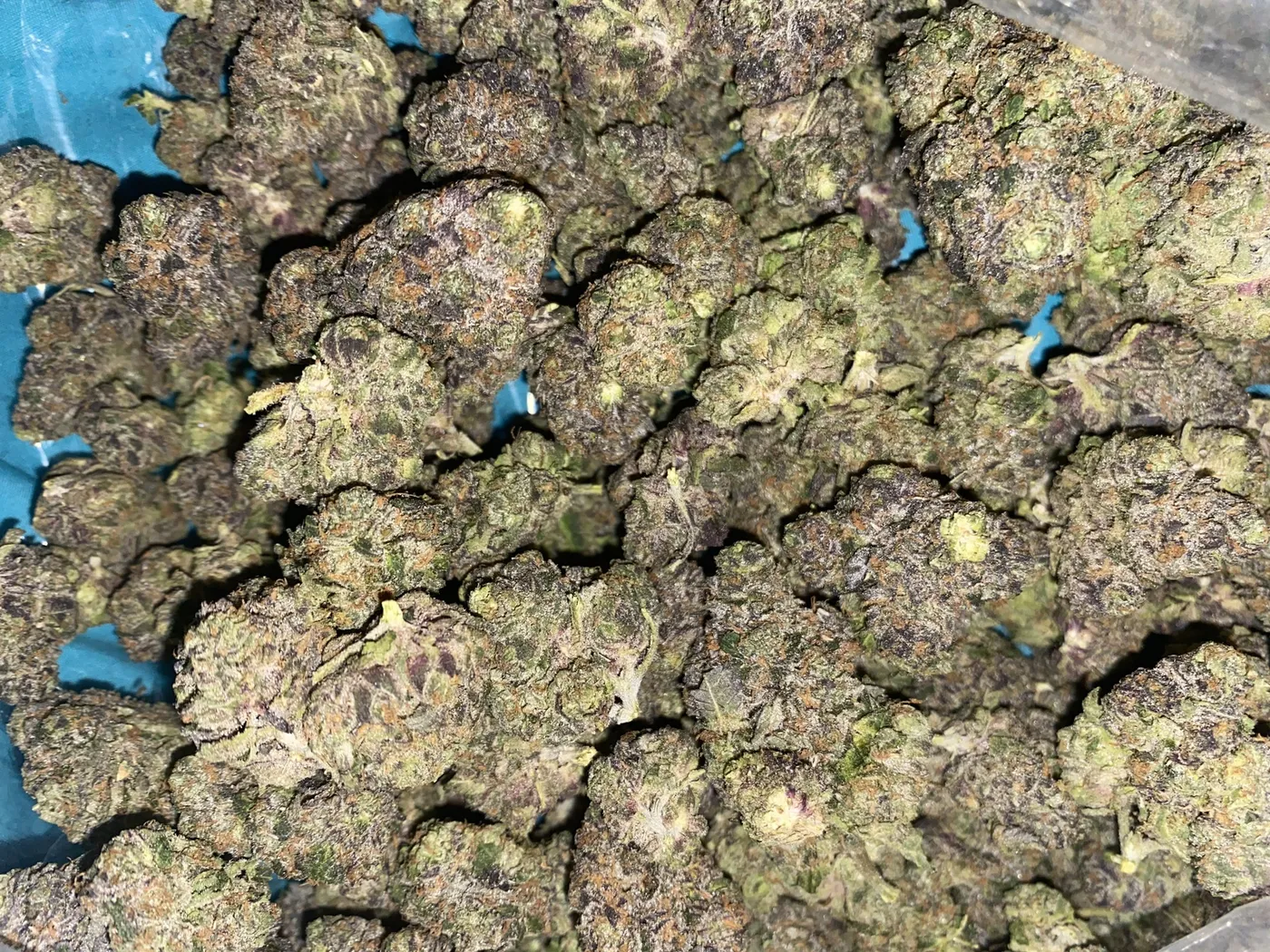
Lemon is the headline. People describe fresh lemon and lime, sour and sweet, with earthy, floral and woody notes underneath. Some reviewers pick up a little gas and a nutty, biscuit-like edge, which fits the Biscotti side.
Limonene is usually listed as its top terpene, followed by caryophyllene and pinene. Limonene carries the bright citrus, caryophyllene adds a peppery bite and pinene a fresh, woody note.
Lemonatti effects: what people report
People most often describe Lemonatti as focused, energetic and uplifted, with a quick start and a mild body tingle that doesn't weigh them down. Happy, euphoric and creative come up a lot too, and many treat it as a daytime strain.
These are experiences people report, not promises. The most common complaints are dry mouth, feeling anxious and, for some, paranoia, which several reviewers tie to its strength. A few people mention couch lock at higher amounts. How it lands depends on the product, the amount and your tolerance.
How strong is Lemonatti?
Lemonatti is a high-THC strain. Published listings put it at roughly 23% to 29% THC, with very little CBD, and some reviewers report individual batches even higher.
If you're sensitive to strong, energetic strains, start small and give it time before having more. Your label's THC and CBD numbers matter more than the strain name, and our guide to reading cannabis labels explains them.
Buying Lemonatti in Canada
Lemonatti is easy to confuse with Illemonati, a different lemon strain with a similar name. Check the label for the Gelonade and Biscotti cross so you know which one you're getting.
Look at the THC and CBD numbers and the packaging date. Citrus smells fade with time, so fresher flower is your best bet for that bright citrus.
Lemonatti vs Gelonade
Gelonade is Lemonatti's parent and the source of its lemon. Both smell sharply of citrus and lean sativa, and both are described as upbeat. Gelonade is usually called chatty and social, with a cleaner lemon smell, while Lemonatti picks up earthier, woodier and slightly gassy notes from Biscotti and is more often described as focused. If you want pure lemon, start with Gelonade. If you like a little cookie depth under the citrus, try Lemonatti.
Strains like Lemonatti
If you like Lemonatti, these are the closest matches:
- Gelonade: its lemony parent, upbeat and chatty.
- Biscotti: the other parent, sweet and cookie-like with a gassy edge.
- Illemonati: a similar name and another Gelonade cross, lemony with a nutty side.
- Lemon Tree: Gelonade's own parent, fresh lemon with diesel underneath.