StrainsTerpenesGuidesDispensaries
WeedDB
StrainsTerpenesGuidesDispensaries

Get new strain guides and deals

Yes, email me new strain guides, deals and WeedDB news. I can unsubscribe at any time. Privacy policy

WeedDB
StrainsIndicaSativaHybridTerpenesGuidesAboutContactPrivacyTermsDispensaries
19+ only. Please consume responsibly. © 2026 WeedDB
Home›Strains›Hybrid›Velvet Kush
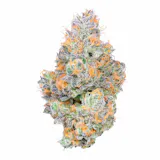
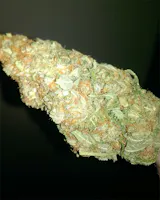
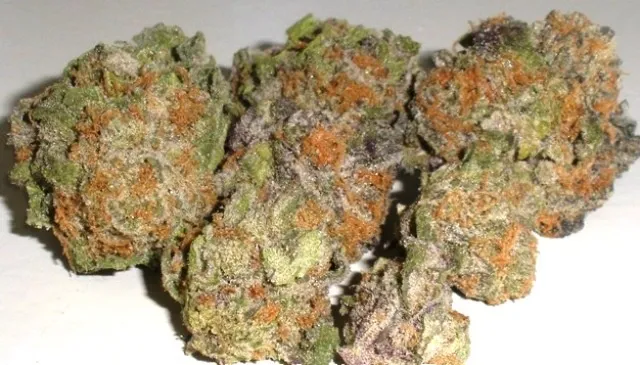
Velvet Kush strain photoiPhoto: AllBud
Hybrid

Velvet Kush

Velvet Kush is a hybrid bred from Silver Velvet Kush and Silver Kush, listed at 24–25% THC. Only one source has published details on it so far, so this is a short listing rather than a full guide.

Details come from one strain database and aren't confirmed by a second source yet.
Reported THC
24–25%

How people describe it

HappyRelaxingUplifting

Smell and taste

EarthyHashCheesy

Family tree

Silver Velvet Kush×Silver KushcrossVelvet Kush

Strains near it in popularity

Tropical Z strainTropical ZTHC 27–32%Tropicana Punch strainTropicana PunchTHC 25–26%Velvet Glove strainVelvet GloveTHC 24–28%Velvet Pie strainVelvet PieTHC 20–22%Wappa strainWappaTHC 14–19%White OG strainWhite OGTHC 21%

Guides to read next

What is kush? Why it's called kush, and the Kush strainsKush is named after the Hindu Kush, the mountain range along the Afghanistan and Pakistan border where the landrace indica plants behind the name come from. Today the word is also casual slang for good weed in general, and the Kush family covers every strain on WeedDB that carries the name.What is hash? How it's made and how it differs from kief and rosinHash, short for hashish, is a cannabis concentrate made by collecting the resin glands (trichomes) from the plant and pressing or gathering them into a solid. It is made without chemical solvents, and in Canada it is sold as a cannabis extract under the Cannabis Regulations.Cannabis plant training: what topping, LST and SCROG are doingNo controlled cannabis study has compared one training technique against another. Three experiments did prune and shape plants and measure the result: topping gave more flower weight but no significant CBD-yield gain, and buds low on the plant were consistently weakest. Here is what was measured, and what was not.