Purple Plague strain guide
Purple Plague is a hybrid of Animal Mints BX1 and Kush Mints, usually described as leaning sativa. People know it for a sweet grape and berry smell over skunky gas, dark purple buds, and an upbeat, euphoric feel.
Where does Purple Plague come from?
Two strain databases both give the cross as Animal Mints BX1 and Kush Mints. A BX1 is a backcross, where a strain is bred back to one of its parents to lock in its traits, so this is a heavily Animal Mints-based plant, since Kush Mints itself comes from Animal Mints and Bubba Kush.
The breeder isn't documented in the sources we checked. FloraCal Farms is one producer that has sold it. One strain database lists it at about 60% sativa, while others just call it a hybrid.
What does Purple Plague smell and taste like?
Purple Plague smells sweet and loud: sugary grape and berry on top, with skunky Kush and gassy diesel underneath. Some listings mention citrus, sour and spice, and a hint of mint from the Mints side of the family.
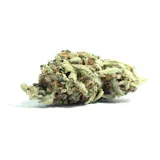
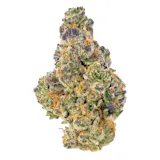
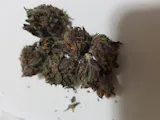
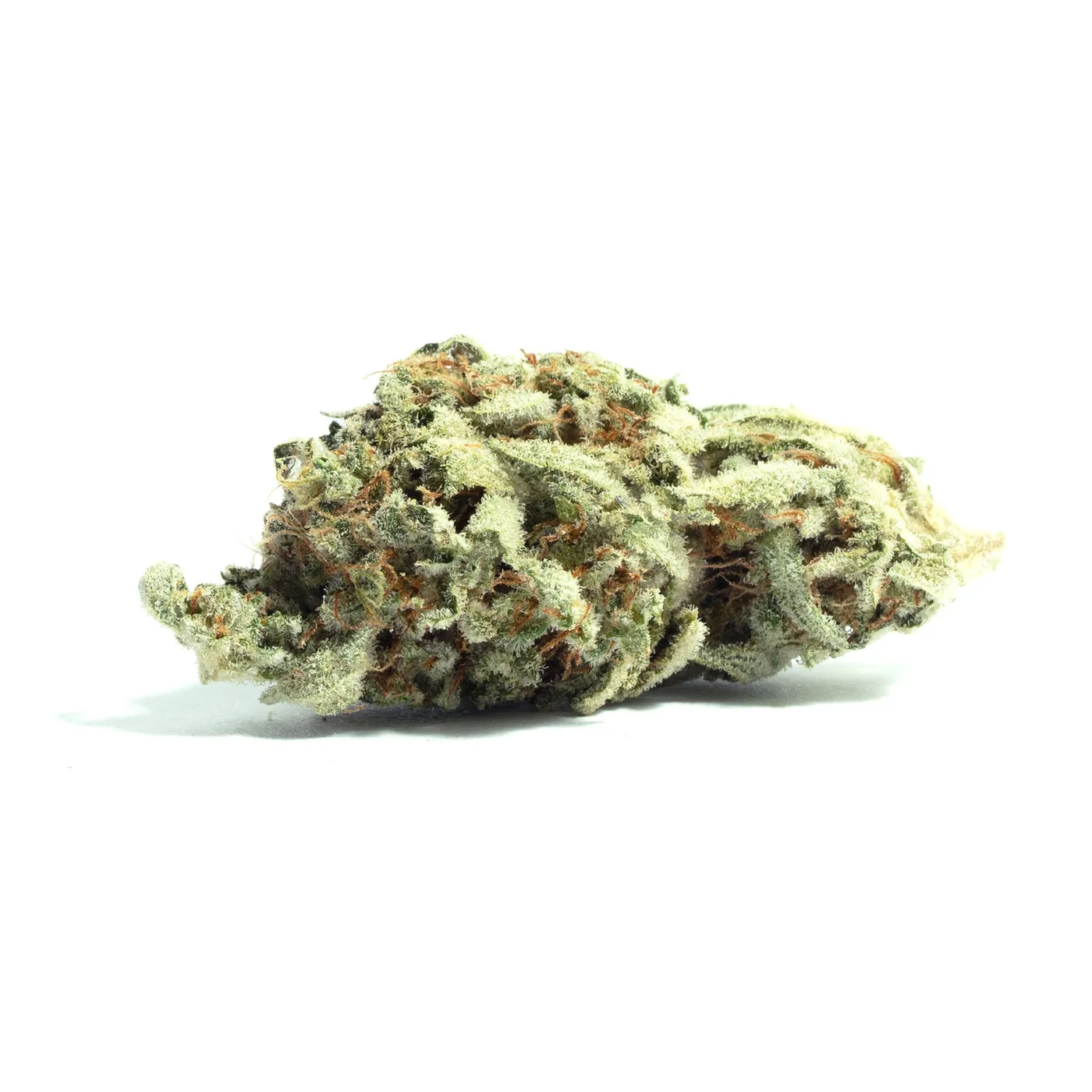
Two strain databases both list caryophyllene, limonene and linalool. The buds are described as olive green with deep purple tones and orange hairs, which is where the name comes from.
Purple Plague effects: what people report
Despite its dark look, people most often describe Purple Plague as uplifting, energetic and euphoric, with some calling it creative and giggly. One strain database says it can creep up slowly and settle into a relaxed body feel, and some reviewers mention strong munchies.
These are experiences people report, not promises. Dry mouth, dry eyes and paranoia are the common complaints, and one reviewer said it left them anxious with a racing heart, so go slowly.
How strong is Purple Plague?
Purple Plague is a high-THC strain. One strain database lists 25% and another database puts it at 27% to 30%. CBD is very low.
That's strong, so if it's new to you, start with a small amount and wait before having more. The THC on your label is what counts.
Buying Purple Plague in Canada
Purple Plague is a newer name, so check the label for the producer, the THC and CBD numbers and the packaging date. Fresher flower keeps more of that grape and gas smell.
If you see it, it may be as flower or concentrates. Our guide on THCA vs THC explains why label numbers can look different between products.
Purple Plague vs Kush Mints
Kush Mints is one of Purple Plague's parents, and both sit high on the THC scale. Kush Mints leads with cool mint and cookie over gas and pine, while Purple Plague swaps much of that mint for sugary grape and berry. Kush Mints is often described as relaxed and euphoric, while Purple Plague reads more energetic and upbeat. If you want the classic mint profile, go with Kush Mints. If you like grape sweetness with gas, try Purple Plague.
Strains like Purple Plague
If you like Purple Plague, these are the closest matches:
- Kush Mints: a parent, minty and gassy with a relaxed reputation.
- Animal Mints: the strain behind the BX1 side, sweet and cookie-like.
- Punch Mints: another grape and mint pairing with a happy feel.