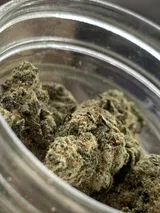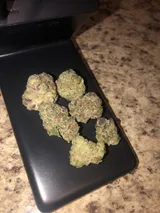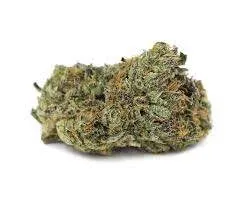
Purple Papaya strain guide
Purple Papaya is an indica-leaning hybrid most often described as a cross of Texada Timewarp and Pinewarp, two strains with British Columbia names. People know it for a sweet tropical fruit smell and a relaxed, creative feel, and it usually tests milder than most modern strains.
Where does Purple Papaya come from?
The cross most often given is Texada Timewarp and Pinewarp. Texada Timewarp is named for Texada Island in British Columbia, and Pinewarp is also known as BC Mountain Pinewarp. One strain database adds two more plants to the mix, A3 and an ancestral indica, so the full family tree isn't settled.
No breeder is named in the sources, and there's no documented release date. One strain database describes it as about 60% indica and 40% sativa.
Despite the name, it isn't documented as related to Papaya, the Nirvana Seeds strain, and a few unrelated plants have been sold under the same name.
What does Purple Papaya smell and taste like?
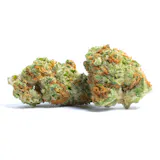
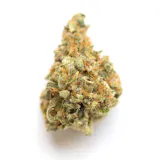
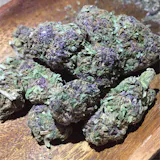
Expect tropical fruit first: papaya, mango and something sweet, with berry and grape notes some people describe as blueberry. Under that sits an earthy, piney and slightly skunky base.
Purple Papaya has no widely published terpene profile. One lab result shared by a buyer showed caryophyllene on top, followed by myrcene and humulene, which fits that earthy, peppery base. Treat that as a single batch rather than the rule.
Purple Papaya effects: what people report
People most often describe Purple Papaya as creative, tingly and relaxed, with a happy, easygoing mood. Some find it upbeat enough for the afternoon, while others say it gets sleepy as it settles.
These are experiences people report, not promises. How it feels depends on the product, how much you have and your own tolerance. Dry mouth and dry eyes come up most, and a few people mention feeling paranoid or pressure behind the eyes at higher amounts.
How strong is Purple Papaya?
Purple Papaya is a mid-strength strain by today's standards. Listings and buyer-shared package results put it around 15% to 18% THC. One strain database lists CBD near 2%, though most listings show very little.
That makes it a gentler choice than many newer strains, but a small amount is still the right place to start. The THC and CBD numbers on your label are what count.
Buying Purple Papaya in Canada
Check the label rather than relying on the name. A few different plants share it, including the unrelated Purple Papaya Runtz, which is usually listed much stronger.
Look at the THC and CBD numbers, the terpenes if they're listed, and the packaging date, since fresher flower keeps more of the fruity smell.
Purple Papaya vs Papaya
There's no documented family link between them, but the names invite the comparison. Papaya is a Nirvana Seeds cross of Citral #13 and Ice #2 that usually tests higher, around 17% to 25% THC, and leans calm and sleepy. Purple Papaya is milder and more often described as creative and tingly, with berry and grape notes alongside the tropical fruit. If you want a stronger, heavier tropical strain, Papaya fits. If you'd like something gentler, try Purple Papaya.
Strains like Purple Papaya
If you like Purple Papaya, these strains share its fruity side:
- Papaya: a similar tropical smell, usually stronger and sleepier.
- Mango Kush: ripe mango over an earthy base, with a happy, relaxed reputation.
- Guava: sweet tropical fruit with a more talkative, upbeat feel.
- Purple Punch: grape and berry sweetness with a relaxed feel.