StrainsTerpenesGuidesDispensaries
WeedDB
StrainsTerpenesGuidesDispensaries

Get new strain guides and deals

Yes, email me new strain guides, deals and WeedDB news. I can unsubscribe at any time. Privacy policy

WeedDB
StrainsIndicaSativaHybridTerpenesGuidesAboutContactPrivacyTermsDispensaries
19+ only. Please consume responsibly. © 2026 WeedDB
Home›Strains›Hybrid›Pink Taffy
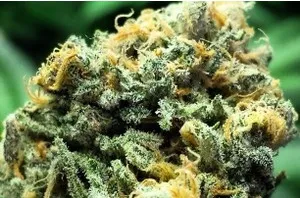
Pink Taffy strain photoiPhoto: AllBud
Indica-leaning hybrid

Pink Taffy

Pink Taffy is an indica-leaning hybrid, listed at 21–26% THC. Only one source has published details on it so far, so this is a short listing rather than a full guide.

Details come from one strain database and aren't confirmed by a second source yet.

Reported THC
21–26%

How people describe it

Body HighCalmingHappyRelaxingSociableUplifting

Smell and taste

CitrusEarthyFruityNuttySourStrawberryCheesyCreamy

Strains near it in popularity

Garlicane strainGarlicaneTHC 18–23%Illemonati strainIllemonatiTHC 18–24%Mochi Runtz strainMochi RuntzTHC 13–25%ScStrawberry CandyTHC 20–26%Butterstuff strainButterstuffTHC 21–32%Guava Cake strainGuava CakeTHC 28–30%

Guides to read next

Weed and drug tests in Canada: what a test can and can't tell youThere is no single number for how long THC stays detectable, and any page that gives one is oversimplifying. In Canada, workplace drug testing is shaped by case law rather than a statute, and it is narrow: individual testing is generally allowed only in specific situations and safety-sensitive roles.What does 4/20 mean? The real origin story4/20 (or 420) is cannabis culture's shorthand for 4:20 p.m. and for April 20. The best-documented origin is a group of San Rafael, California high school students called the Waldos, who used it as a meeting time in 1971. The police-code and chemical-count stories are myths.Cannabis nutrients and deficiencies: what the studies measuredCannabis needs the same essential nutrients as other crops: nitrogen, phosphorus, potassium, calcium, magnesium and sulphur in larger amounts, plus trace elements. Peer-reviewed trials found lower optimum rates than many feeding charts suggest, and deficiencies took five to nine weeks to show when a nutrient was fully withheld.