Paloma strain guide
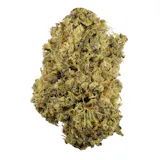
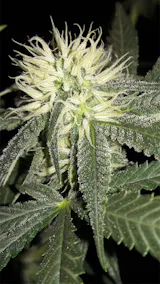
Paloma is a sativa-leaning hybrid name, but it doesn't point to one single plant. Different breeders have released different strains called Paloma, and the version most often described pairs Durban Poison with a Grapefruit parent. People who write about it mention a bright citrus and strawberry smell and a clear, upbeat feel.
Where does Paloma come from?
Paloma is one of those names that several breeders have used for their own work, so the history depends on whose Paloma you have. One strain listing describes it as a cross of Grapefruit and Durban Poison, about 90% sativa. The breeder Weedy's sells a Paloma made from Grapefruit Fly and Durban Poison, which is close to that account.
Other versions are unrelated. A Paloma from 1937 Farms with Raw Genetics, also called Cherry Paloma, is listed as Tropicana Cherry crossed with Georgia Pie, and Greendot Labs has a Paloma of its own from different parents again. Because the sources don't agree on one family tree, we haven't named a single lineage for it.
What does Paloma smell and taste like?
The Durban Poison style of Paloma is described as citrus first, with lemon, strawberry and a sugary sweetness, plus a little sour and earthy edge. Weedy's sums up its version as strawberry lemonade. The Cherry Paloma line is described differently, with sweet cherry, zesty citrus and some gas.
No source we found publishes terpene results for Paloma, so we've left that blank rather than guess. The lab label on your product is the best place to look.
Paloma effects: what people report
Most descriptions call Paloma clear-headed and upbeat, with a quick lift in mood, some focus and a light, giggly side. The body feel is usually described as mild rather than heavy, which is why it gets talked about as a daytime strain.
These are reports, not promises, and with several different plants sold under one name, your experience can vary a lot from batch to batch. How much you have and your own tolerance matter too.
How strong is Paloma?
The one strain listing that publishes a figure puts Paloma at about 25% to 33% THC, which is very high, with little CBD reported. That number is thin evidence for a name shared by several strains, so read the label on your product instead of relying on it.
If it's new to you, start small and wait before having more. Our guide to reading cannabis labels explains what the numbers mean.
Buying Paloma in Canada
Because Paloma can mean different strains, check the producer's description for the parent strains if it's listed. A citrus, strawberry Paloma and a cherry, gassy Paloma are likely different plants.
Look at the THC and CBD numbers and the packaging date, since fresher flower keeps more of its smell.
Paloma vs Durban Poison
Durban Poison is the South African sativa named as a parent in the best-known version of Paloma. Durban Poison is usually described as sweet and herbal with a sharp, energetic feel, while Paloma swaps some of that herbal side for citrus and strawberry from its Grapefruit parent. Paloma is also listed with higher THC, though that figure rests on a single source. If you want a well-documented classic, start with Durban Poison. If a fruitier take sounds better and you can confirm the parents on the label, try Paloma.
Strains like Paloma
If you like Paloma, these are worth a look:
- Durban Poison: a parent in the most common account, with a clear, energetic reputation.
- Grapefruit: the citrus side of that pairing, bright and fruity.
- Green Crack: another sativa-leaning favourite known for a sweet, fruity smell and an upbeat feel.
- Super Lemon Haze: a zesty, lemon-forward sativa for people who like Paloma's citrus.