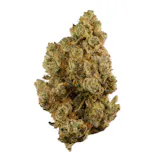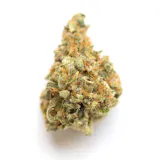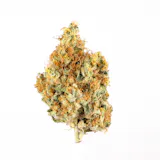
Mango Tango strain guide
Mango Tango is a hybrid from Elemental Seeds that blends The True OG with a Tangie and Peaches cross. As the name promises, it's all about tropical fruit: mango and peach up front, citrus behind. People mostly describe it as happy and giggly, with a relaxed body feel from the OG side.
Where does Mango Tango come from?
Mango Tango is credited to Elemental Seeds, the California breeder behind The True OG. Seed databases give its pedigree as The True OG crossed with a plant made from Tangie and Peaches. Some listings shorten that to Tangie and True OG, or Tangie and Peaches, but they're describing the same three-way mix.
The True OG comes from the OG Kush family, which is where the earthy, relaxing side comes from. Tangie and Peaches bring the fruit, and the name is a fair summary of the result.
What does Mango Tango smell and taste like?
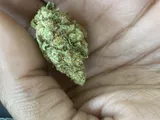
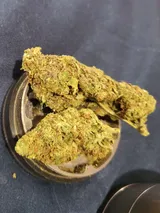
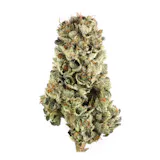
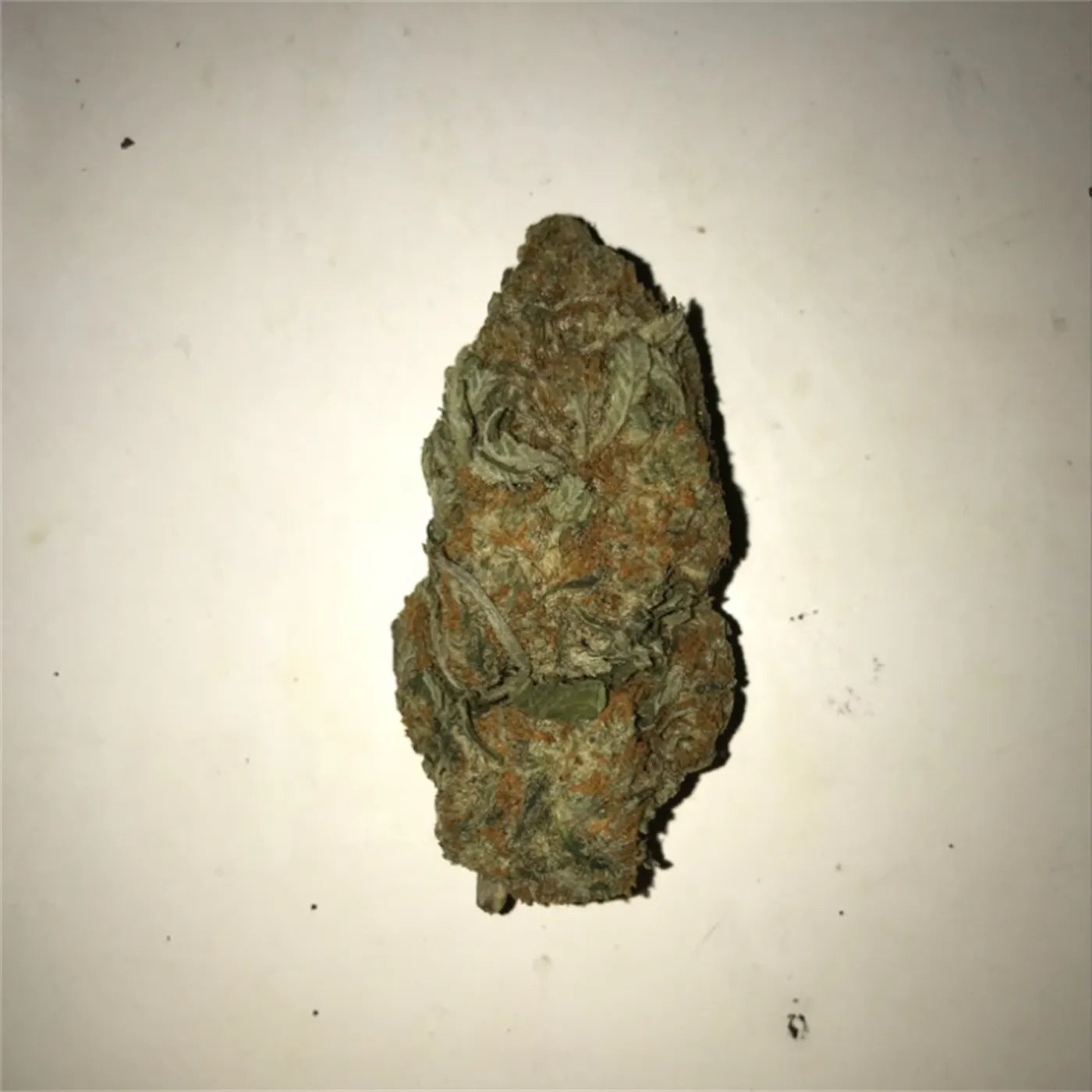
Most people notice ripe mango first, then peach and a bright tangerine or orange note. Under the fruit there's a little earth and pine, and the pine tends to show up most on the exhale.
One strain database lists myrcene as its top terpene, followed by caryophyllene and limonene. Myrcene gives the soft, musky base, caryophyllene a peppery edge and limonene the citrus lift. The flavour is sweet and tropical, with a piney finish.
Mango Tango effects: what people report
Reports lean happy, giggly and talkative at first, with a relaxed body feel that grows as it settles. Some people find it upbeat and social, while others say it gets sleepy later on, so it splits a little between daytime and evening use.
These are experiences people report, not promises. How it feels depends on the product, how much you have and your own tolerance. Dry mouth is the most common complaint, and some people mention feeling anxious or restless at higher amounts.
How strong is Mango Tango?
Mango Tango is usually a high-THC strain. Listings put it around 21% to 26% THC, with very little CBD.
If you're new to it, start with a small amount and wait before having more. The THC and CBD numbers for your batch are on the label, and our guide to reading cannabis labels explains what they mean.
Buying Mango Tango in Canada
Mango Tango is a less common name, and there are several other mango strains out there, so check the label for the exact strain name rather than just the fruit.
Look at the THC and CBD numbers and the packaging date, since fresher flower holds onto more of that tropical smell.
Mango Tango vs Tangie
Tangie is one of Mango Tango's grandparents, and you can smell the link in the citrus. Tangie is mostly tangerine and orange peel with a bright, energetic reputation, while Mango Tango swaps much of that for mango and peach and adds an earthy OG base. Tangie is usually described as more upbeat and heady, and Mango Tango as more relaxed in the body. If you want pure citrus and a lively feel, pick Tangie. If you'd rather have tropical fruit with a calmer finish, try Mango Tango.
Strains like Mango Tango
If you like Mango Tango, these are worth a look:
- Tangie: the citrus side of the family, brighter and more energetic.
- True OG: the OG parent, earthy and piney with a relaxed reputation.
- Mango: another fruit-first strain built around a sweet mango smell.
- Mango Kush: mango sweetness over an earthy Kush base.