Knights Templar strain guide
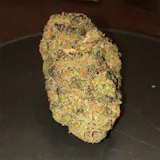
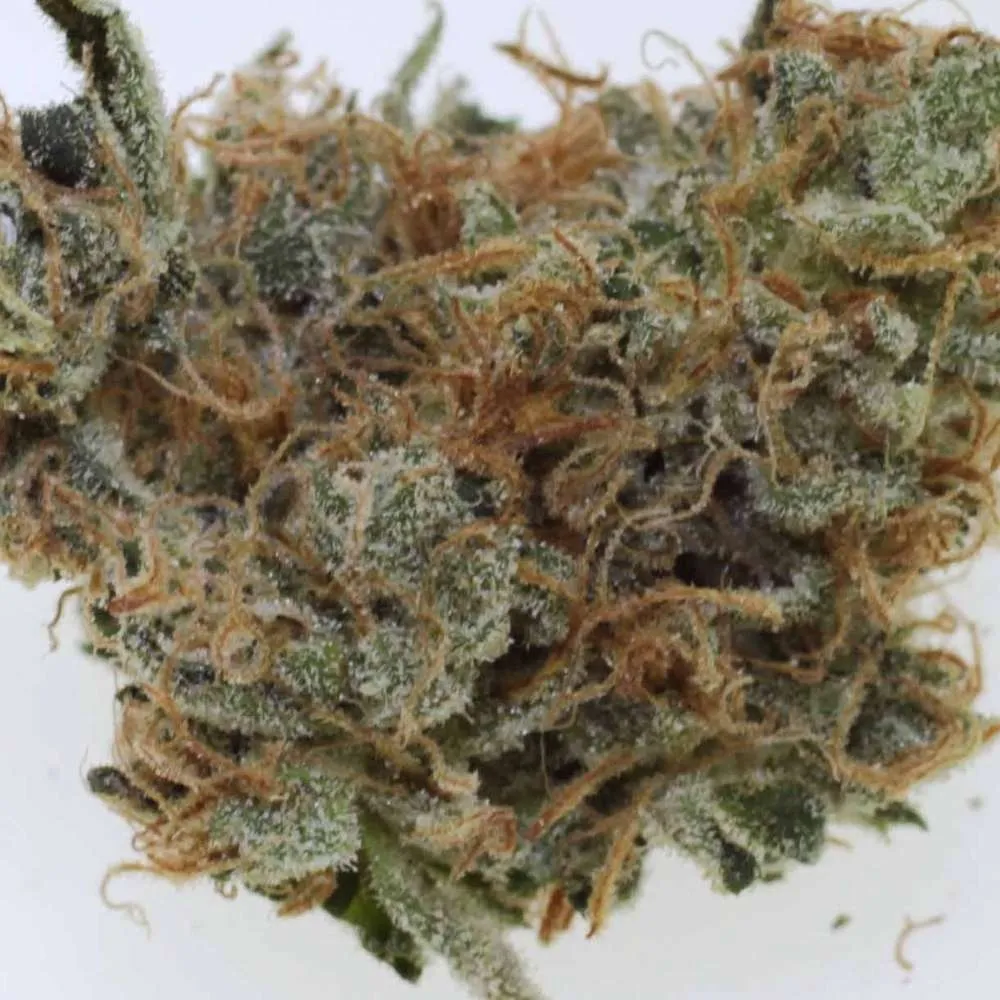
Knights Templar is an indica cross of Chem 4 and King's Kush, credited to the Denver Patients Group in Colorado. People know it for a loud diesel and rubber smell and a heavy, settled feel that most save for late in the day. You'll also see it listed as Templar or Knights of the Templar.
Where does Knights Templar come from?
Most strain listings agree on the basics: Knights Templar is a cross of Chem 4, one of the old Chemdawg cuts, and King's Kush. The cross is credited to the Denver Patients Group, a Colorado grower, and is usually called a pure or near-pure indica.
Beyond that, its history is thin. There's no well-documented release date, and the name has been used loosely. At least one product sold as Knights of the Templar was an OG-line flower from another grower, so the label on your batch is worth reading.
What does Knights Templar smell and taste like?
This one is pungent. The smell most often described is diesel and chemical, with a rubbery, skunky edge that comes from the Chem side of the family. Some growers also mention a hint of citrus peel over the fuel.
The taste follows the smell: skunky and earthy with that Kush depth on the exhale. No source we checked publishes a terpene breakdown for Knights Templar, so we're not listing terpenes here. If your product label shows them, trust that over any strain page.
Knights Templar effects: what people report
People mostly describe Knights Templar as calm and heavy. A happy, euphoric lift can come first, then a strong body feel that some call couch-lock. Many reviewers say it's an evening strain and that it can make them sleepy.
These are experiences people report, not promises. How it feels depends on the batch, how much you have and your own tolerance. Dry mouth and dry eyes are the usual complaints, and a few people mention feeling anxious.
How strong is Knights Templar?
Strain listings usually put Knights Templar in the low to mid 20s, around 22% to 25% THC, with very little CBD. Single reviews mention lab results near 29% and even 35% for specific batches, and one database shows a figure of 4% that looks like an error.
Several reviewers say it isn't one for beginners. Start small and wait before having more. The number on your label matters more than anything here, and our guide to reading cannabis labels explains what those figures mean.
Buying Knights Templar in Canada
Knights Templar is a lesser-known name, so it may be hard to find. When you do see it, check whether the label says Chem 4 and King's Kush, since the name has been attached to other genetics.
Look at the THC and CBD numbers and the packaging date. A strain this pungent loses some of its punch as it ages, so fresher flower is the better bet.
Knights Templar vs King's Kush
King's Kush is named as one of Knights Templar's parents, though sources don't say which King's Kush cut was used. Both have a heavy, relaxed reputation. King's Kush is known for a sweet grape and lavender smell, while Knights Templar trades that for sharp diesel, chemical and rubber notes from its Chem 4 side, and it's usually listed as a pure indica. If you want sweet and floral, go with King's Kush. If you like your Kush loud and fuel-heavy, try Knights Templar.
Strains like Knights Templar
If you like Knights Templar, these are close matches:
- King's Kush: named as a parent, with a sweet grape and lavender smell and a similar heavy feel.
- Chemdawg: the family behind Chem 4, known for the same sharp diesel and chemical smell.
- Chem 91: another old Chem cut with a pungent, fuel-heavy profile.