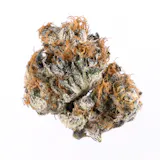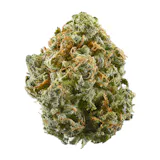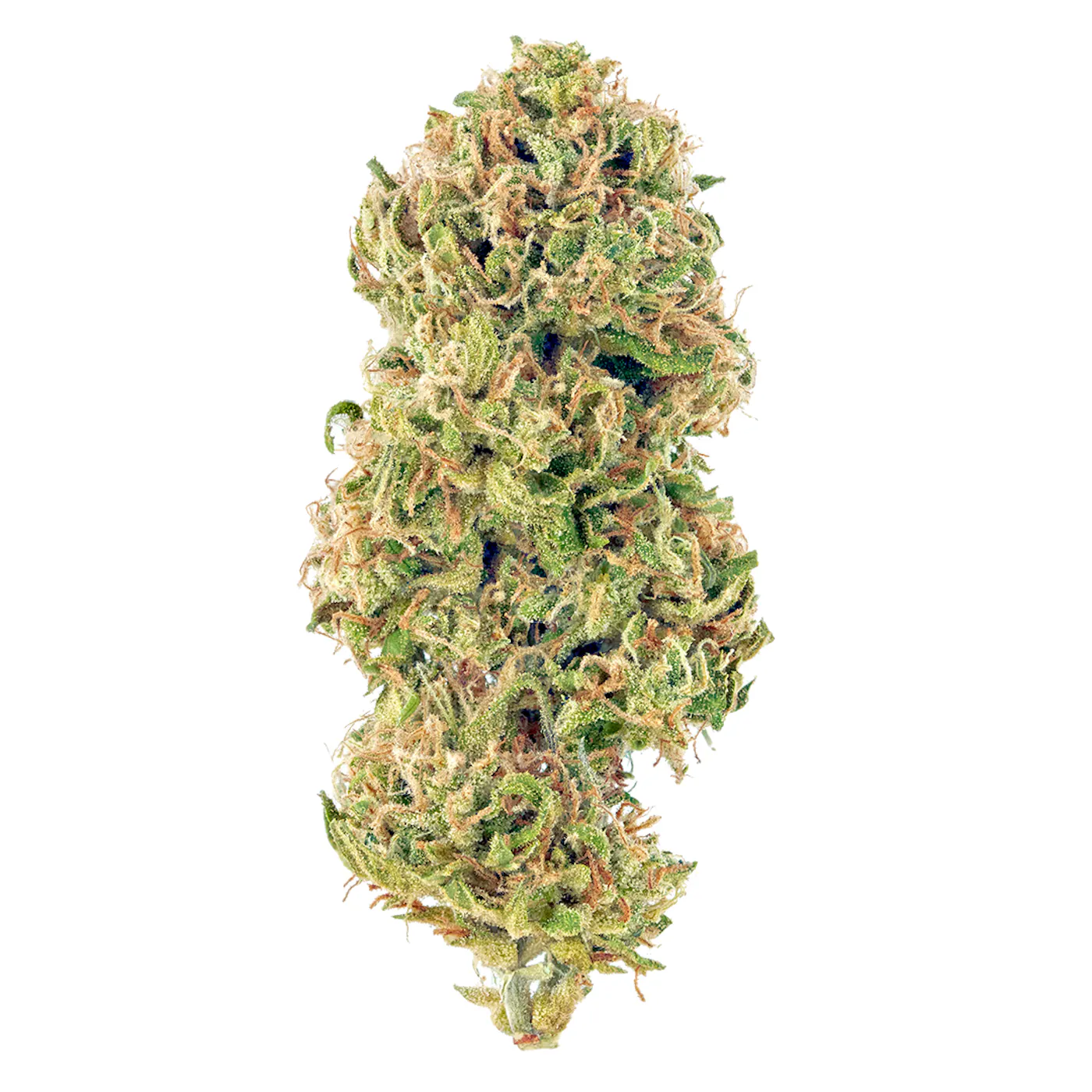
Huckleberry strain guide
Huckleberry is a hybrid named for its sweet, fruity berry smell, often compared to Blueberry. People describe a relaxed, happy feel. Its history is murky: no breeder or parent strains are agreed on, so the name likely covers more than one plant.
Where does Huckleberry come from?
Nobody agrees on where Huckleberry started. Strain guides describe its origins as debated, and none of the sources we checked name a breeder or a confirmed pair of parents. One listing says only that it came from two strong sativa strains, without saying which.
Several breeders have released strains called Huckleberry over the years, and growers in the Pacific Northwest often link the name to Blueberry-style genetics. That is a common story, not a documented pedigree, so treat any specific family tree you see with caution.
What does Huckleberry smell and taste like?
As the name suggests, Huckleberry smells like ripe berries first, with a sweet, slightly floral side and some earth underneath. Some people pick up a light spice on the exhale. The berry character is why it keeps getting compared to Blueberry.
The terpene data that has been published puts myrcene on top, followed by terpinolene and pinene. Myrcene brings an earthy, musky note, terpinolene a fresh and slightly floral one, and pinene a hint of pine. Expect batches to vary, since different growers may be growing different plants.
Huckleberry effects: what people report
People most often describe Huckleberry as relaxed and happy, with a mild mood lift. Some reviewers call it clear and focused, while others find it more settling in the body. Reports are mixed on whether it feels more energizing or calming, which fits a strain name shared by several plants.
These are experiences people report, not promises. How it feels depends on the product, how much you have and your own tolerance. Dry mouth and dry eyes are the most common complaints, and a few people mention feeling anxious.
How strong is Huckleberry?
Listings put Huckleberry at roughly 15% to 24% THC, with many figures around 19% to 21% and very little CBD. That makes it moderate to high in strength.
If you're new to it, start small and give it time before having more. The THC and CBD numbers on your label are for that batch, and they tell you more than the strain name. Our guide to reading cannabis labels walks through what each number means.
Buying Huckleberry in Canada
Because the name has no single agreed source, two Huckleberry products can be quite different plants. Look at the producer, the THC and CBD figures and any terpenes listed, and compare those rather than relying on the name alone.
Check the packaging date too, since fresher flower holds onto that berry smell better.
Huckleberry vs Blueberry
Blueberry is the classic berry strain, with a well-known Afghani and Thai background, while Huckleberry has no documented family link to it and is mostly compared because of the smell. Both lead with sweet berry and earth. Blueberry has a long reputation as a calm, relaxing strain, while Huckleberry reports are split between relaxed and lightly energizing. If you want a known quantity, start with Blueberry. If you like that berry profile and want something a little different, Huckleberry is worth a look.
Strains like Huckleberry
If you like Huckleberry, these share its berry-forward profile:
- Blueberry: the classic sweet berry strain, with a calm, relaxed reputation.
- Blueberry Kush: berry sweetness over a heavier, earthier Kush base.
- Blue Dream: berry on the nose with a brighter, more upbeat feel.