Candy Cane strain guide
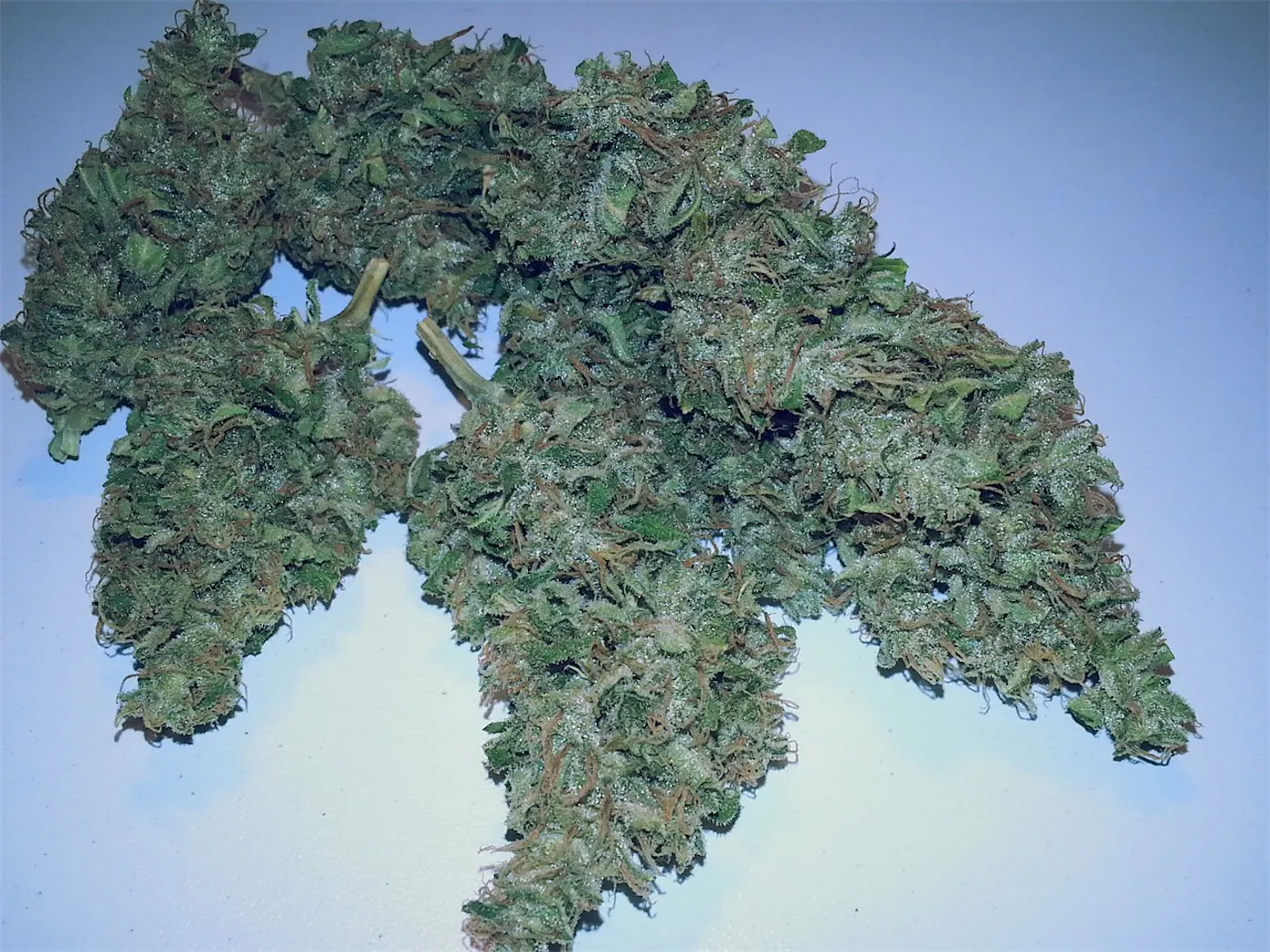
Candy Cane is an indica-leaning hybrid most often traced to Crop King Seeds, usually listed as a cross of AK-47, Mango and White Widow. People know it for a sweet, minty smell with tropical fruit behind it and a calm, relaxed feel. The name is shared by at least one other strain, so the label is worth a close look.
Where does Candy Cane come from?
The best-known Candy Cane comes from Crop King Seeds. Listings describe it as a three-way cross of AK-47, Mango and White Widow, and it's widely sold as an autoflowering seed, which means the plant flowers on its own schedule rather than waiting for shorter days.
The name is contested. Another breeder, In House Genetics, sells a different Candy Cane made from Slurricane #7 and Platinum Candy, with no shared parents. Most strain listings describe the Crop King version, and that's the one this page covers.
What does Candy Cane smell and taste like?
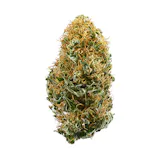
True to the name, mint comes up in most descriptions, paired with sweetness and ripe mango. Some people also pick up berry and citrus, and a few call the taste a little sour or pungent.
Caryophyllene usually leads its published terpene results, followed by limonene and pinene. Caryophyllene brings a peppery bite, limonene the citrus and pinene a fresh, piney edge that may play into the cool, minty impression. The flavour is usually sweet and fruity with a menthol-like finish.
Candy Cane effects: what people report
People most often describe Candy Cane as relaxed, sleepy and hungry, with a calm that settles mostly in the body. Some also report a happy, euphoric lift early on before it turns mellow, which makes it more of an evening strain for most.
These are experiences people report, not promises. How it feels depends on the product, how much you have and your own tolerance. Dry mouth, dry eyes and dizziness are the most common complaints, and one reviewer mentions feeling down as it wore off.
How strong is Candy Cane?
Candy Cane sits in the moderate range for THC. Published listings put it at about 15% to 20%, with very little CBD.
That's gentler than many newer strains, but still enough to take slowly if you're new. Start with a small amount and give it time before having more. The numbers on your label are for that batch, and they matter more than the strain name.
Buying Candy Cane in Canada
Because two unrelated strains share the name, check the label or the producer's description for parents or breeder if you can. A Candy Cane that lists Slurricane in its background is a different plant from the one described here.
If you do find it, it's most likely to be dried flower or pre-rolls. Check the THC and CBD numbers and the packaging date, since fresher flower keeps more of that minty smell.
Candy Cane vs White Widow
White Widow is one of Candy Cane's parents, a Dutch classic known for frosty buds. The two feel quite different, though. White Widow smells earthy, woody and spicy and is usually described as upbeat and happy, while Candy Cane is sweeter and mintier, with mango from its other side, and leans relaxed and sleepy. White Widow is also often listed a little higher in THC. If you want a lively daytime classic, start with White Widow. If you'd rather have something sweet and mellow for later, try Candy Cane.
Strains like Candy Cane
If you like Candy Cane, these are the closest matches:
- White Widow: one parent, earthier and more upbeat.
- AK-47: another parent, skunky and earthy with a happy, talkative reputation.
- Mango: the third parent, an indica with the same sweet tropical fruit and a slow, relaxed feel.
- Northern Lights: a classic calm indica with a sweet, earthy smell.