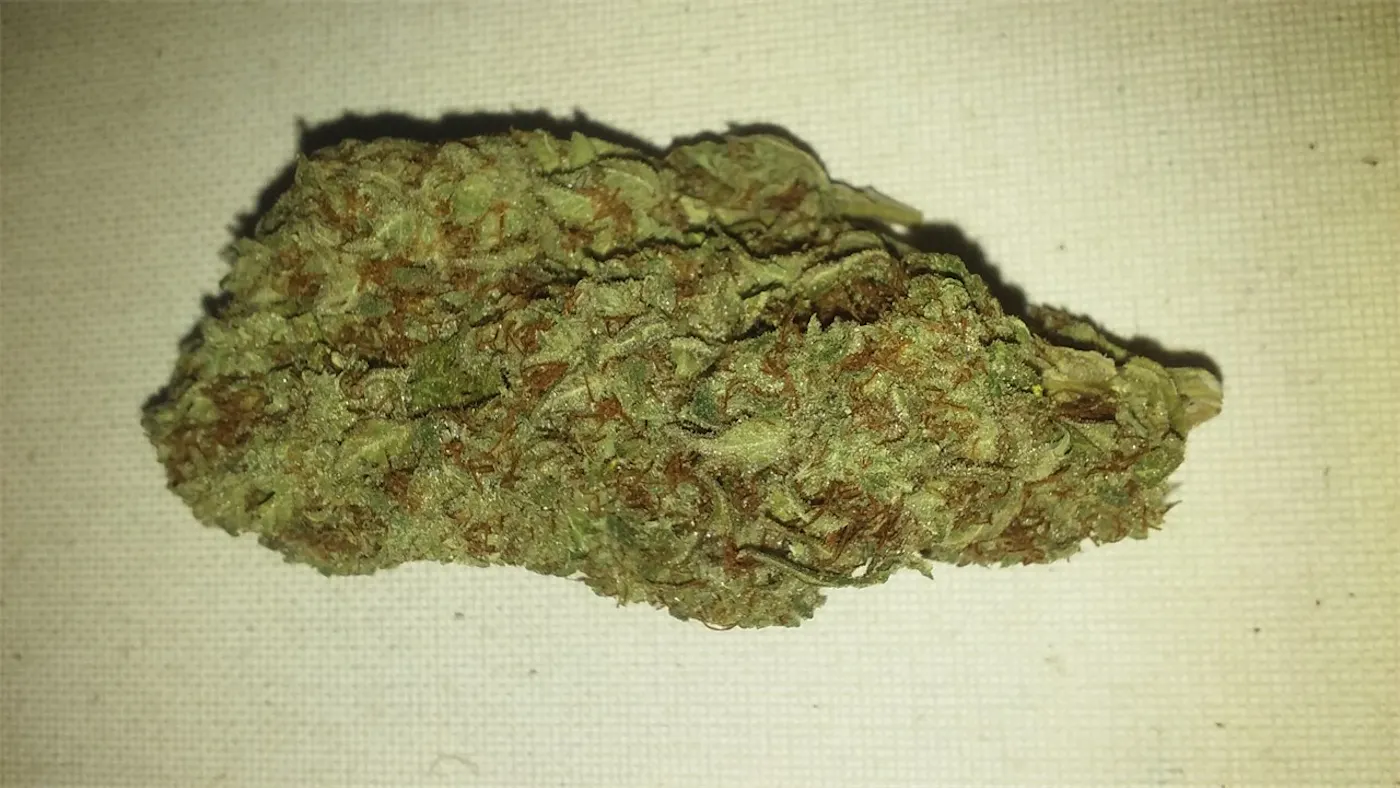
Blueberry Dream strain guide
Blueberry Dream is a sativa-leaning hybrid with a sweet blueberry smell and a happy, focused feel. The name puts it right next to Blue Dream, and it's easy to mix the two up. Its exact parents aren't well documented, so this page sticks to what the listings agree on.
Where does Blueberry Dream come from?
This one is murky. One strain database lists its genetics as undisclosed and only says it's probably similar to Blue Dream. Another database describes it as Blueberry crossed with a Haze, which is basically the recipe usually given for Blue Dream, and some of its notes read like they were written about Blue Dream itself.
So the honest answer is that Blueberry Dream sits in the Blueberry and Haze family, but no breeder or confirmed cross is published. Different producers may be growing different plants under this name.
What does Blueberry Dream smell and taste like?
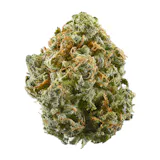
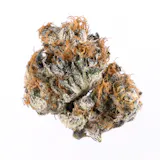
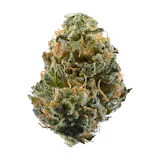
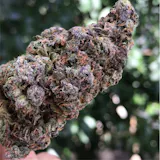
Blueberry is the headline, as the name promises. Reviews describe sweet berry up front with earthy, woody and slightly nutty notes underneath, and a tangy edge on the exhale.
One strain database lists myrcene as its most common terpene, followed by pinene and caryophyllene. Myrcene brings an earthy, herbal side, pinene a fresh pine note and caryophyllene a little pepper. The flavour is usually sweet and fruity with a soft, earthy finish.
Blueberry Dream effects: what people report
People most often describe Blueberry Dream as happy and focused, with a light, upbeat mood that suits the daytime. Some reviewers say it starts clear and calm, then settles into more of a body feel after a while. Others call it creative or giggly.
These are experiences people report, not promises. How it feels depends on the product, how much you have and your own tolerance. Dry mouth, dry eyes and dizziness are the most common complaints, and a few people mention getting sleepy or hungry.
How strong is Blueberry Dream?
Listings put it in the moderate range, roughly 14% to 21% THC, with very little CBD. Even that database's own page gives two figures, so there isn't one settled number.
If you're new to it, start with a small amount and give it time before having more. The THC and CBD numbers on your label matter more than any listing, and our guide to reading cannabis labels explains what they mean.
Buying Blueberry Dream in Canada
Read the name closely. Blueberry Dream and Blue Dream are listed as separate strains, and since the genetics behind Blueberry Dream aren't published, two products with this name may not be the same plant.
Check the THC and CBD numbers and the packaging date on the label. Berry smells fade as flower ages, so fresher is better.
Blueberry Dream vs Blue Dream
Blue Dream is the famous one: a well-documented Blueberry and Haze cross with a long track record. Blueberry Dream shares the berry-forward smell and the sativa-leaning, upbeat reputation, and it may well come from similar genetics, but nobody has published its cross. Blue Dream usually lists a bit higher, around 17% to 24% THC, while Blueberry Dream is listed lower on average. If you want the known quantity, start with Blue Dream. If you see Blueberry Dream, treat it as a cousin and let the label guide you.
Strains like Blueberry Dream
If you like Blueberry Dream, these are worth a look:
- Blue Dream: the closest match by name and smell, with sweet berry and a gentle, upbeat feel.
- Blueberry: the classic berry strain behind this whole family, sweeter and more relaxed.
- Haze: the energetic sativa side of the family, spicier and less fruity.