
Cannabis strains in Canada
This is WeedDB's list of the 1915 cannabis strains people search for most, ranked by search interest rather than paid placement. 1756 of them have a full guide, researched from published sources, with a THC range, lead terpenes, the effects people report and a family tree.
How are strains ranked on WeedDB?
The default order is popularity: how often each strain name is searched online each month. Nobody pays for a spot, and a strain's position says nothing about quality, only about how many people are looking for it.
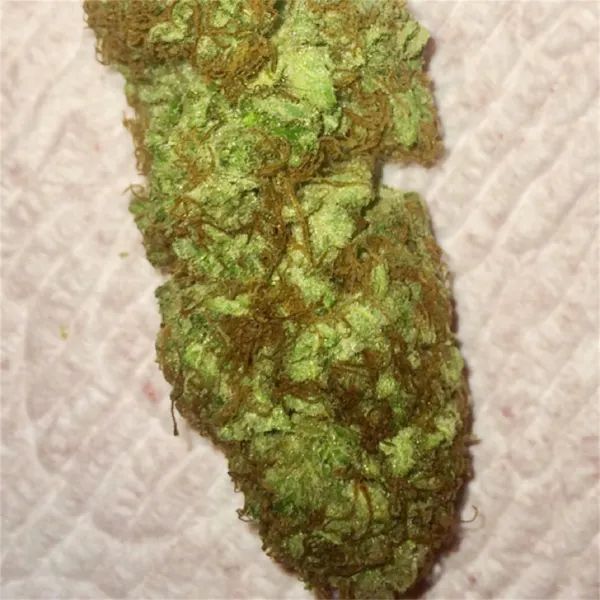
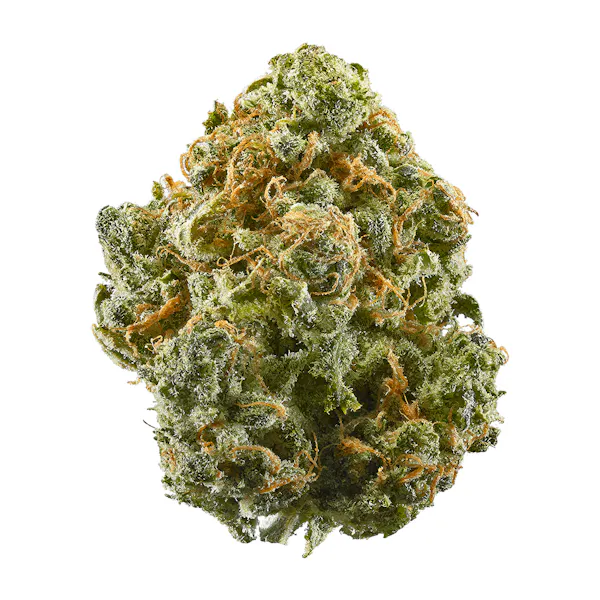
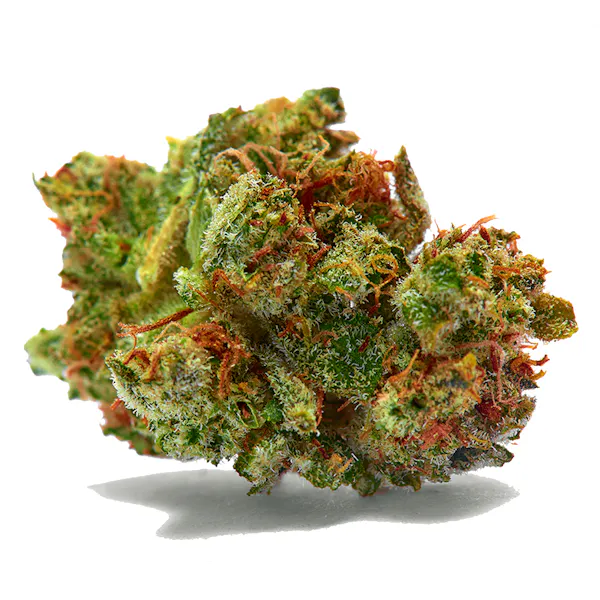
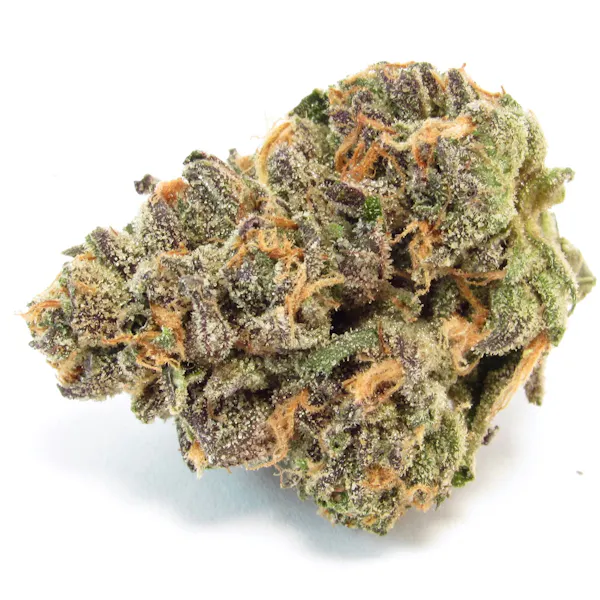
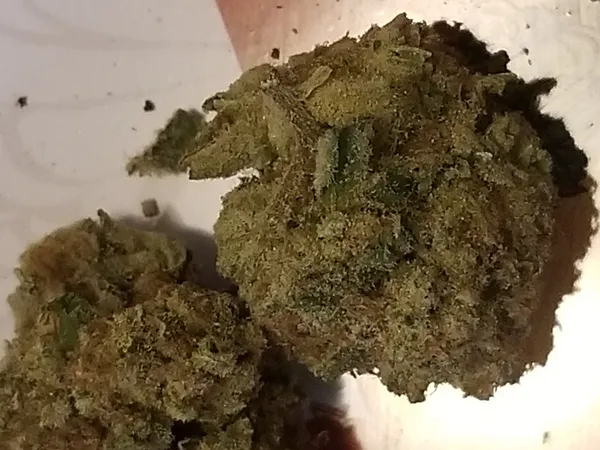
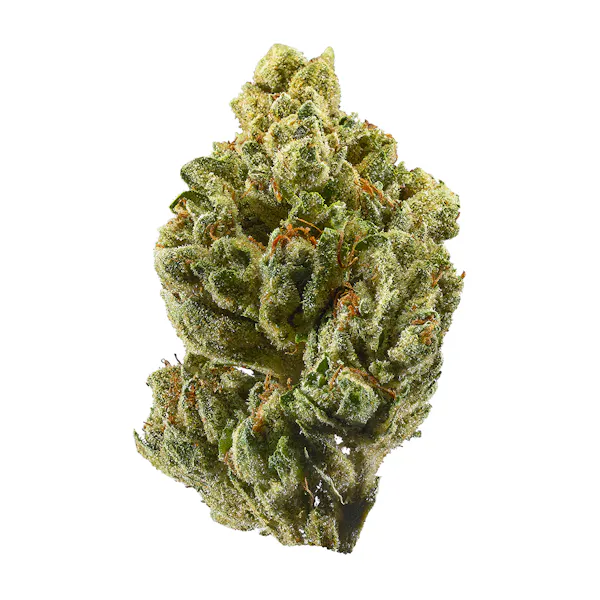
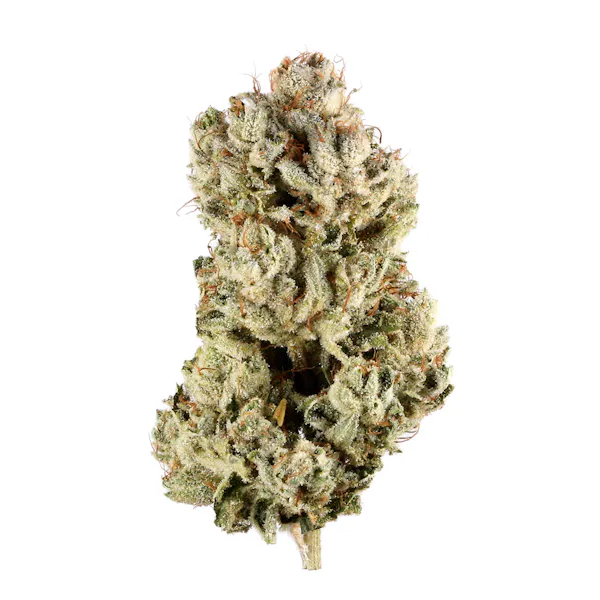
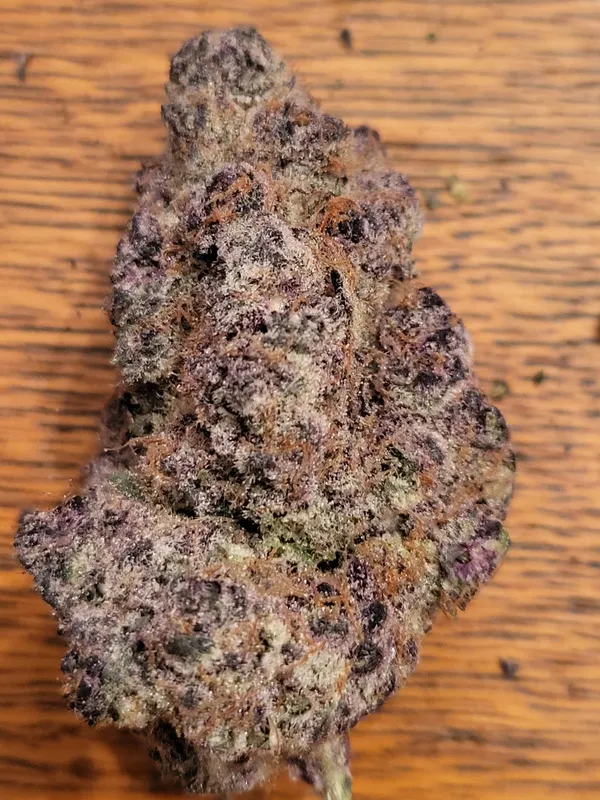
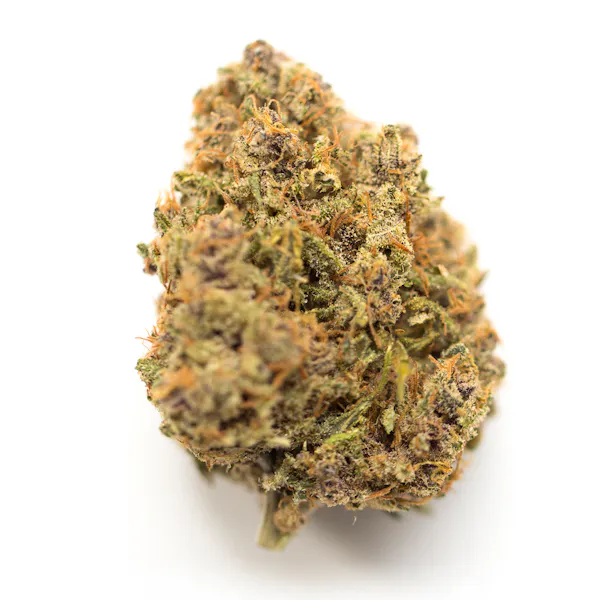
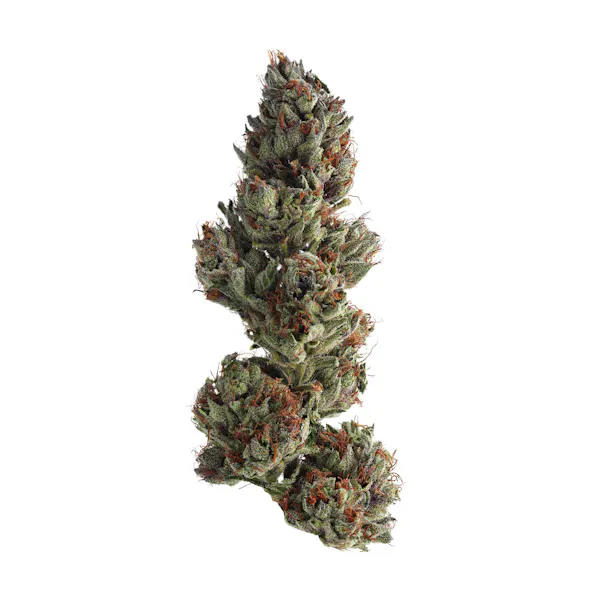
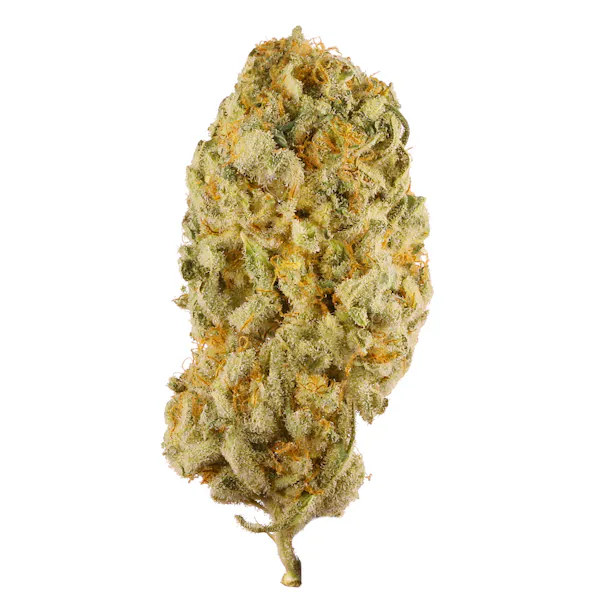
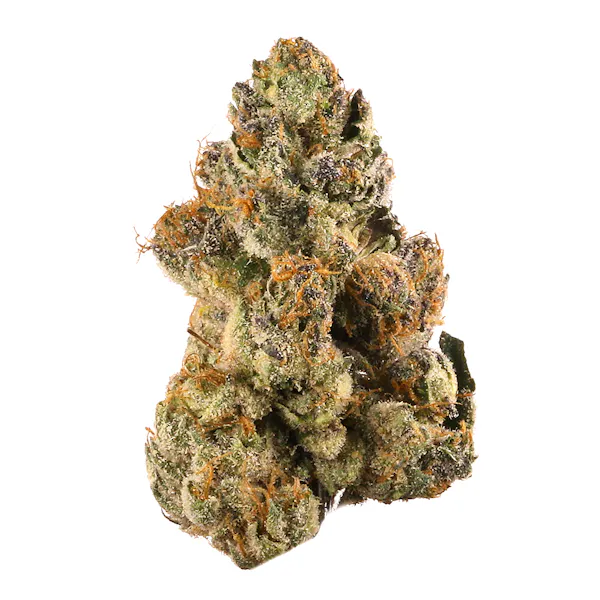
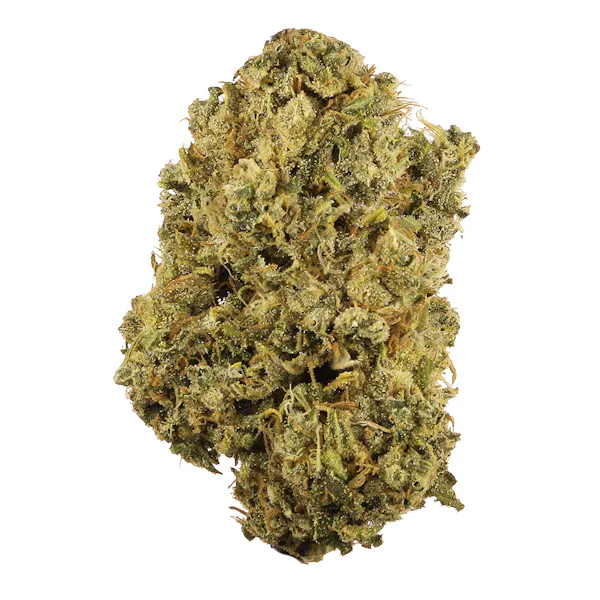
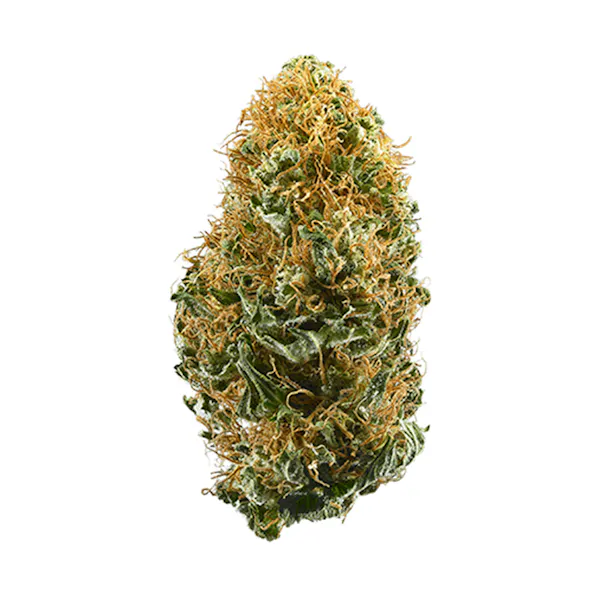
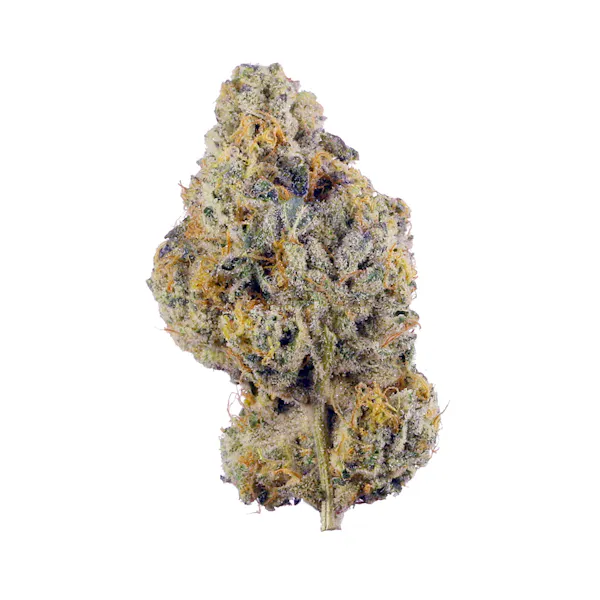
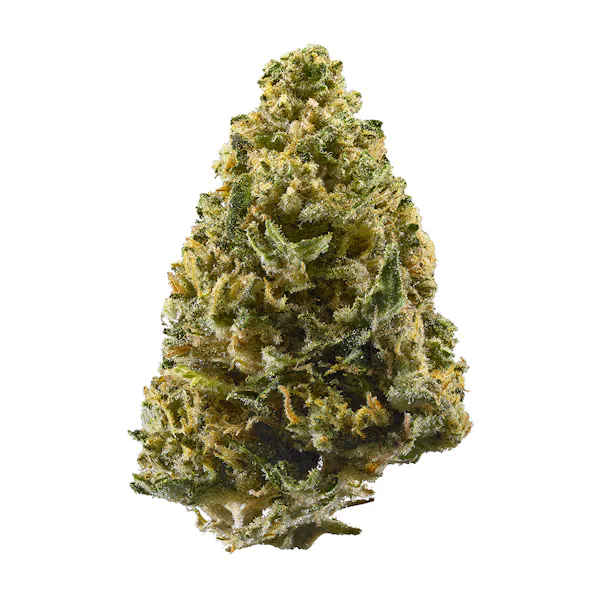
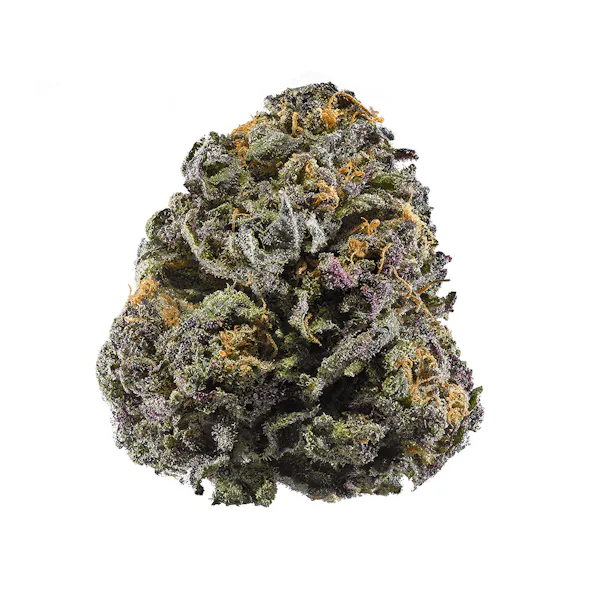
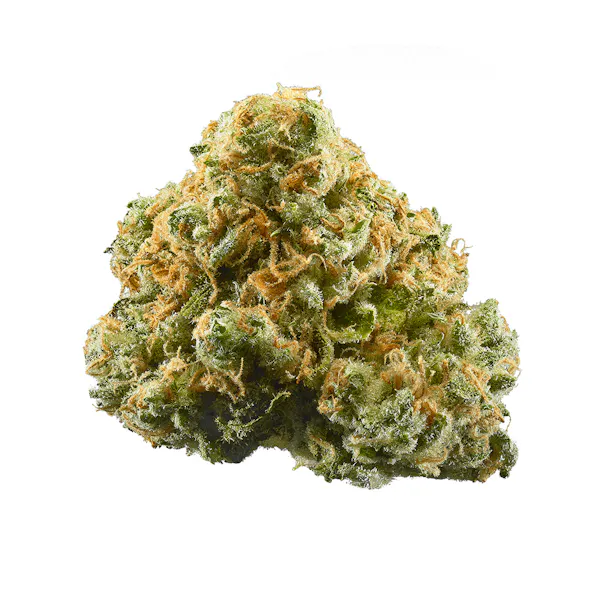
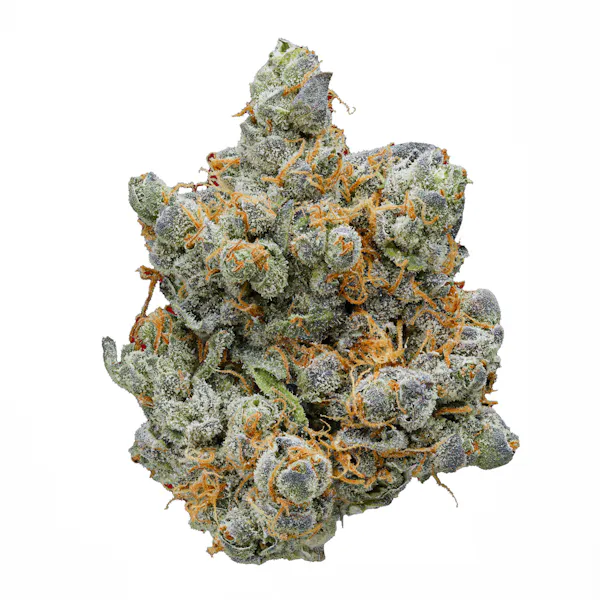
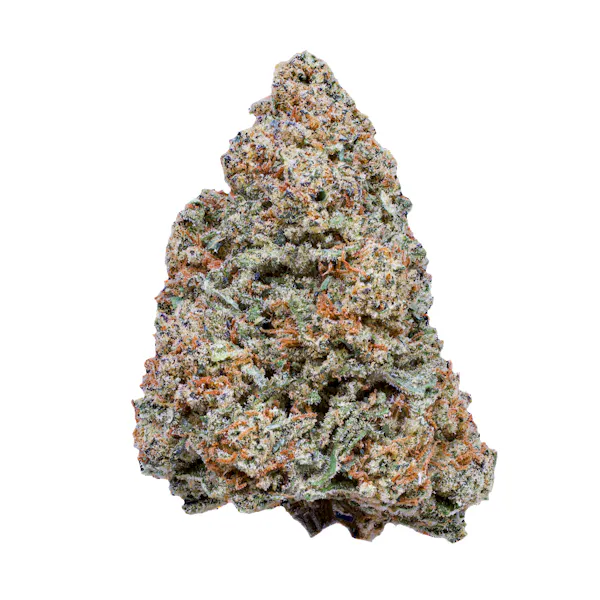
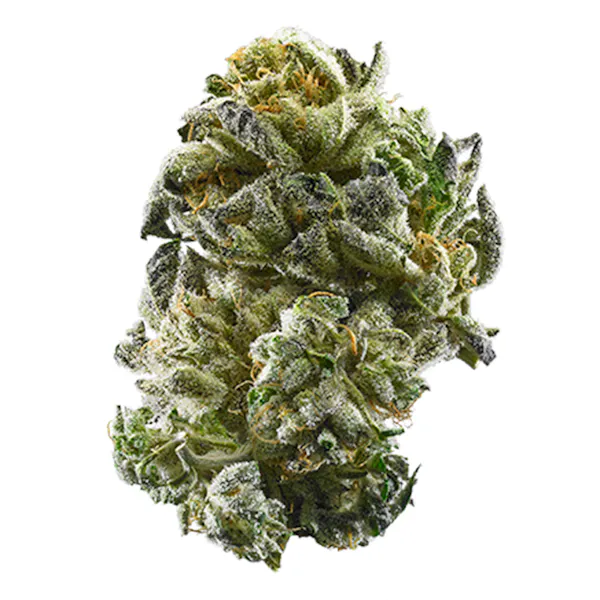
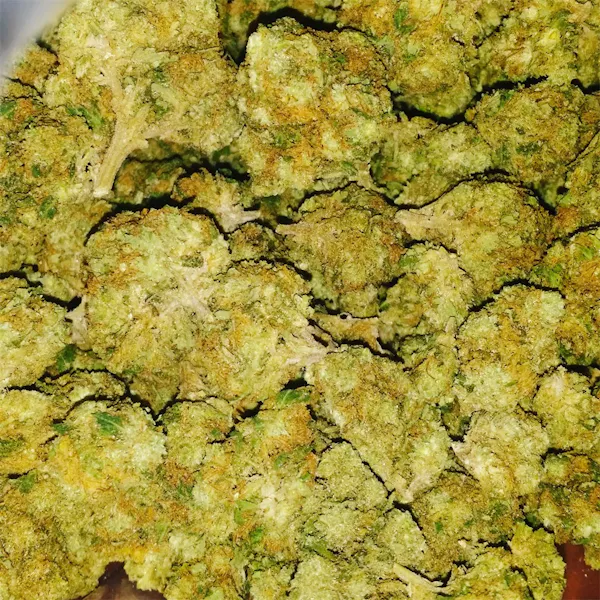
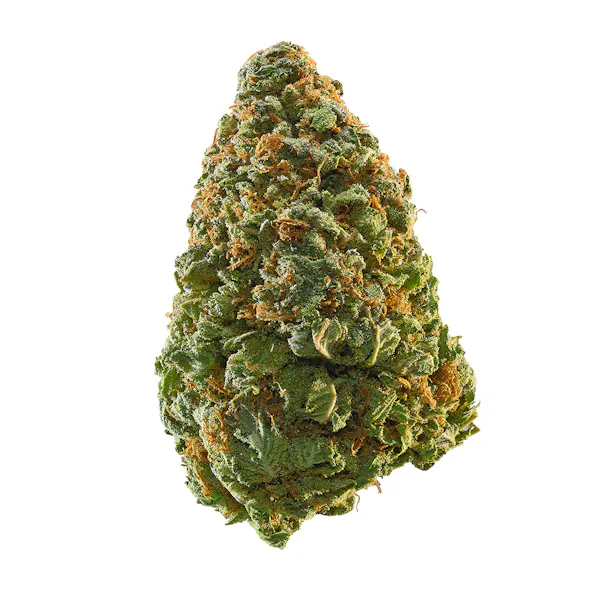
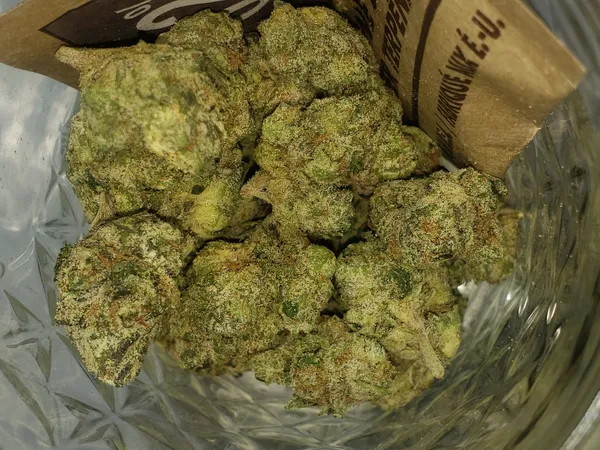
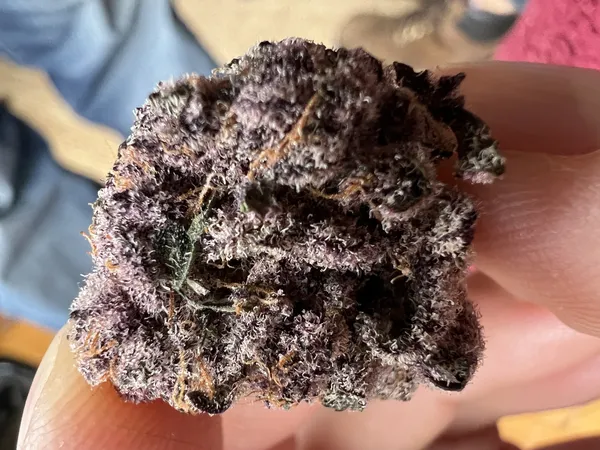
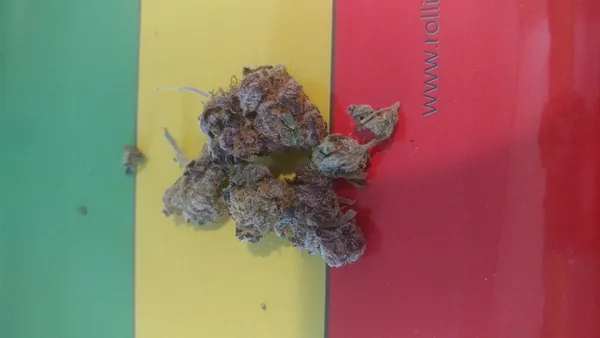
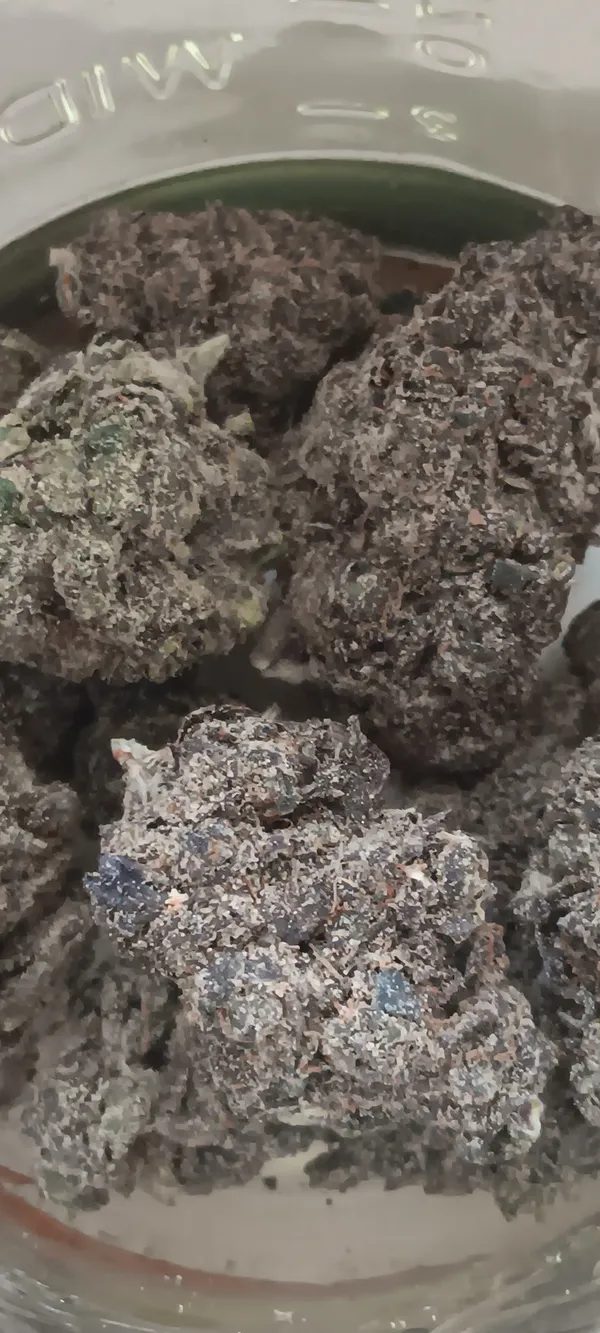
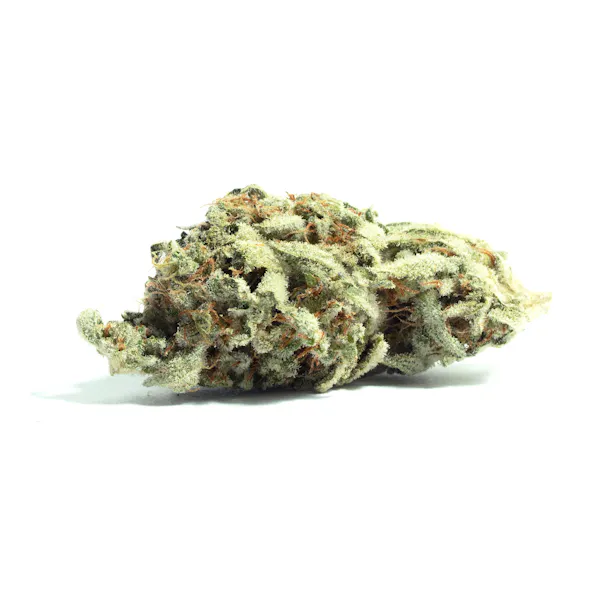
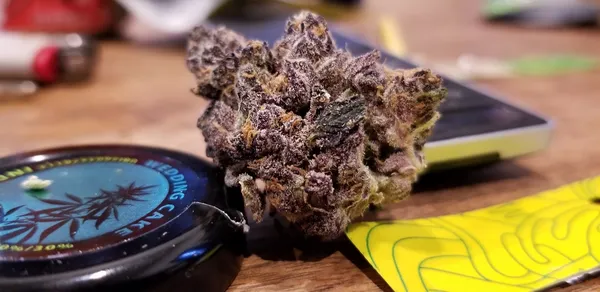
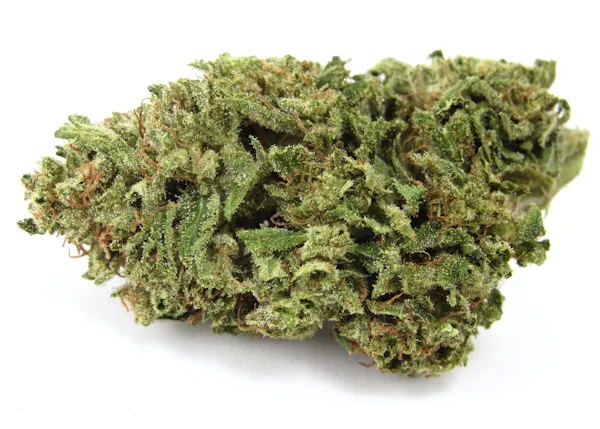
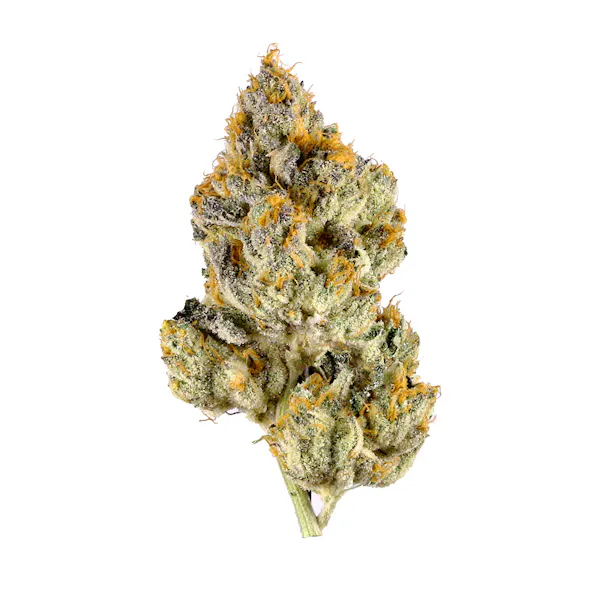
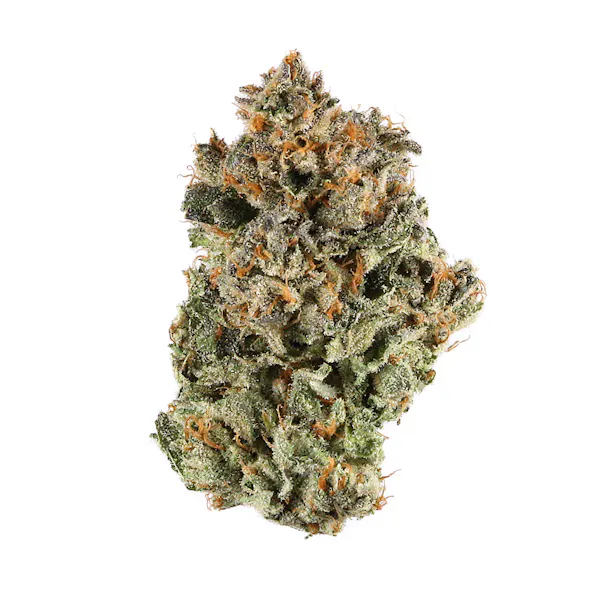
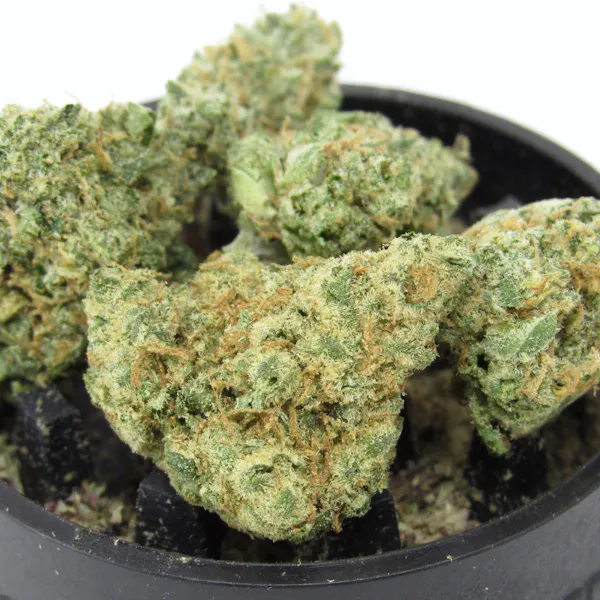
Strains with a full guide show a photo, type and details. The rest are listings for now: the strain is real and searched for, but there isn't yet enough published information to write a guide we'd stand behind. You can re-sort the list by name or by THC, and filter it by type, effect, aroma or terpene.
Indica, sativa or hybrid: what do the labels mean?
Of the 1756 strains with a full guide, 1632 are listed as hybrids (93%), 79 as indicas and 45 as sativas. Most modern strains are crosses of crosses, so "pure" indica or sativa plants are rare in Canadian stores.
The labels describe a plant's ancestry and shape more reliably than how it will feel. Effects line up better with a product's THC level and its terpenes, which is why each guide lists them. Our indica vs sativa guide explains the difference in detail, and you can browse each group on the indica, sativa and hybrid pages.
Lead terpene by strain type
| Terpene | Indica (591) | Sativa (278) | Hybrid (1212) |
|---|---|---|---|
| Caryophyllene | 38% | 22% | 36% |
| Myrcene | 33% | 42% | 32% |
| Limonene | 21% | 18% | 23% |
| Terpinolene | 3% | 14% | 5% |
| Pinene | 4% | 3% | 3% |
| Ocimene | 1% | 1% | 0% |
Which terpenes are most common in popular strains?
Across our guides, caryophyllene is the terpene reported first most often (35% of strains with terpene data), followed by myrcene (34%) and limonene (22%).
Terpenes are the aromatic compounds behind a strain's smell, from the earthy, musky notes of myrcene to the citrus of limonene and the pepper of caryophyllene. The amounts vary from batch to batch, so treat a strain's terpene list as a guide to what to expect, and check the product label or lab results when they're published.
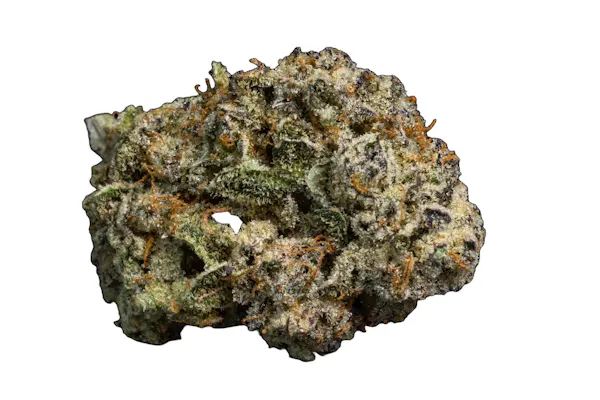
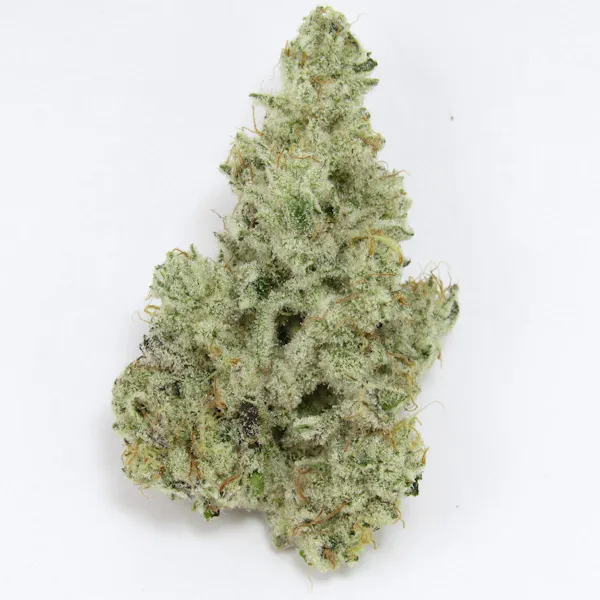
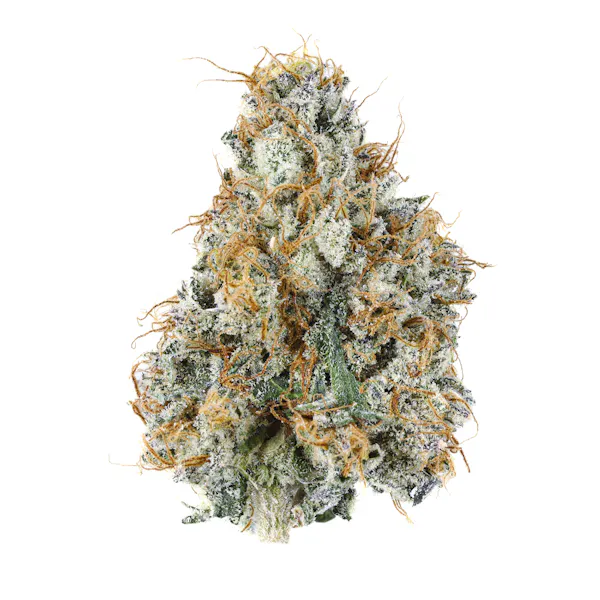
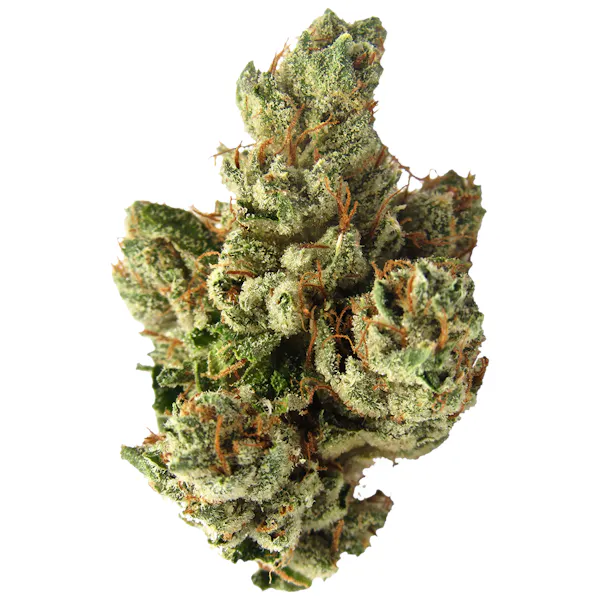
Anatomy of a cannabis bud
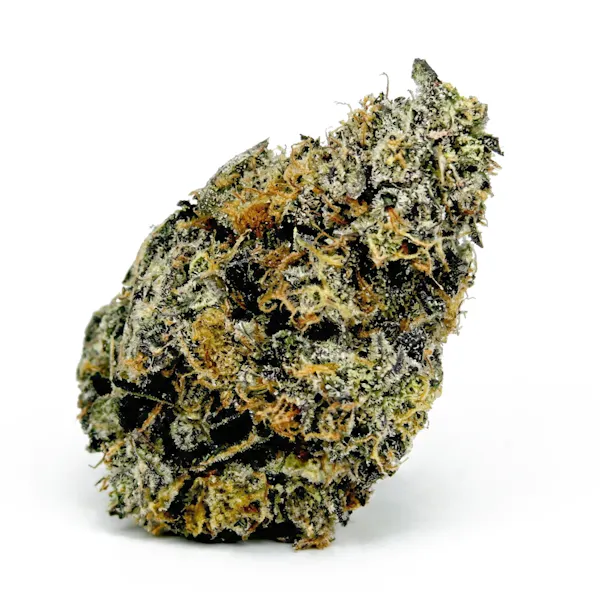
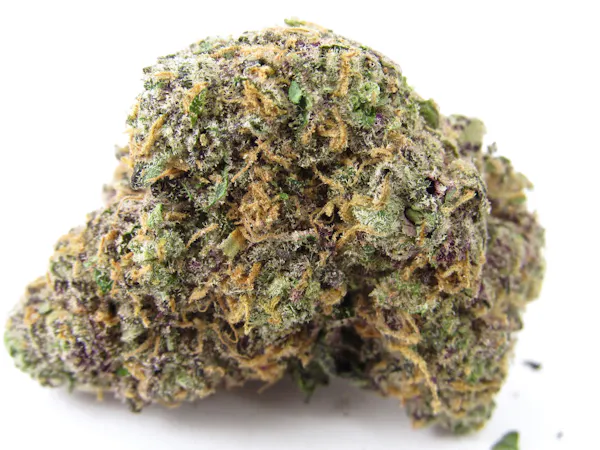
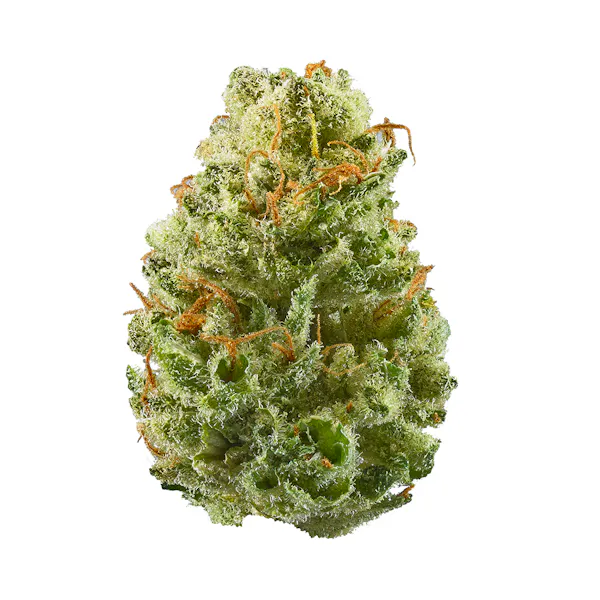
- Cola: The top of the flower, where buds stack into one tall cluster. A plant's main cola is usually its largest bud.
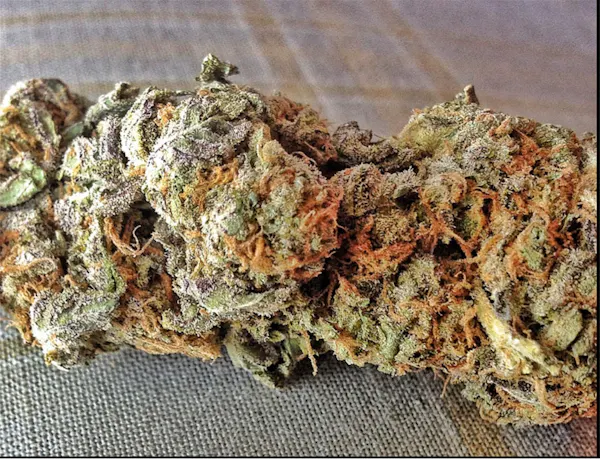
- Pistils: The hair-like strands, white at first and orange or red as the plant matures. Their colour says little about strength.
- Trichomes: The frosty crystals covering the bud: tiny glands that make most of the plant's cannabinoids, like THC and CBD, and its terpenes.
- Sugar leaf: Small leaves tucked into the bud and dusted with trichomes. Growers trim them close, and the trim is often used for extracts.
- Calyx: The teardrop-shaped pods that make up the bud. They're where trichomes are densest.
- Resin: The sticky oil held in trichome heads. It's what makes buds tacky, and what concentrates like hash and rosin collect.
- Stem: The woody stalk that holds the flowers. It's mostly trimmed away before sale and carries little THC.
What do people say strains smell like and how they feel?
The aromas mentioned most in our guides are sweet, earthy, citrus, diesel and berry. The feelings people report most often are relaxed, happy, euphoric and uplifted.
These come from what people say about each strain, not from a lab or a promise. Two batches of the same strain can feel different, and the same batch can feel different to different people. Use the filters above to find strains described with a particular aroma or feeling.
How to use this list
A few ways to narrow down hundreds of strains:
- Search by name if you already know what you're after. Nicknames and alternate spellings are included.
- Pick a type (indica, sativa or hybrid) to see only those strains.
- Open Filters to choose an effect, aroma or terpene.
- Sort by popularity, name, or highest or lowest THC.
- Open a strain for its full guide, photos, family tree and similar strains.
Buying a strain in Canada
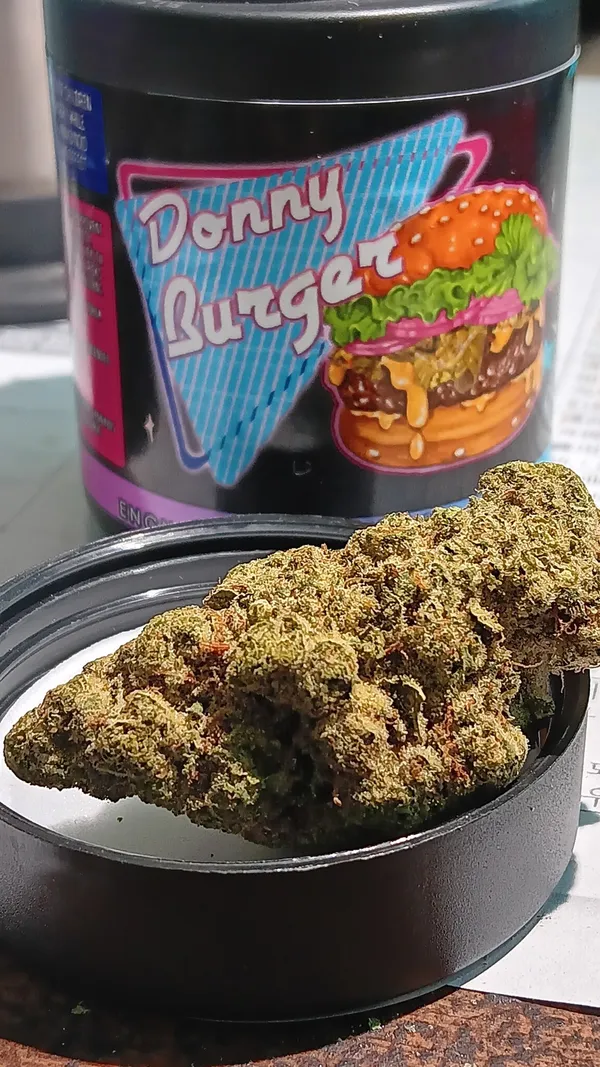
Legal cannabis in Canada is sold through provincially licensed or government-run stores and their online stores, and the strain name on the package is set by the producer. The same name can mean different plants from different growers, so the label's Total THC, Total CBD and listed terpenes tell you more than the name alone. Our guide to reading a cannabis label explains each number, and THCA vs THC covers why the label shows Total THC.
To find a legal store near you, browse cannabis stores by province and city.