StrainsTerpenesGuidesDispensaries
WeedDB
StrainsTerpenesGuidesDispensaries

Get new strain guides and deals

Yes, email me new strain guides, deals and WeedDB news. I can unsubscribe at any time. Privacy policy

WeedDB
StrainsIndicaSativaHybridTerpenesGuidesAboutContactPrivacyTermsDispensaries
19+ only. Please consume responsibly. © 2026 WeedDB
Home›Strains›Hybrid›Tropicana
Tropicana strain photoiPhoto: AllBud
Sativa-leaning hybrid

Tropicana

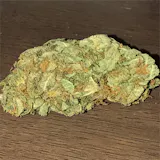
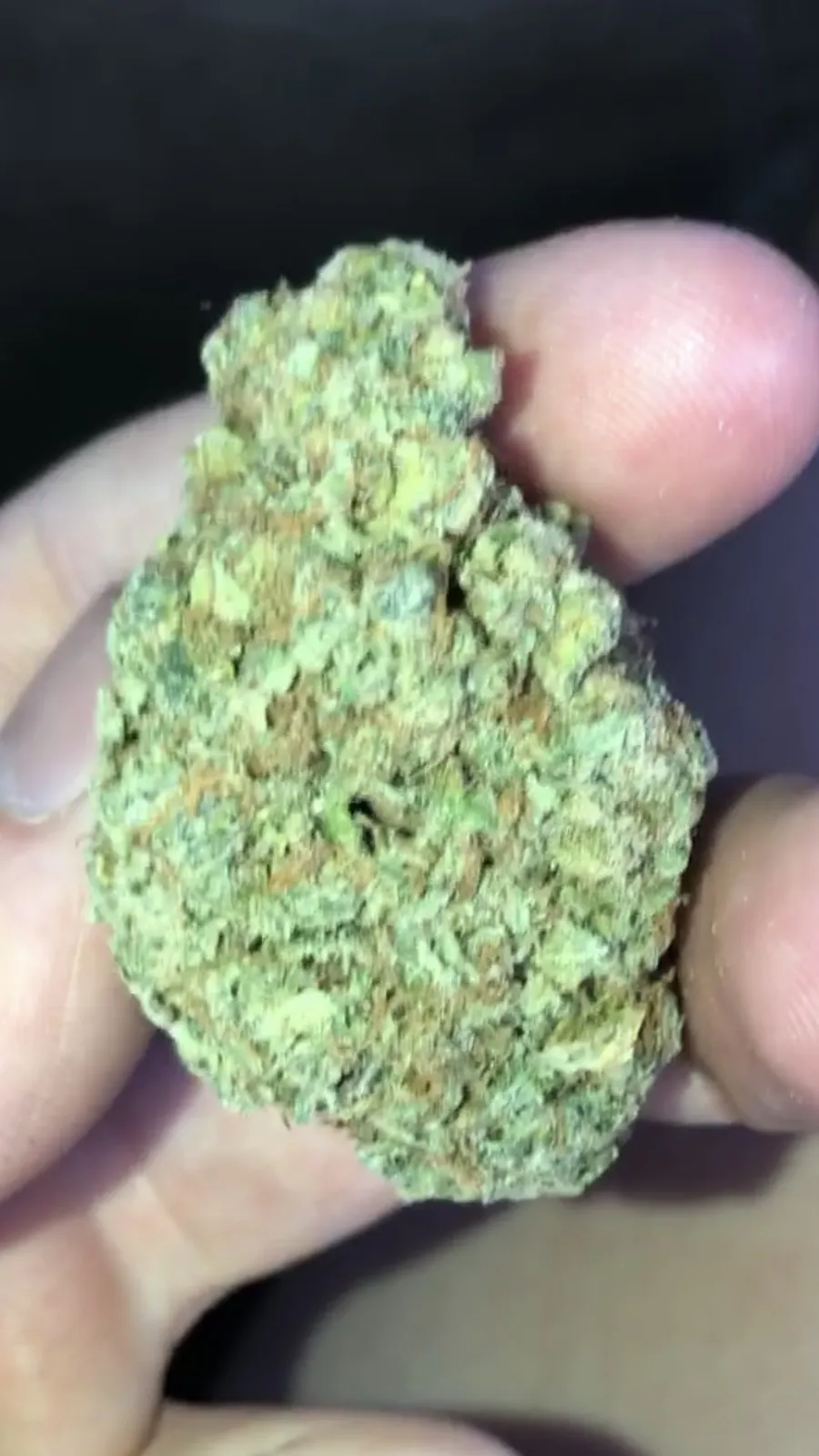
Tropicana is a sativa-leaning hybrid bred from Pineapple, Kali Mist and Northern Lights #5, listed at 27% THC. Only one source has published details on it so far, so this is a short listing rather than a full guide.

Details come from one strain database and aren't confirmed by a second source yet.
Reported THC
27%

How people describe it

EuphoriaSociableUplifting

Smell and taste

CitrusEarthyLimeSourSweetWoodyBerryHerbal

Family tree

Pineapple×Kali Mist×Northern Lights #5crossTropicana

Strains near it in popularity

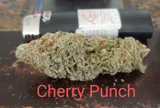
Zangria strainZangriaTHC 20–25%Layer Cake strainLayer CakeTHC 24–31%Black Cherry OG strainBlack Cherry OGTHC 12–18%Cherry Punch strainCherry PunchTHC 20–27%Wingsuit strainWingsuitTHC 20–30%Romulan strainRomulanTHC 19–24%

Guides to read next

Kief and trichomes: what they are and what to do with kiefTrichomes are the tiny resin glands on cannabis flower that hold most of its cannabinoids and terpenes, and kief is the powder of trichomes that falls off the flower, often collecting at the bottom of a grinder. Pressed together, kief becomes hash. Both are concentrated, so Health Canada advises new or occasional users to avoid them.How to read a cannabis label in CanadaEvery legal cannabis product in Canada has to show its Total THC and Total CBD, the red THC symbol, a yellow health warning, a lot number, a packaging date and an excise stamp for your province. Total THC is the number to compare, and it's shown in mg/g for flower and in mg per piece and per package for edibles.What does the THC percentage on weed actually mean?A THC percentage is a calculated share of a flower's weight, worked out from one lab sample of one lot. It is useful, but it is one value drawn from a plant that varies, and we could not find a source that shows what it predicts about how a product will feel.