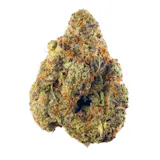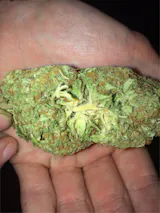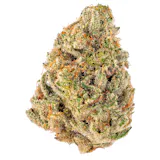
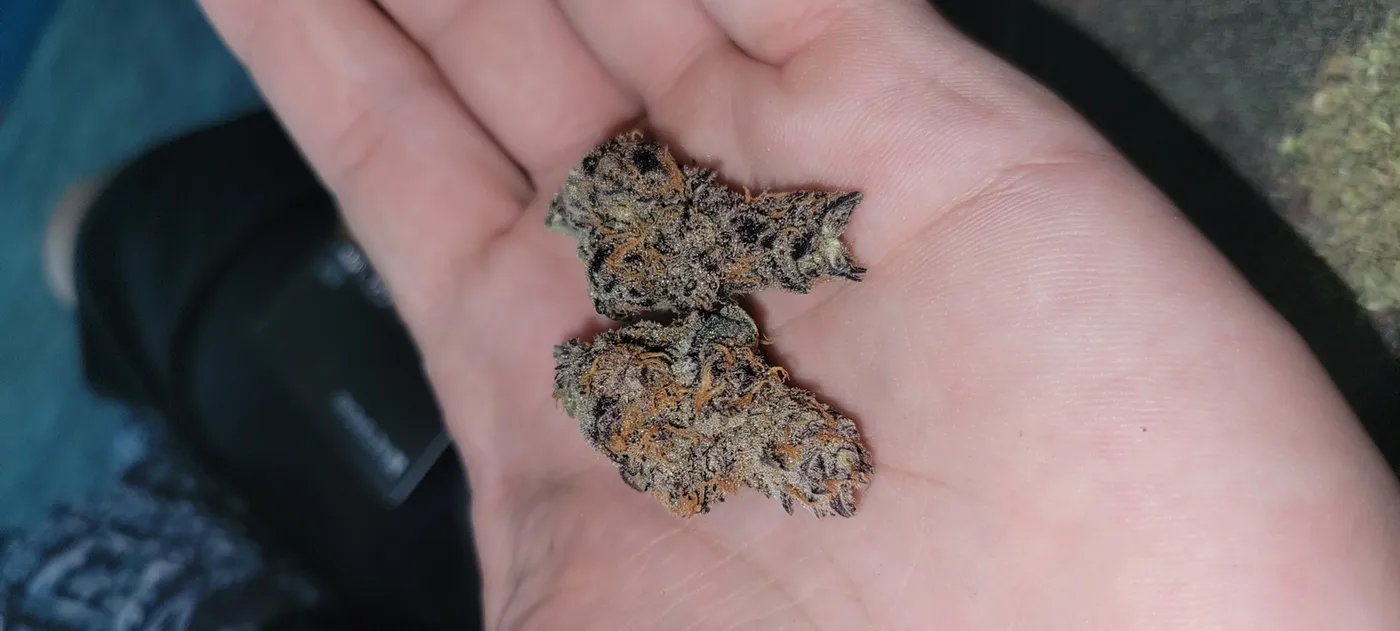
Sugar Cane strain guide
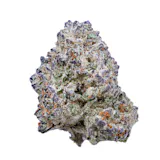
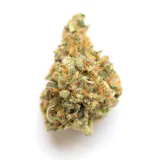
Sugar Cane is a hybrid from In House Genetics, made by crossing Platinum with Slurricane. It smells sweet, with grape, berry and floral notes, and people mostly describe it as uplifted and focused. It's usually listed a little lower in THC than many newer strains.
Where does Sugar Cane come from?
Sugar Cane was bred by In House Genetics, which crossed two of its own lines: Platinum and Slurricane. Platinum is itself a cross of UW Hashplant and Permafrost, and Slurricane is usually given as Do-Si-Dos and Purple Punch.
Sources differ on which Slurricane cut was used. One names Slurricane #7 and another lists #44, and there's also a Sugar Cane V2. Don't mix it up with Deluxe Sugarcane, a separate In House Genetics strain with different parents.
What does Sugar Cane smell and taste like?
Most descriptions call it sweet and floral, with grape and berry coming through. That grape side fits its Slurricane parent, which comes from Purple Punch on one side.
Its published terpene results put limonene first, followed by caryophyllene and myrcene, though one listing also names myrcene as the leader. Limonene adds brightness, caryophyllene a peppery note and myrcene a soft, earthy base. The taste is usually described as sweet and fruity.
Sugar Cane effects: what people report
People most often describe Sugar Cane as focused, energetic and uplifted. Some say it builds slowly, starting calm and relaxed before a more motivated, clear-headed feel creeps in.
These are experiences people report, not promises. How it feels depends on the product, how much you have and your own tolerance. Dry mouth is a common complaint, and some people mention feeling anxious or paranoid.
How strong is Sugar Cane?
Sugar Cane is usually listed as moderate to high in THC. The few listings that publish numbers put it around 17% to 20% THC, with little to no CBD. Breeder notes describe heavy trichome production, so individual batches may test differently.
Even at that level, start small if you're new and give it time before having more. Your label's THC and CBD numbers matter more than the strain name.
Buying Sugar Cane in Canada
Sugar Cane is a less common name, so read the label for the producer and the numbers on that batch. Make sure it's Sugar Cane and not Deluxe Sugarcane, which is a different strain.
Check the THC and CBD numbers, any terpenes listed and the packaging date, since fresher flower keeps more of its sweet smell.
Sugar Cane vs Slurricane
Slurricane is one of Sugar Cane's parents, and both share a sweet grape and berry smell. Slurricane is known as a heavier, more relaxing strain and is usually listed with more THC. Sugar Cane gets described as more focused and upbeat, with a floral note from its Platinum side. If you want a calm, grapey evening strain, start with Slurricane. If you'd like something sweet but more clear-headed, try Sugar Cane.
Strains like Sugar Cane
If you like Sugar Cane, these are worth a look:
- Slurricane: its parent, with the same grape and berry sweetness and a heavier feel.
- Do-Si-Dos: a grandparent, sweet and earthy with a floral side.
- Purple Punch: the other grandparent, known for grape candy and berry notes.
- Grape Pie: sweet grape with a dessert-style finish.