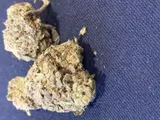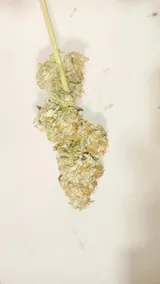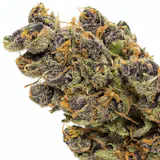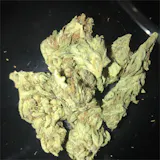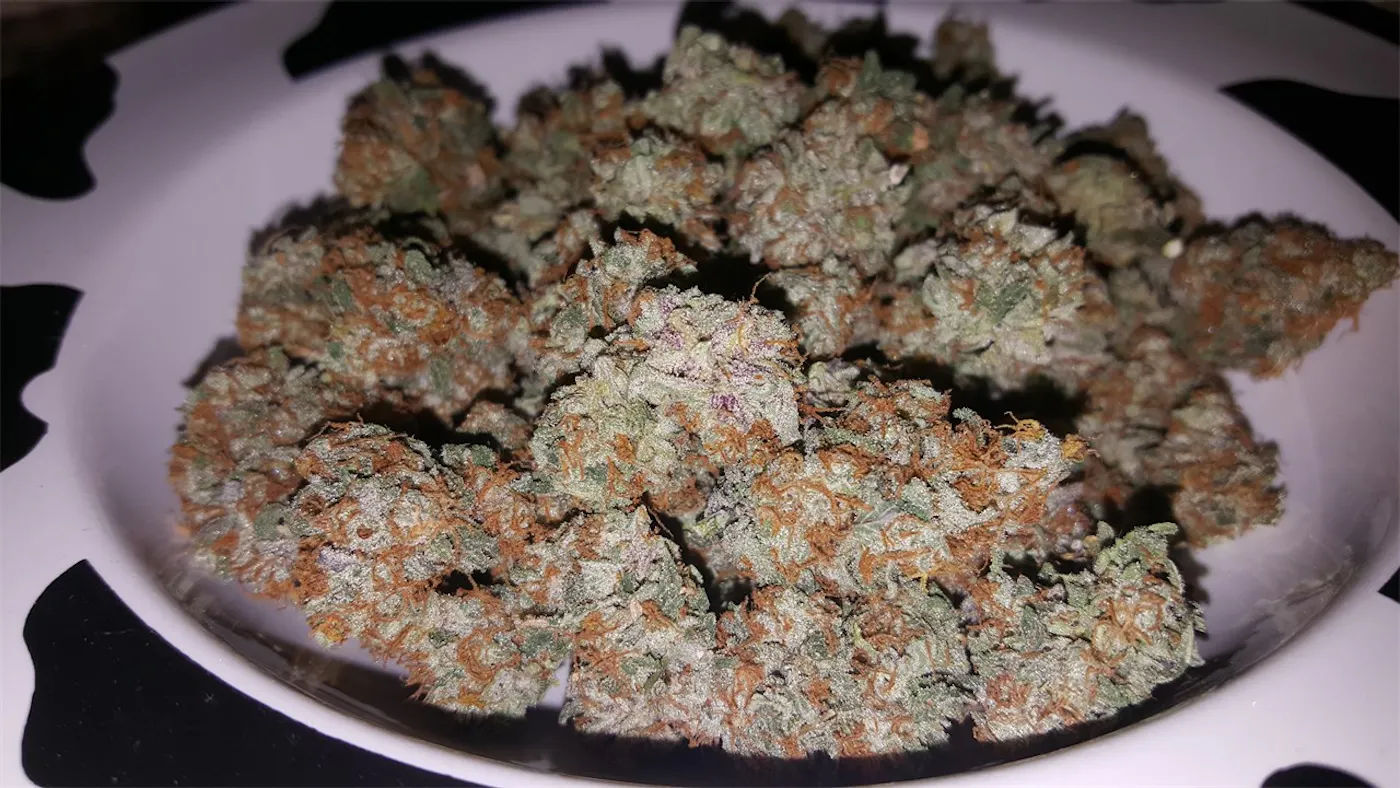
Purple Skunk strain guide
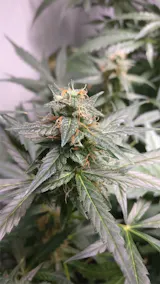
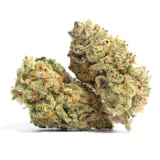
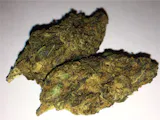
Purple Skunk is a sativa-leaning hybrid that crosses the classic Skunk #1 with an older purple strain. People know it for a pungent, skunky smell softened by grape and a little lavender, and for a creative, focused feel. It's an older name with a modest following.
Where does Purple Skunk come from?
Two strain databases agree that Purple Skunk is Skunk #1 crossed with an older purple strain. Neither names that purple parent or the breeder, and when it first appeared isn't documented.
Both describe it as sativa-leaning, with one strain database putting it around 85% sativa. Another database lists God Bud and Pineapple Purple Skunk among its offspring. Don't confuse it with Purpleskunk #1 from B.C. Grown, a separate seed listing with little information behind it.
What does Purple Skunk smell and taste like?
Skunk comes first, as the name promises: pungent and earthy. Under that, reviewers pick up grape, berry and sweet notes, and one strain database mentions a lavender touch and an earthy, almost wine-like taste.
One strain database lists myrcene as its main terpene, followed by pinene and caryophyllene. Myrcene fits the earthy base, pinene a fresher, piney lift and caryophyllene a little spice.
Purple Skunk effects: what people report
People most often describe Purple Skunk as creative, focused and tingly, with a happy, euphoric mood. Some reviewers find it energetic, while others say it felt more relaxed and heavy than they expected from a sativa-leaning strain. One strain database also notes strong hunger.
These are experiences people report, not promises. Headaches, dry eyes, dizziness and dry mouth come up, and one strain database's reviewers mention paranoia and say it may be a lot for newcomers.
How strong is Purple Skunk?
Published listings put Purple Skunk at about 18% to 19% THC, with very little CBD. That's moderate by today's standards but still plenty for many people.
Start with a small amount and give it time. The numbers on your product's label matter more than the strain name, and our guide to indica vs sativa explains why the sativa label doesn't promise a particular feel.
Buying Purple Skunk in Canada
Since the purple parent isn't named, different growers may be working with different cuts, and some products with similar names are separate strains. Read the label closely.
Check the THC and CBD numbers and the packaging date, since fresher flower keeps more of that grape note.
Purple Skunk vs Skunk #1
Skunk #1 is its known parent and one of the most influential strains ever bred. Skunk #1 is famous for its sharp, skunky smell and a balanced, steady feel. Purple Skunk keeps that skunk base but adds grape and lavender, and it's usually described as more sativa-leaning and creative. If you want the classic, go with Skunk #1. If you'd like the same funk with a fruitier side, try Purple Skunk.
Strains like Purple Skunk
If you like Purple Skunk, these are the closest matches:
- Skunk #1: its known parent, with the original skunky smell.
- Super Skunk: another Skunk #1 descendant, heavier and more pungent.
- Mendocino Purps: an older purple strain with a grape and earthy smell.
- Purple Urkle: a classic purple strain if the grape side is what you like.