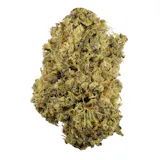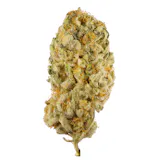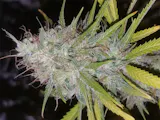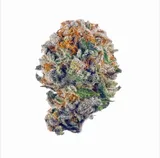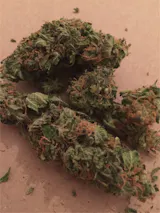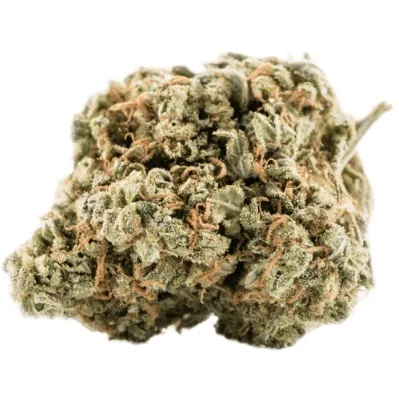
Morning Dew strain guide
Morning Dew is a sativa-leaning hybrid of Alien Bubba and Durban, released by FloraCal Farms and Cresco Labs. People know it for a sharp citrus and pine smell and an energetic, chatty feel, and as the name hints, it gets talked about as a daytime strain.
Where does Morning Dew come from?
The best-documented Morning Dew comes from FloraCal Farms and Cresco Labs, and the cross given for it is Alien Bubba and Durban. The listings name that second parent simply as Durban and don't say whether it means Durban Poison.
There's also a second plant with the same name: Irie Genetics sells a Morning Dew made from Grateful Dawg and Arise, with a gassier, funkier smell. The two aren't related, so check which one your producer grows.
What does Morning Dew smell and taste like?
Morning Dew smells bright and sharp: orange and lime up front, with pine, sage, sweet florals and a little lavender behind them. One reviewer picked out an earthy, tea-like note in the background.
Terpinolene leads its published terpene results, followed by ocimene and myrcene. Terpinolene gives that fresh, piney citrus, ocimene adds a sweet, herbal lift and myrcene rounds out the earthy side. The flavour tends to follow the smell, citrusy and herbal on the inhale.
Morning Dew effects: what people report
People most often describe Morning Dew as energetic, uplifted and talkative, with a clear, focused headspace that some reviewers like for solo work and others for hanging out with friends. A light, relaxed body feel sits underneath without slowing things down.
These are experiences people report, not promises. Several reviewers say that a lot of it goes the other way: foggy, tired or with a tight feeling around the eyes and forehead. Dry mouth comes up too, so a small amount is the usual advice.
How strong is Morning Dew?
Morning Dew is a very high-THC strain. Published listings and lab results put it around 27% at the low end, and one listing goes as high as 34%. One tested batch showed almost all of its potency as THCA, which turns into THC when heated; our guide to THCA vs THC explains the difference.
That's a lot, even for regular consumers. Start small and wait before having more. The numbers on your label matter more than the strain name.
Buying Morning Dew in Canada
Morning Dew is best known in the US, and we couldn't confirm how often it appears in Canada. If you find it, check whether the producer lists the Alien Bubba and Durban cross or the Irie Genetics version.
Look at the THC and CBD numbers and the packaging date, since terpinolene-forward flower loses its bright smell as it ages.
Morning Dew vs Durban Poison
Durban Poison is a classic South African sativa, and it may be the Durban in Morning Dew's family tree, though the listings don't confirm that. Both are terpinolene-forward and both get called energetic, focused daytime strains. Durban Poison leans sweeter and more anise-like, while Morning Dew smells sharper, with more citrus and sage. Morning Dew is also listed with noticeably higher THC. If you want a well-documented, gentler daytime classic, start with Durban Poison. If you want something brighter and stronger, Morning Dew fits.
Strains like Morning Dew
If you like Morning Dew, these have a similar bright, upbeat profile:
- Durban Poison: a terpinolene-led sativa with a sweet, piney smell and a focused reputation.
- White Durban: a Durban Poison cross with citrus and pine up front and terpinolene leading its results.
- Jack Herer: a classic terpinolene-forward sativa, piney and clear-headed.
- Chem 91: sharper and more chemical, but listed with terpinolene near the top and a lemony edge.