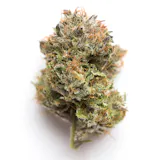
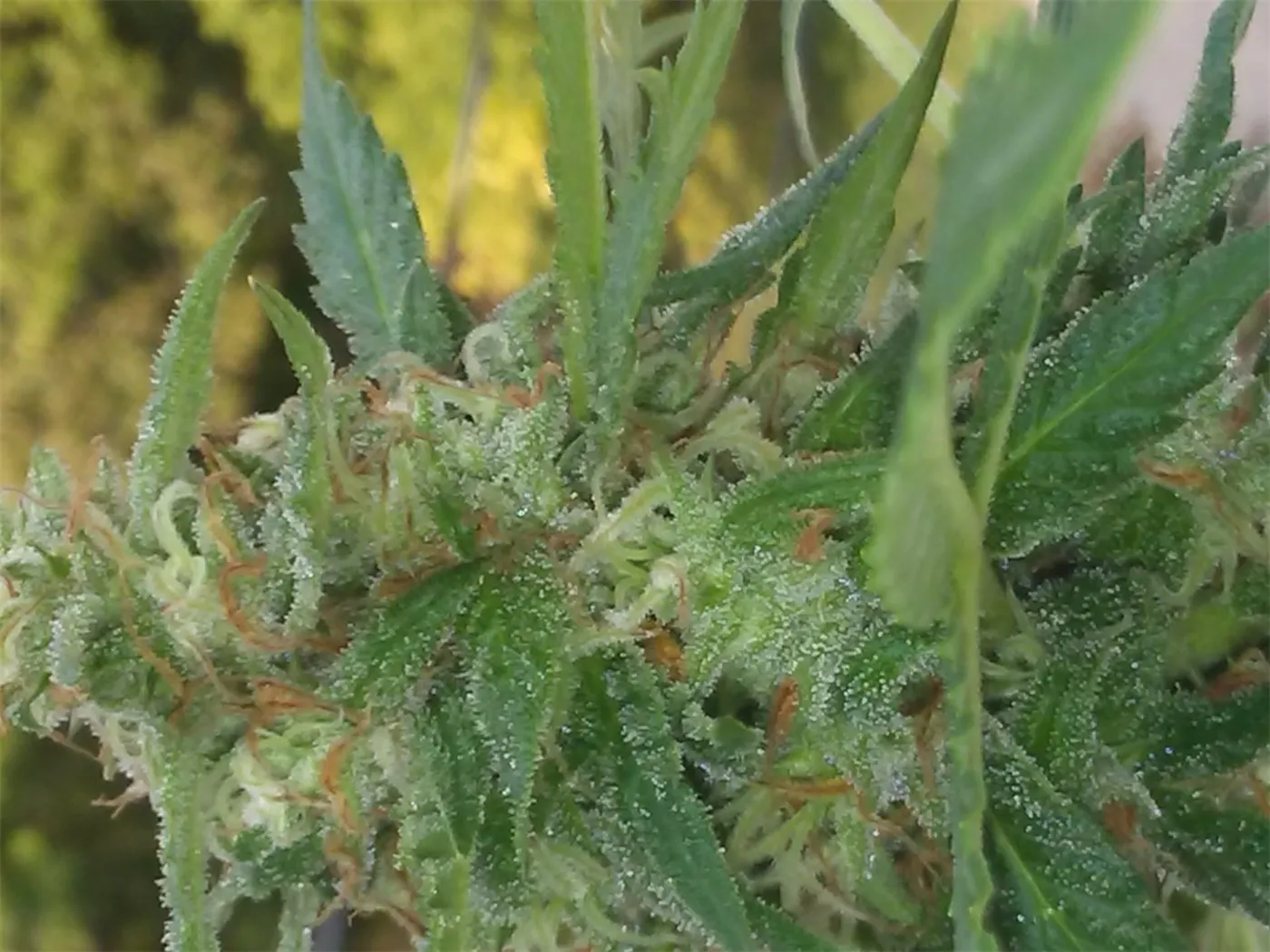
Lemon Drop strain guide
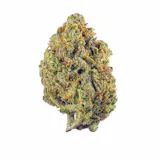
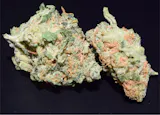
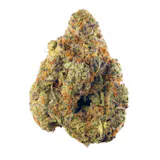
Lemon Drop is a sativa-leaning hybrid named for exactly what it smells like: lemon candy. People describe it as giggly, happy and focused. It is one of those strains with a clear personality and a fuzzy family tree, since no breeder or parent strains are well documented.
Where does Lemon Drop come from?
Nobody seems to know for sure. The major strain databases either leave its parents blank or say outright that its genetics are a mystery, and no breeder has a well-known claim to it.
The name also gets reused. Breeders have released other plants with similar names, like Lemon Drop Mash and Lemon Drop Cookies, and those have their own separate genetics. So think of Lemon Drop as a name for a lemony, sativa-leaning hybrid rather than one fixed plant with a known pedigree.
What does Lemon Drop smell and taste like?
Lemon leads, as you'd hope. Reviewers often compare it to lemon candy: bright, a little sour and sweet. Some batches add grapefruit or a tropical edge, and there's often an earthy, slightly dank layer underneath the citrus.
One strain database lists myrcene, pinene and caryophyllene as its top terpenes. Myrcene adds an earthy, musky side, pinene a fresh pine note and caryophyllene a peppery bite. The flavour usually follows the smell, with sweet lemon on the inhale.
Lemon Drop effects: what people report
People most often describe Lemon Drop as giggly, happy and focused, with a mood lift that comes on early. Some reviewers call it energetic and motivating, while others find it more calm and relaxed, so it doesn't land the same way for everyone.
These are experiences people report, not promises. How it feels depends on the product, how much you have and your own tolerance. Dry mouth and dry eyes are the usual complaints, and a few people mention feeling dizzy.
How strong is Lemon Drop?
Strain listings put Lemon Drop around 16% to 18% THC with very little CBD. Individual products can test well outside that range, and some reviewers report flower labelled much higher, so the strain name alone tells you little about potency.
If you're new to it, start with a small amount and give it time before having more. The THC and CBD numbers for your batch are on the label, and they matter more than the strain name.
Buying Lemon Drop in Canada
Because the name isn't tied to one documented plant, two Lemon Drop products can be quite different. Check the THC and CBD numbers, the terpenes if they're listed, and the packaging date, since fresher flower holds on to more of that lemon smell.
You might see the name on flower, pre-rolls or vape cartridges. Watch for look-alike names like Lemon Drop Cookies, which are separate strains.
Lemon Drop vs Super Lemon Haze
There's no documented family link here, but Super Lemon Haze is the best-known lemon strain and the one most people will compare it to. Super Lemon Haze has a well-documented history and a zesty, sharper lemon smell with a Haze edge, while Lemon Drop reads sweeter and more candy-like. Both get described as upbeat and happy. If you want a lemon strain with a known pedigree, Super Lemon Haze is the safer bet. If lemon candy sounds better, try Lemon Drop.
Strains like Lemon Drop
If you like Lemon Drop, these share its bright citrus side:
- Super Lemon Haze: zesty lemon with a sharper, more energetic reputation.
- Lemon Haze: another lemony sativa-leaning hybrid with a fresh citrus smell.
- Lemon Skunk: lemon over a skunky base, upbeat and happy.
- Lemon Tree: sweet lemon with a fuel note from its Sour Diesel side.