Lavender Jones strain guide
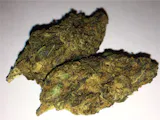
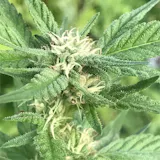
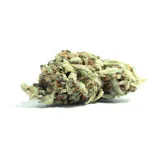
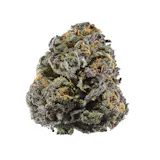
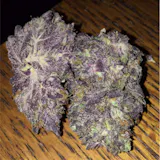
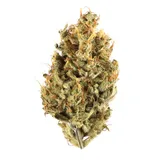
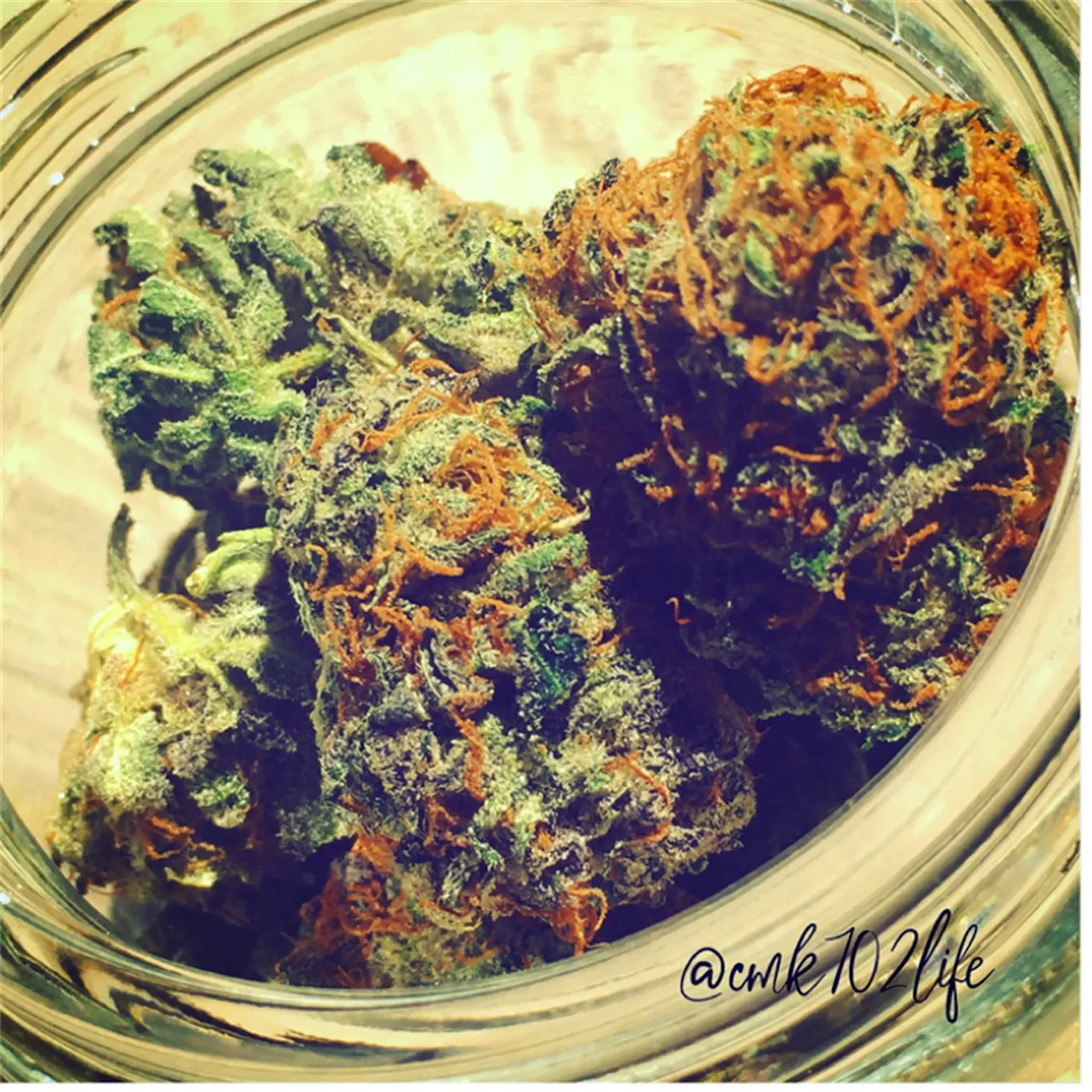
Lavender Jones, also called Purple Jones, is a hybrid of Purple Urkle and Casey Jones. People know it for a sweet lavender and floral smell with a little grape, and for a happy feel that can land anywhere from upbeat to calm. Its listed THC is moderate by today's standards.
Where does Lavender Jones come from?
Lavender Jones is a cross of Purple Urkle, a California indica known for purple buds and a grape smell, and Casey Jones, a sativa-leaning strain with a citrus and diesel side. One strain database and other strain databases agree on that pairing.
The original breeder is not well documented. One strain guide claims the first parent was actually the Soma Seeds strain Lavender rather than Purple Urkle, but the main databases don't support that, so Purple Urkle and Casey Jones is the better-backed version.
What does Lavender Jones smell and taste like?
The name gives it away: most people notice lavender and soft floral notes first, sometimes described as violet. Under that sits a sweet grape note from the Purple Urkle side and an earthy base. Some reviewers say the Casey Jones side adds a citrus edge.
One strain database lists myrcene as its leading terpene, followed by pinene and caryophyllene. Myrcene brings an earthy, herbal note, pinene a fresh pine side and caryophyllene a little pepper. The taste is usually sweet and floral, with grape on the finish.
Lavender Jones effects: what people report
People most often describe Lavender Jones as relaxed and happy, with a euphoric, uplifted headspace. Where it lands varies: one strain database's reviewers lean calm, while another listing says it usually doesn't make people sleepy or stuck to the couch, and some reviewers call it creative or talkative.
These are experiences people report, not promises. How it feels depends on the product, how much you have and your own tolerance. Dry mouth, dry eyes and feeling anxious are the most common complaints, and a few people mention dizziness or a racing heart.
How strong is Lavender Jones?
Listings for Lavender Jones run from about 14% to 22% THC. One strain database gives 14% to 17%, while one strain database lists about 22%. CBD is low. Some newer batches may test higher, so the label is the number to trust.
If you're new to it, start with a small amount and give it time before having more. Our guide to reading cannabis labels explains the THC and CBD numbers on the package.
Buying Lavender Jones in Canada
You might see this strain as Lavender Jones or Purple Jones. Don't mix it up with Lavender, an older Soma Seeds indica with a different background.
Check the THC and CBD numbers and the packaging date. Floral smells fade quickly, so fresher flower makes the biggest difference here.
Lavender Jones vs Purple Urkle
Purple Urkle is Lavender Jones' parent and the source of its grape side. Purple Urkle smells mostly of grape and berry and is known as a sleepy, heavy indica, while Lavender Jones turns more floral and lavender-sweet. Thanks to its sativa-leaning Casey Jones parent, Lavender Jones is more often called upbeat or creative. If you want something heavy and grape-forward, start with Purple Urkle. If a lighter, floral feel sounds better, try Lavender Jones.
Strains like Lavender Jones
If you like Lavender Jones, these are the closest matches:
- Purple Urkle: one parent, grape and berry with a sleepier reputation.
- Casey Jones: the other parent, citrus and fruit with an energetic feel.
- Lavender: no documented family link, but it shares the floral, lavender-like smell.
- Granddaddy Purple: a Purple Urkle child with a sweet grape smell.