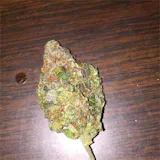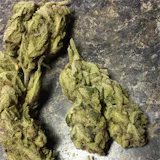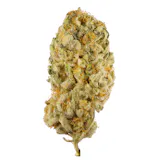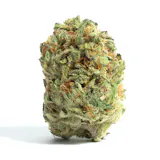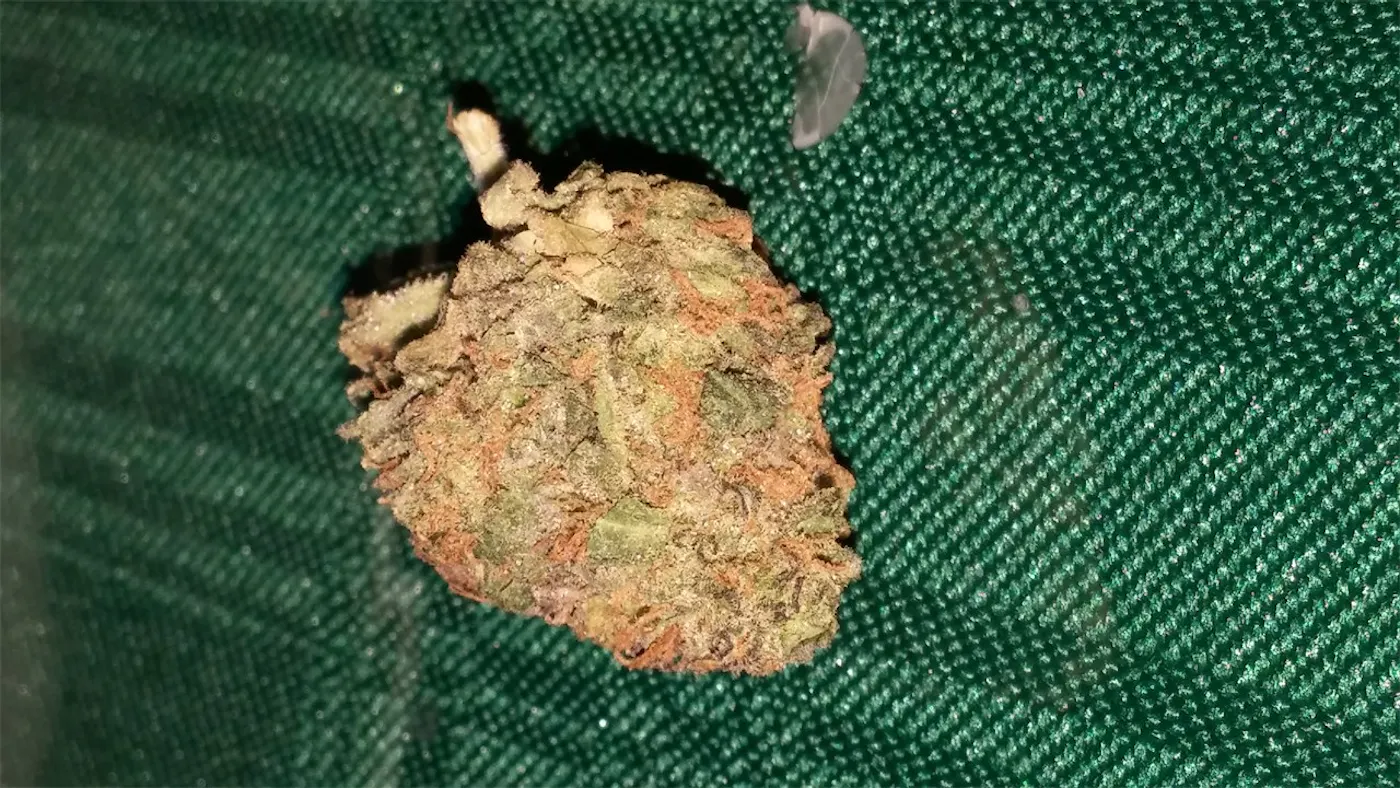
Killer Queen strain guide
Killer Queen is a hybrid of Cinderella 99 and G13, with roots usually traced to British Columbia. It's a quieter name next to today's dessert strains, but people who find it tend to like its sweet citrus and herbal smell and a bright, upbeat feel that suits the daytime.
Where does Killer Queen come from?
Two strain databases agree on the cross: Cinderella 99, a fast, fruity sativa-leaning strain, paired with G13, the heavy indica with a famous government-lab legend behind it. One strain database places its origin in British Columbia. The breeder isn't named in either source, so who actually made it is not well documented.
One strain database also lists a couple of newer strains bred from it, which suggests some growers have kept it around as breeding stock even if it rarely makes headlines.
What does Killer Queen smell and taste like?
Most descriptions start with citrus and sweetness, then move to earthy and herbal notes. Some listings add a floral or buttery side, and a few mention a light chemical or diesel edge, which likely comes from the G13 half.
One strain database's terpene data puts caryophyllene first, followed by limonene and myrcene. That fits the smell: peppery spice from caryophyllene, bright citrus from limonene and a softer, earthy base from myrcene. The taste is often described as tropical up front with an earthy, herbal finish.
Killer Queen effects: what people report
People most often call Killer Queen creative, focused, energetic and happy. Reviewers describe a clear, mellow head feel with a lift in mood, and some say it makes them talkative. A smaller number report it turning relaxed or even sleepy later on, which isn't surprising given the indica parent.
These are experiences people report, not promises. How it feels depends on the product, how much you have and your own tolerance. Dry mouth and dry eyes are the most common complaints, and a few people mention feeling paranoid.
How strong is Killer Queen?
Killer Queen sits in the moderate range by today's standards. Published listings put it around 16% to 17% THC, with very little CBD reported. That's lower than many newer hybrids, which some people see as a plus.
Even so, start small if you're new to it and give it time before having more. The THC and CBD numbers on your product's label matter more than the strain name, and our guide to reading cannabis labels explains what to look for.
Buying Killer Queen in Canada
Killer Queen is an older, less common strain, so it may take some looking. When you do find it, check that the label names the strain itself and not a different cross with a similar name.
Look at the THC and CBD numbers and the packaging date, since fresher flower holds onto more of that citrus smell.
Killer Queen vs Cinderella 99
Cinderella 99 is one of Killer Queen's parents, and the family resemblance shows in the fruity, citrus smell and the upbeat, focused reports. The difference is the G13 side: Killer Queen picks up more earthy, herbal depth and a few reports of a heavier finish, while Cinderella 99 stays lighter, brighter and more purely sativa in feel. If you want the sharp, sunny version, pick Cinderella 99. If you'd like a bit more weight underneath, try Killer Queen.
Strains like Killer Queen
If you like Killer Queen, these are worth a look:
- Cinderella 99: one parent, with the same fruity citrus smell and a lighter, more energetic reputation.
- G13: the other parent, earthier and much heavier in feel.
- Space Queen: another Cinderella 99 cross, sweet and fruity with an upbeat side.
- Jack Herer: a classic daytime hybrid with a similar clear, creative reputation.