StrainsTerpenesGuidesDispensaries
WeedDB
StrainsTerpenesGuidesDispensaries

Get new strain guides and deals

Yes, email me new strain guides, deals and WeedDB news. I can unsubscribe at any time. Privacy policy

WeedDB
StrainsIndicaSativaHybridTerpenesGuidesAboutContactPrivacyTermsDispensaries
19+ only. Please consume responsibly. © 2026 WeedDB
Home›Strains›Hybrid›Cherry Maui Wowie
Cm
Hybrid

Cherry Maui Wowie

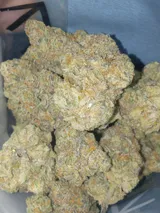
Cherry Maui Wowie is a hybrid bred from Cherry Pie and Maui Wowie, listed at 28% THC. Only one source has published details on it so far, so this is a short listing rather than a full guide.

Details come from one strain database and aren't confirmed by a second source yet.

Reported THC
28%

How people describe it

HappyEnergeticEuphoricCreative

Smell and taste

BlueberryPineappleBerry

Family tree

Cherry Pie×Maui WowiecrossCherry Maui Wowie

Strains near it in popularity

CbCherry Berry LatteSativa-leaning hybridCherry Cake strainCherry CakeTHC 17–28%Cherry Lime Runtz strainCherry Lime RuntzTHC 20–25%Chronic Tonic strainChronic TonicHybridCoconut Milk strainCoconut MilkTHC 30–31%Code Red strainCode RedTHC 23%

Guides to read next

What is shatter? How it's made and how it differs from wax and live resinShatter is a glassy, translucent cannabis concentrate made by dissolving resin out of the plant with butane and then removing the solvent. It is sold in Canada as a cannabis extract, with a cap of 1,000 mg of THC per container.Cookies strains: Girl Scout Cookies and its familyCookies strains are the cannabis family built around Girl Scout Cookies, widely reported as a cross of OG Kush and Durban Poison from the San Francisco Bay Area. Cuts like Thin Mints and Forum Cut, and descendants like Gelato, Sunset Sherbet and Wedding Cake, make up the family.Germinating cannabis seeds: what the research measuredCannabis seeds germinate across a wide temperature range, with the best results measured between 19 and 30 degrees Celsius. Seeds lose viability with age, feminized seeds have no published sex ratio, and Canadian law treats seed origin separately from the four-plant limit.