Blue Guava strain guide
Blue Guava is a hybrid with a fruity name and a messy family tree. Listings agree that it smells sweet, berry-like and tropical, and people tend to call it happy and relaxed, but sources tell three different stories about where it comes from.
Where does Blue Guava come from?
Blue Guava's parentage is disputed. One strain database lists it as Blue Dream crossed with Guava Kush, while a grow-diary site gives Blue Dream crossed with Pink Guava.
One strain database's Canadian listing tells a different story: it credits Zatix, a Bay Area brand, and describes Blue Guava as a guava-type cross from that brand's Oz Kush project, with Gelato #33 in the background and a debut around 2023. Several reviewers there push back on the Blue Dream link. With no agreement, the honest answer is that the lineage is not well documented, and different producers may be selling different plants under the name.
What does Blue Guava smell and taste like?
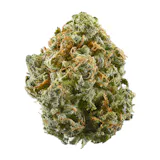
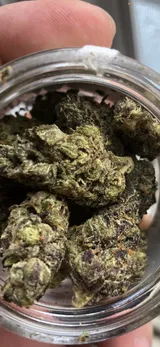
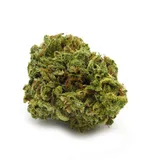
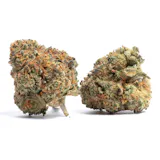
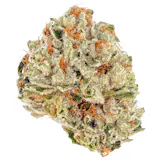
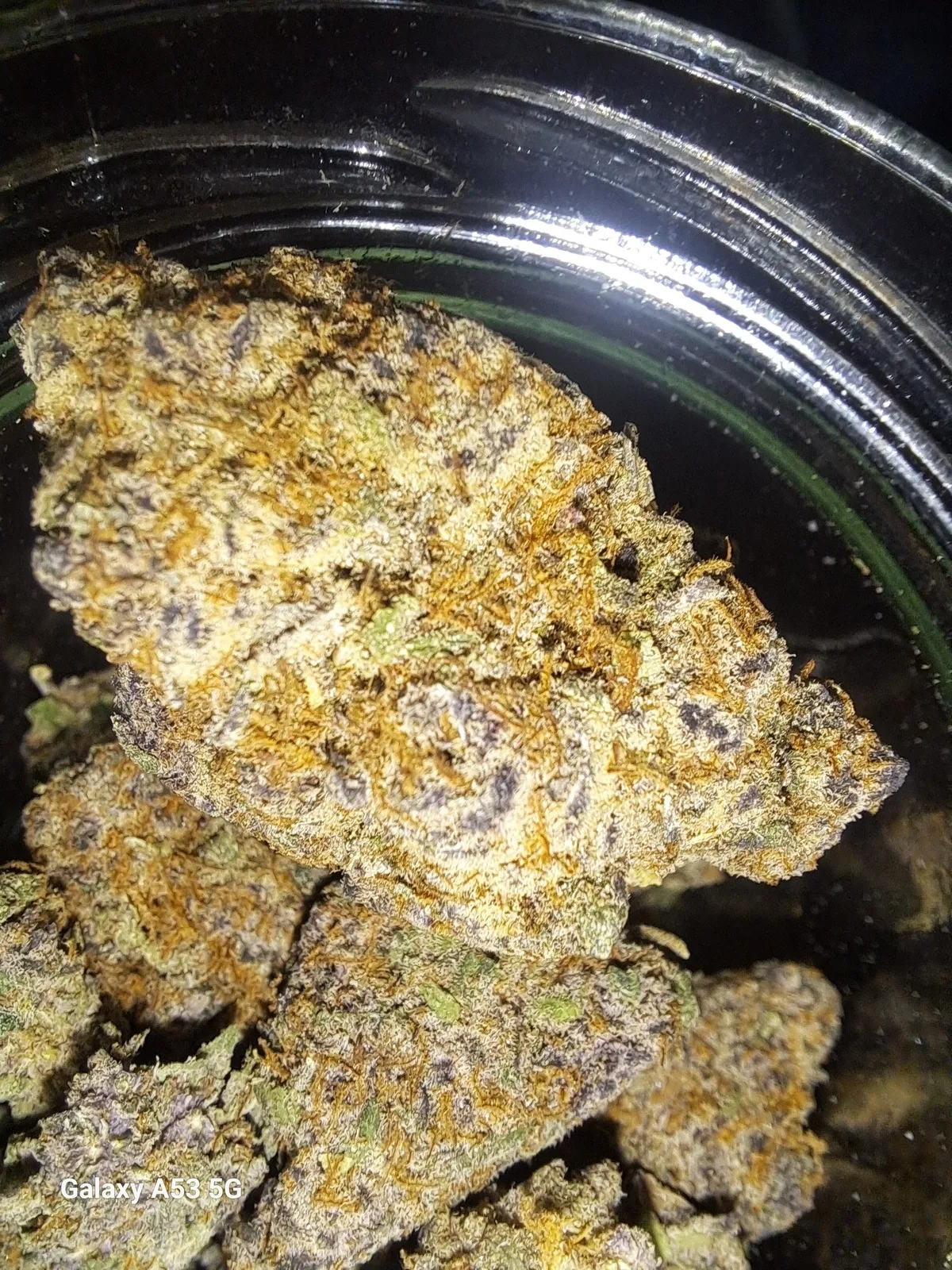
Most descriptions start with sweet blueberry and berry notes, then bright tropical fruit and citrus. Earthier, more floral Kush tones sit underneath, and some reviewers pick up gas or even a cheesy, herbal edge, which fits the idea that more than one cut is out there.
No source we found publishes a terpene breakdown for Blue Guava, so we've left that blank rather than guess. The label on your product is the best place to look.
Blue Guava effects: what people report
People most often describe Blue Guava as euphoric, relaxed and uplifted, with a bright, cheerful start and a heavier body feel later on. Some reviewers mention feeling focused or chatty, while others say it got sleepy, and one listing notes a slight couch-lock.
These are experiences people report, not promises. How it feels depends on the batch, how much you have and your own tolerance. Dry eyes, dry mouth and dizziness are the most common complaints, and a few people mention feeling on edge.
How strong is Blue Guava?
Published listings put Blue Guava at about 22% to 28% THC with very little CBD, though at least one reviewer found their batch milder than that. That is high-THC territory.
If you're new to it, start small and wait before having more. The numbers on your label matter more than the strain name, and our guide to reading cannabis labels explains what they mean.
Buying Blue Guava in Canada
Because the lineage is disputed, two products called Blue Guava may not come from the same plant. If the producer lists parents or a breeder, that tells you which version you have.
You may see it as dried flower or pre-rolls. Check the THC and CBD numbers and the packaging date, since fresher flower keeps more of that fruity smell.
Blue Guava vs Guava
Guava is the better documented of the two, usually described as a likely phenotype of Gelato, and if one strain database's account of Blue Guava's Gelato #33 background is right, the two are close cousins. Guava leans sweet and tropical with a little gas, while Blue Guava adds berry and blueberry notes on top of the tropical fruit. Guava gets called talkative and focused, while Blue Guava reads more relaxed and euphoric. Both are usually listed in the 20s for THC. If you want the clearer pedigree and a chattier feel, start with Guava. If berry with your tropical fruit sounds better, try Blue Guava.
Strains like Blue Guava
If you like Blue Guava, these are worth a look:
- Guava: sweet and tropical, from the Gelato side of the family.
- Blue Dream: the parent most often named for Blue Guava, with a soft berry smell and a gentle, upbeat feel.
- Pink Guava: another guava-named hybrid, sometimes listed as Blue Guava's second parent.
- Oz Kush: the line behind Zatix's guava project, if one strain database's account is the right one.