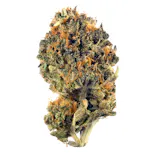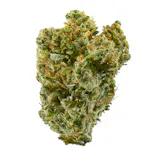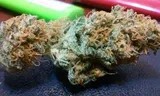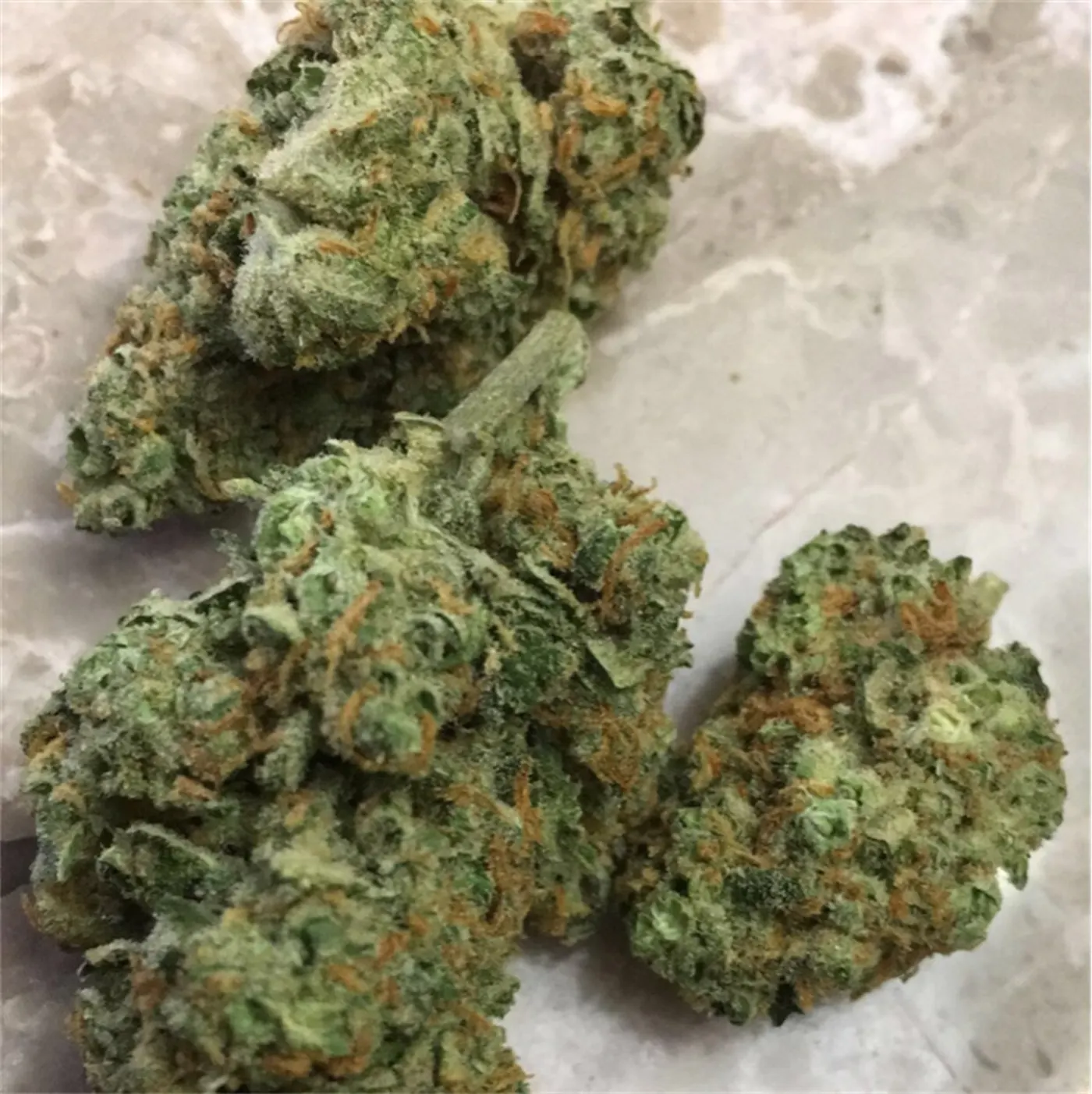
Area 51 strain guide
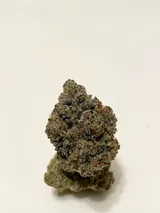
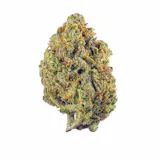
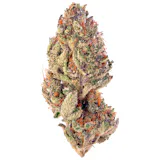
Area 51 is a hybrid whose parents and breeder aren't well documented. People know it for a citrus, pine and floral smell and a giggly, uplifted feel. It's a small-name strain, so there's less to go on than with the classics.
Where does Area 51 come from?
Honestly, nobody has pinned this one down. Two strain databases both list Area 51 as being of unknown origin, and no breeder has a well-documented claim to it. A few user reviews offer their own versions of the backstory, but they don't agree and can't be checked.
Sources also split on how it leans. One strain database calls it sativa-leaning, while another database lists it as an even hybrid. As with many strains that travel by name alone, different growers may be selling different plants under the same label.
What does Area 51 smell and taste like?
Most descriptions point to citrus first, with lemon, pine and a soft floral note. One strain database's tags add a chemical edge and tree fruit, and reviewers mention skunk, pepper and the odd tropical hint. The flavour is usually described as sweet and lemony with a piney finish.
One strain database's lab data lists caryophyllene first, then myrcene and limonene. Caryophyllene accounts for the peppery side, limonene the lemon and myrcene the earthier base. Another database doesn't publish terpenes for it, so this rests on one lab source.
Area 51 effects: what people report
People most often describe Area 51 as giggly, uplifted and happy, with words like euphoric, creative and energetic coming up in reviews. Some also find it relaxing as it settles, so it's usually framed as a daytime-leaning hybrid rather than a heavy one.
These are experiences people report, not promises. How it feels depends on the batch, how much you have and your own tolerance. Dry mouth, dizziness and headache are the complaints that come up.
How strong is Area 51?
Published figures put Area 51 at roughly 18% to 23% THC, with very little CBD. One strain database lists about 18%, and another database gives a range of 20% to 23%.
That's a moderate to high range, so start small and give it time. The numbers on your label matter more than the strain name, and our guide to reading cannabis labels explains what they mean.
Buying Area 51 in Canada
Because its genetics aren't documented, two products called Area 51 may not be the same plant. Read the label for the producer and, if it's listed, the terpene breakdown, which tells you more than the name does. Don't mix it up with Area 41, a different strain.
You might find it as dried flower or pre-rolls. Check the THC number and the packaging date, since fresher flower keeps more of that bright citrus smell.
Area 51 vs Area 41
There's no documented family link between these two; they just share a name pattern and get mixed up. Area 41 is a known cross of Gelato 41 and Lemon Fuel OG with a lemon, fuel and nutty smell, and people call it euphoric and talkative. Area 51 has no settled parents and leans citrus, pine and floral, with a giggly, uplifted reputation. Both land on lemon, but Area 41 brings more fuel. If you want a documented lineage, Area 41 is the safer bet. If floral citrus sounds good, try Area 51.
Strains like Area 51
Since Area 51's family is unknown, these are matches by smell and feel rather than genetics:
- Area 41: similar name and lemon smell, with more fuel.
- Lemon Skunk: lemon and skunk with a happy, giggly reputation.
- Super Lemon Haze: bright, sweet lemon and an energetic, uplifted feel.
- Tropicana Cookies: citrus-forward and upbeat, with more orange than lemon.