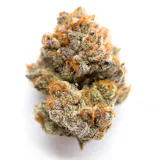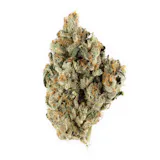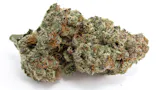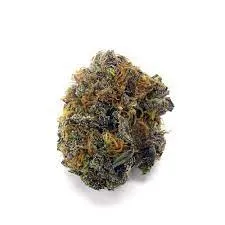
Honeydew strain guide
Honeydew is a lesser-known hybrid named for its sweet, honey and melon smell. People describe a relaxed, happy feel that tends toward calm rather than racy. Its breeding history is not well documented, and sources don't agree on its parents or how strong it is.
Where does Honeydew come from?
Honeydew has no well-documented breeder or release date. One strain database lists it without any parents at all and notes Rose Petal as a strain bred from it. Another lists it as a cross of Dirty Old SOG Super Silver Haze and Appalachia, but that same cross is given elsewhere for Honeydew Boba, a different strain with a similar name, so it may belong there instead.
Several other names on menus share the word, including Honeydew Haze and Electric Honeydew, and they aren't the same plant. With no agreement on its parents, the honest answer is that Honeydew's family tree is unknown.
What does Honeydew smell and taste like?
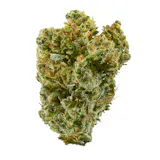
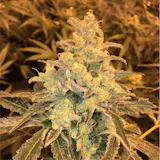
Most people notice sweetness first: honey, ripe melon and apricot, with soft floral notes. Some reviewers mention a light citrus or berry note, and listings add a woody, earthy base underneath.
Myrcene leads its published terpene results, followed by pinene and caryophyllene. Myrcene brings an earthy, herbal side, pinene a hint of pine and caryophyllene a peppery touch. The flavour usually follows the smell: sweet and fruity, light rather than heavy.
Honeydew effects: what people report
People most often describe Honeydew as relaxed and euphoric, and many mention getting hungry. Others call it giggly, uplifted and talkative, so it reads as a gentle, social strain more than a heavy one. One listing describes it as a daytime pick with a light body tingle.
These are experiences people report, not promises. How it feels depends on the product, how much you have and your own tolerance. Dry mouth and dry eyes are the most common complaints, and some people mention feeling paranoid.
How strong is Honeydew?
This is where sources split. One database lists Honeydew at about 13% THC, lower than average, while another puts it near 21%. That gap is one more sign that different plants are sold under this name. CBD is usually low.
Whatever the listing says, the numbers on your label are what count. If you're new to it, start with a small amount and give it time before having more. Our guide to reading cannabis labels explains what each number means.
Buying Honeydew in Canada
Since Honeydew isn't a tightly defined strain, check the label for the producer's own description and the parent strains if they're printed. Make sure you aren't looking at Honeydew Boba or another similar name.
Check the THC and CBD numbers and the packaging date, since fresher flower keeps more of that honey and melon smell.
Honeydew vs Super Silver Haze
There is no documented family link between these two beyond one disputed listing, but Super Silver Haze is the closest well-known comparison. Super Silver Haze smells of citrus and skunk and is known as an energetic, upbeat sativa-leaning hybrid. Honeydew is sweeter and softer, with honey and melon, and reports lean more relaxed. If you want a bright, lively strain, Super Silver Haze is the better fit. If you'd rather have something mellow and fruity, try Honeydew.
Strains like Honeydew
If you like Honeydew, these are worth a look:
- Super Silver Haze: named in one listing of its parents, with a livelier citrus and haze profile.
- Honey Banana: another sweet, honeyed hybrid with a fruity smell.
- Melonade: leans into the same juicy melon sweetness.
- Lemon Haze: a bright, citrusy daytime hybrid for people who like Honeydew's lighter, social side.